Talk to Me About Your Mother
Year: 2027–2028
Artist: Abel Azcona
Type of work: Video performance and interview
Location: Madrid and Mexico City
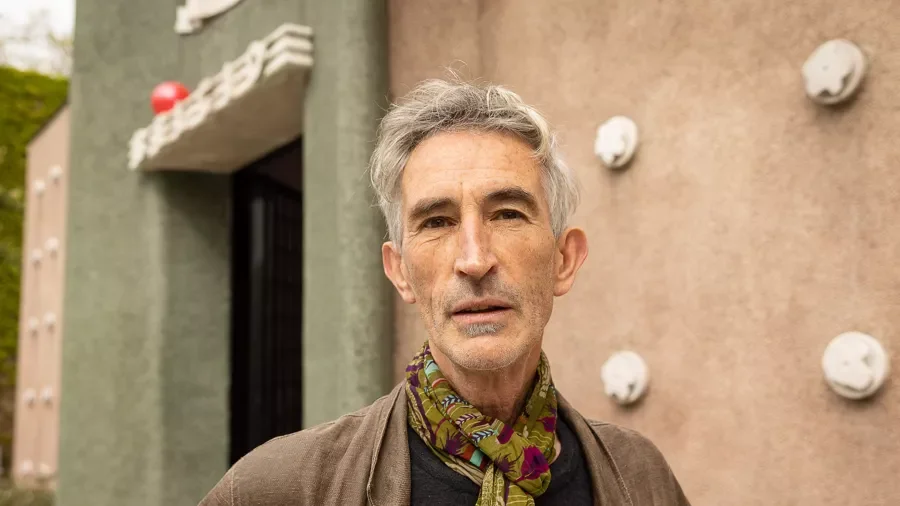
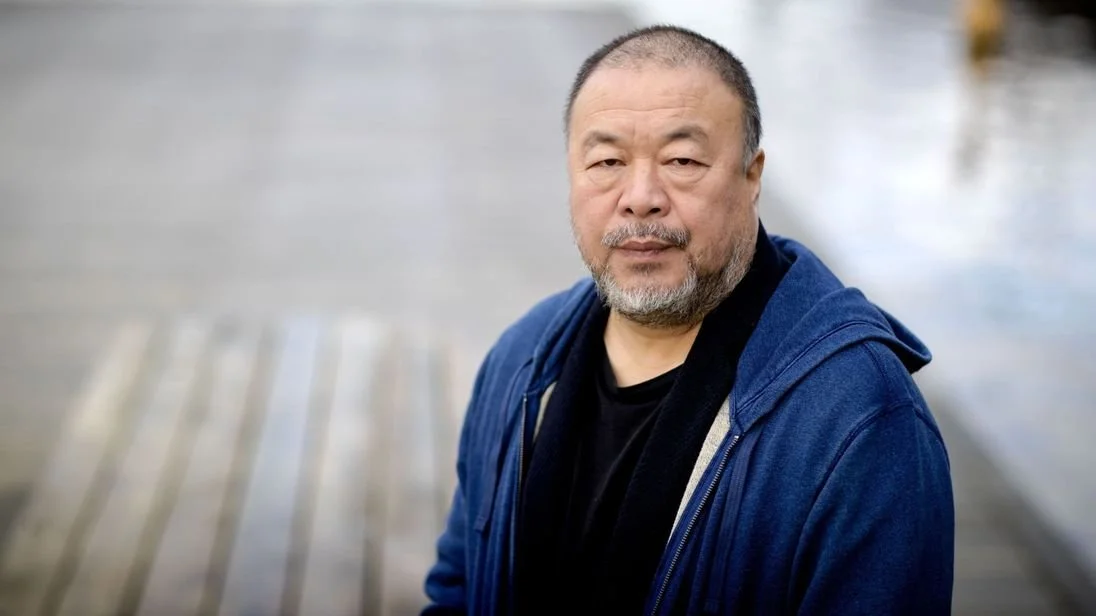
Artists: Santiago Sierra, Miquel Barceló, Antonio López, Francis Alÿs, Andrés Serrano, Ai Weiwei, Maurizio Cattelan, and other invited artists.
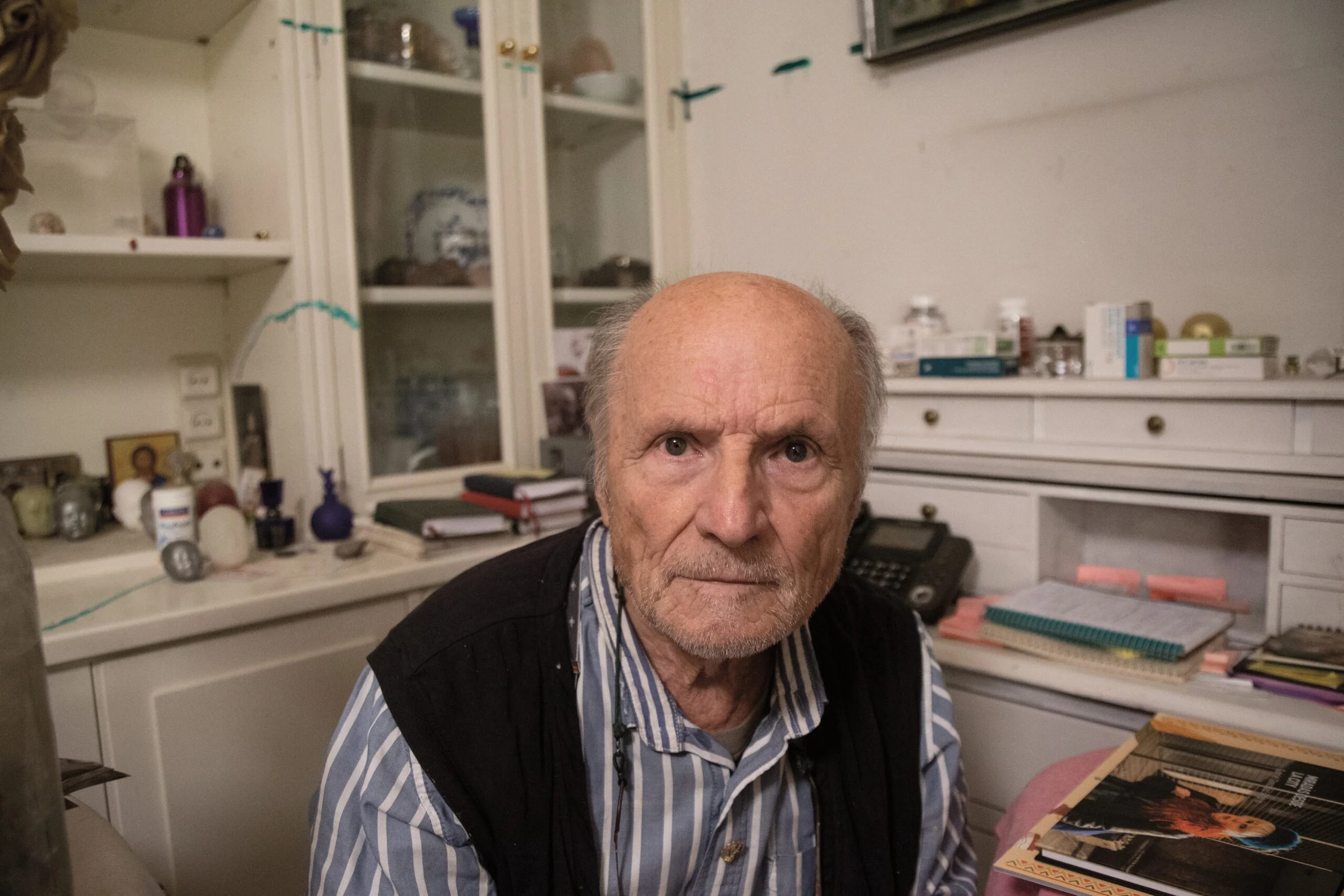
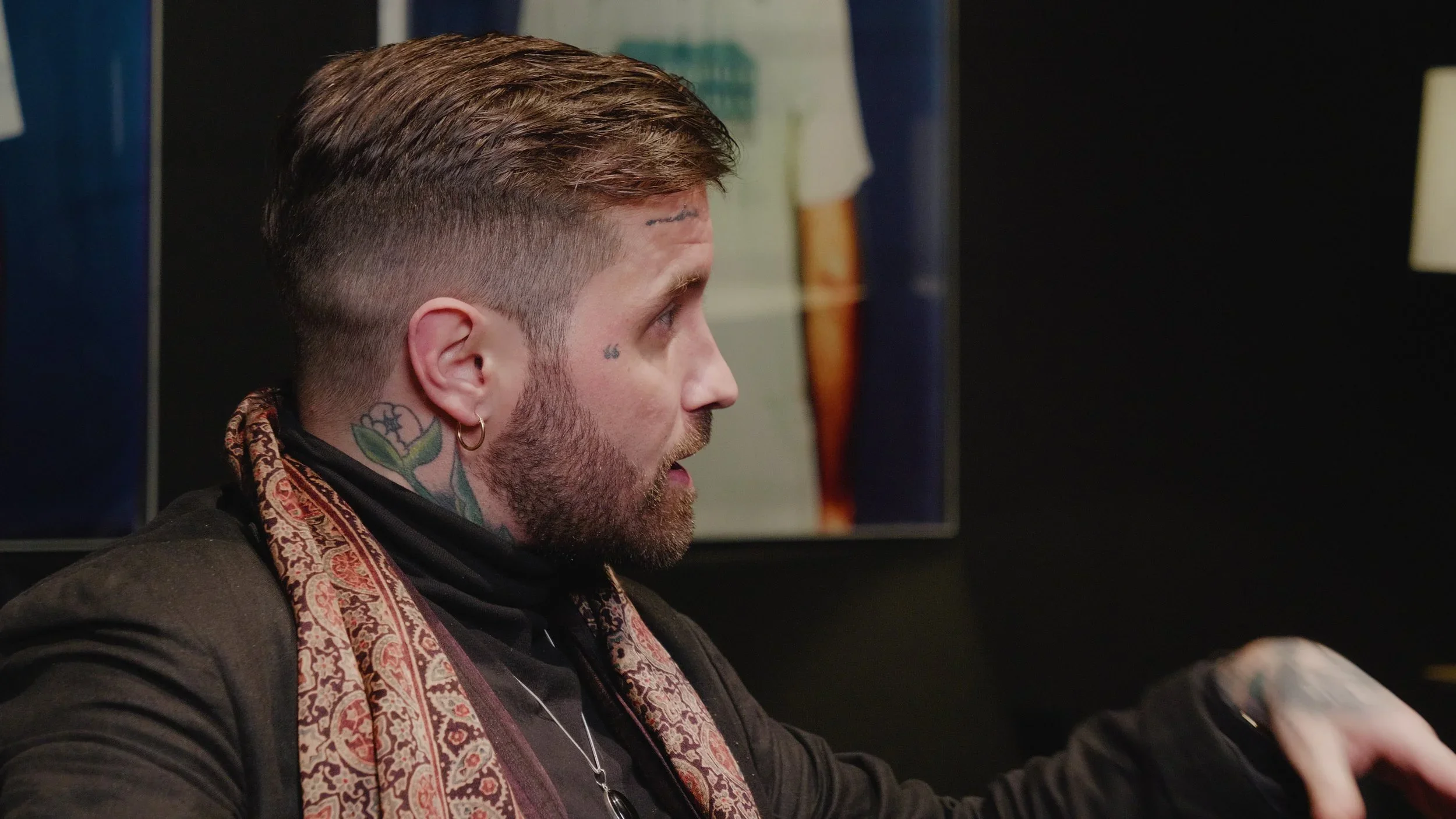
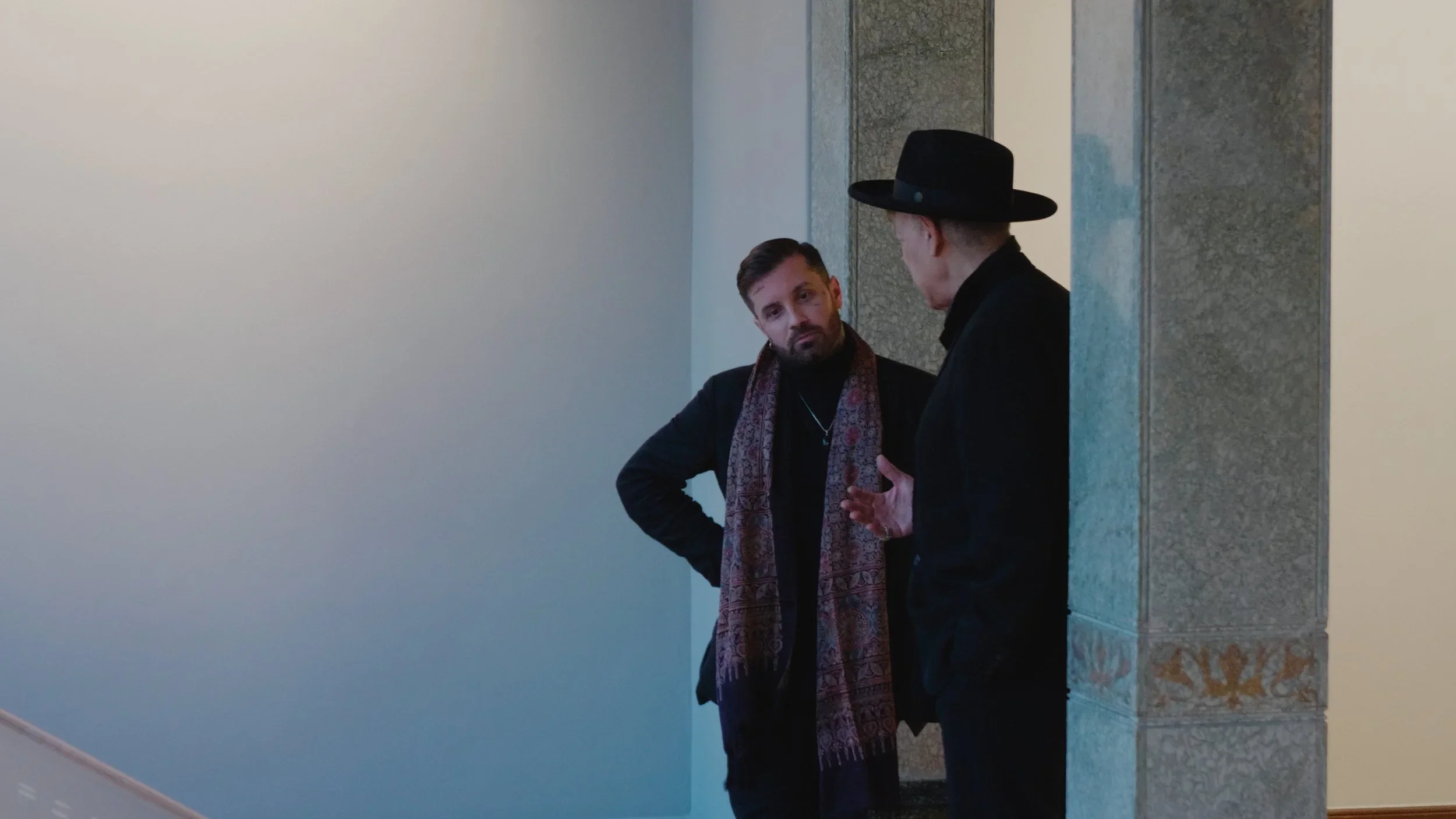
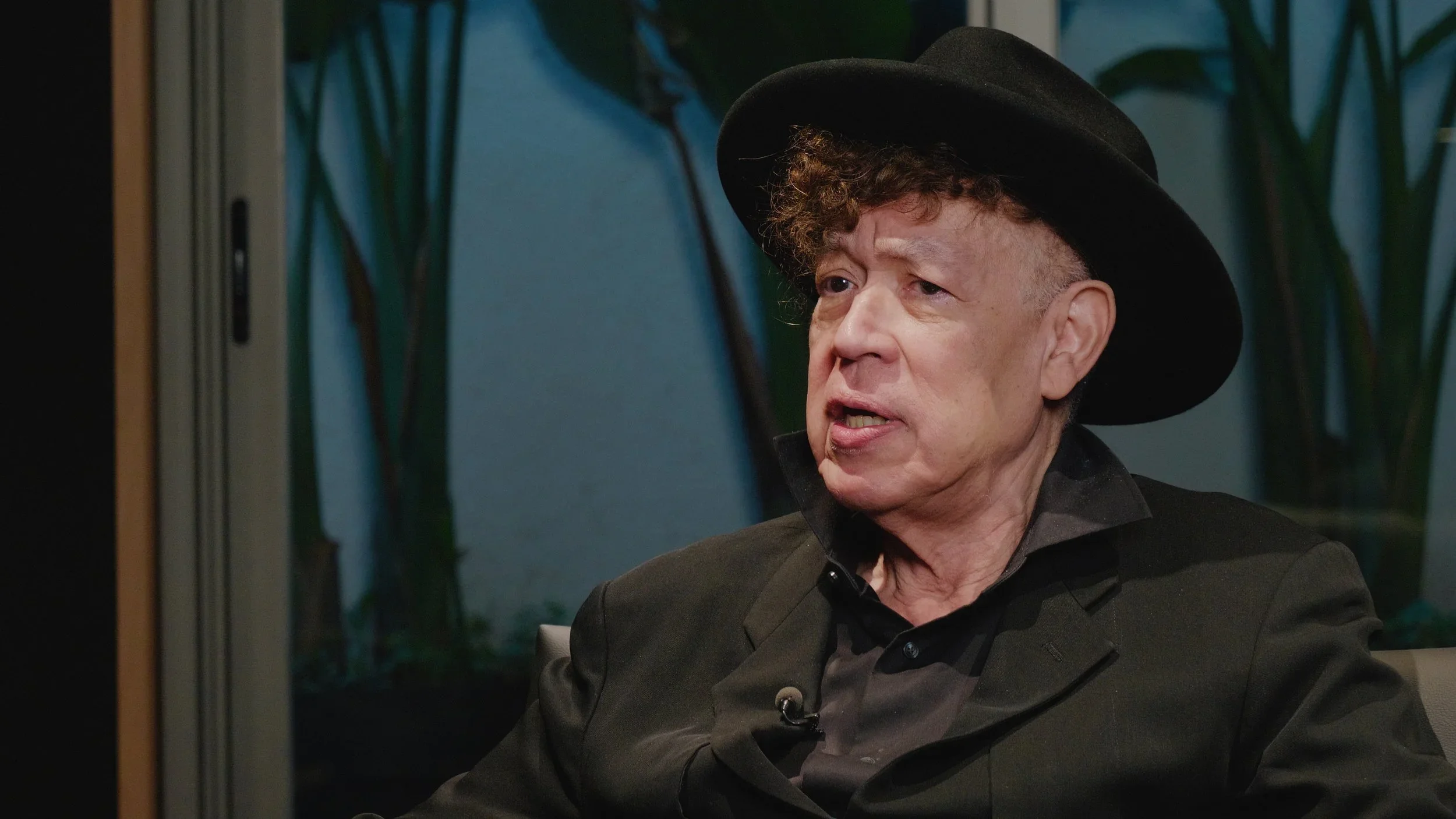
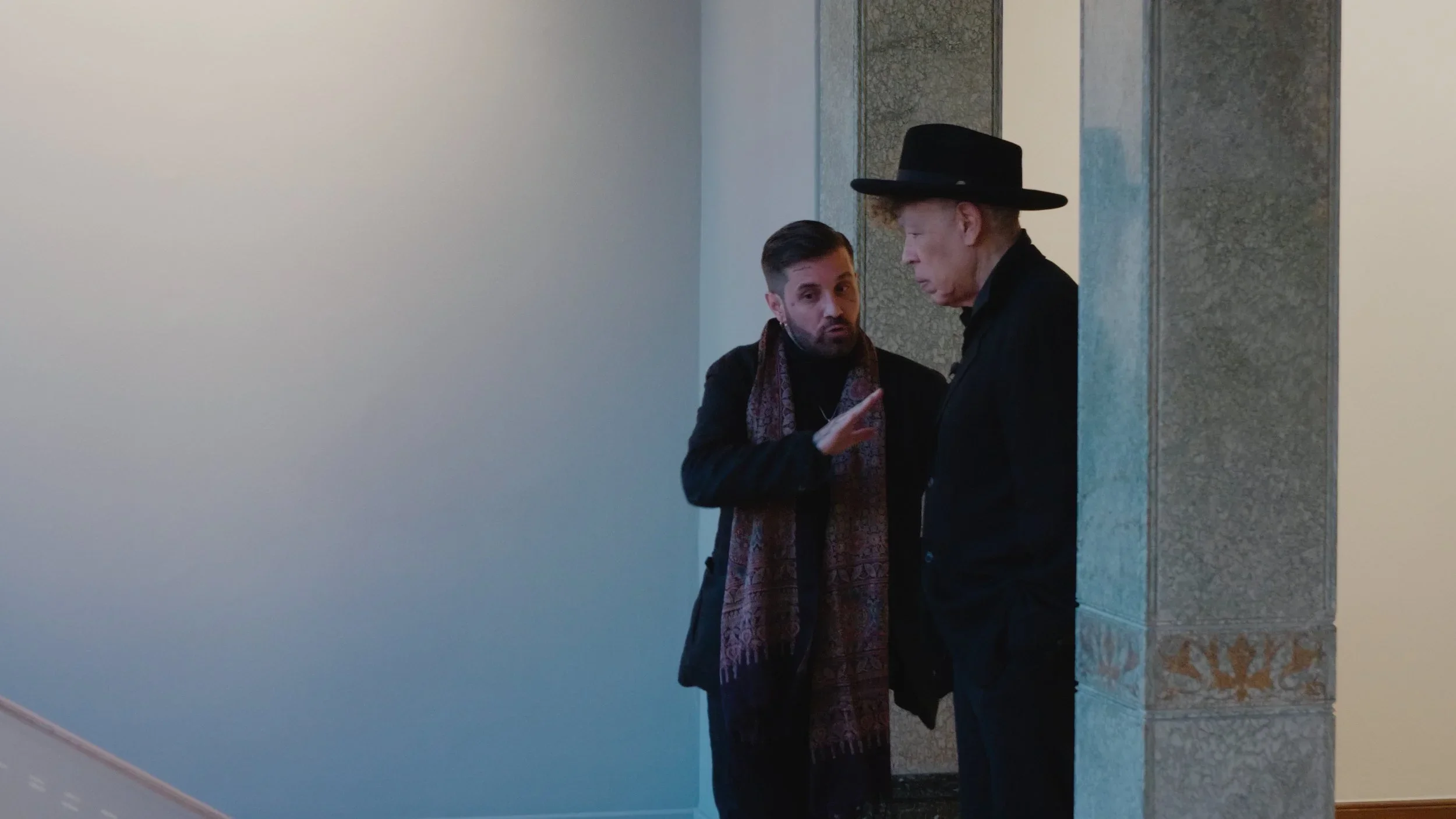
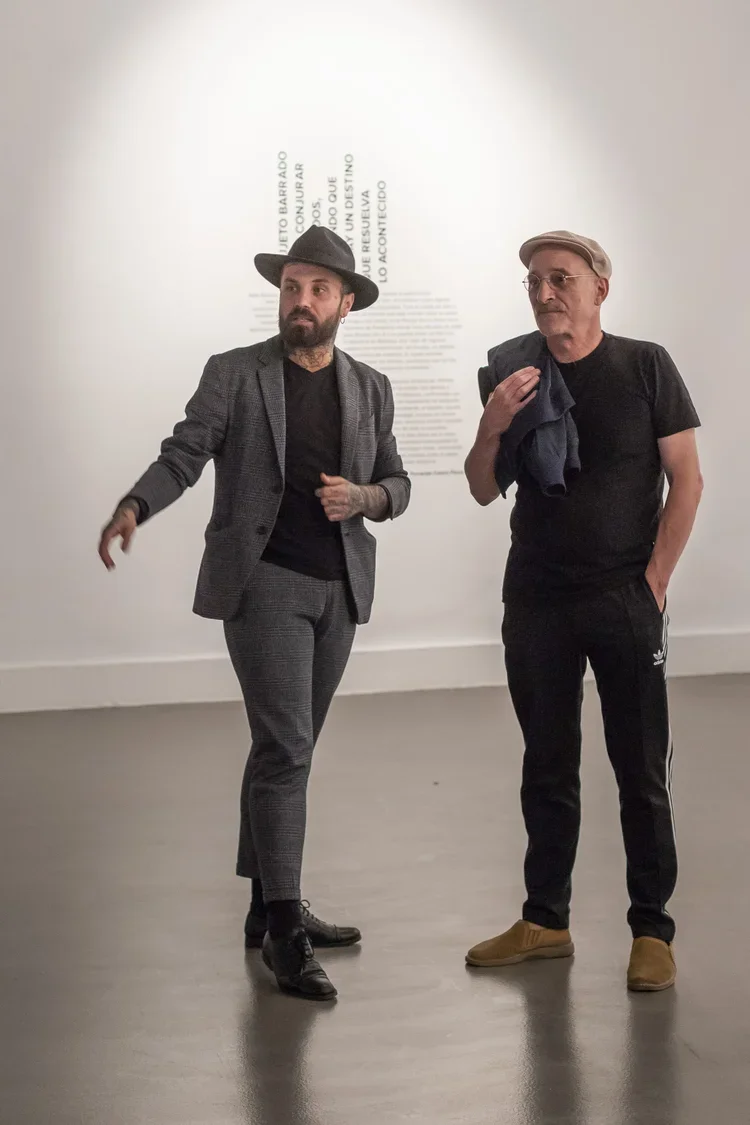
Talk to Me About Your Mother is a video performance in which Abel Azcona interviews major male figures from the contemporary art world. However, the conversations deliberately move away from their artistic careers, recognition, and status as masters, focusing exclusively on the maternal figure. Azcona asks and speaks with each artist about their own mother: her history, her presence, her absence, the care they received, and the relationship they maintained with her. In this way, the work shifts the public gaze from the artist towards an intimate and familial dimension, revealing what usually remains outside traditional narratives of genius, virtuosity, and artistic authority. The piece transforms the interview into a space of de-hierarchisation and attentive listening. In place of the celebrated artist, the son emerges; and behind the public figure, the mother appears as origin, memory, and a determining presence. The project thus questions traditional accounts of art history and proposes an affective genealogy constructed through motherhood.
Háblame de tu madre
Año: 2027–2028
Artista: Abel Azcona
Tipo de obra: Videoperformance y entrevista
Lugar: Madrid y Ciudad de México
Artistas: Santiago Sierra, Miquel Barceló, Antonio López, Francis Alÿs, Andrés Serrano, Ai Weiwei, Maurizio Cattelan y otros artistas invitados.
Háblame de tu madre es una pieza de videoperformance en la que Abel Azcona entrevista a grandes figuras masculinas del arte contemporáneo. Sin embargo, las conversaciones se alejan deliberadamente de su trayectoria artística, de su reconocimiento y de su condición de maestros para centrarse exclusivamente en la figura materna. Azcona pregunta y dialoga con cada creador sobre su propia madre: su historia, su presencia, su ausencia, los cuidados recibidos y la relación que mantuvieron con ella. De este modo, la obra desplaza la mirada pública del artista hacia una dimensión íntima y familiar, mostrando aquello que normalmente queda fuera de los discursos sobre la genialidad, el virtuosismo y la autoridad artística. La pieza convierte la entrevista en un espacio de desjerarquización y escucha. Frente al artista consagrado aparece el hijo, y frente a la figura pública emerge la madre como origen, memoria y presencia determinante. El proyecto cuestiona así los relatos tradicionales de la historia del arte y propone una genealogía afectiva construida desde la maternidad.