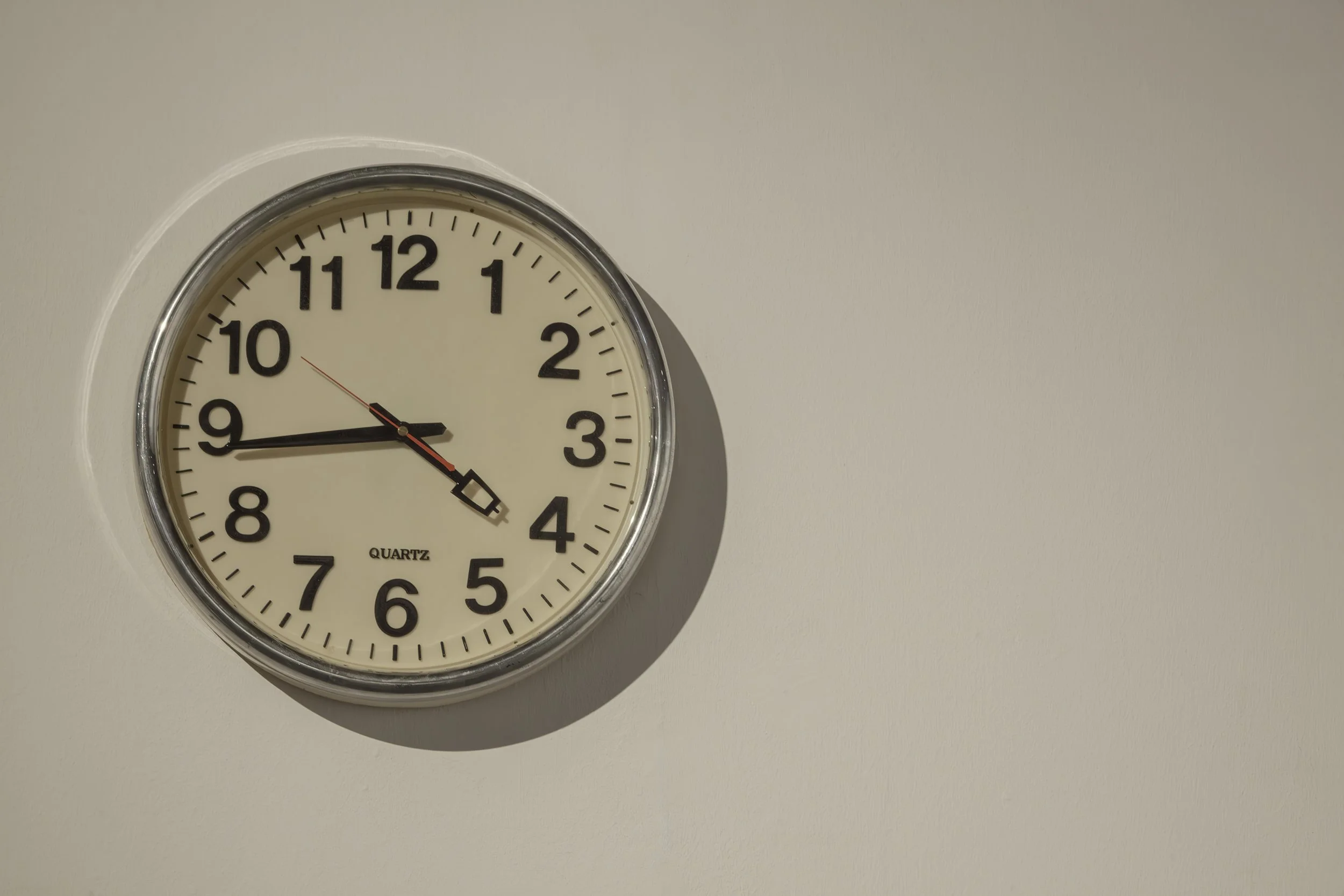
The Hour I Was Born (1988–2024)
Object, appropriation, installation and performance.
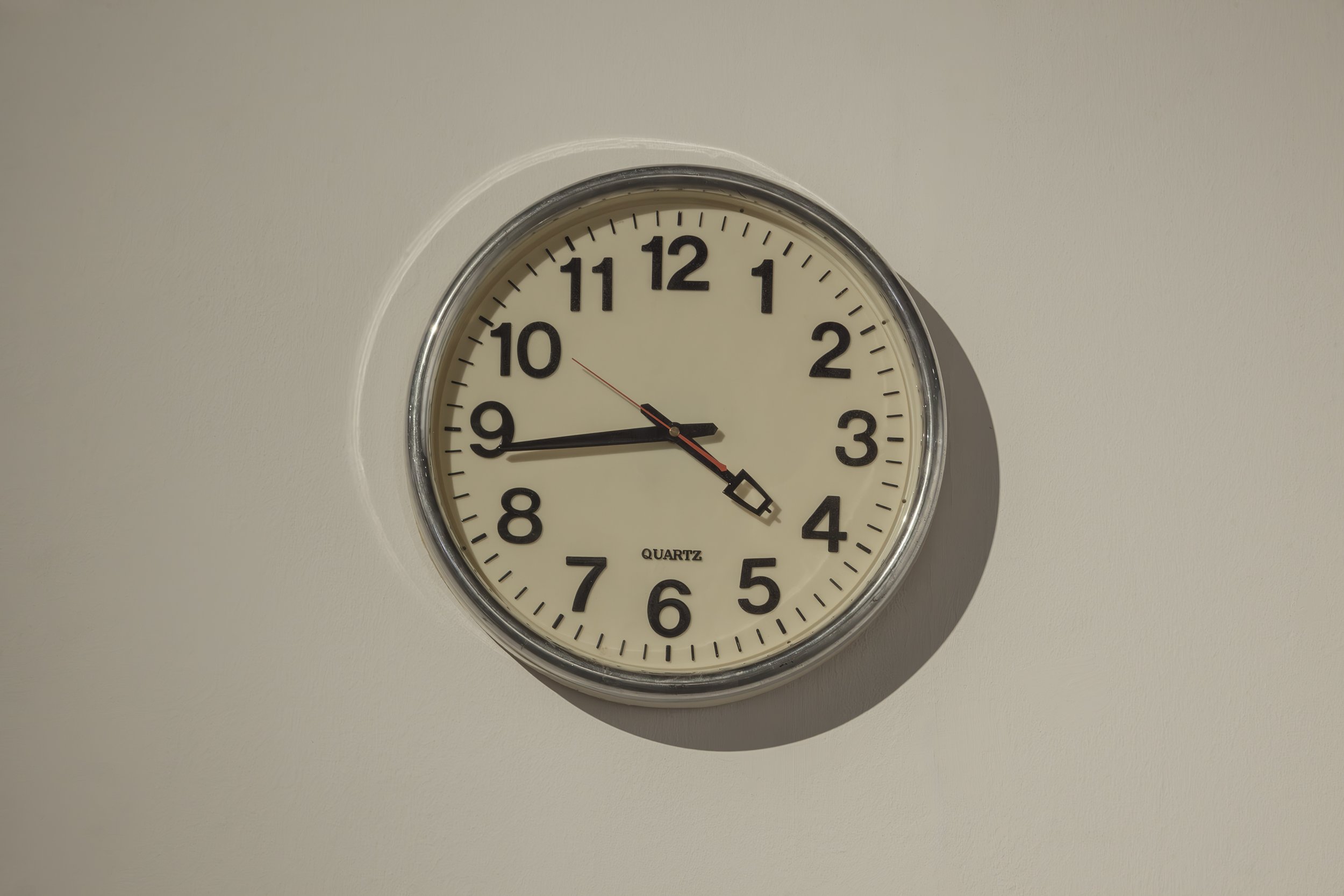
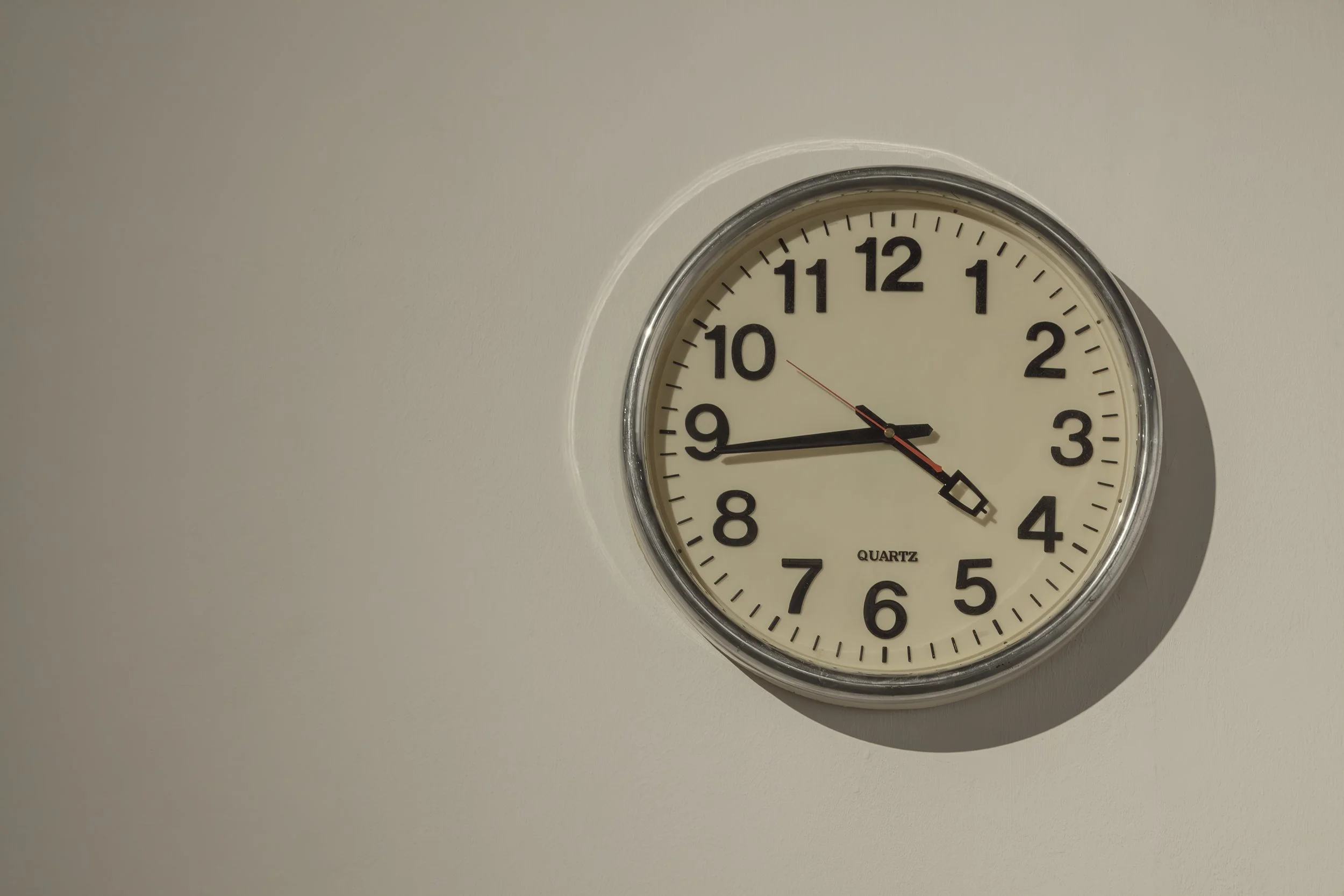
The Hour I Was Born revolves around an appropriated object: the clock that presided over the waiting room of the Montesa Maternity Clinic in Madrid, where Abel Azcona was born. Run by Carmelite Teresian nuns and primarily serving women at risk of social exclusion and women involved in prostitution, the clinic has also been linked to investigations into the theft and trafficking of children during and after the Franco regime. In September 2024, Azcona returned to the maternity clinic and appropriated the clock through an act of removal. In a second performance, he intervened in its mechanism and subjected it to fire, permanently stopping it at 4:45 p.m.—the exact time recorded on his birth certificate. The work was activated at the former Montesa Clinic in Madrid and concluded on 11 October 2024 at the Centro Párraga–Cuartel de Artillería in Murcia. The work is dated 1988–2024. Its year of birth constitutes its conceptual and discursive trigger: the moment when a body was brought into life without the possibility of choosing. Azcona was born on 1 April 1988, following an unwanted pregnancy. From this event, the work addresses the obligation to be born and to give birth, abandonment, institutional violence, Catholic heritage, and the systems through which bodies are appropriated, controlled and dispossessed. The clock ceases to measure time and becomes material evidence of that instant. By stopping it at the time of his birth, Azcona transforms an everyday mechanism into an object of confrontation: an image of the moment when he was thrust into life.
La hora en que nací (1988–2024)
Objeto, apropiación, instalación y performance.
La hora en que nací se articula en torno a un objeto apropiado: el reloj que presidía la sala de espera de la Maternidad de Montesa, en Madrid, lugar donde nació Abel Azcona. La clínica, regentada por religiosas Carmelitas Teresianas y destinada principalmente a mujeres en situación de exclusión social y prostitución, aparece además vinculada a las investigaciones sobre el robo y el tráfico de niños durante el franquismo y el posfranquismo. En septiembre de 2024, Azcona regresó a la maternidad y sustrajo el reloj mediante una acción de apropiación. En una segunda performance intervino su maquinaria y la sometió al fuego, deteniéndola de manera permanente en las 16:45 horas, la hora exacta que figura en su partida de nacimiento. La pieza se activó en la antigua Clínica Montesa de Madrid y concluyó el 11 de octubre de 2024 en el Centro Párraga–Cuartel de Artillería de Murcia.La obra está fechada entre 1988 y 2024. El año de nacimiento constituye su detonante conceptual y discursivo: el momento en que un cuerpo fue introducido en la vida sin posibilidad de elección. Azcona nació el 1 de abril de 1988, fruto de un embarazo no deseado. Desde ese acontecimiento, la pieza aborda la obligatoriedad de nacer y de parir, el abandono, la violencia institucional, la herencia católica y los sistemas de apropiación, control y desposesión de los cuerpos. El reloj deja de medir el tiempo para convertirse en una evidencia material de aquel instante. Al detenerlo en la hora de su nacimiento, Azcona transforma un mecanismo cotidiano en un objeto de confrontación: una imagen del momento en que fue precipitado a la vida.
Abel Azcona steals the clock from the maternity clinic where he was born and runs away with it. / Abel Azcona roba el reloj de la maternidad donde nació y huye con él.


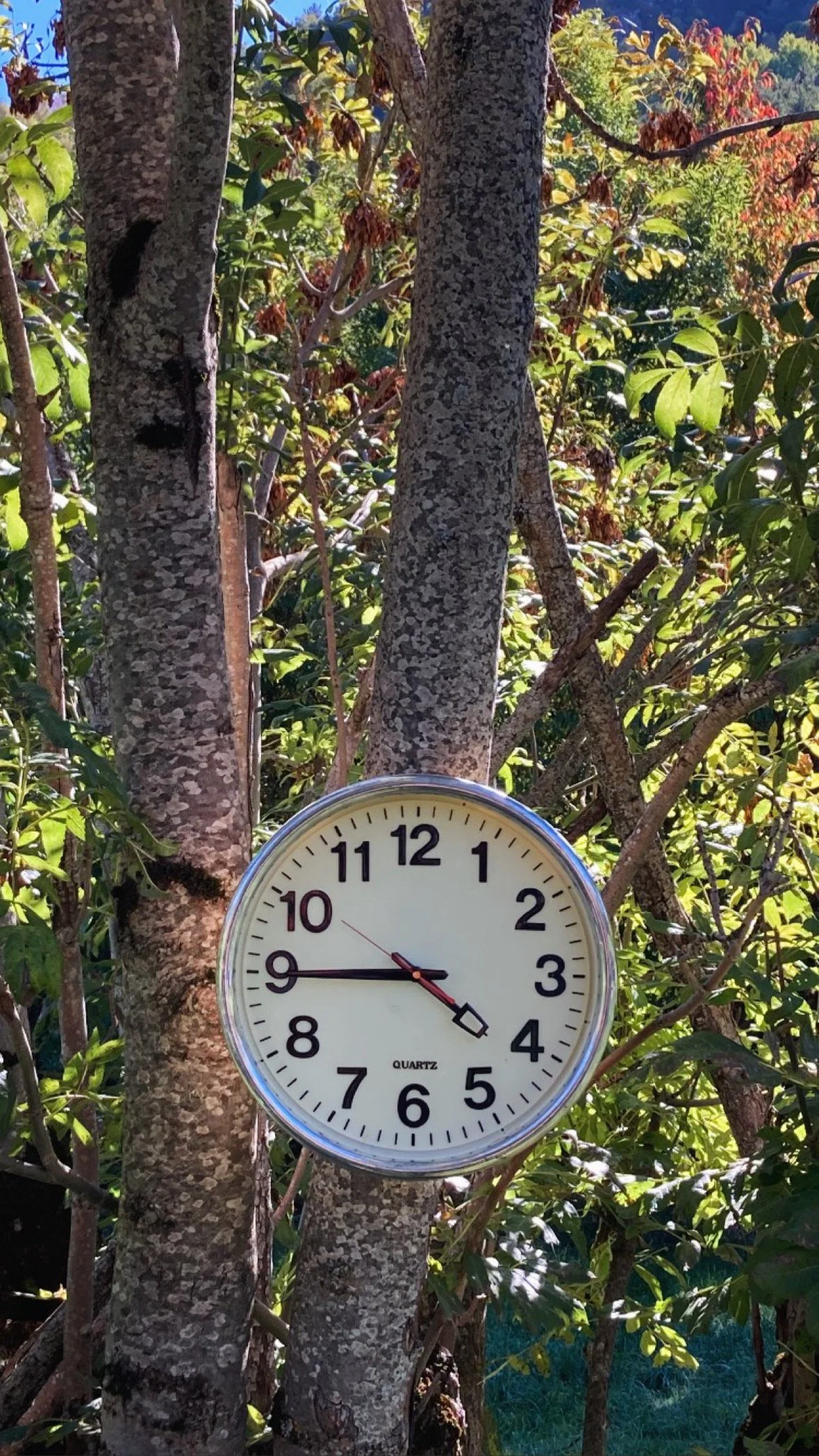
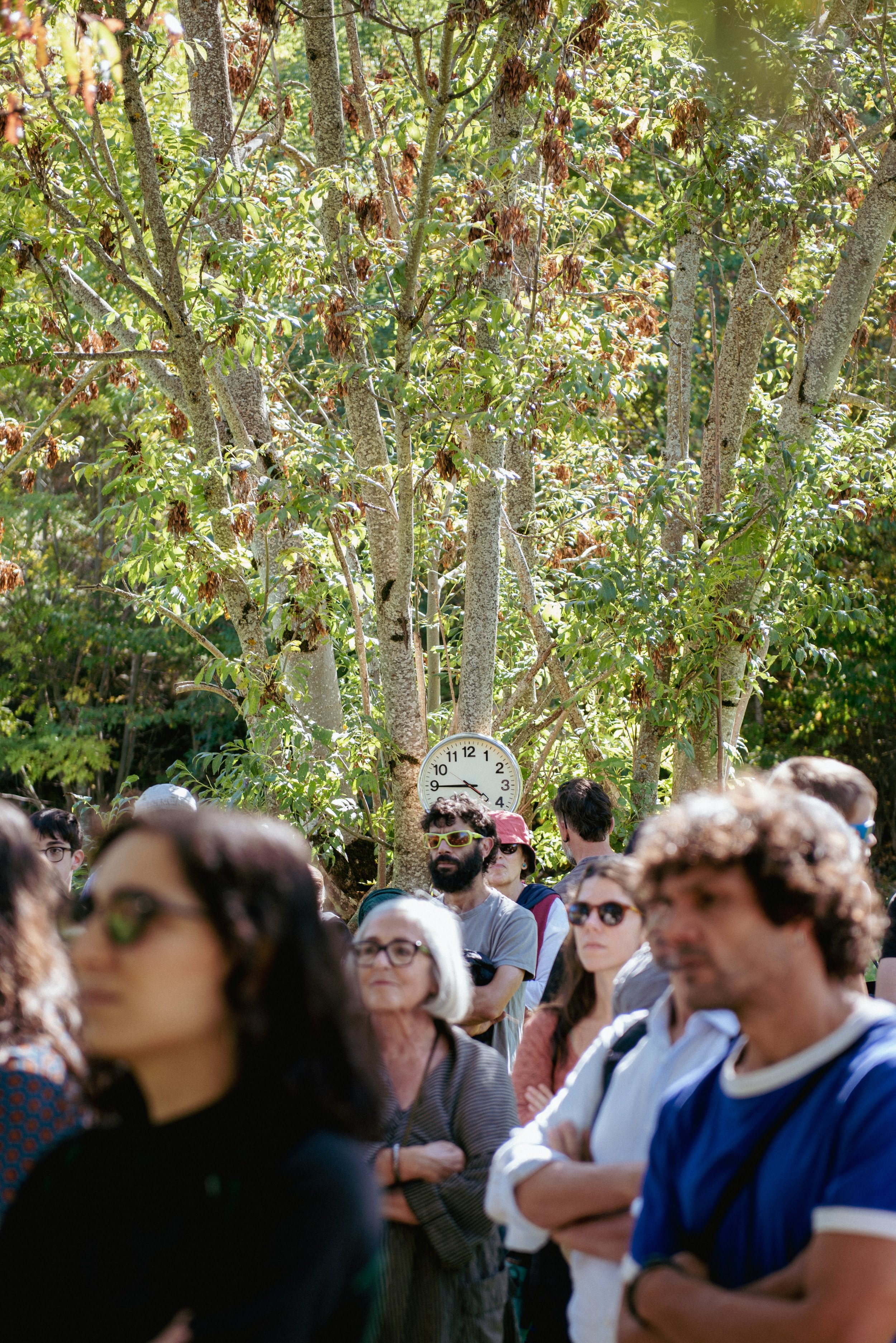


In September 2024, The Hour I Was Born was activated at the Clínica Montesa in Madrid and concluded on October 11 at the Artillery Barracks in Murcia. Since it is a piece centered on the compulsion of being born—and more specifically on the hour recorded on the clinic’s birth registry where the delivery took place—the work is dated to 1988, the moment that served as its discursive trigger or activating event.


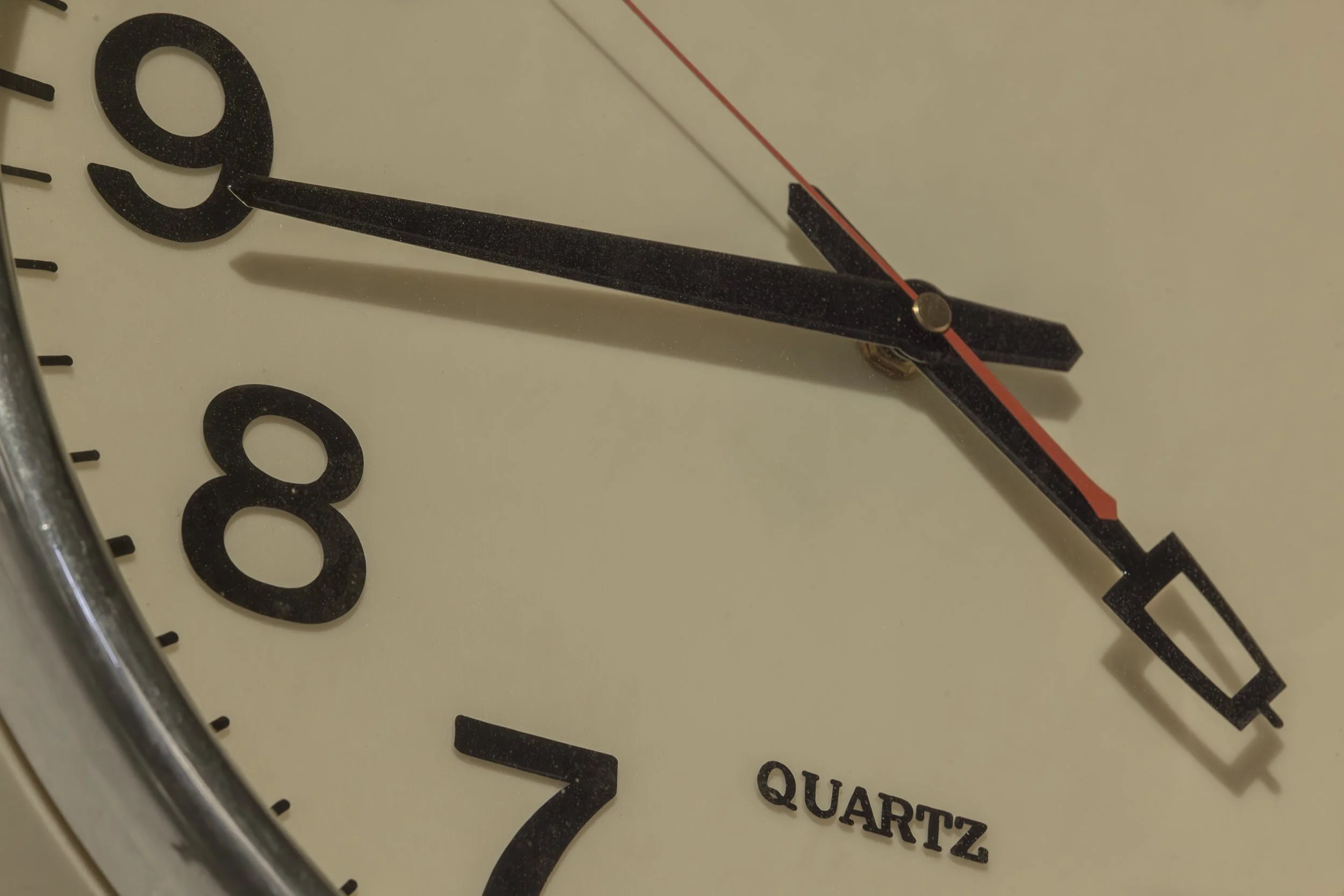
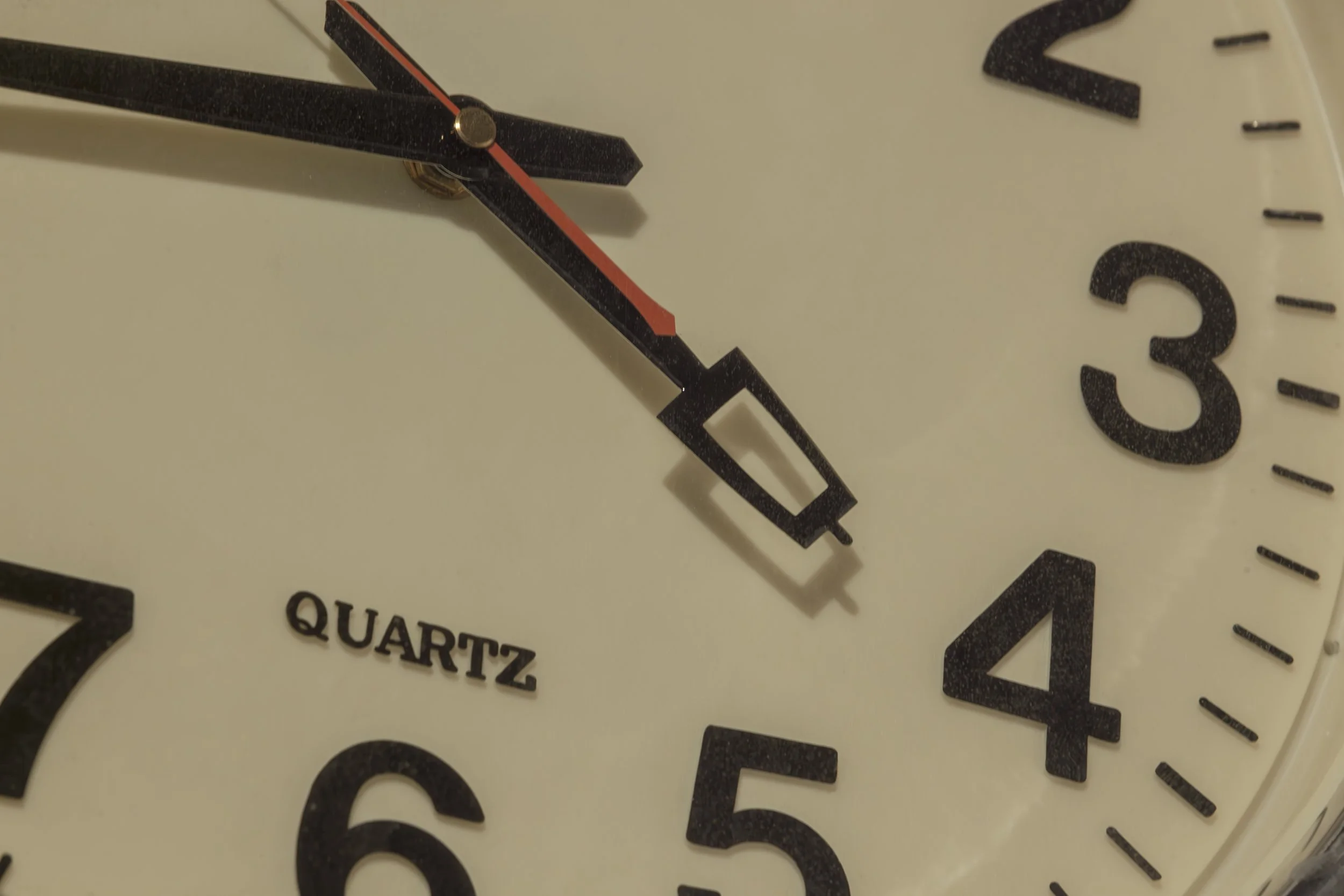
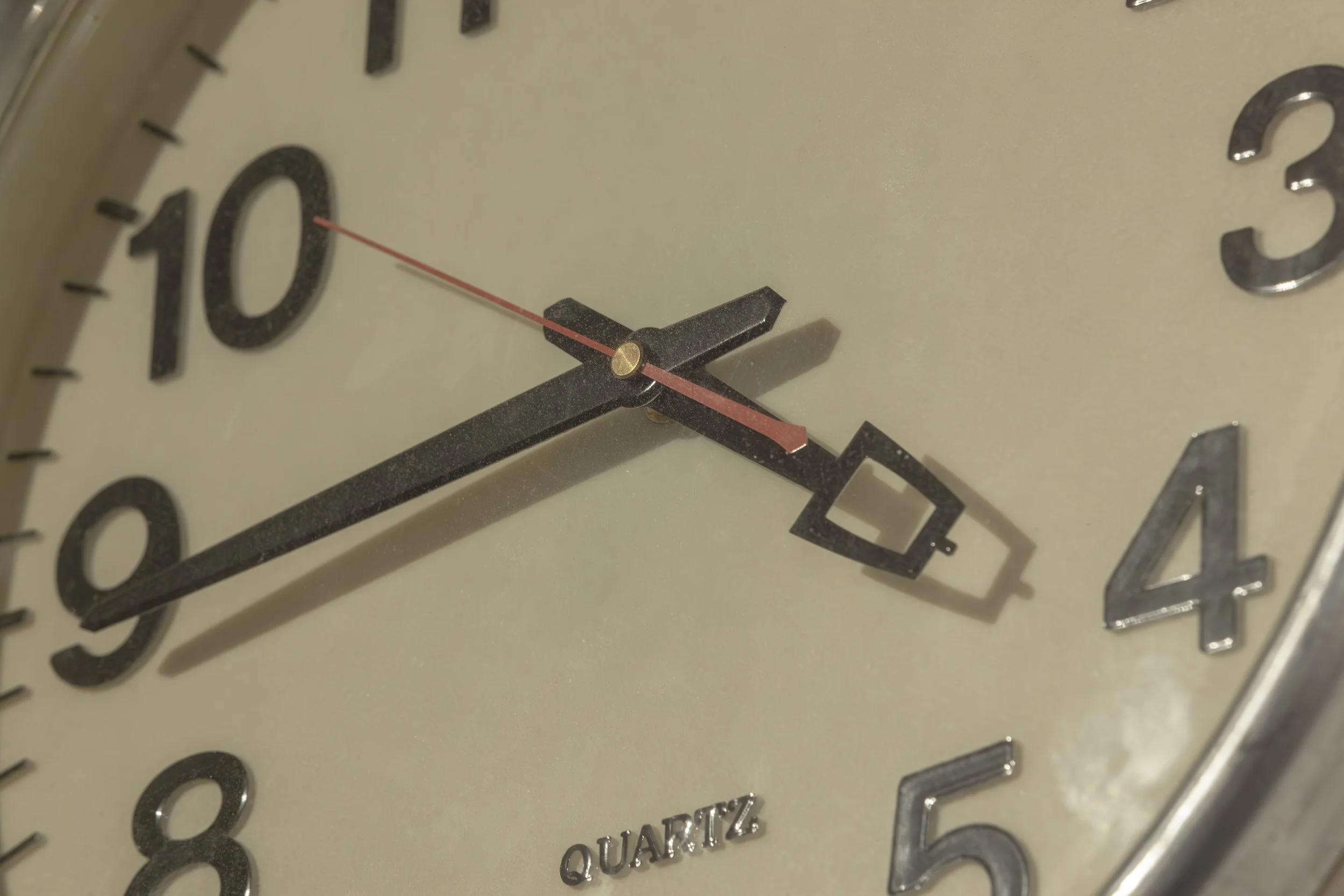
The piece, after two performance activations, has been exhibited as an installation in exhibitions such as *The Role of the Family* at the Artillery Barracks in Murcia (Spain). / La pieza tras las dos activaciones de performance ha sido expuesta como instalación en exposiciones como el Papel de la familia en Cuartel de Artillería en Murcia (España). Madrid Activation Photography: Joel Codina. Madrid Activation Assistant: Victoria Cámara.