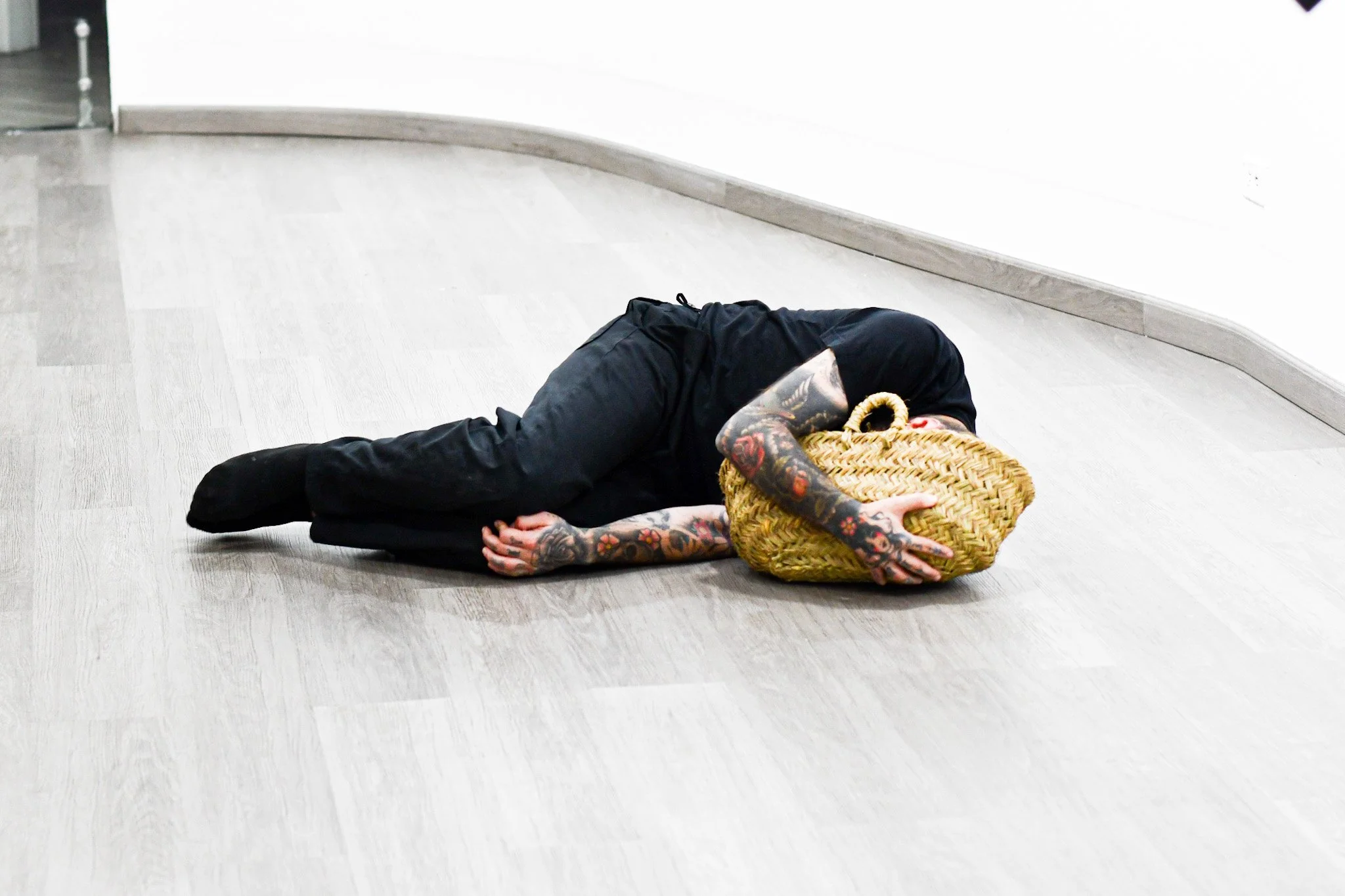
A Monument to Abandonment (2025)
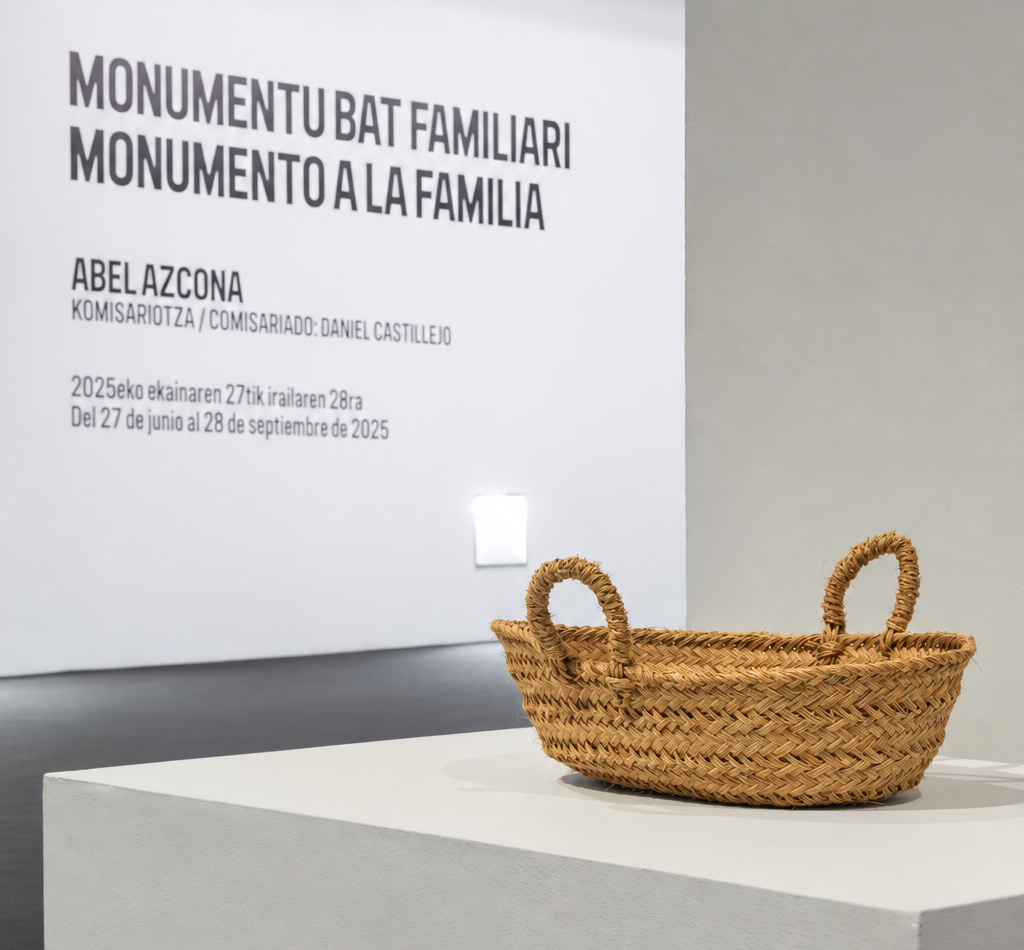
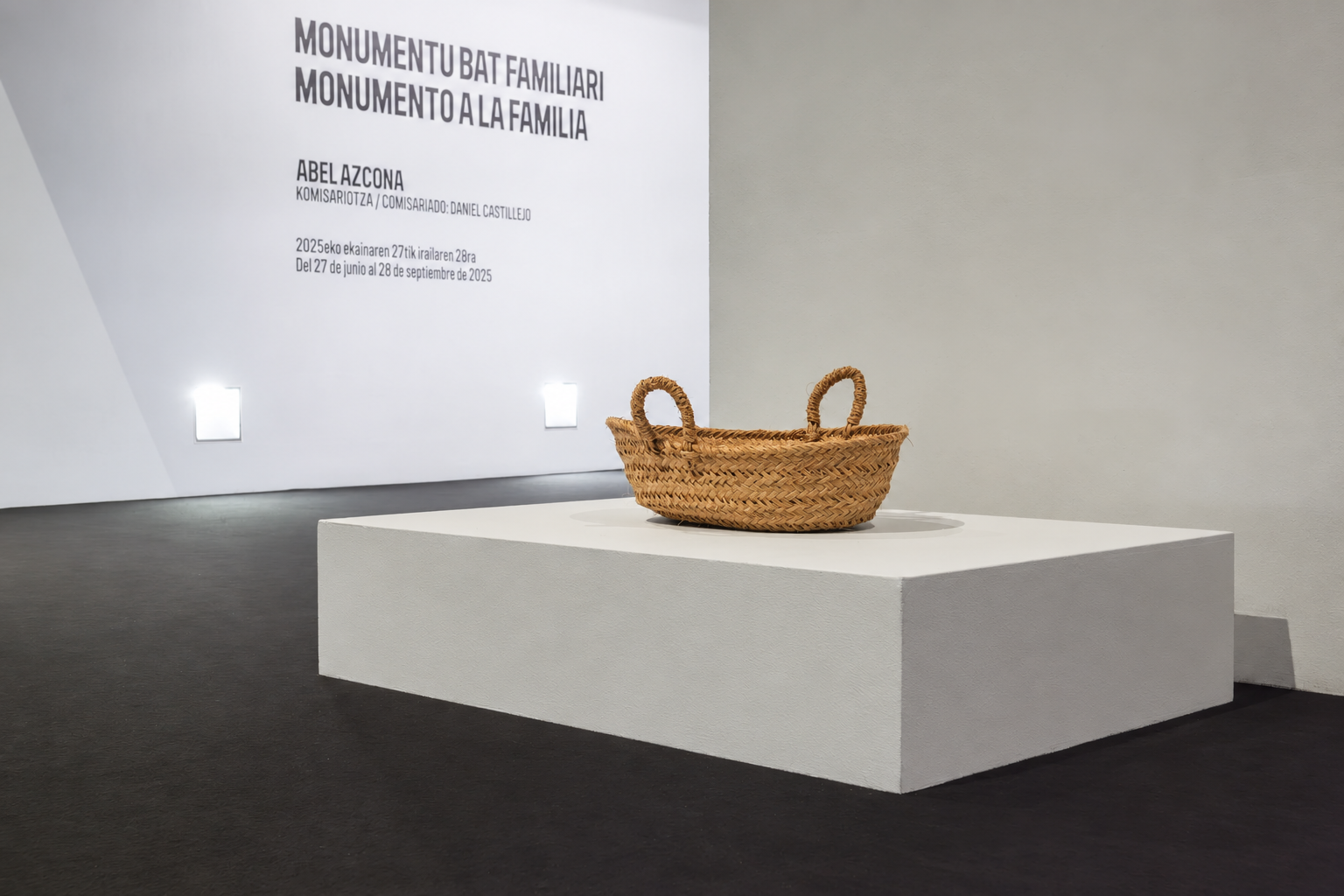
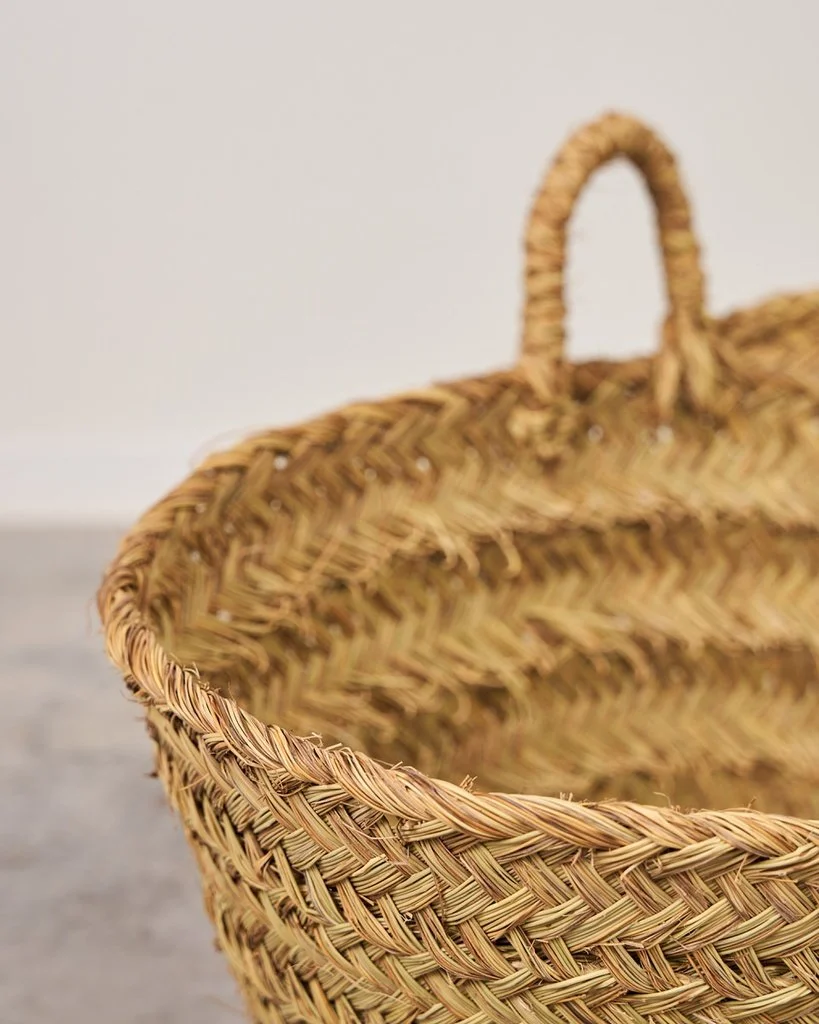
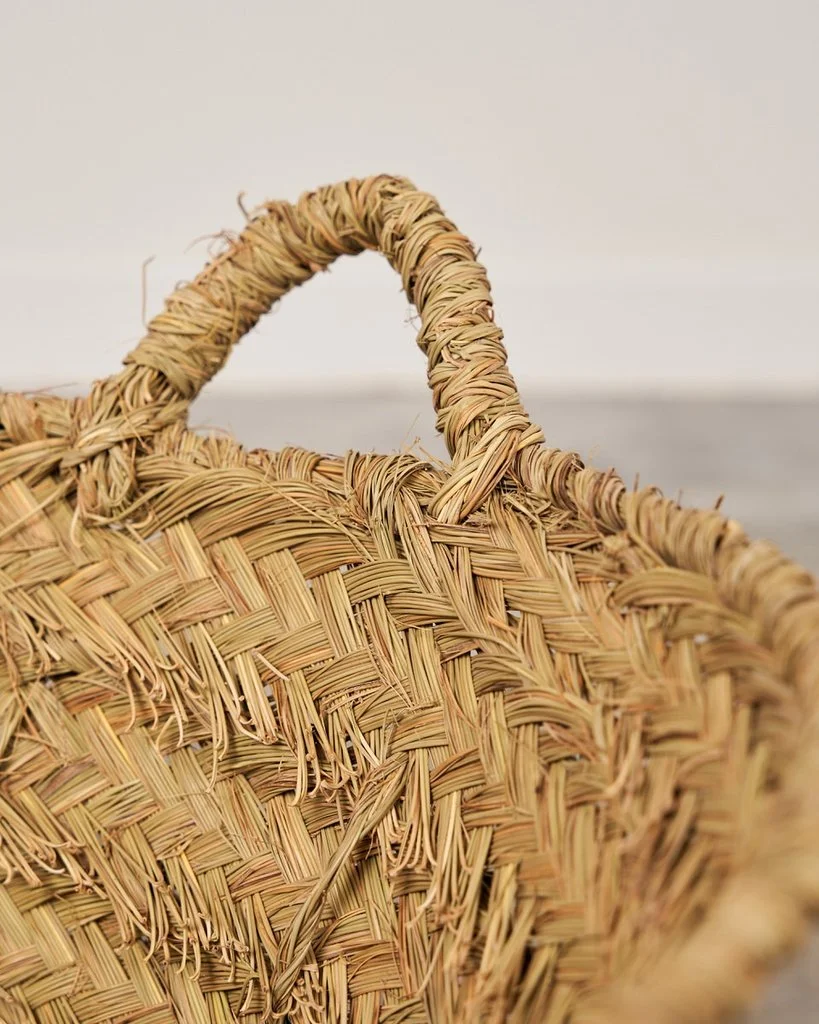
Performative installation and object. A work woven in Madrid from esparto grass, a plant fibre historically associated with everyday life, rural labour and traditional basketry in Spain. For centuries, esparto has been used to make baskets, hampers, mats, ropes and other domestic objects through techniques passed down from generation to generation. Basketry is therefore a form of manual and communal knowledge in which weaving transforms a humble, flexible material into an object capable of containing, carrying and protecting. The piece was made by the artist during a performance following the reappearance of the mother who abandoned him. The esparto, sourced from Madrid—the same city where his birth and abandonment took place—turns the basket into a vessel for memory and woundedness. A Monument to Abandonment addresses the experience of abandonment suffered by the artist and poses a question: where does the wound remain when the person who caused it reappears? The work also engages with the historical and working-class dimension of esparto in Spain: a material culture sustained by numerous trades—including basket makers, hamper makers, spinners, rope makers and braiders—now recognised as part of Spain’s intangible cultural heritage.
Un monumento al abandono (2025)
Instalación performativa y objeto. Obra trenzada en Madrid con esparto, una fibra vegetal vinculada históricamente a la vida cotidiana, al trabajo rural y a la cestería tradicional en España. Durante siglos, el esparto se ha utilizado para elaborar cestas, capazos, esteras, cordeles y otros objetos de uso doméstico, mediante técnicas transmitidas de generación en generación. La cestería constituye así una forma de conocimiento manual y comunitario en la que tejer implica transformar una materia humilde y flexible en un objeto capaz de contener, transportar y proteger. La pieza fue realizada por el artista en una performance acontecida tras la reaparición de la madre que le abandonó. El esparto, procedente de Madrid —la misma ciudad del nacimiento y del abandono—, convierte la cesta en un receptáculo de memoria y herida. Un monumento al abandono incide en la experiencia del abandono sufrido por el artista y plantea una pregunta: ¿dónde queda la herida cuando aquello que la originó reaparece? La obra también se sitúa frente a la dimensión histórica y obrera del esparto en España: una cultura material sostenida por numerosos oficios —cesteros, capacheros, hiladores, sogueros y pleiteras, entre otros— y hoy reconocida como parte del patrimonio cultural inmaterial.