In 2023, various Spanish associations and organizations reached out to Azcona regarding the theft of children during the Francoist and post-Francoist periods. Since these are two key themes in the artist’s work—violence and childhood—Azcona committed to developing a series of new pieces in collaboration with them. Between 2023 and 2025, he completed all works related to his personal history, family, abandonment, and other forms of violence. It was in 2025, however, that he began a series of performances addressing the theft of children, working closely with many of the protagonists—both children and mothers—of one of the most violent and forgotten episodes in Spain’s history.
Stealing a baby should not be easy, yet in Spain it occurred with impunity between 1940 and 1990. The latest report from the Ombudsman estimates that at least 1,414 cases related to child theft are currently open in the courts. According to the victims, during that half-century, stealing children was surprisingly simple for nuns, priests, and others involved in baby trafficking. The most commonly used strategy was to sedate the mothers and later tell them that their children had been stillborn.
En el año 2023, contactan con Azcona diferentes asociaciones y organizaciones españolas en torno al robo de niños durante el franquismo y el postfranquismo. Al ser dos temas claves en la obra del artista: violencia e infancia, Azcona se compromete a desarrollar una serie de nuevas piezas junto a ellos. En el año 2023, 2024 y 2025 Azcona concluye todas las obras en torno a su historia personal, familia, abandono y otras violencias. Por lo que es en el año 2025 donde inicia diferentes performances en torno al robo de niños junto a muchos de los protagonistas, tanto hijos como madres, de uno de los episodios más violentos y olvidados de la historia de España.
Robar un bebé no debería ser algo fácil, pero en España ocurrió impunemente entre 1940 y 1990. El último informe del Defensor del Pueblo estima que hay al menos 1.414 casos abiertos en los tribunales relacionados con el robo de niños. Según informan las víctimas, durante ese medio siglo robar niños resultó muy simple para monjas, curas y otros que quisieran traficar con bebés. La estrategia más usada era sedar a las madres y decirles posteriormente que sus hijos habían nacido muertos.
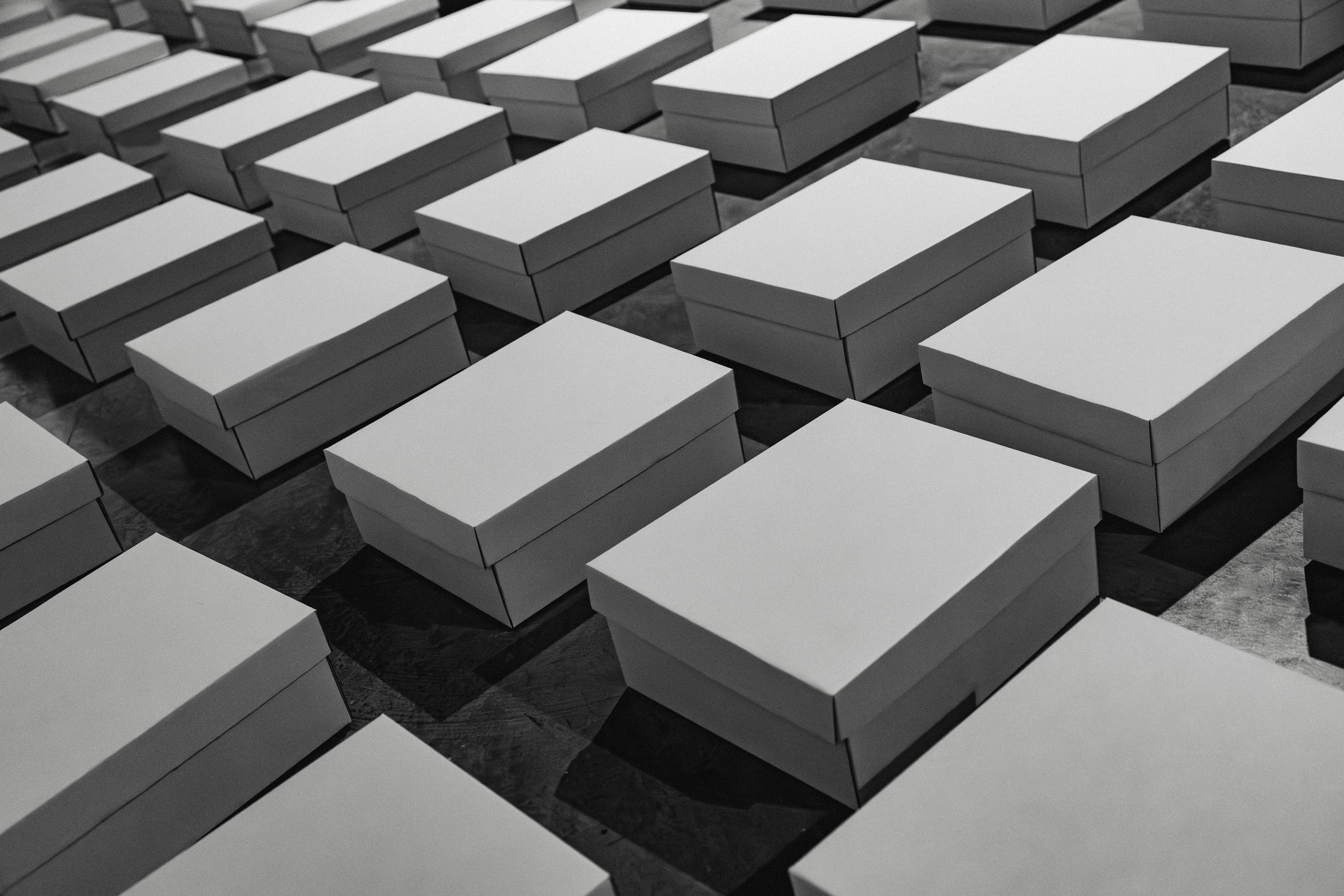
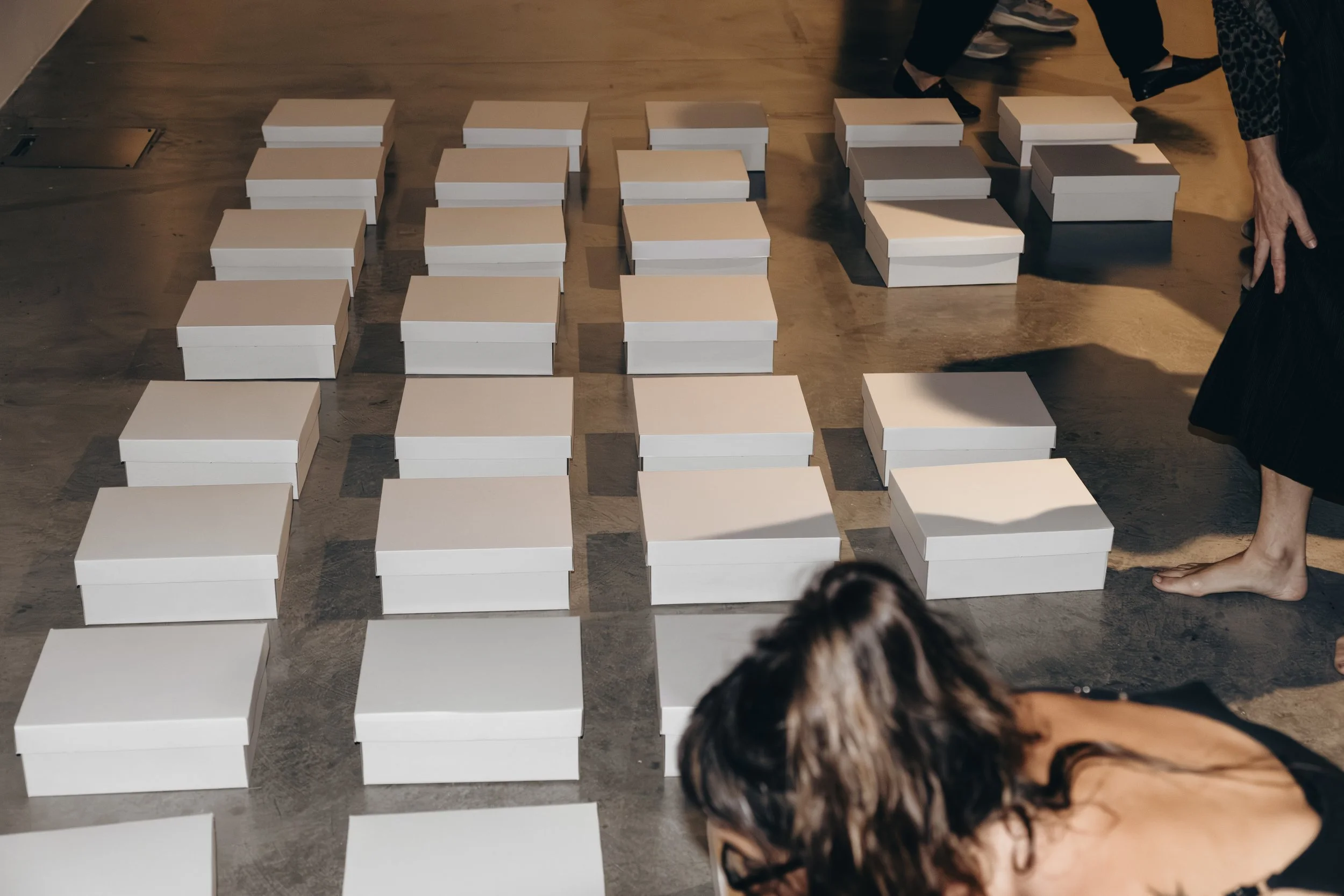
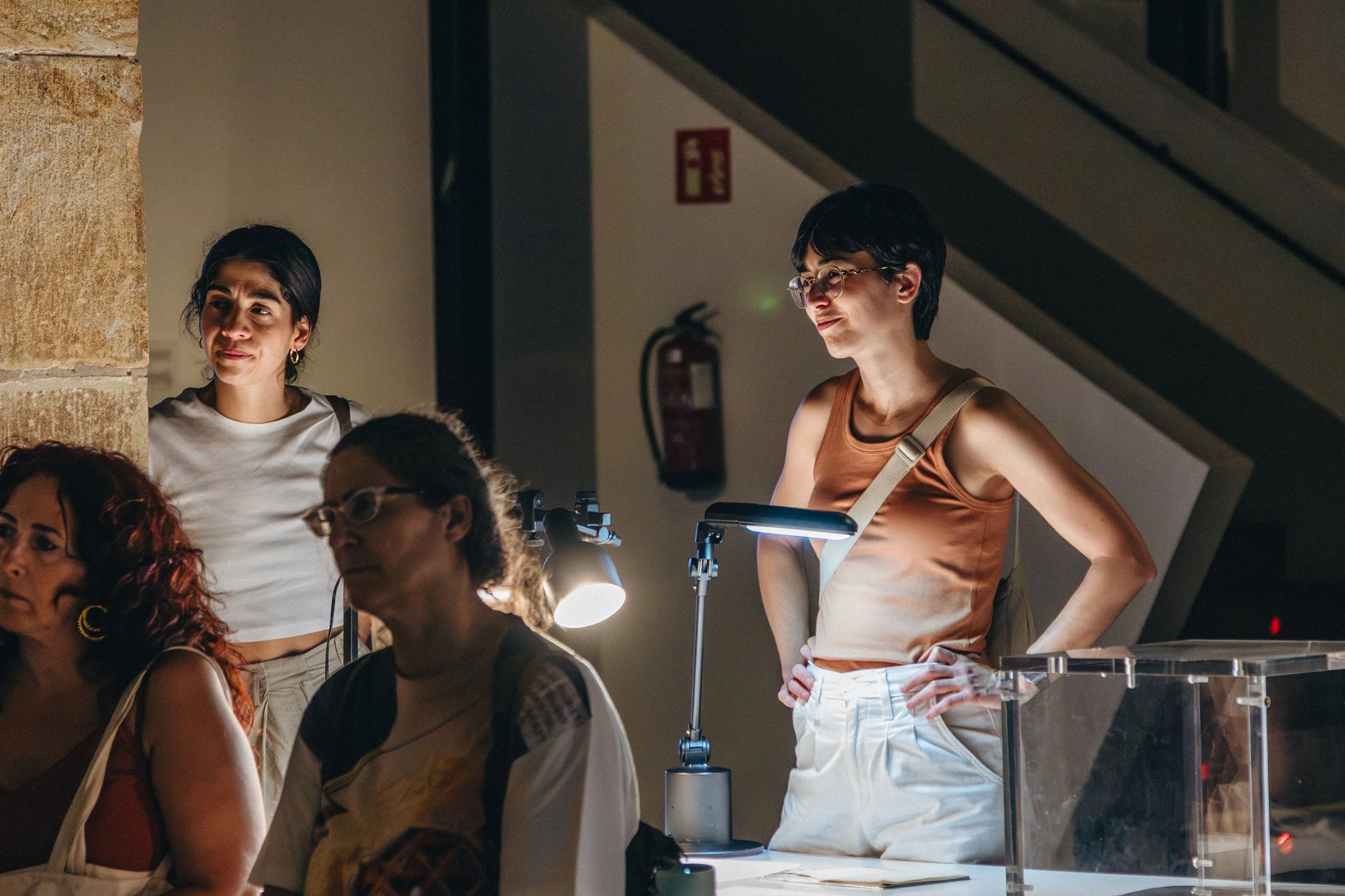
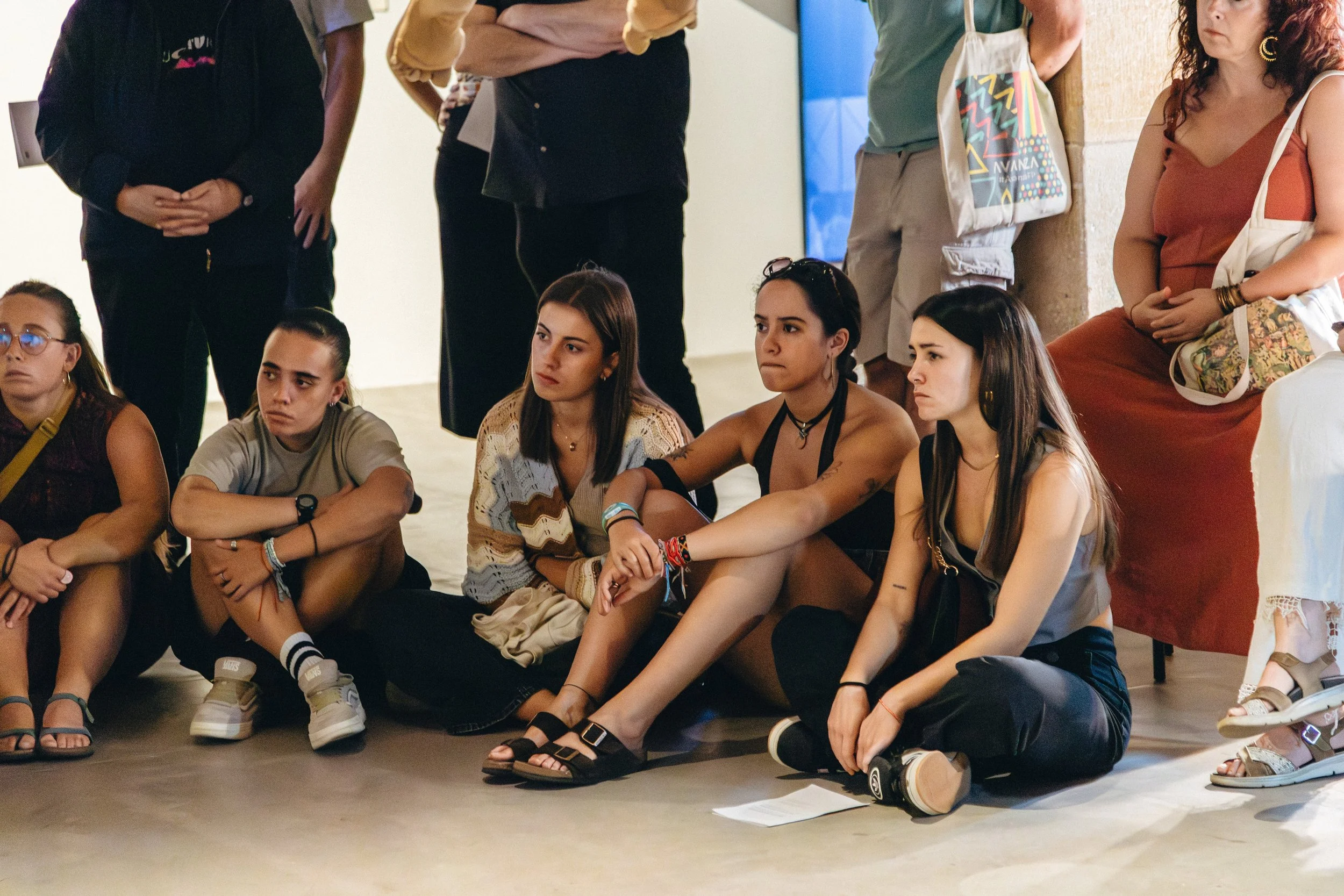
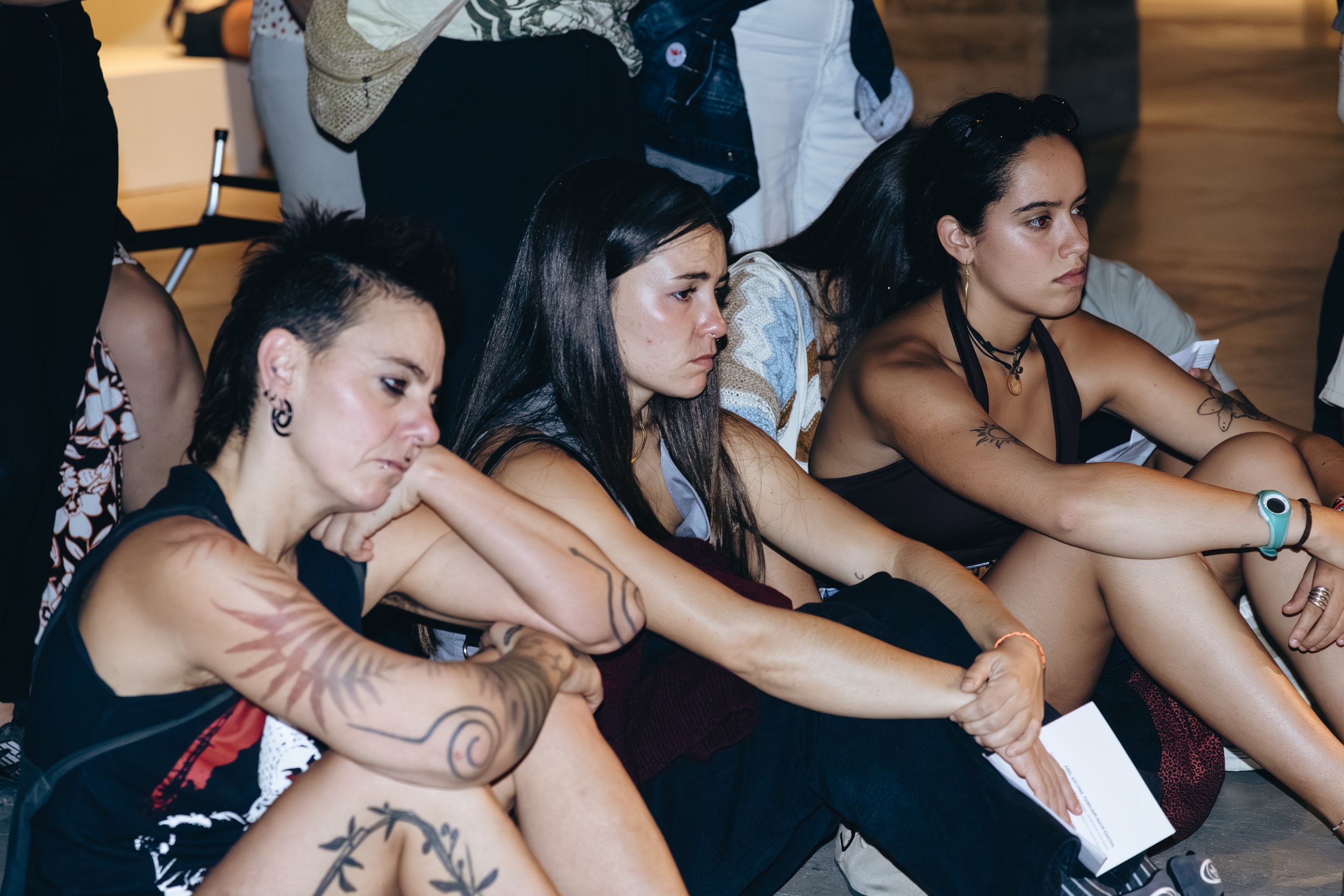
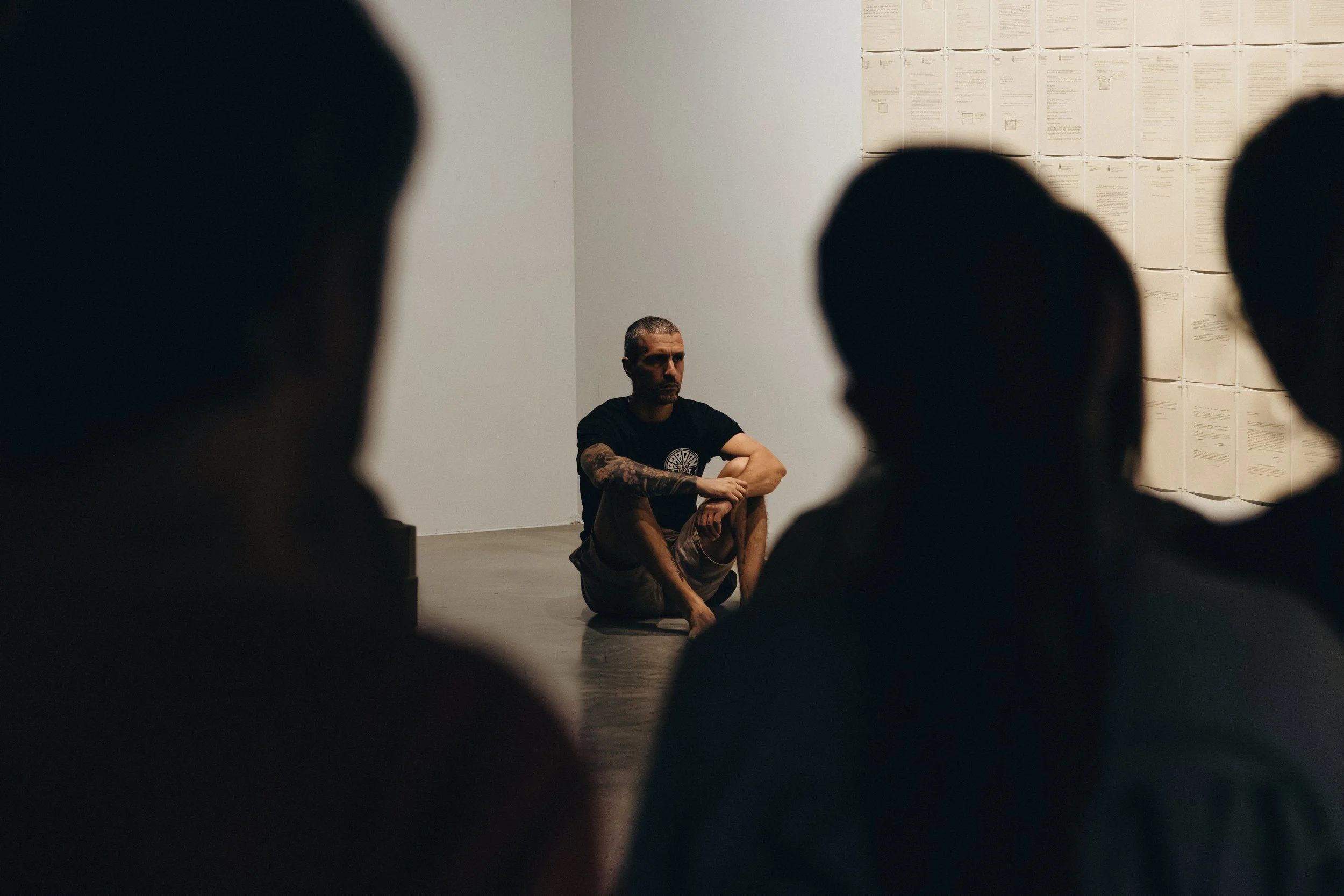
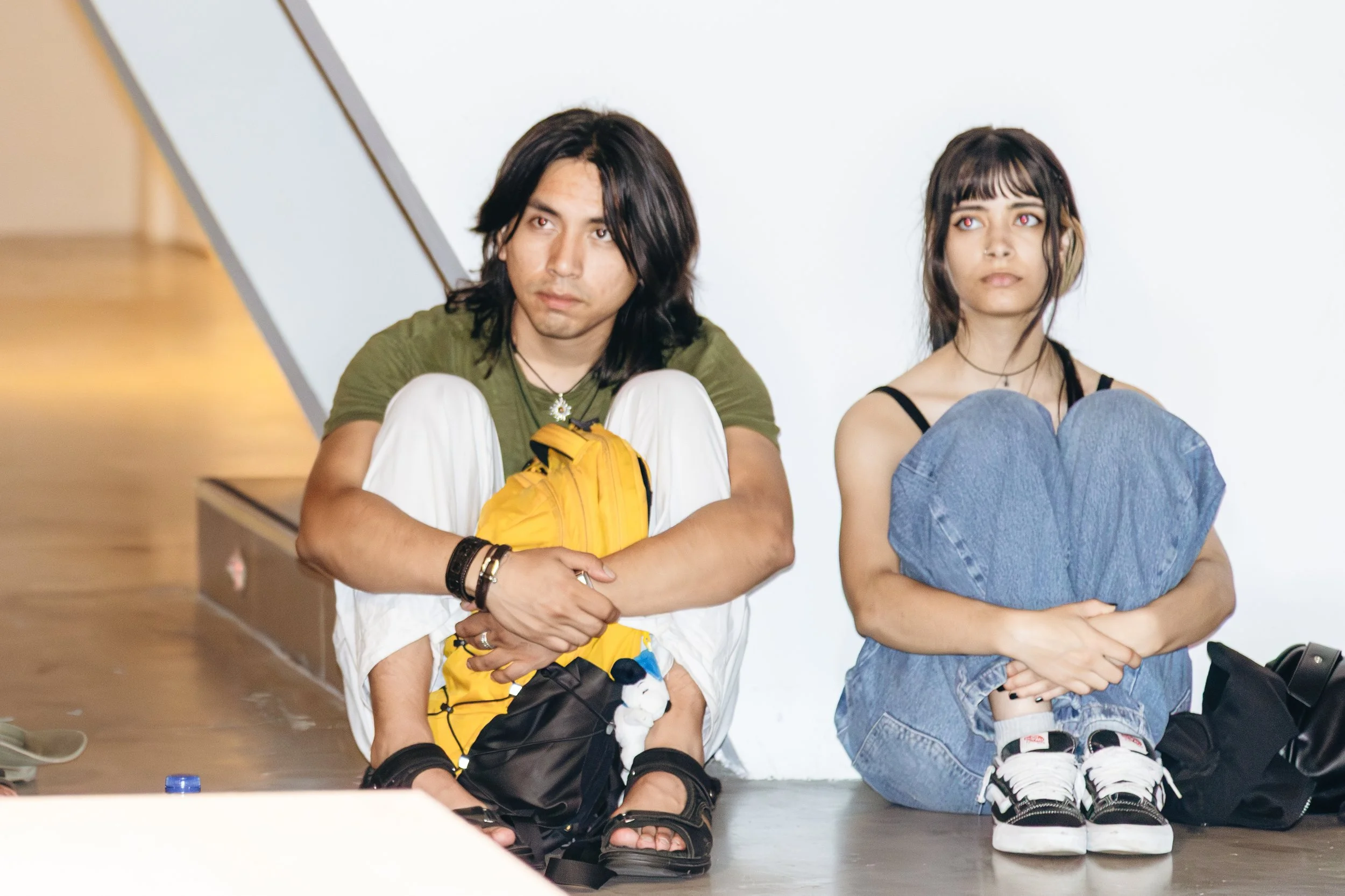
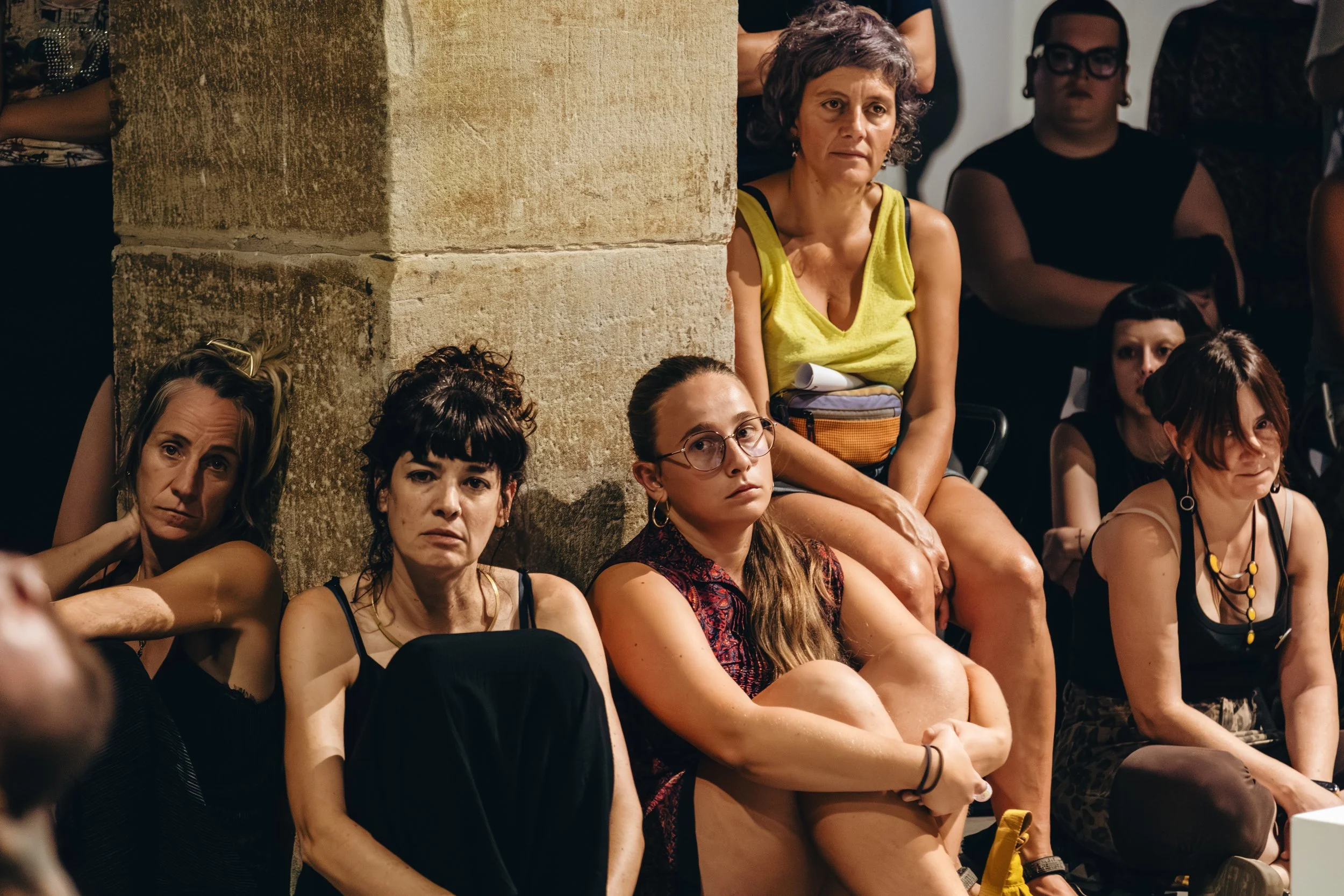
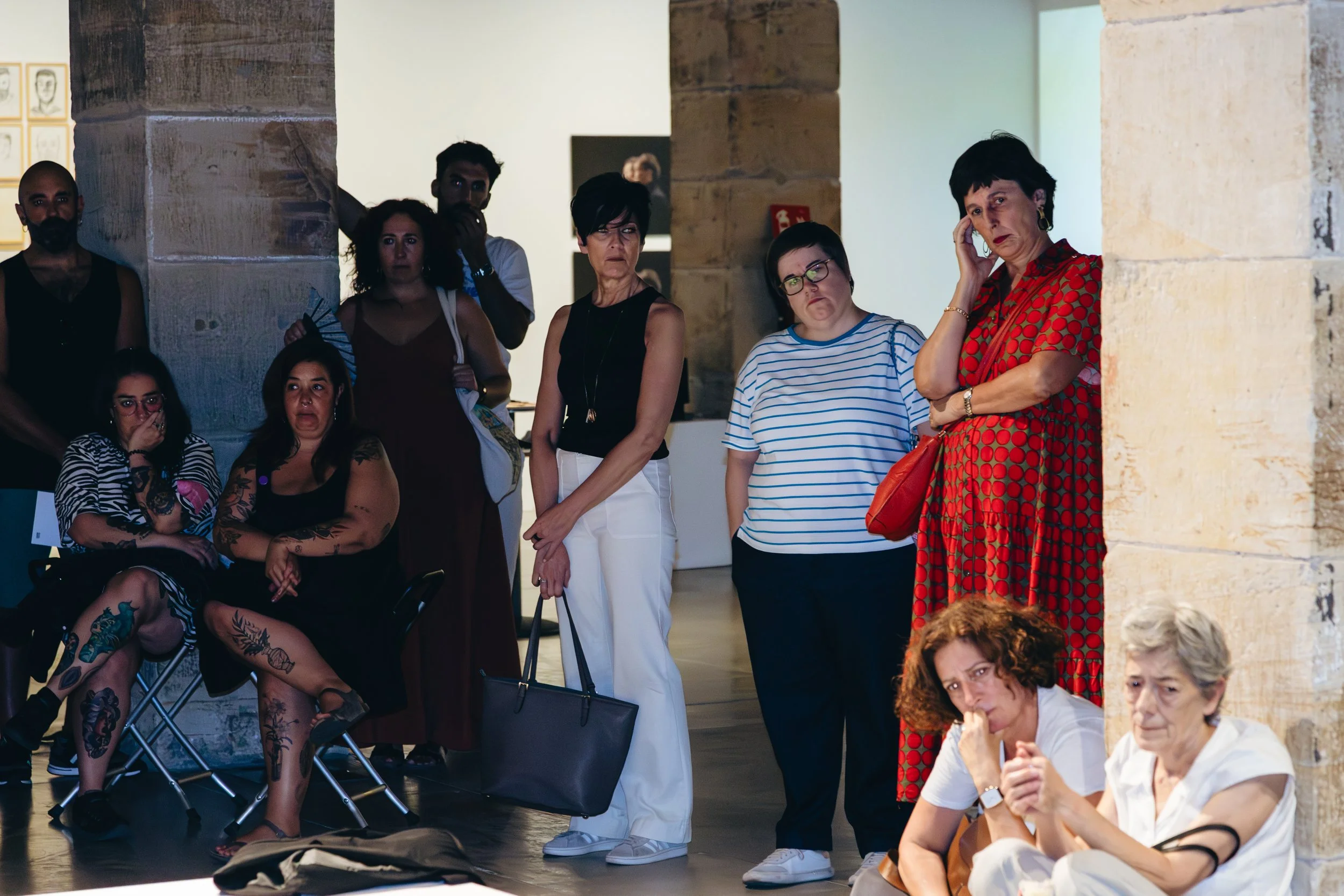
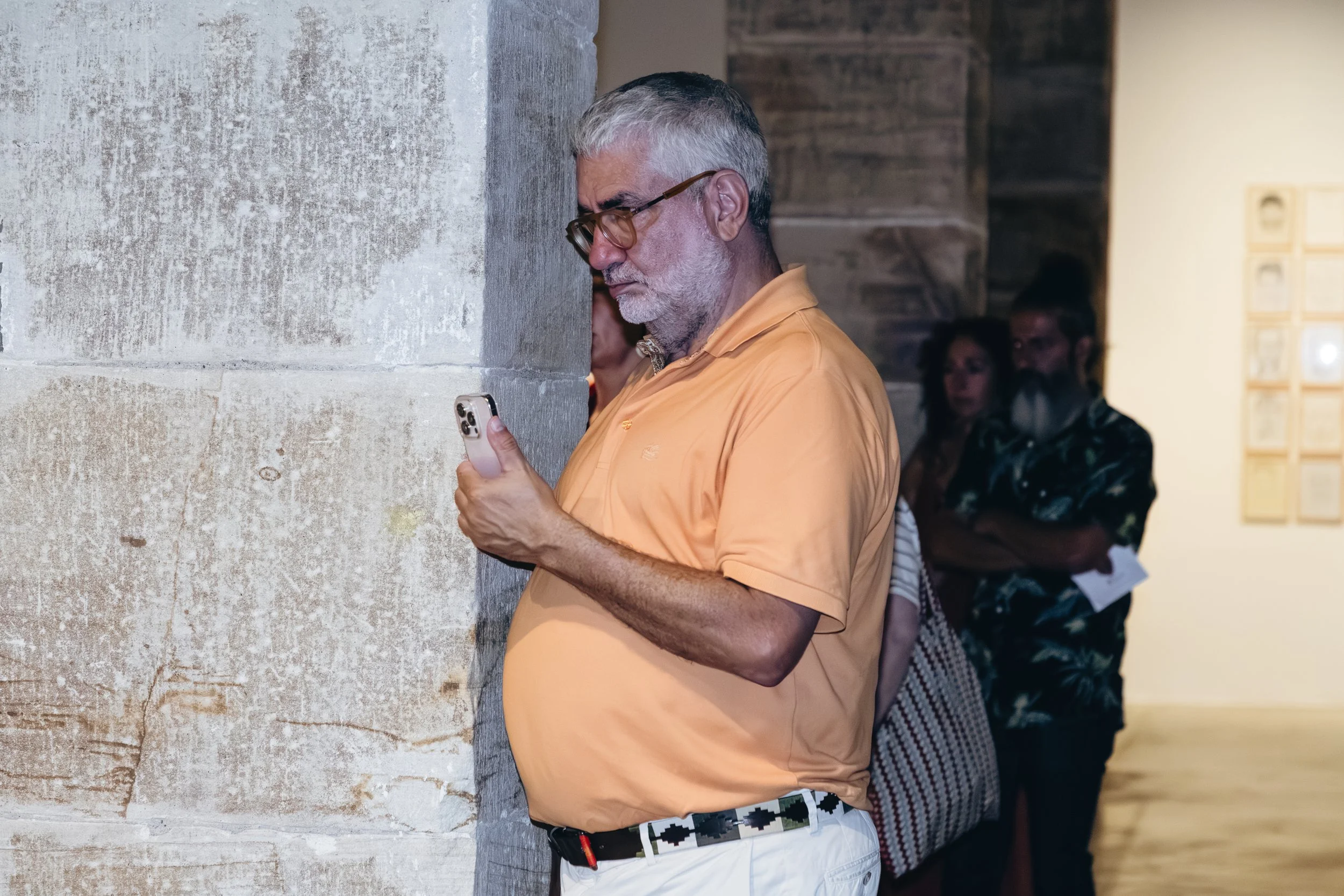
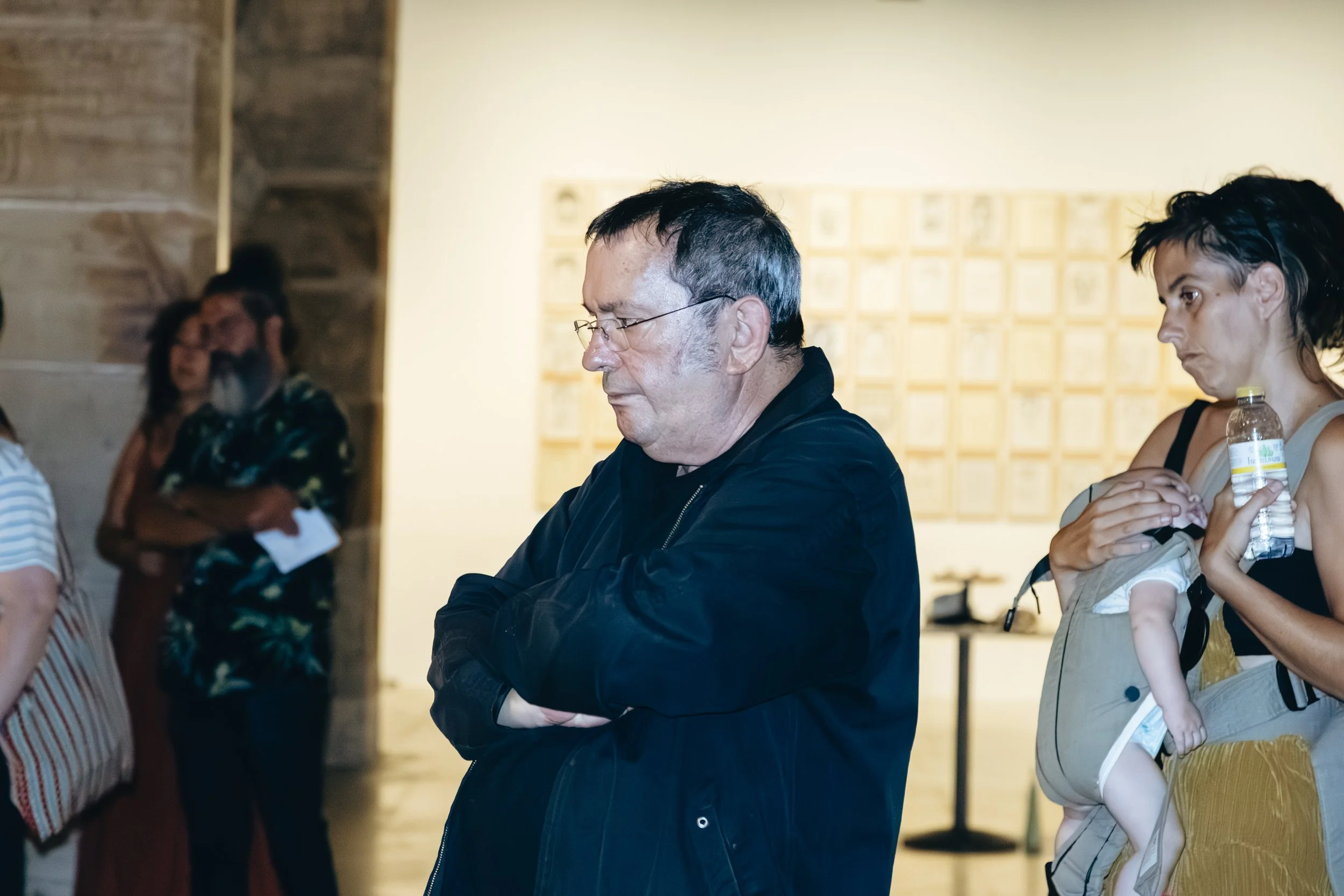
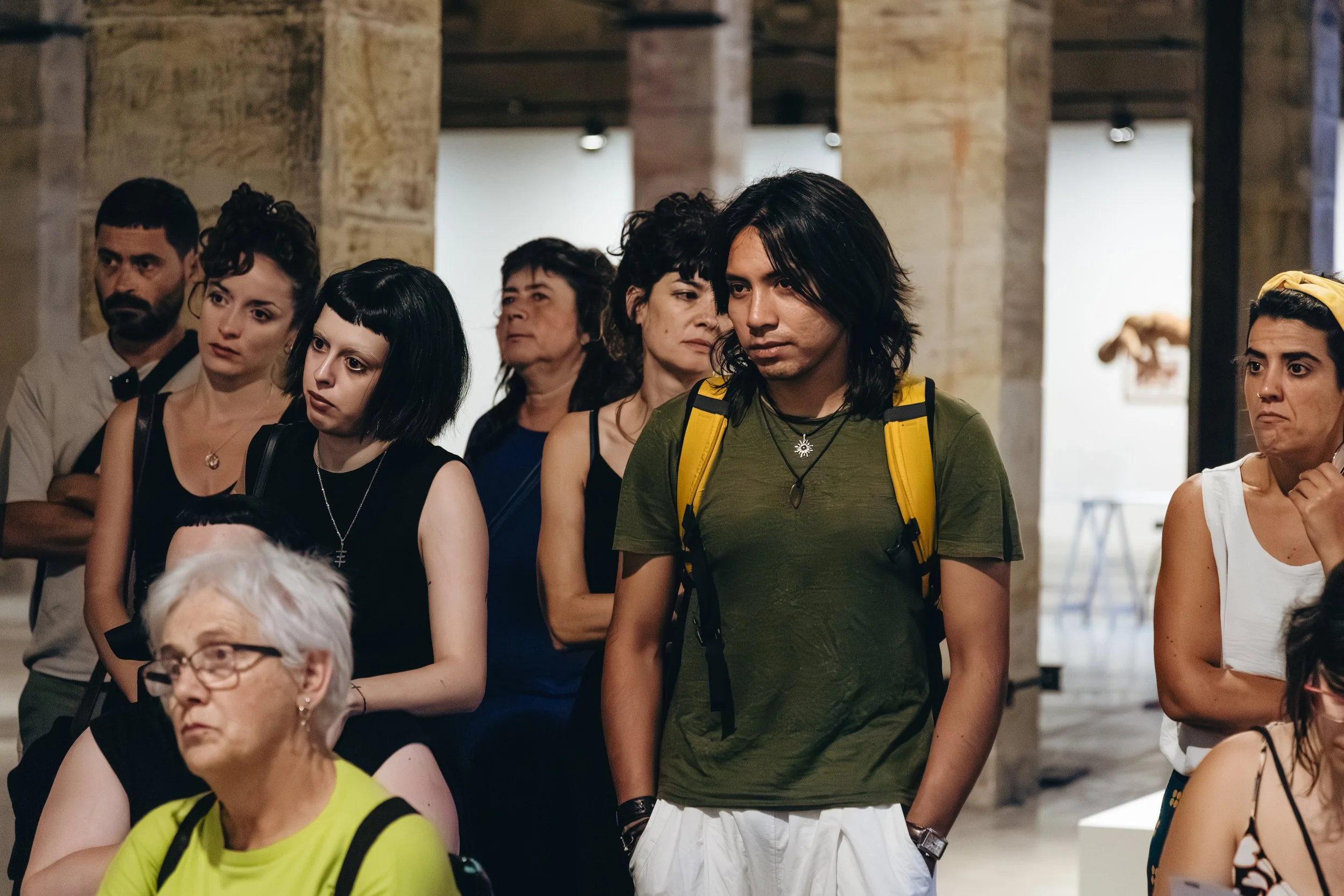
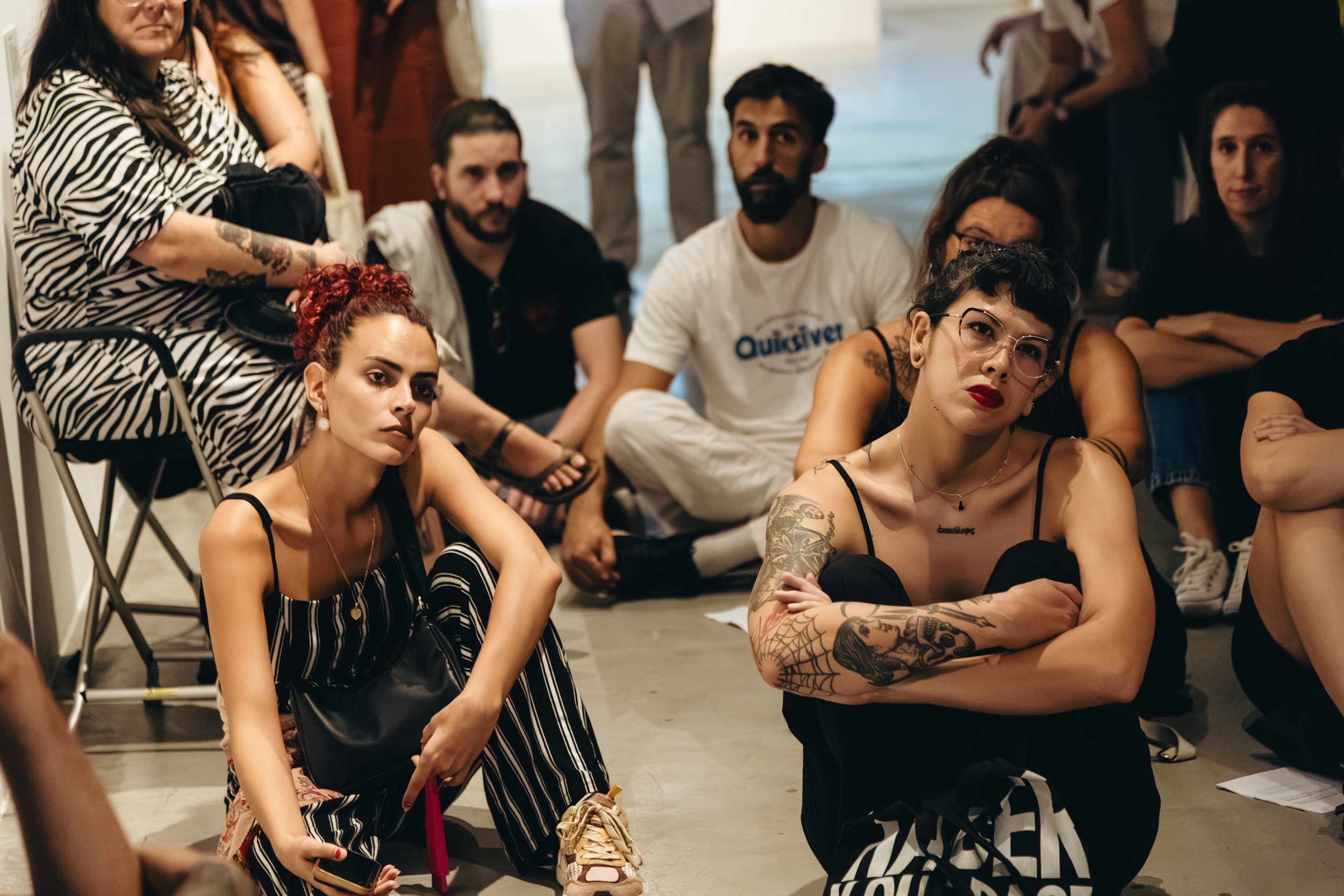
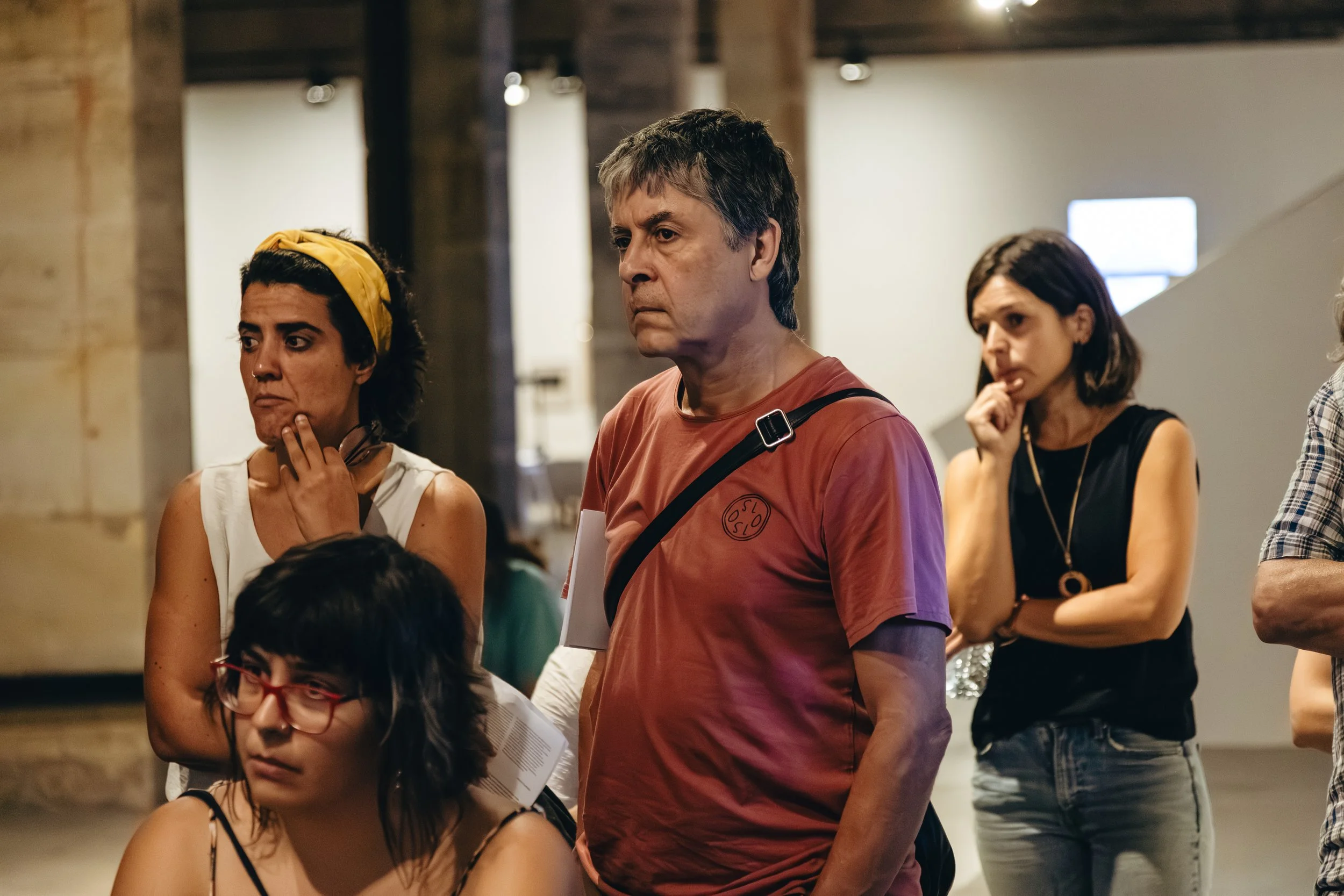
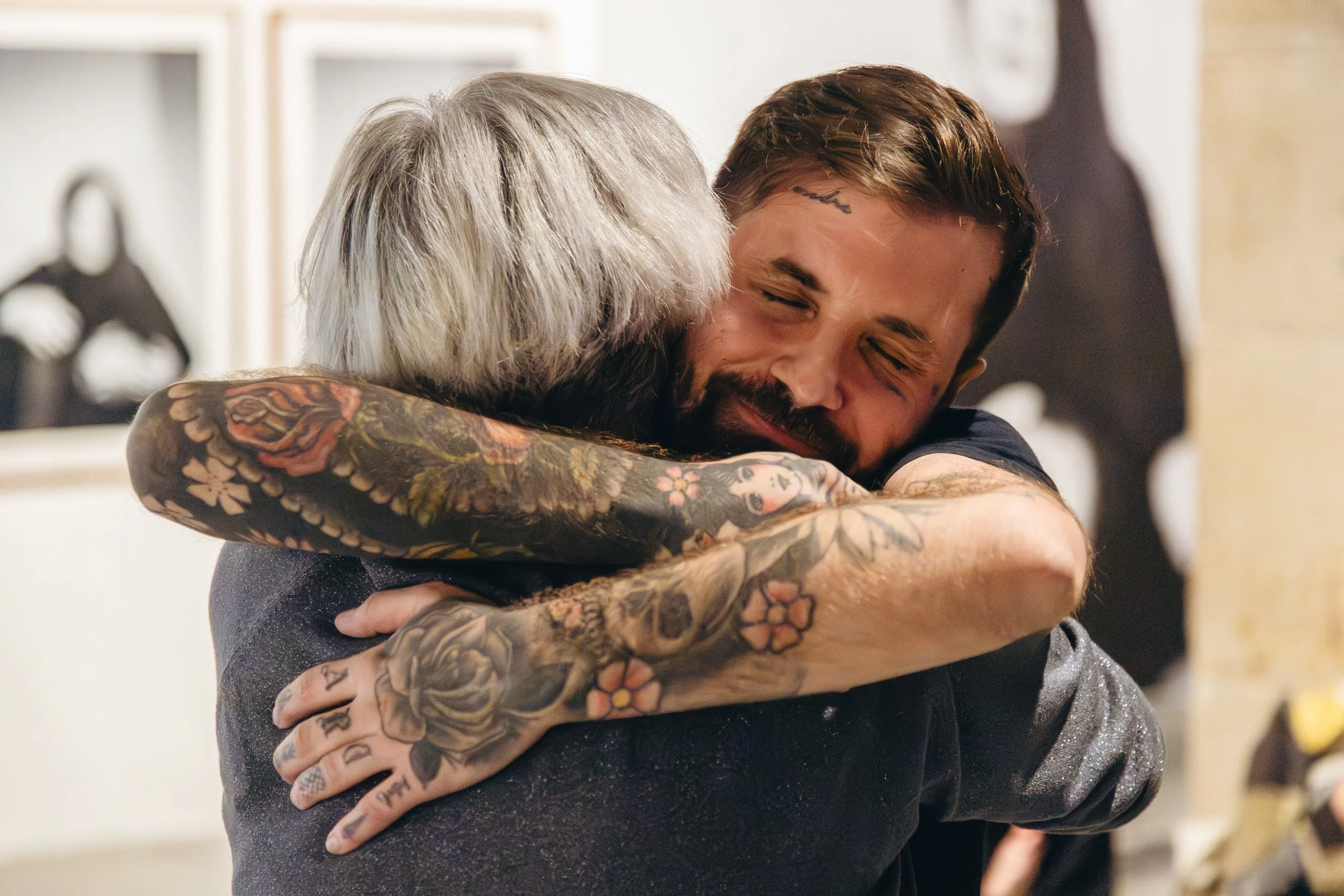
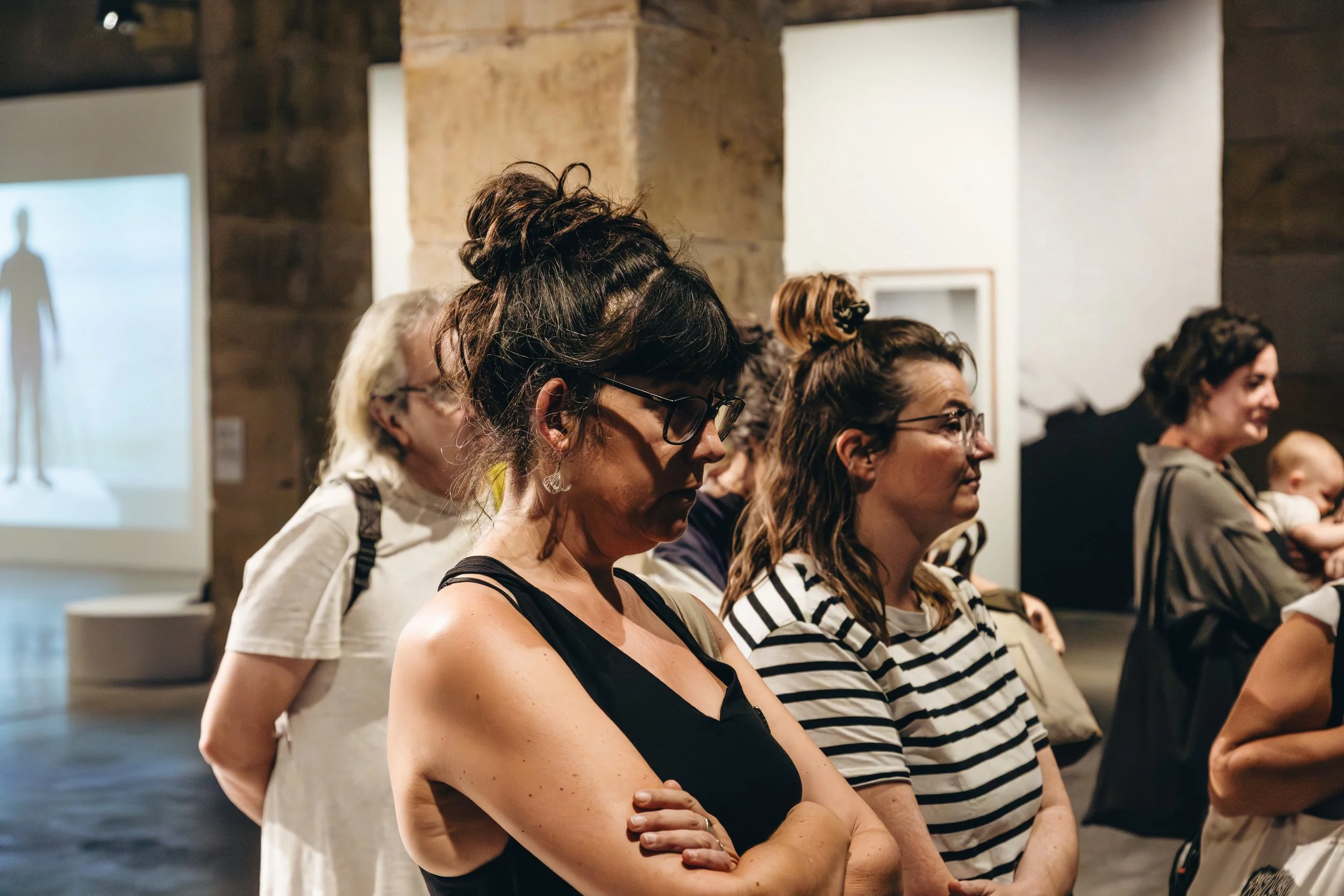
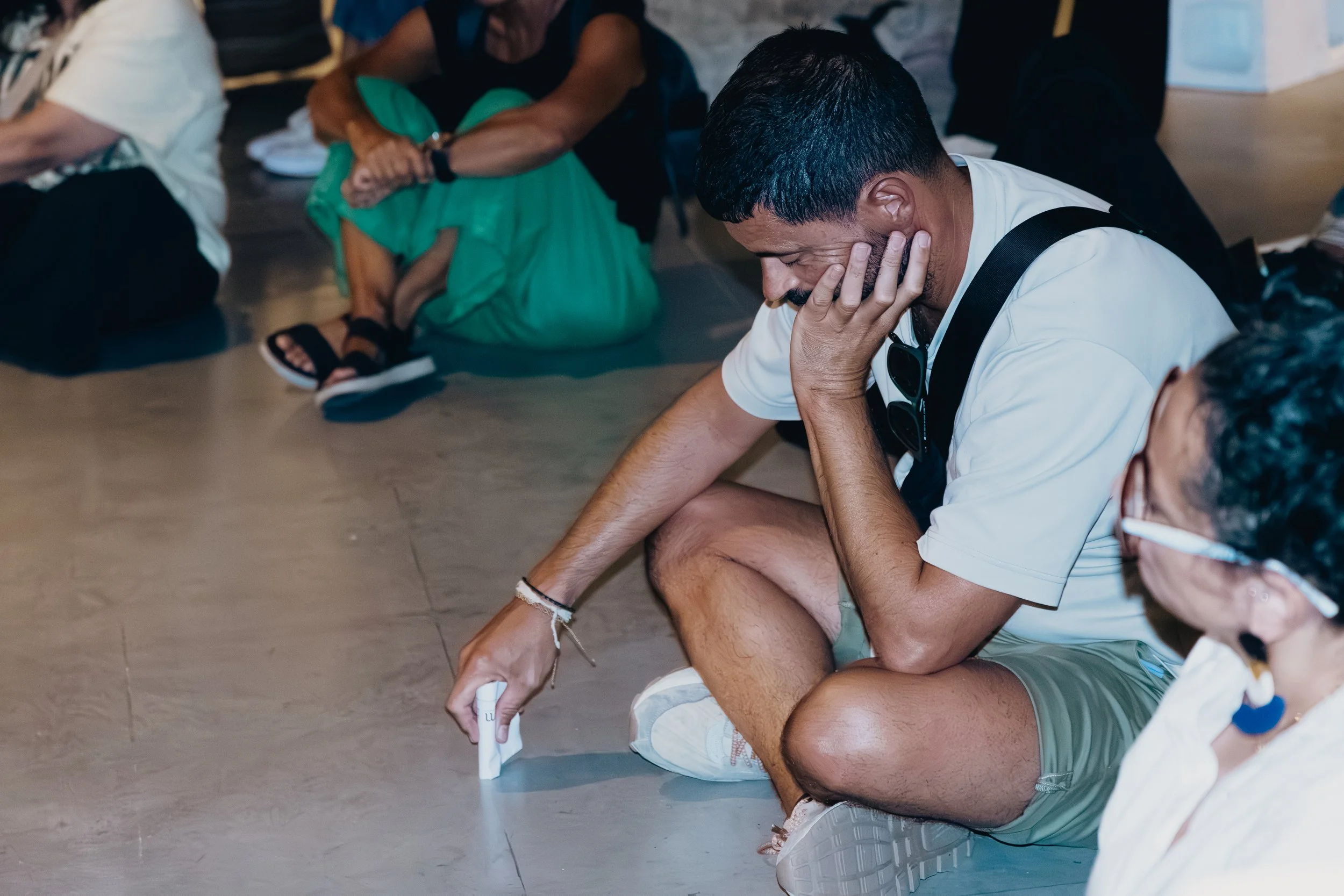
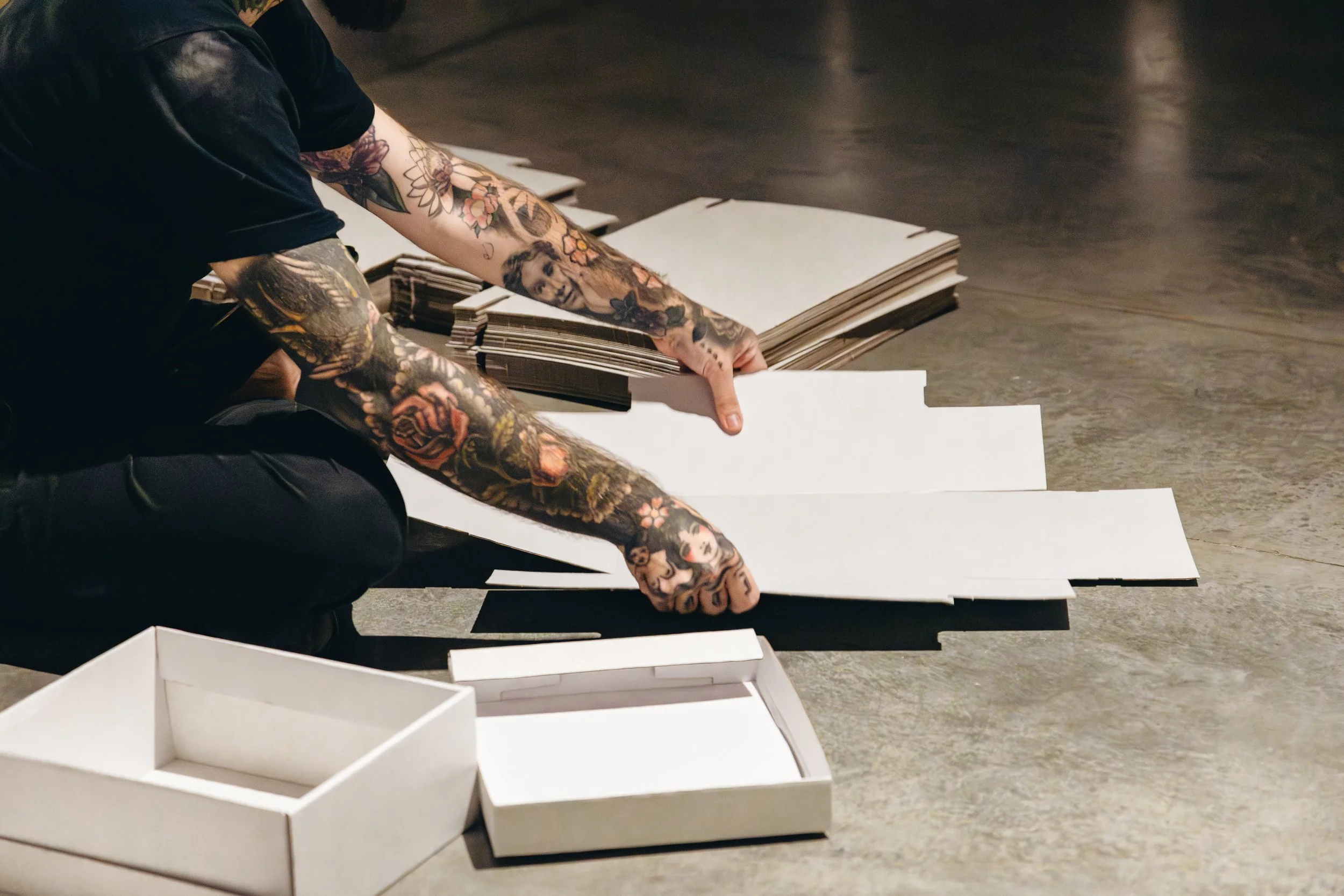
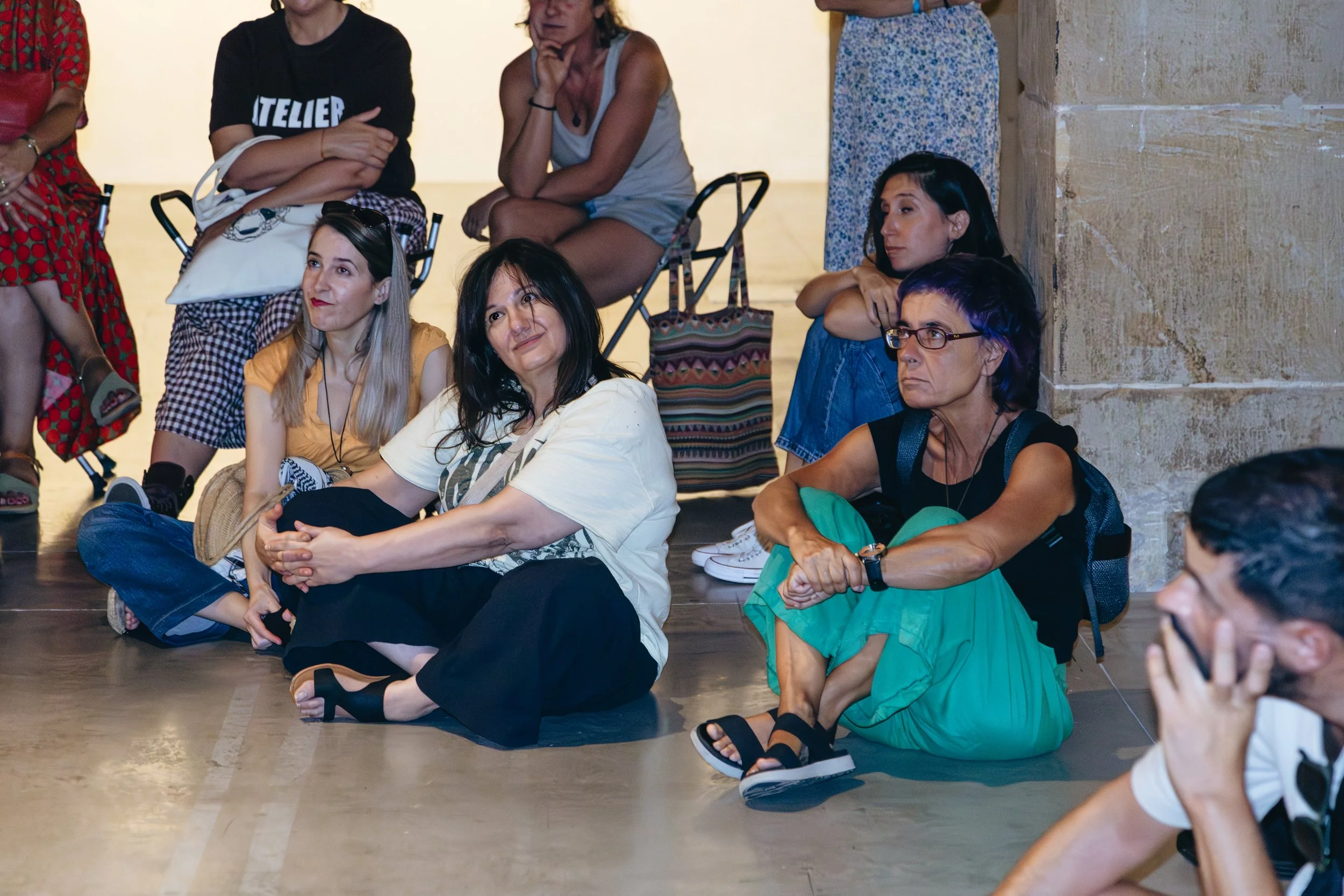
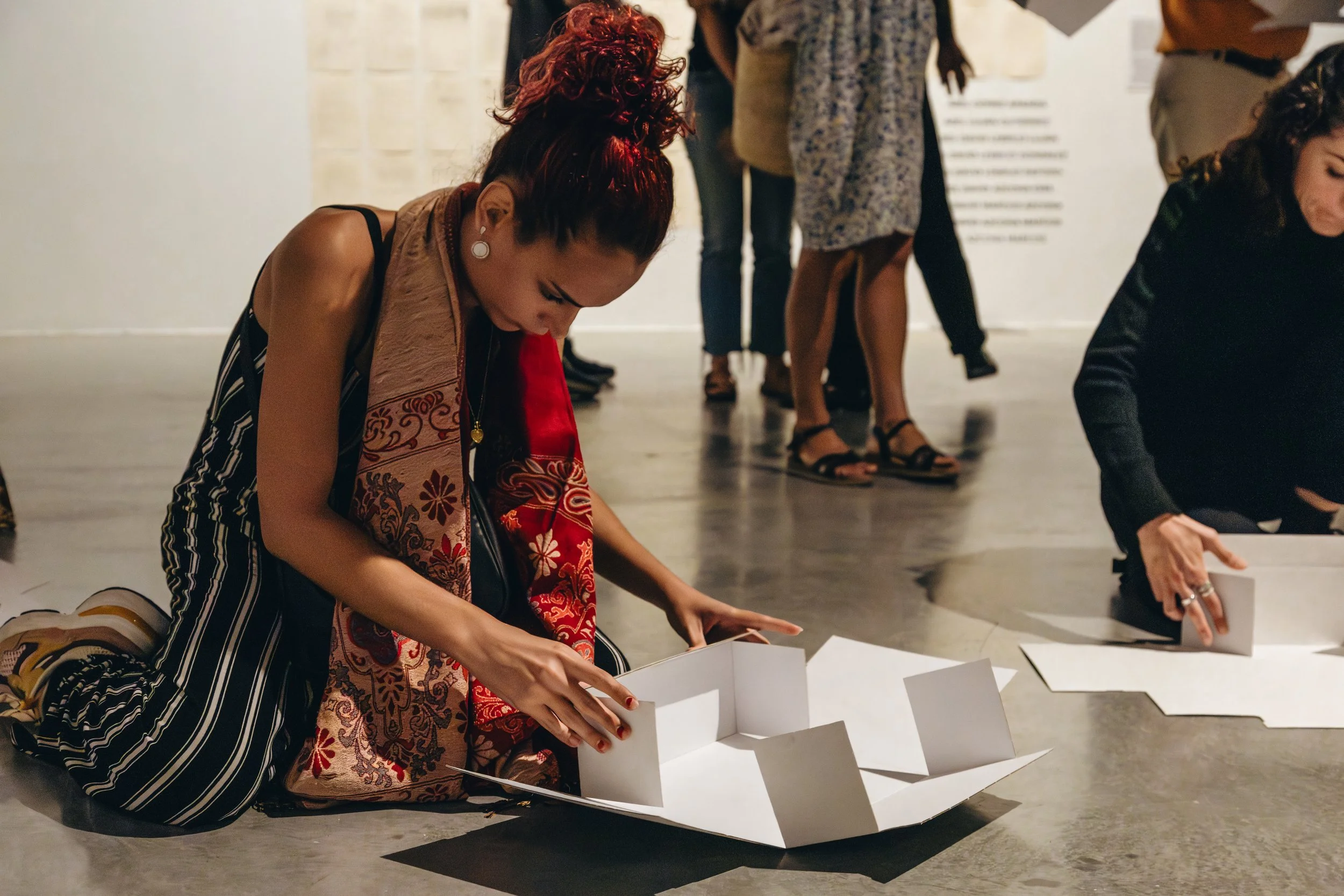
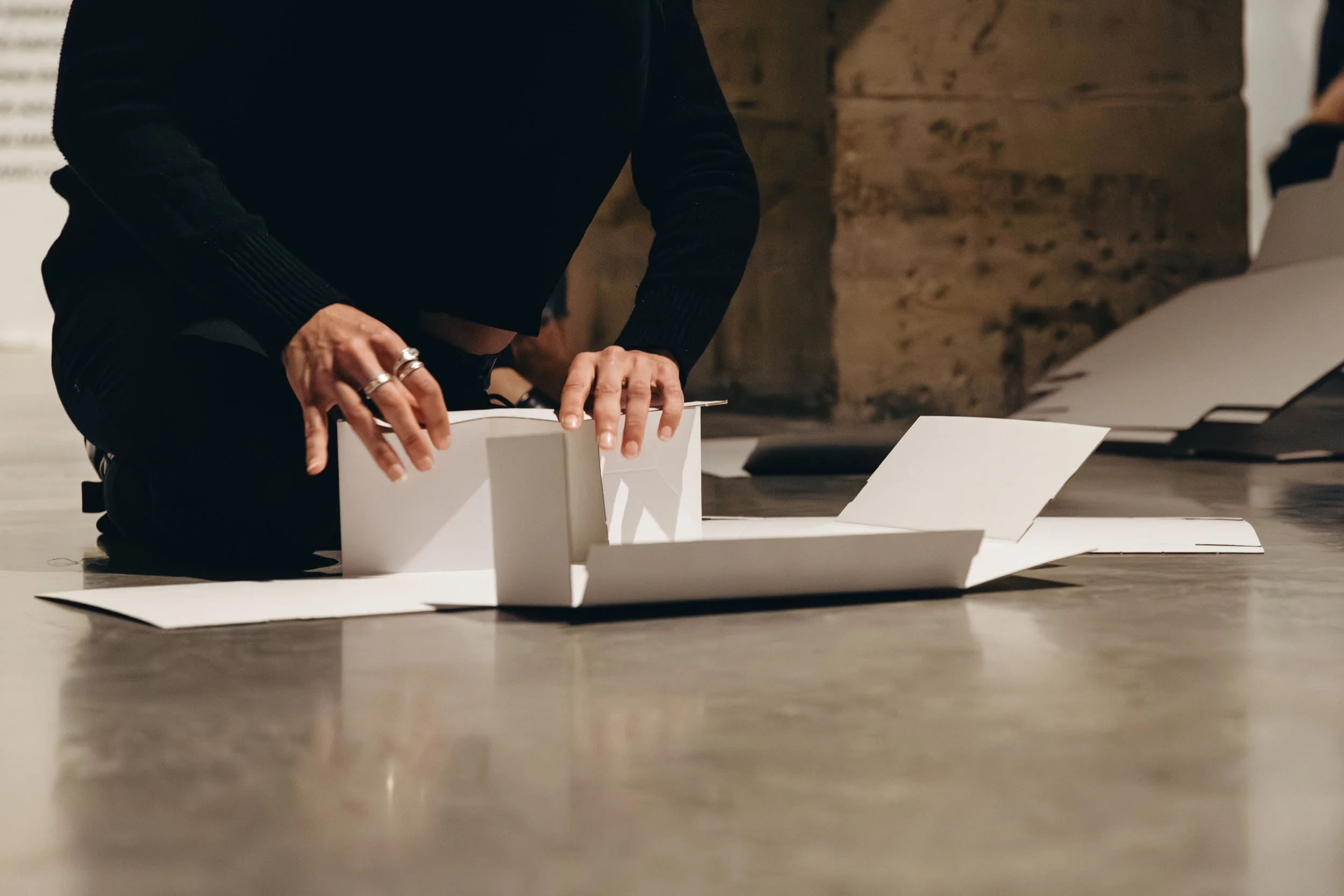
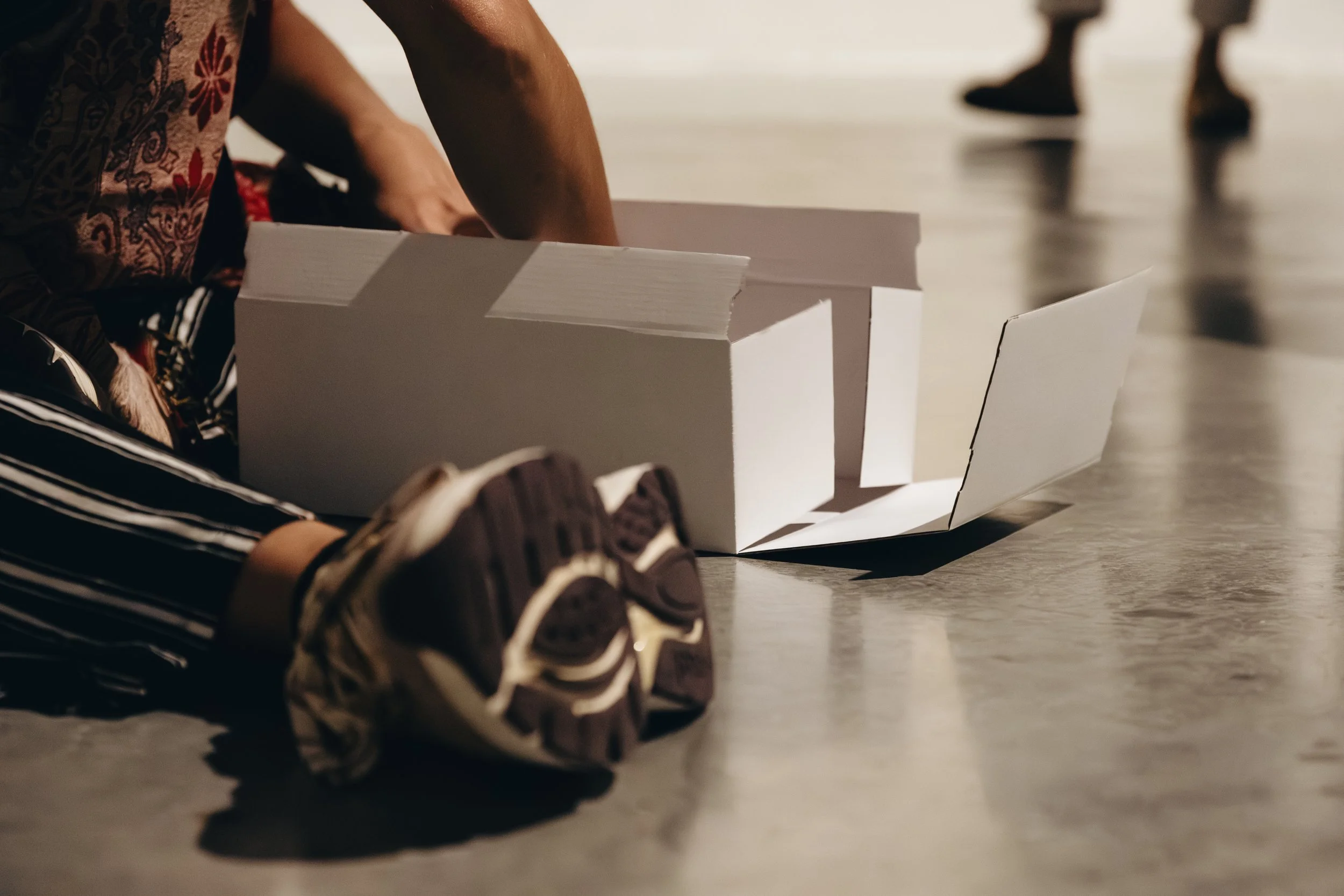
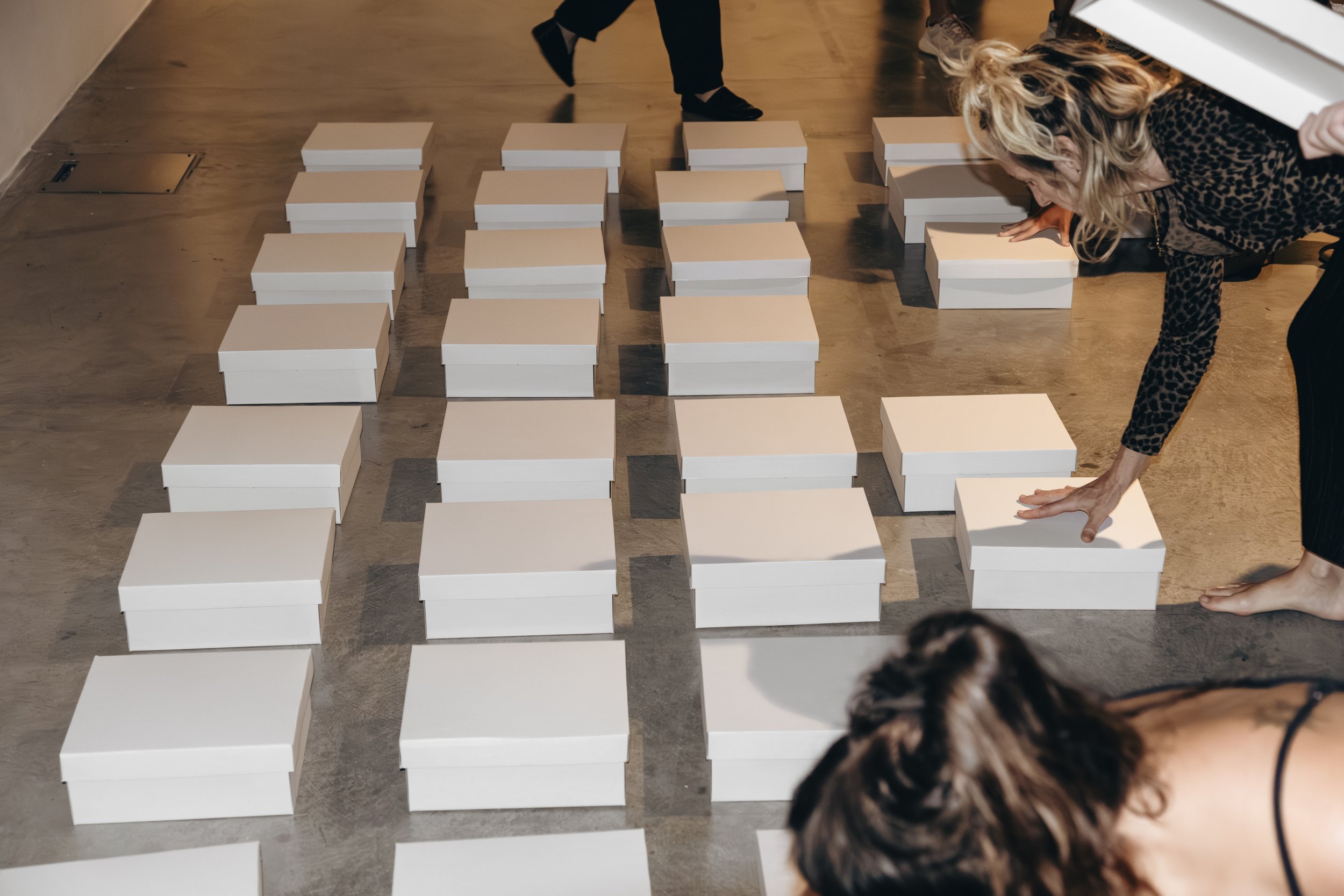
Fifty empty boxes. At the end of 2025, Azcona will present an exhibition featuring twelve large-format works in collaboration with fifty mothers and fifty children separated at birth in different maternity hospitals in Madrid, such as Clínica San Ramón or the Montesa Maternity Hospital, where Azcona himself was born. In September 2025, he began one of the pieces through a performance—an action of construction and protest moving from the individual to the collective, which evolved into an installation. Visitors to the exhibition, some of them children who were stolen at birth, together with Azcona, built fifty white boxes and created the installation collectively.
Cincuenta cajas vacías. A final de 2025 Azcona realizará una muestra con doce obras de gran formato en colaboración con cincuenta madres y cincuenta hijos separados al nacer en diferentes Maternidades de Madrid como la Clínica San Ramón o la Maternidad de Montesa donde nació el propio Azcona. En septiembre de 2025 inició mediante performance una de las piezas en una acción de construcción y denuncia desde lo individual a lo colectivo, derivada en instalación. Los visitantes de la muestra, algunos de ellos niños robados al nacer, junto a Azcona construyeron cincuenta cajas blancas y crearon la instalación de manera colectiva.