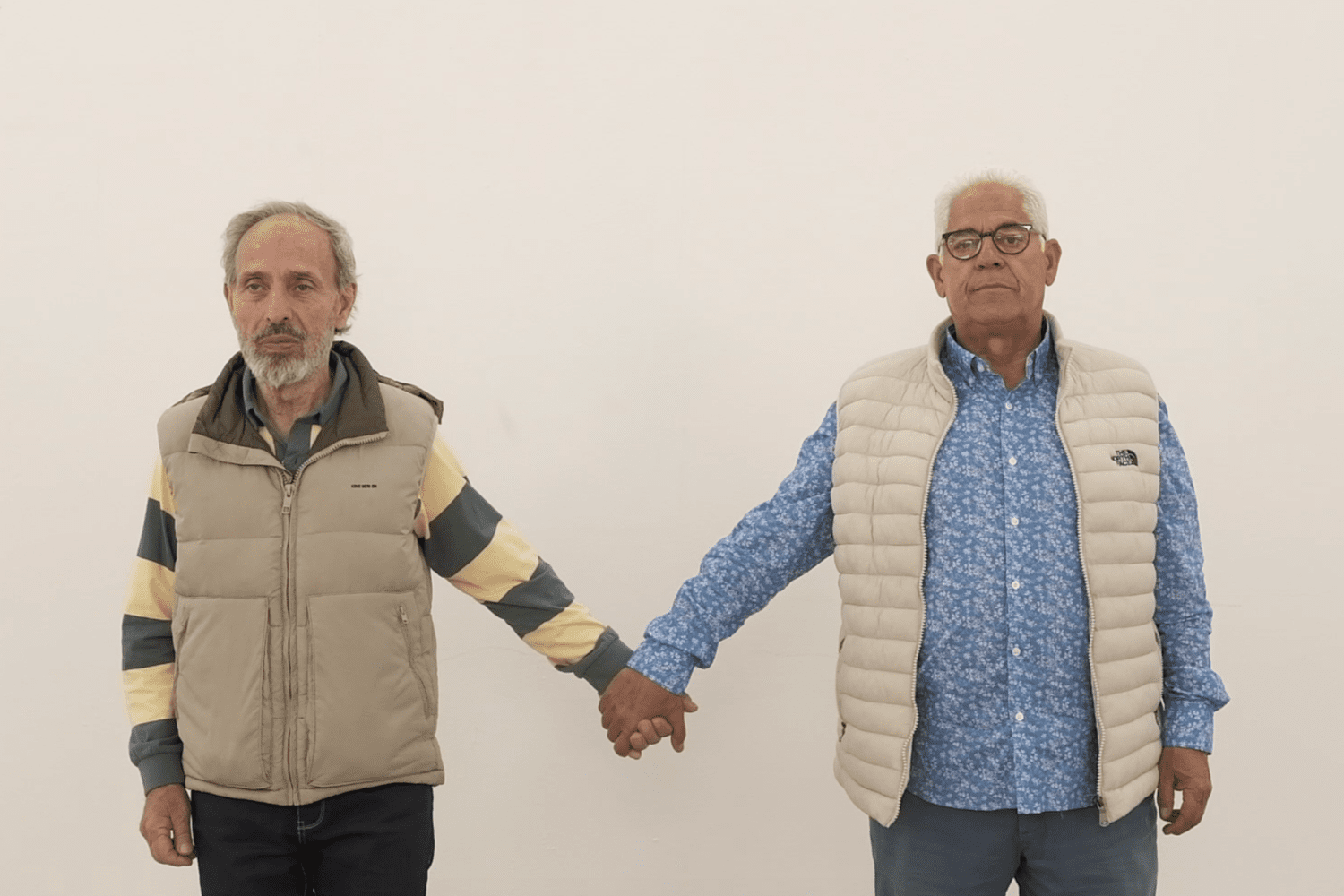
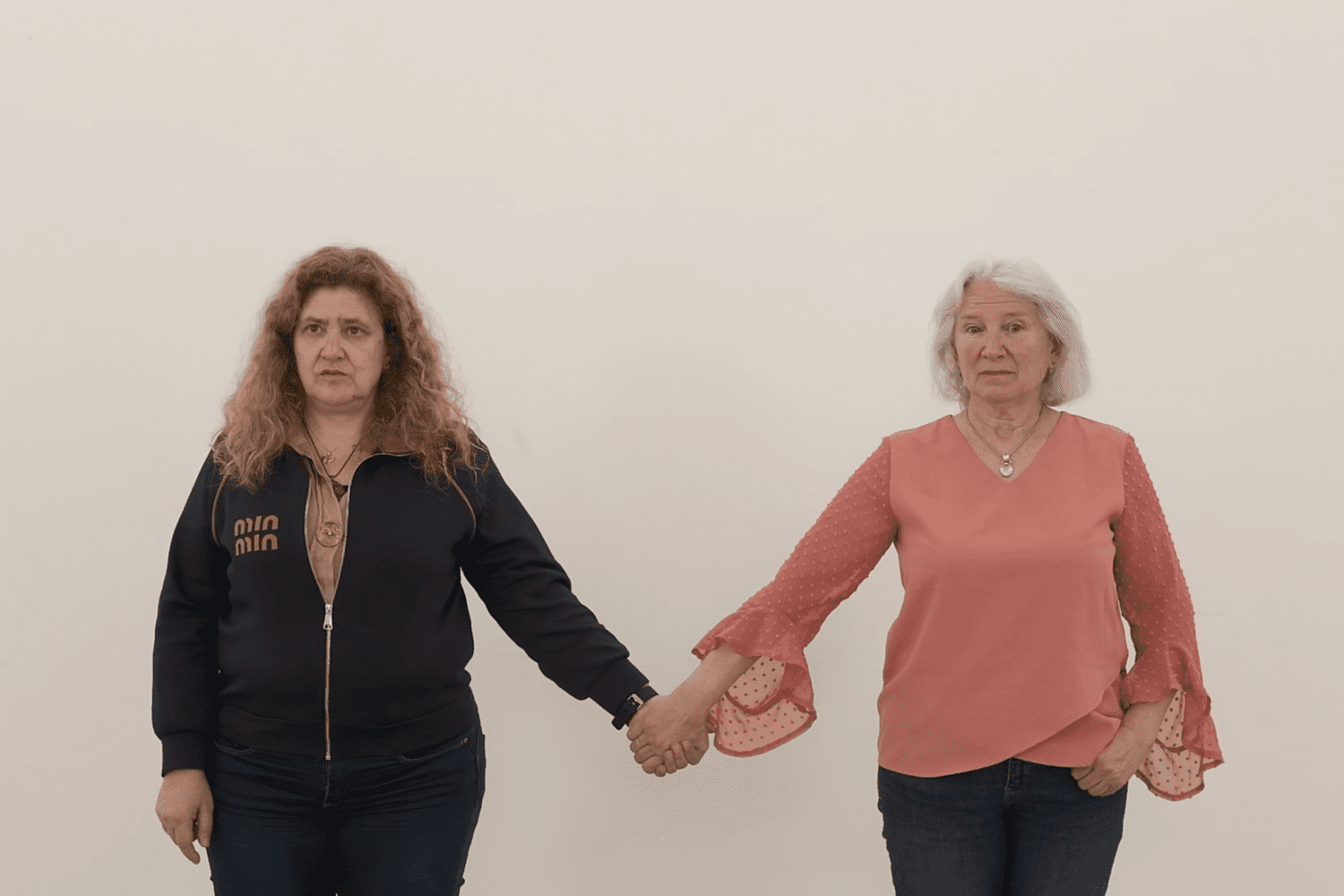
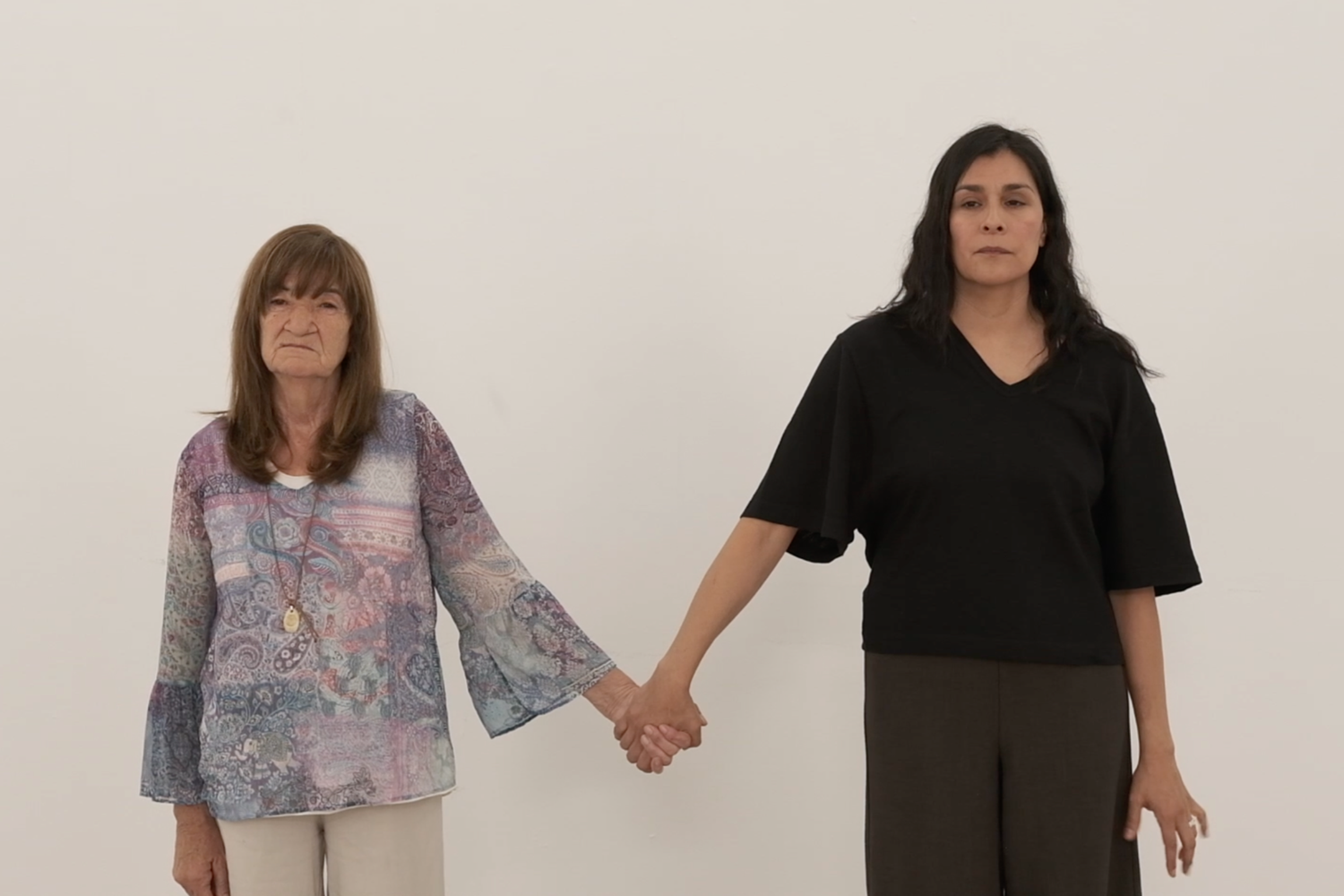
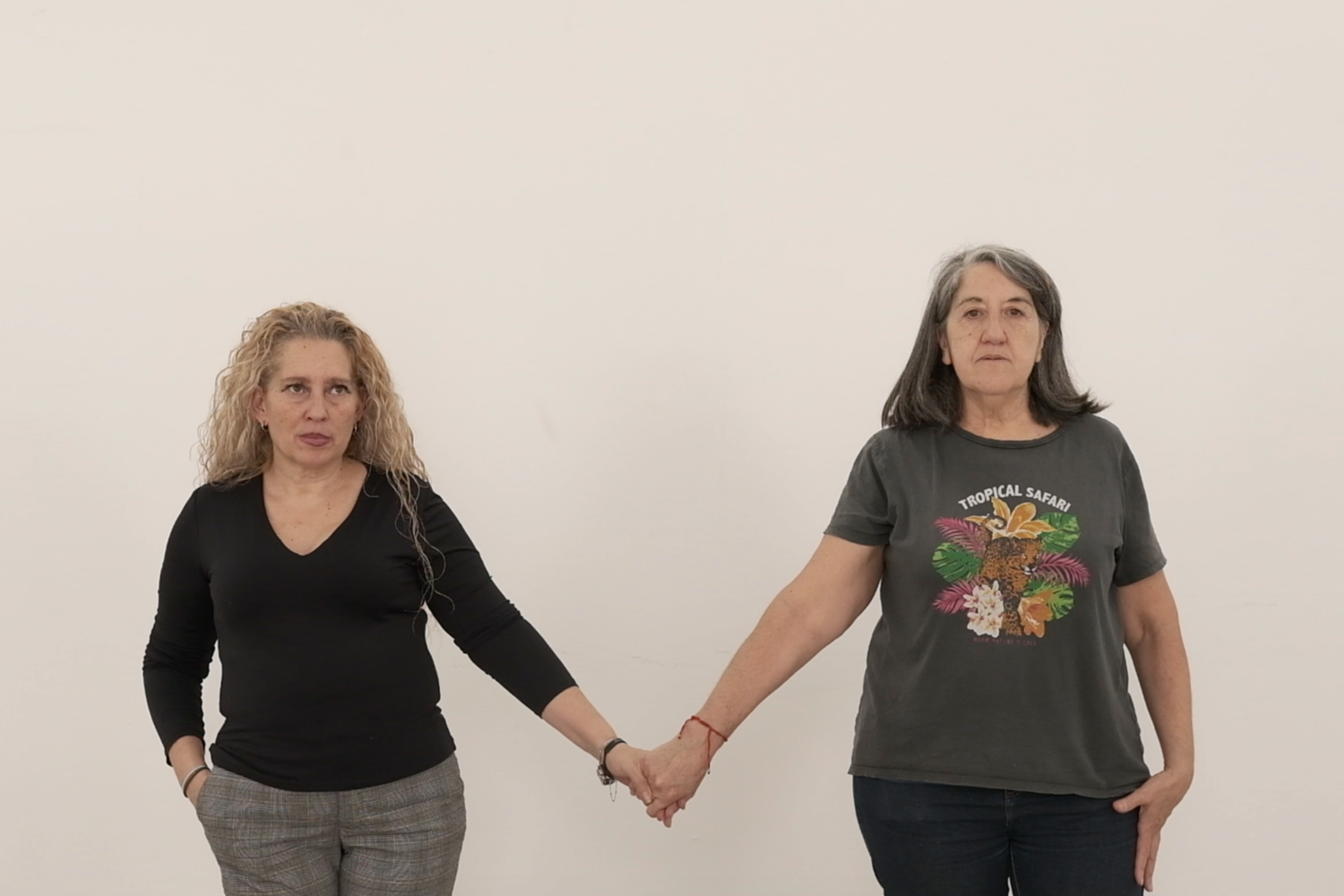
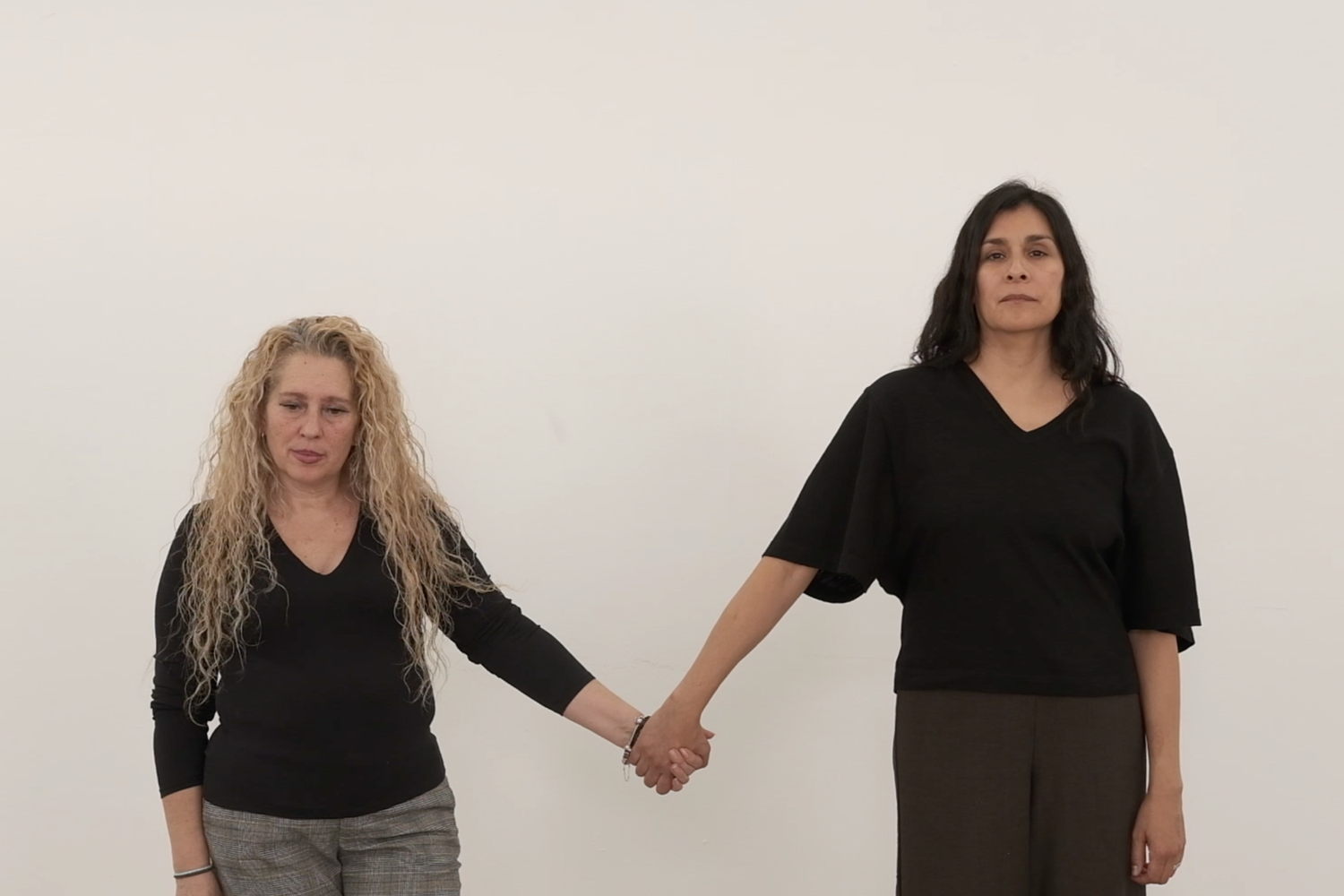
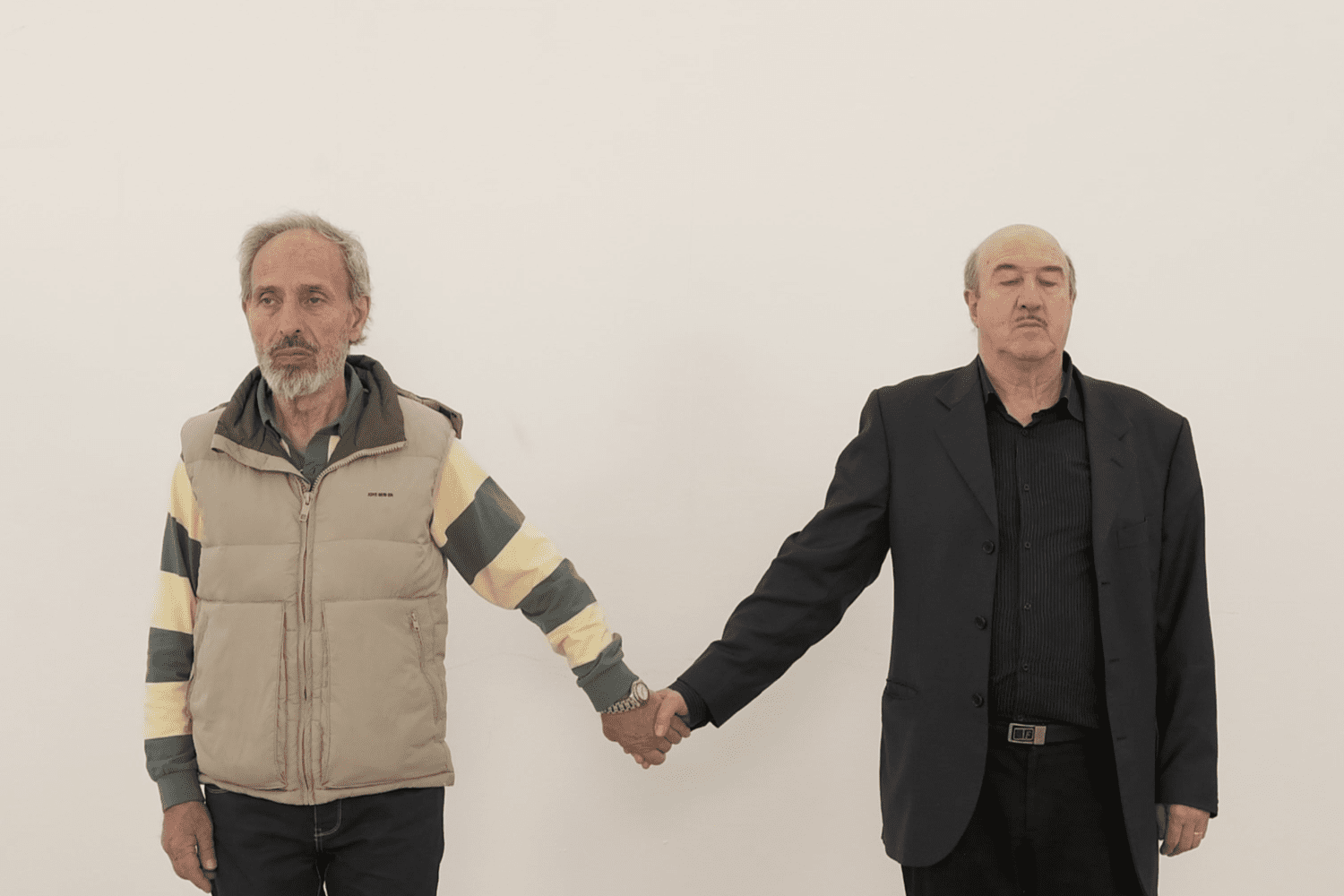
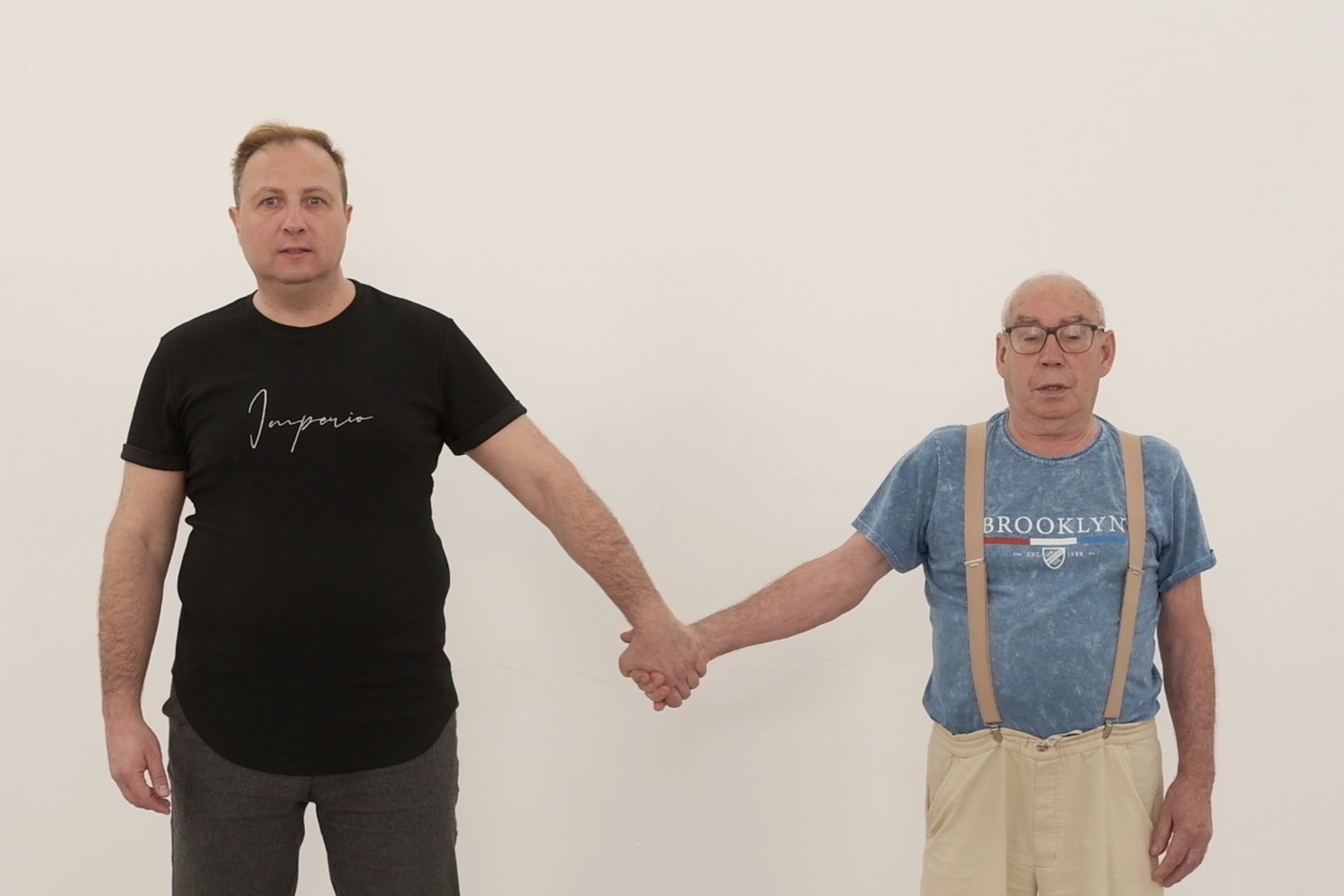
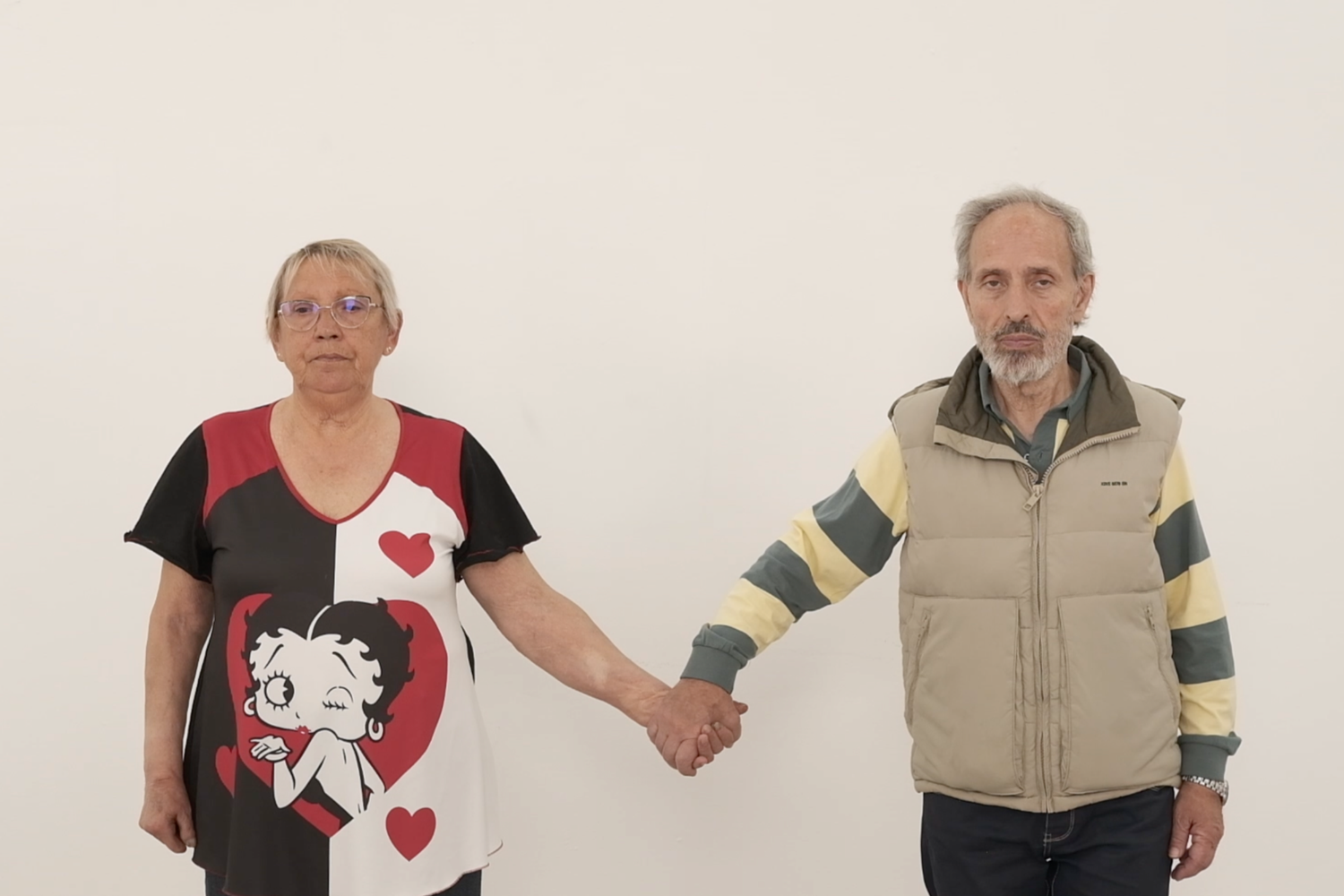
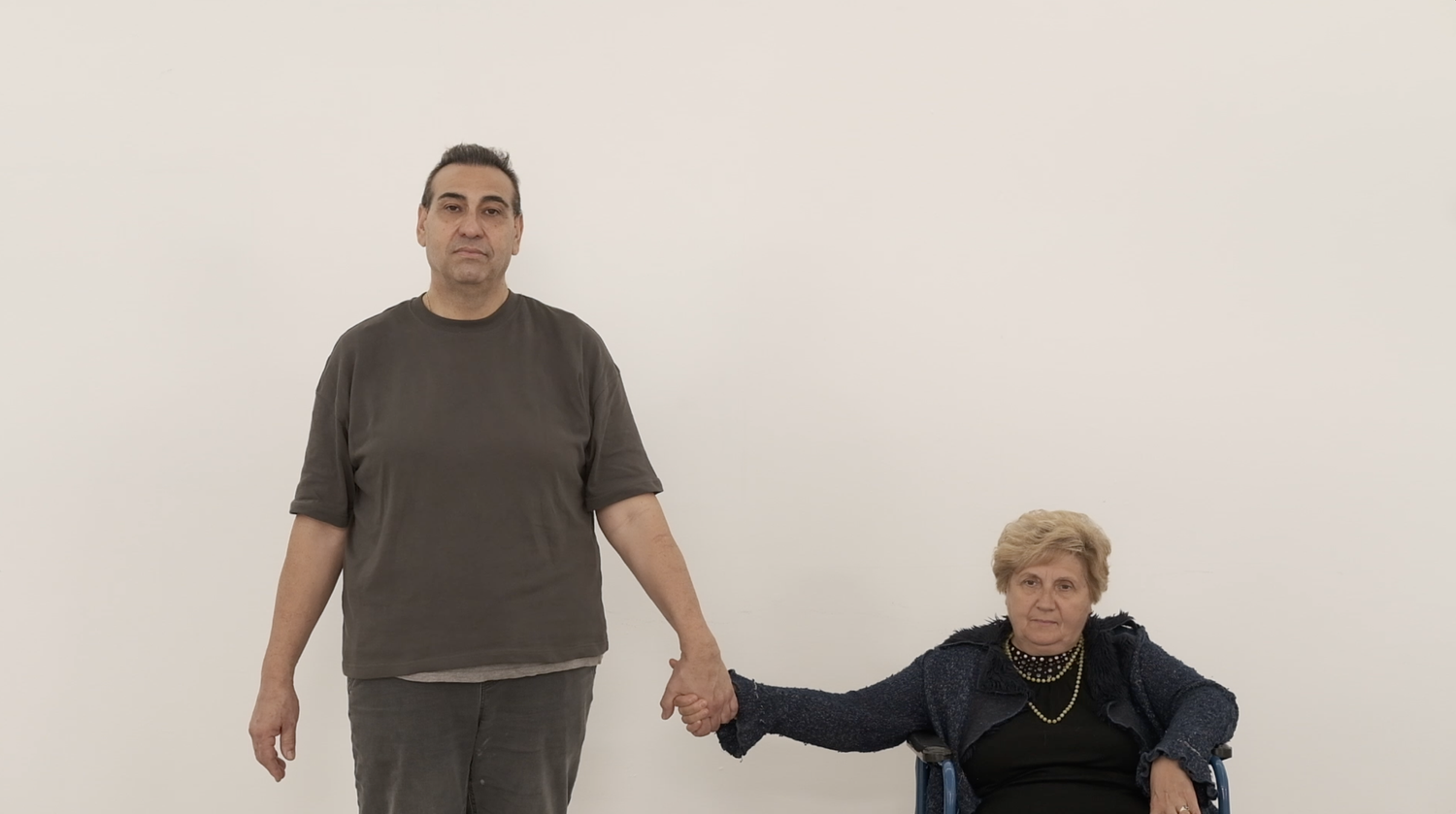
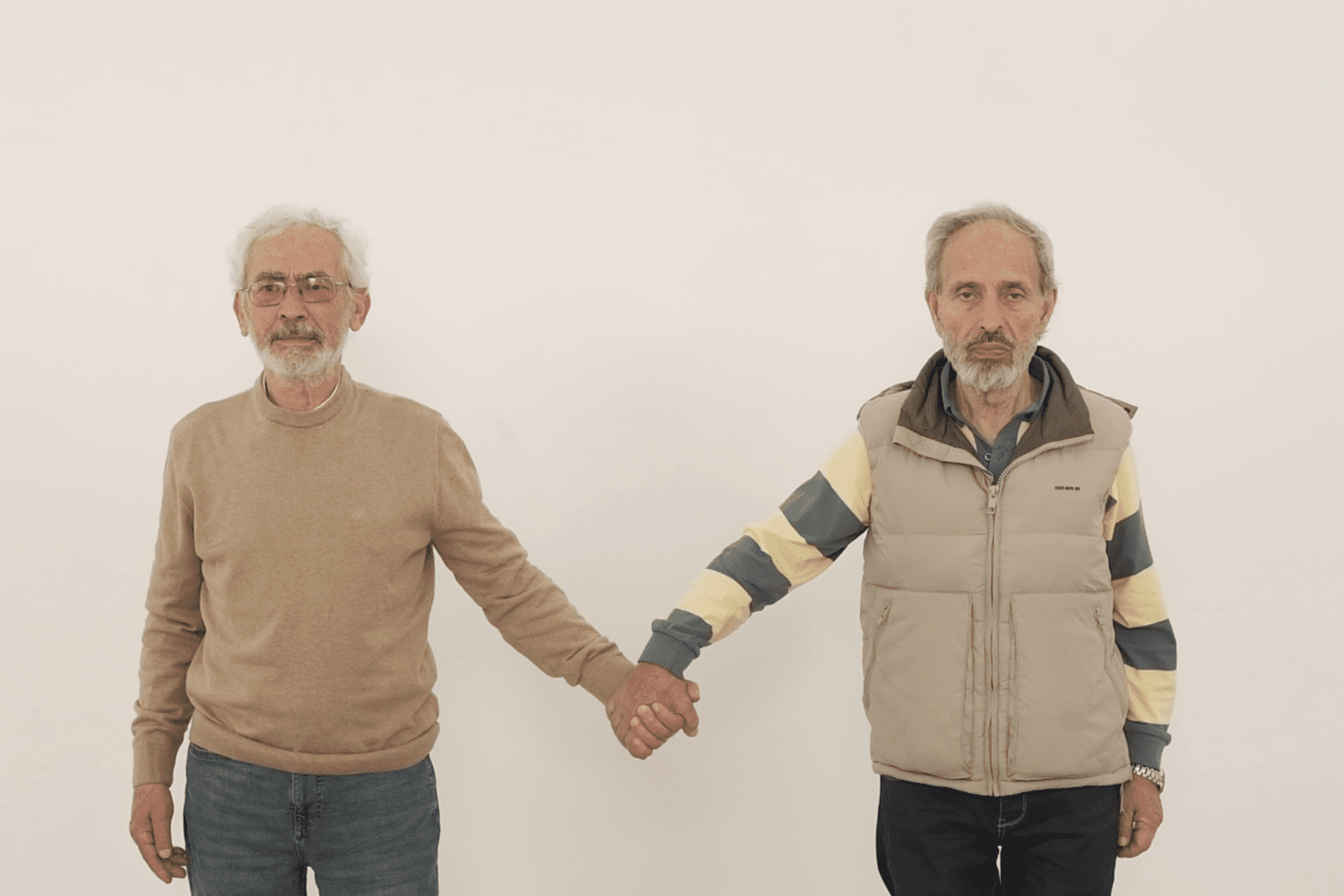
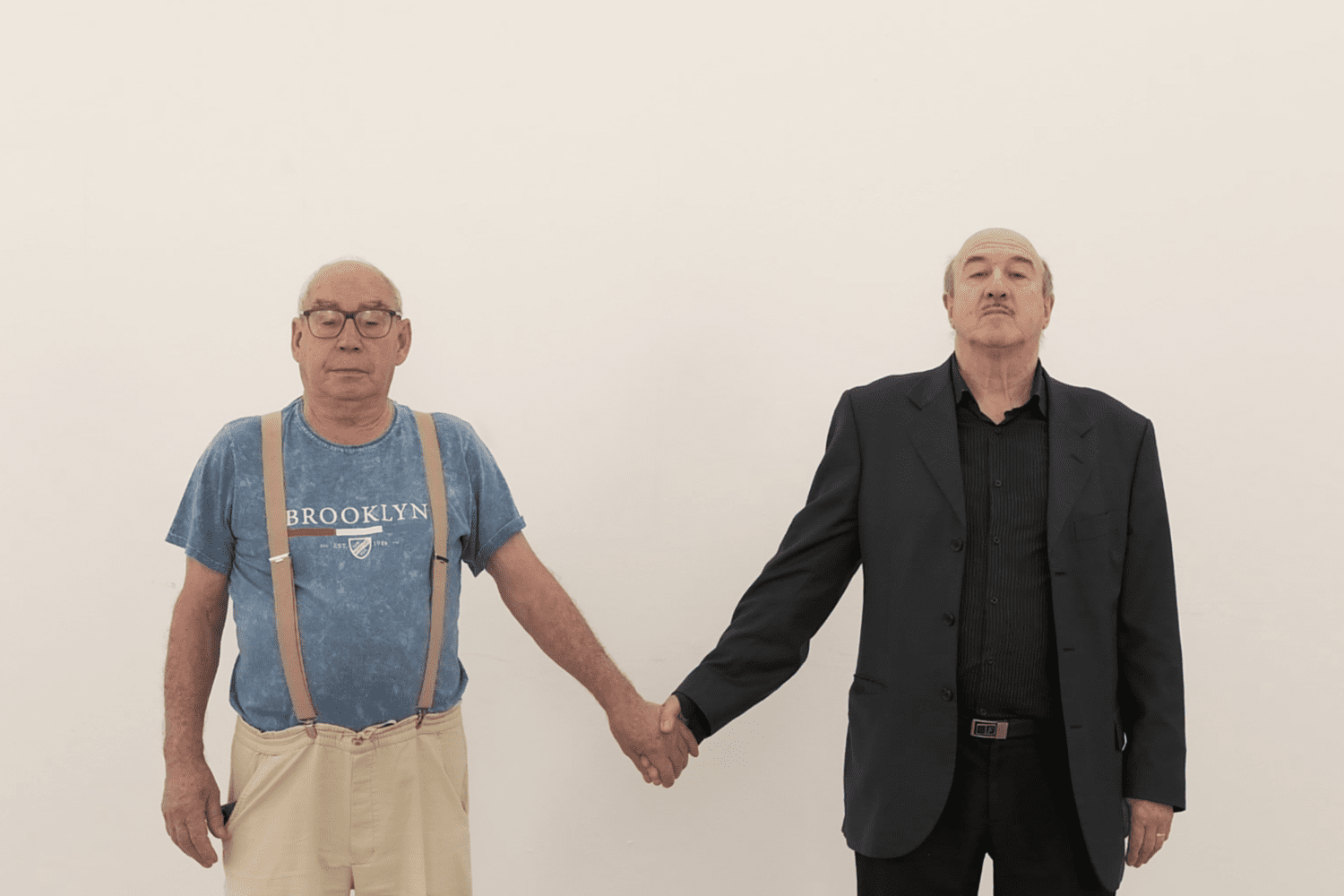
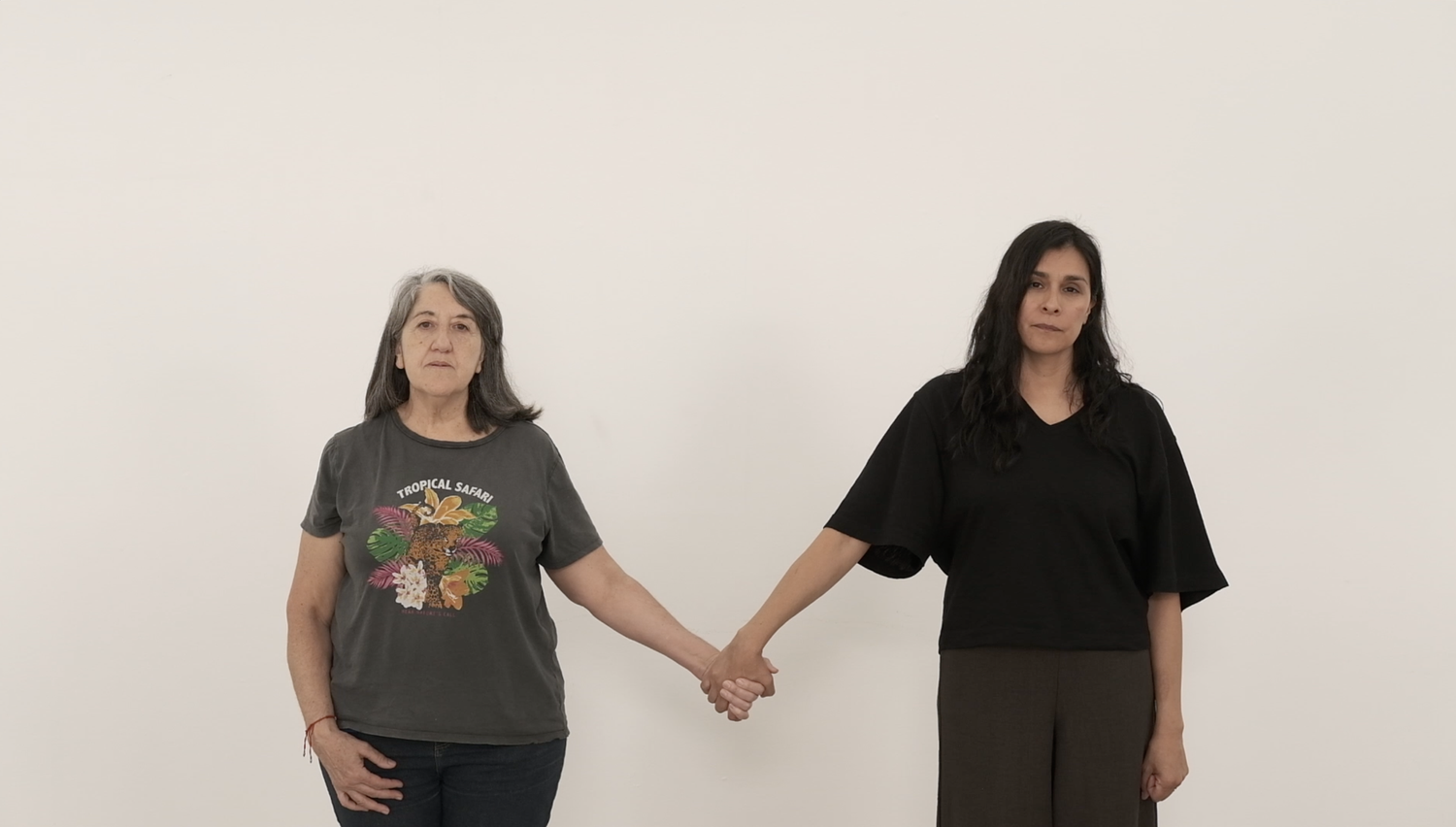
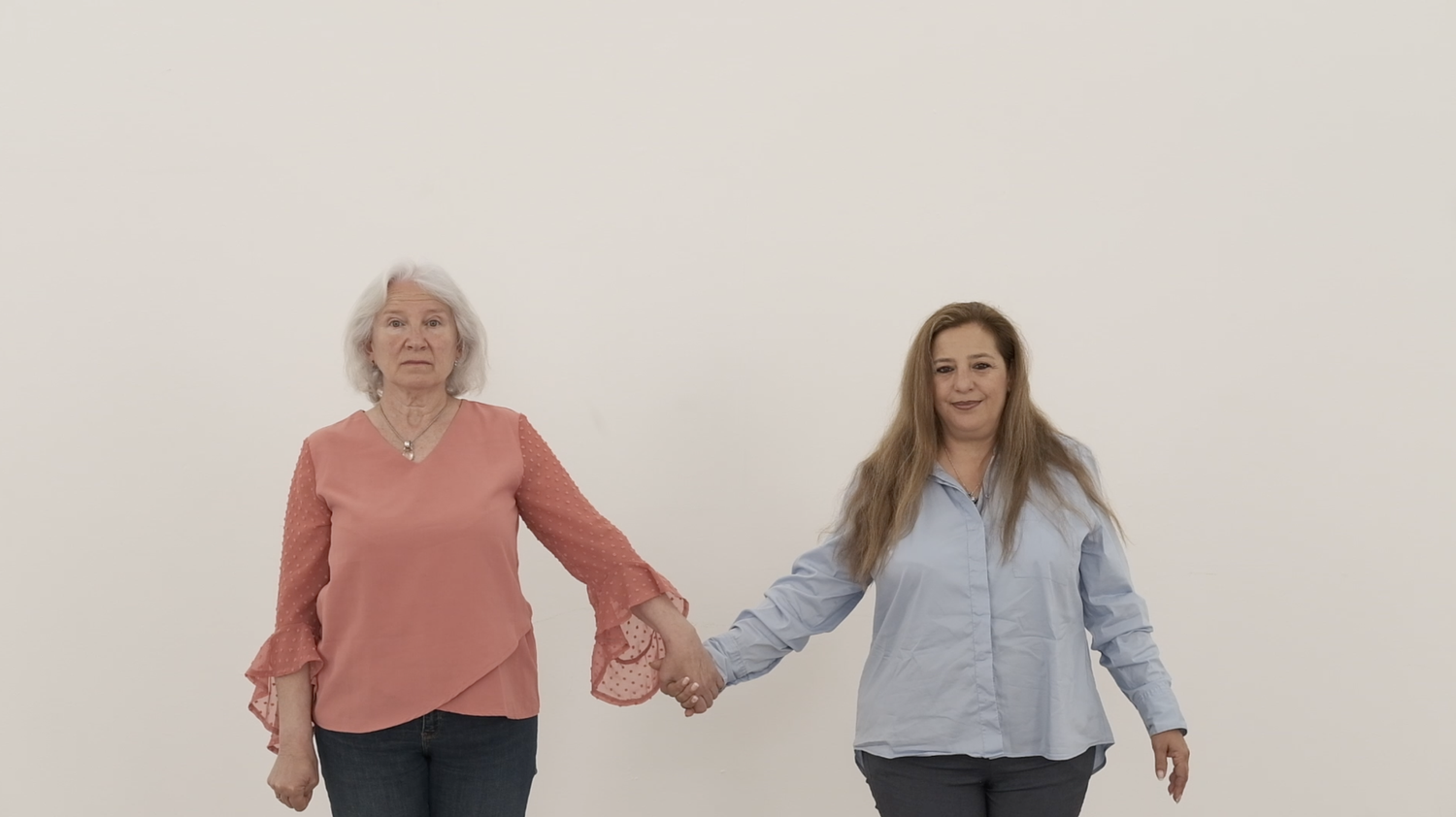
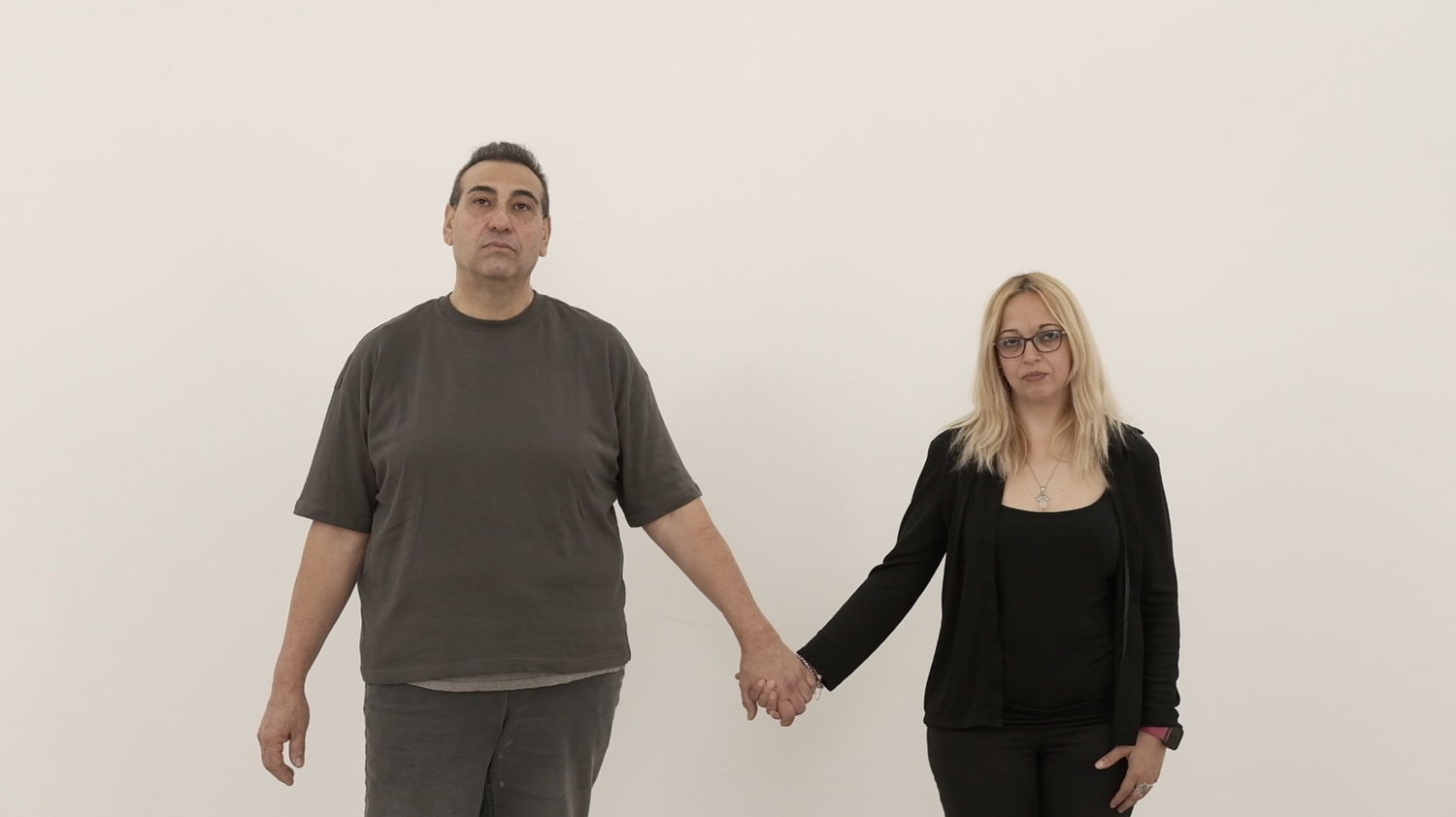
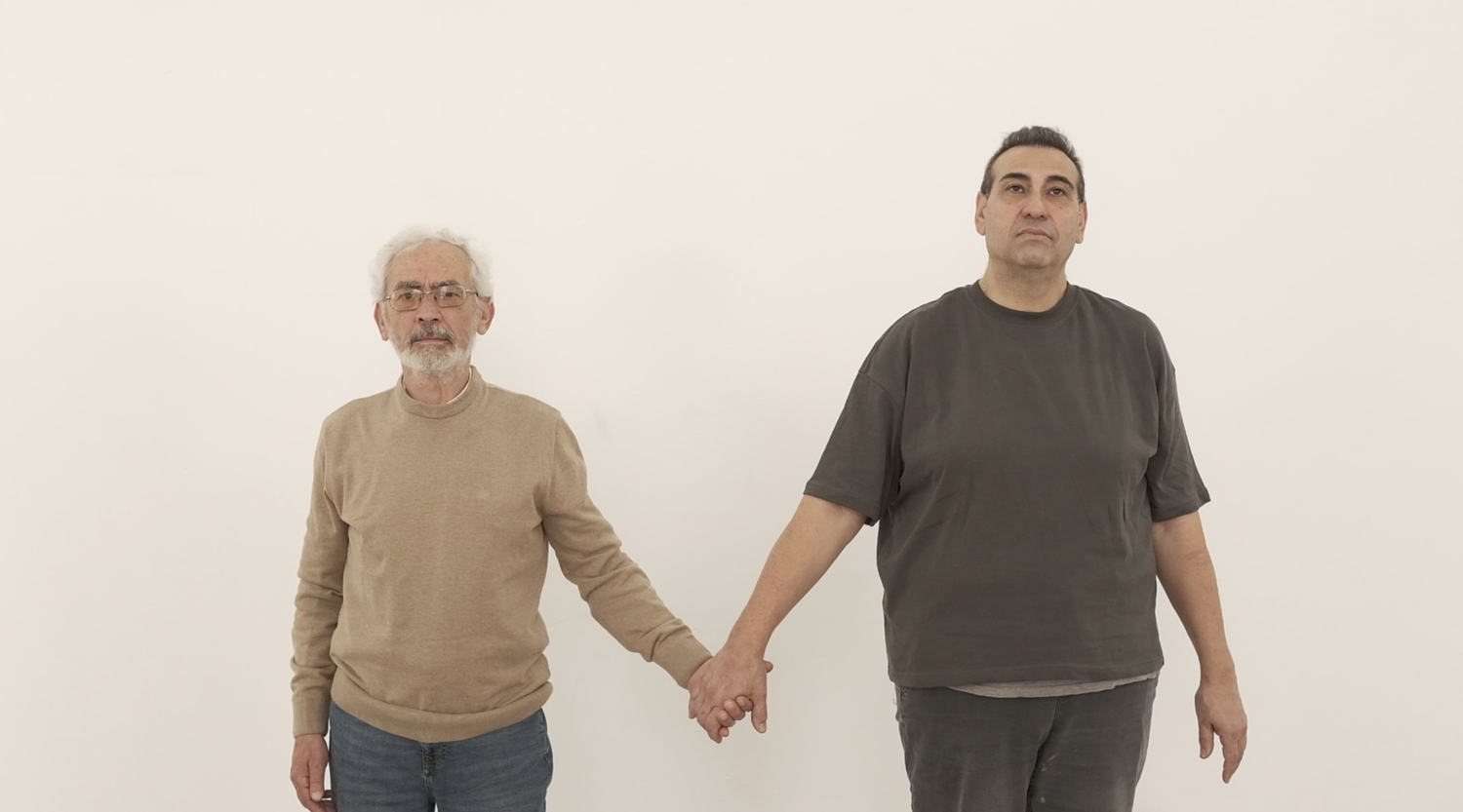
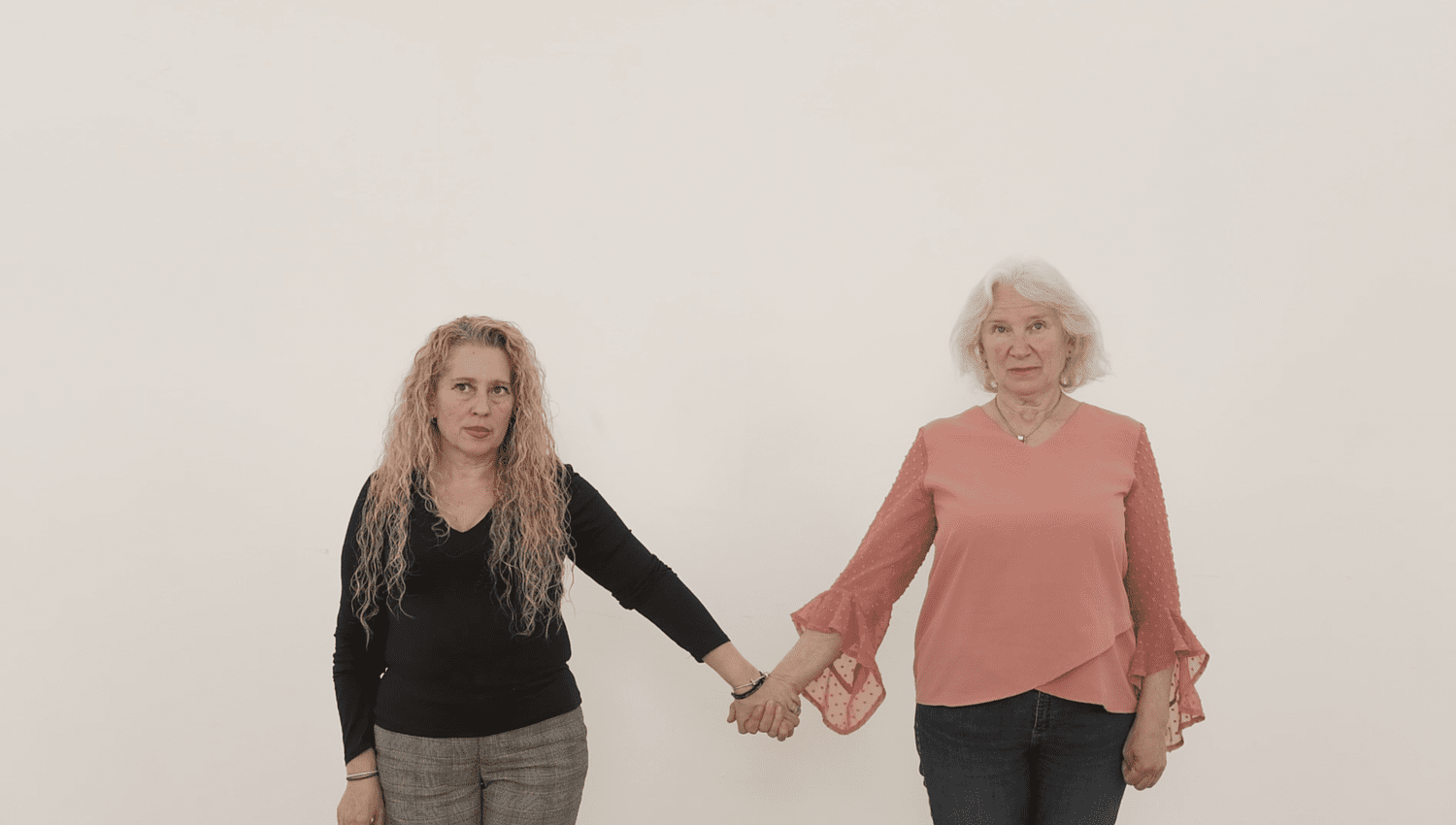
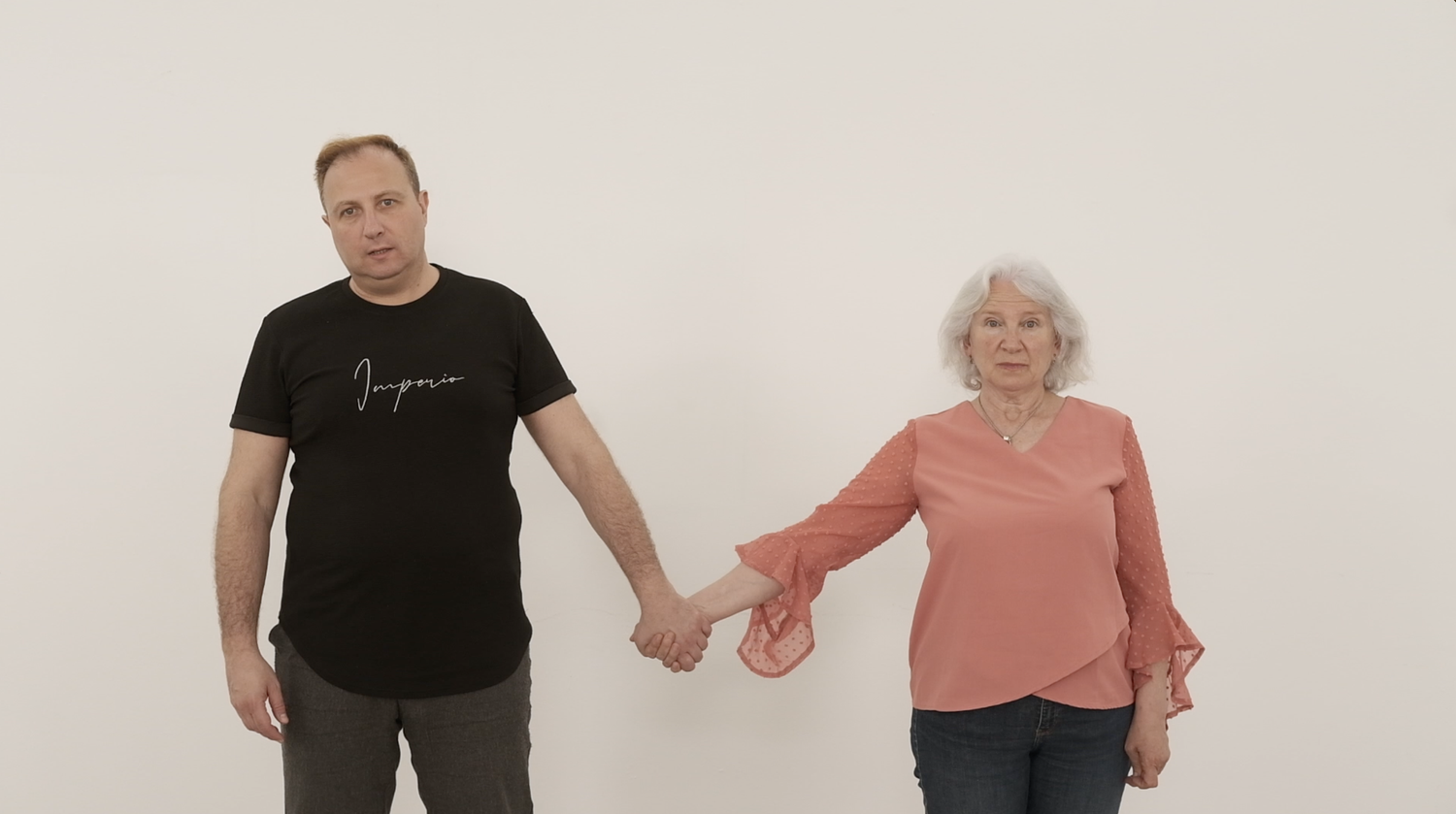
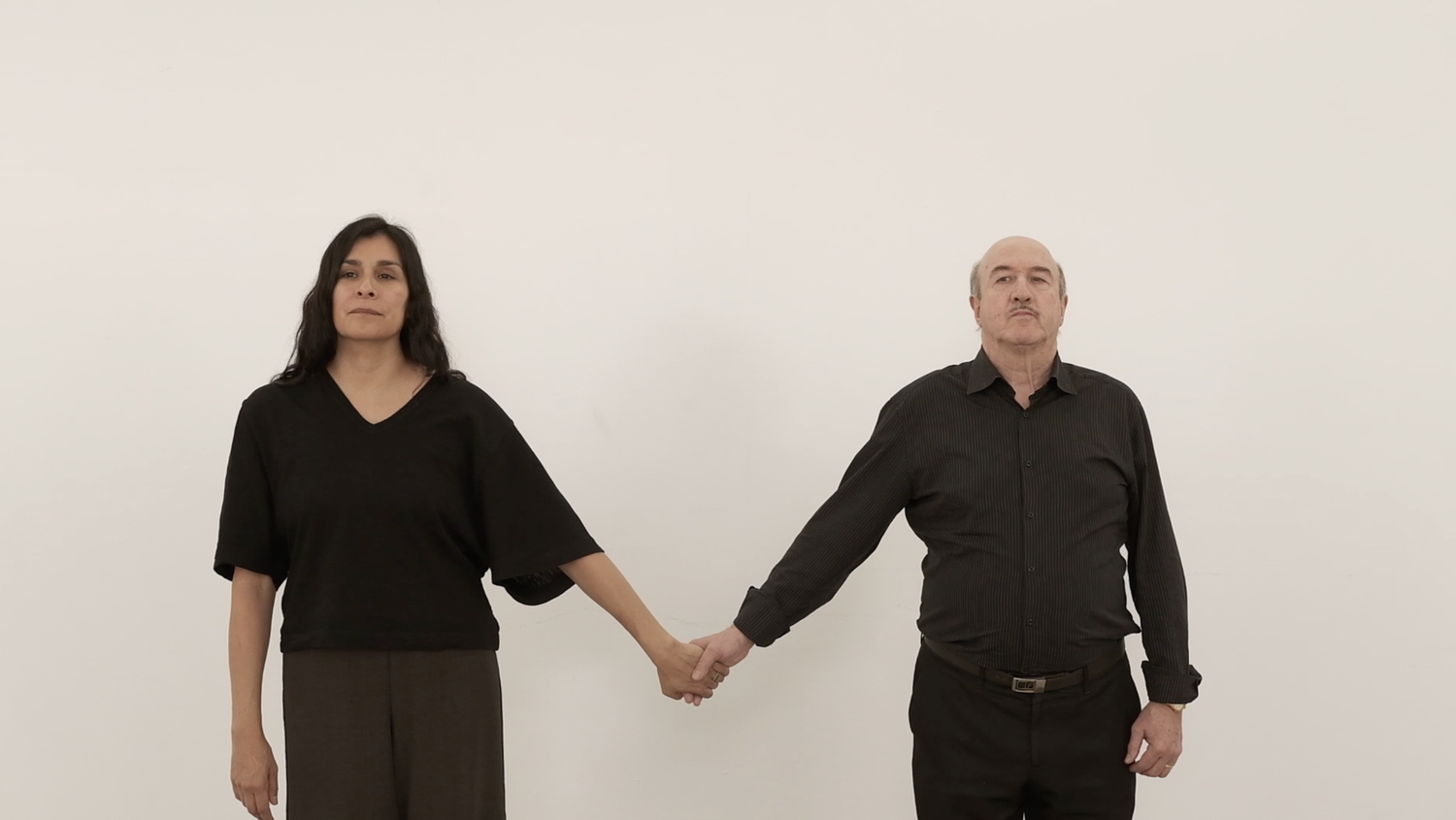
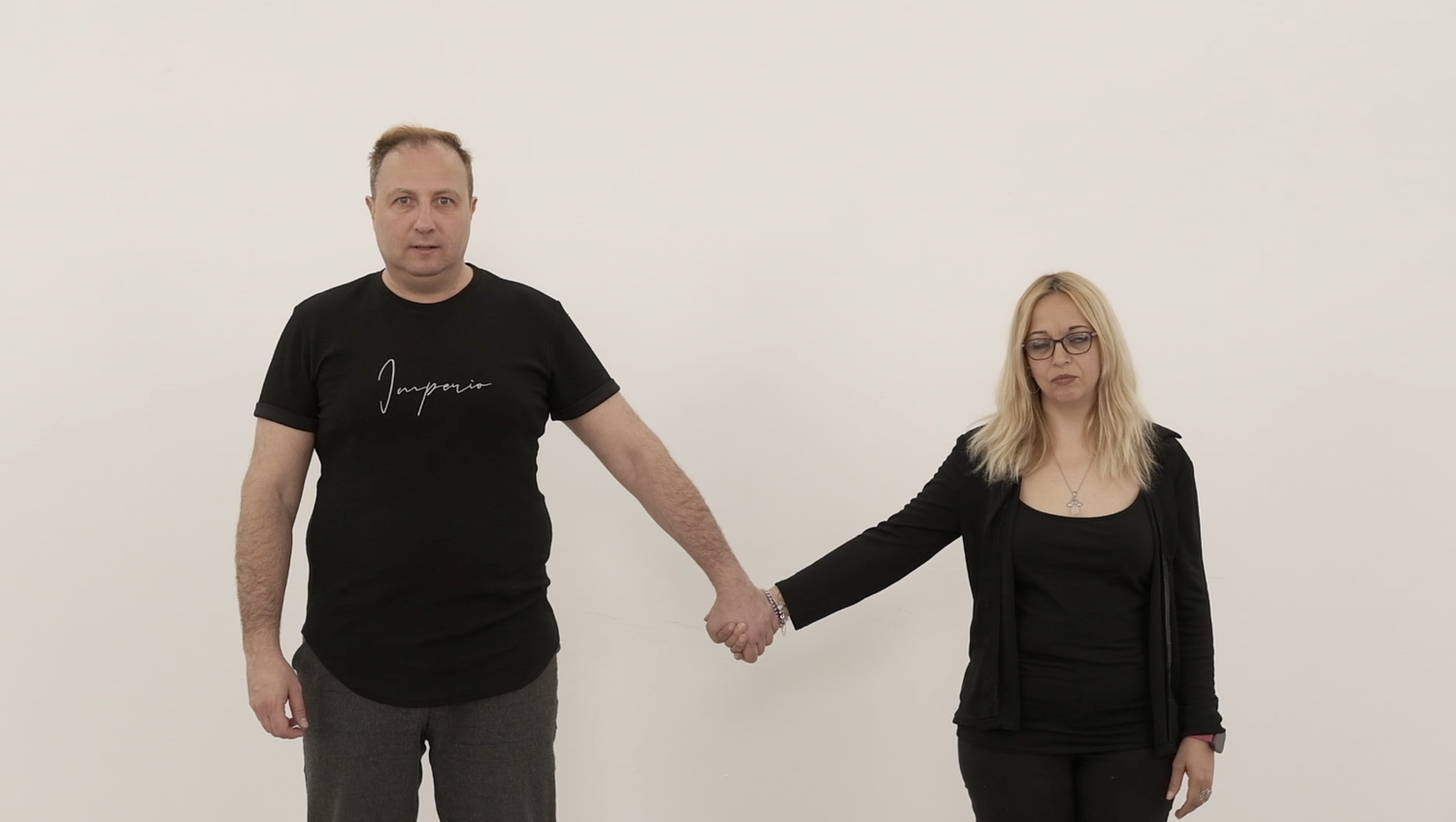
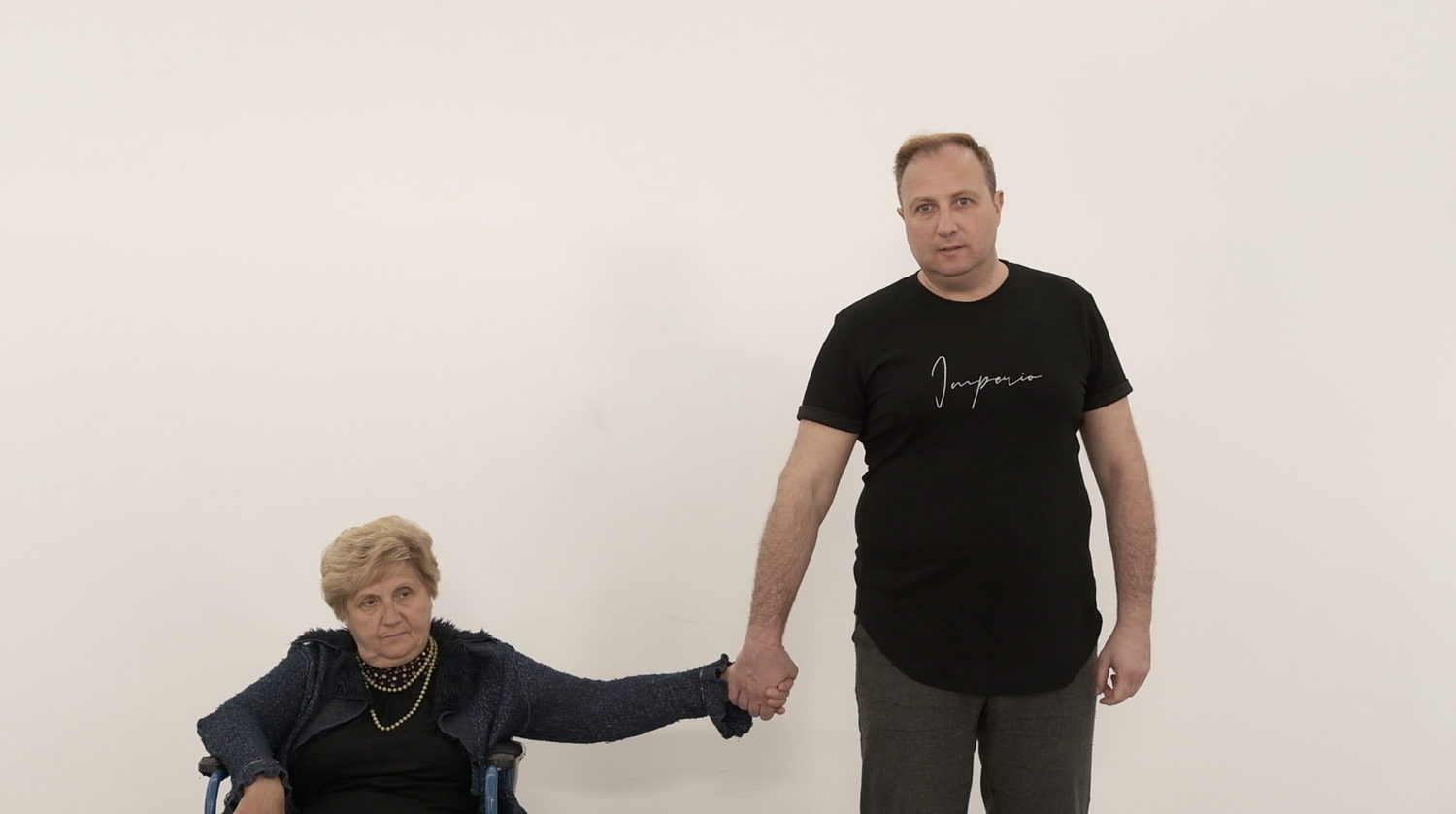
In 2023, various Spanish associations and organizations reached out to Azcona regarding the theft of children during the Francoist and post-Francoist periods. Since these are two key themes in the artist’s work—violence and childhood—Azcona committed to developing a series of new pieces in collaboration with them. Between 2023 and 2025, he completed all works related to his personal history, family, abandonment, and other forms of violence. It was in 2025, however, that he began a series of performances addressing the theft of children, working closely with many of the protagonists—both children and mothers—of one of the most violent and forgotten episodes in Spain’s history.
Stealing a baby should not be easy, yet in Spain it occurred with impunity between 1940 and 1990. The latest report from the Ombudsman estimates that at least 1,414 cases related to child theft are currently open in the courts. According to the victims, during that half-century, stealing children was surprisingly simple for nuns, priests, and others involved in baby trafficking. The most commonly used strategy was to sedate the mothers and later tell them that their children had been stillborn.
En el año 2023, contactan con Azcona diferentes asociaciones y organizaciones españolas en torno al robo de niños durante el franquismo y el postfranquismo. Al ser dos temas claves en la obra del artista: violencia e infancia, Azcona se compromete a desarrollar una serie de nuevas piezas junto a ellos. En el año 2023, 2024 y 2025 Azcona concluye todas las obras en torno a su historia personal, familia, abandono y otras violencias. Por lo que es en el año 2025 donde inicia diferentes performances en torno al robo de niños junto a muchos de los protagonistas, tanto hijos como madres, de uno de los episodios más violentos y olvidados de la historia de España.
Robar un bebé no debería ser algo fácil, pero en España ocurrió impunemente entre 1940 y 1990. El último informe del Defensor del Pueblo estima que hay al menos 1.414 casos abiertos en los tribunales relacionados con el robo de niños. Según informan las víctimas, durante ese medio siglo robar niños resultó muy simple para monjas, curas y otros que quisieran traficar con bebés. La estrategia más usada era sedar a las madres y decirles posteriormente que sus hijos habían nacido muertos.
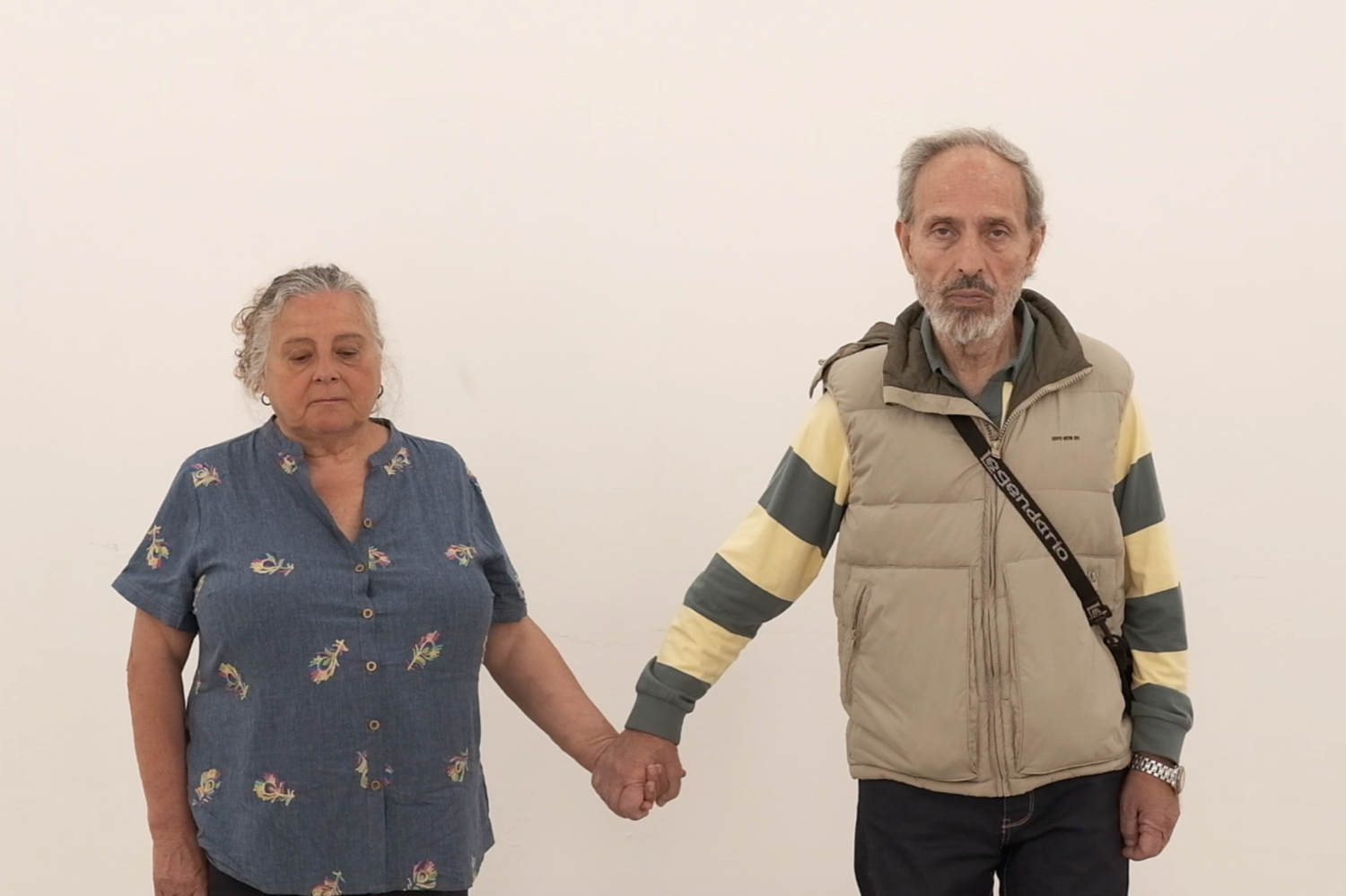
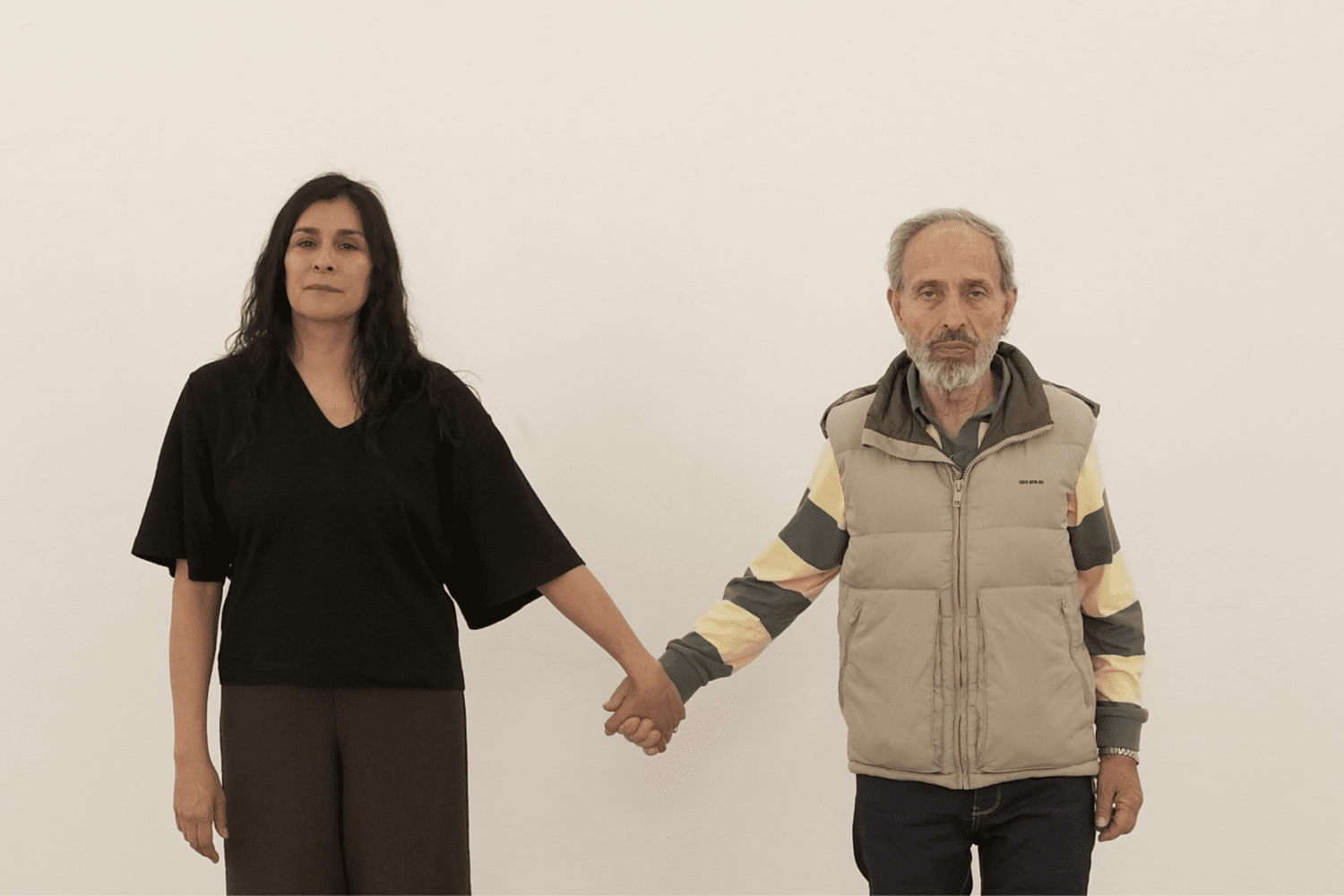
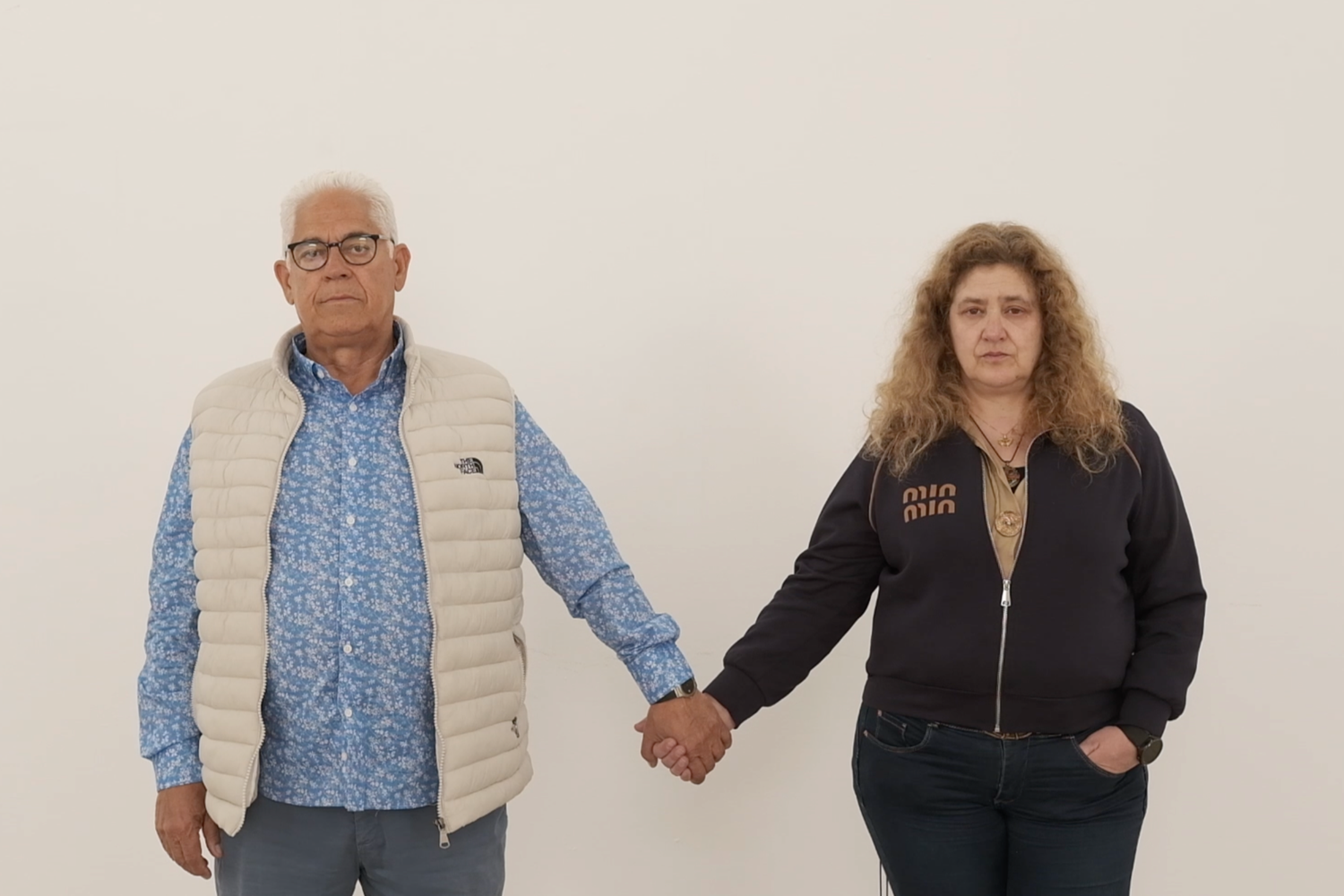
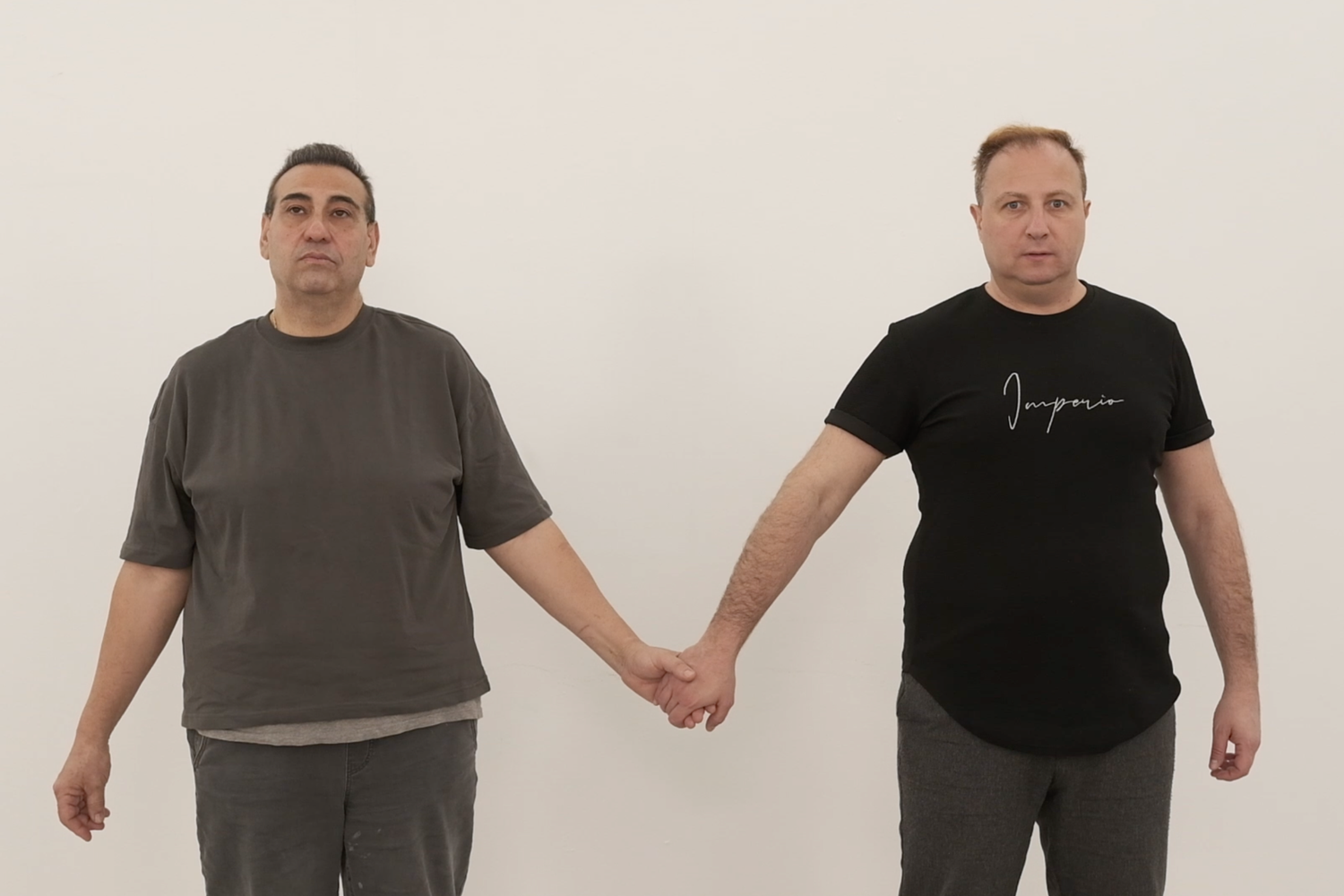
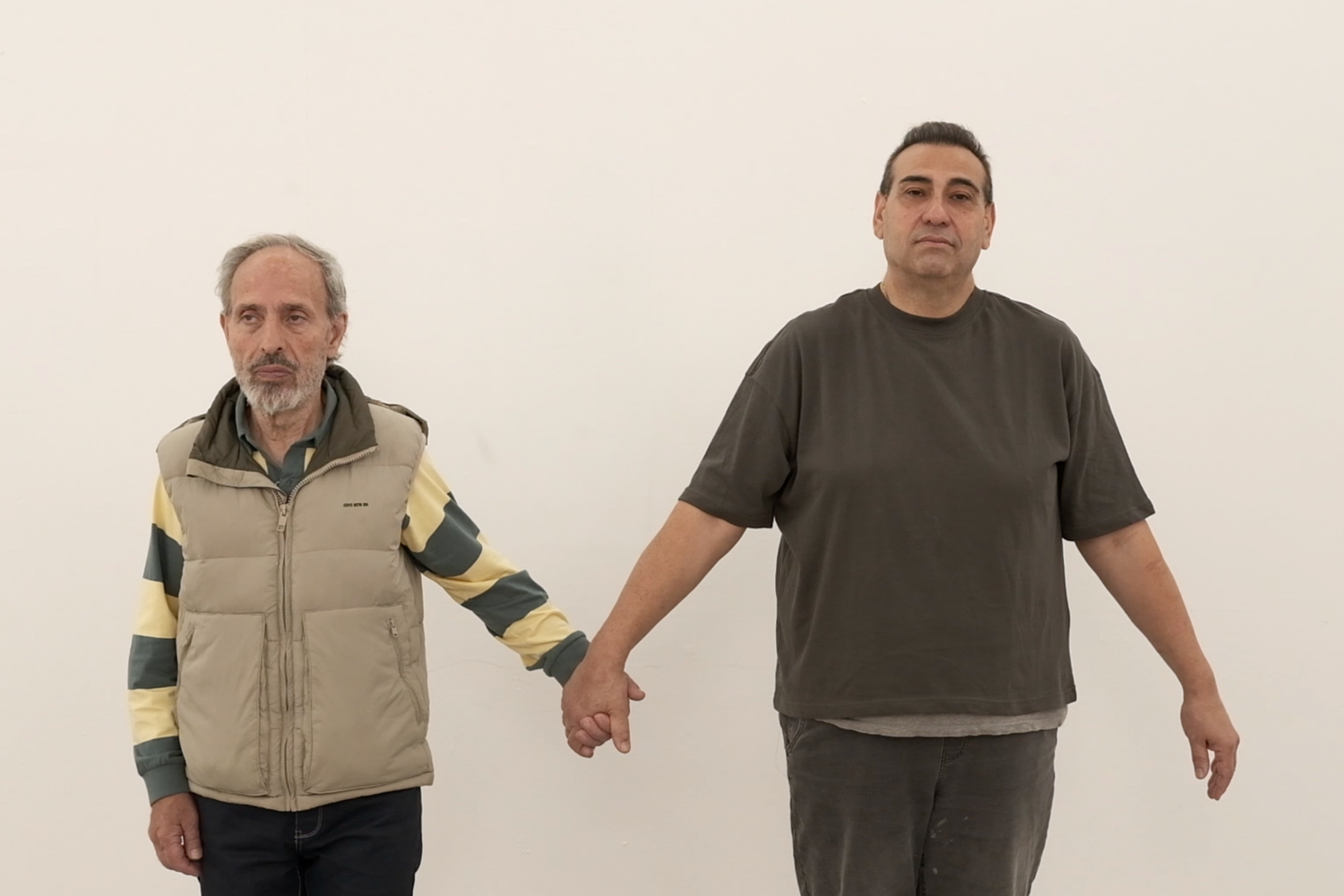
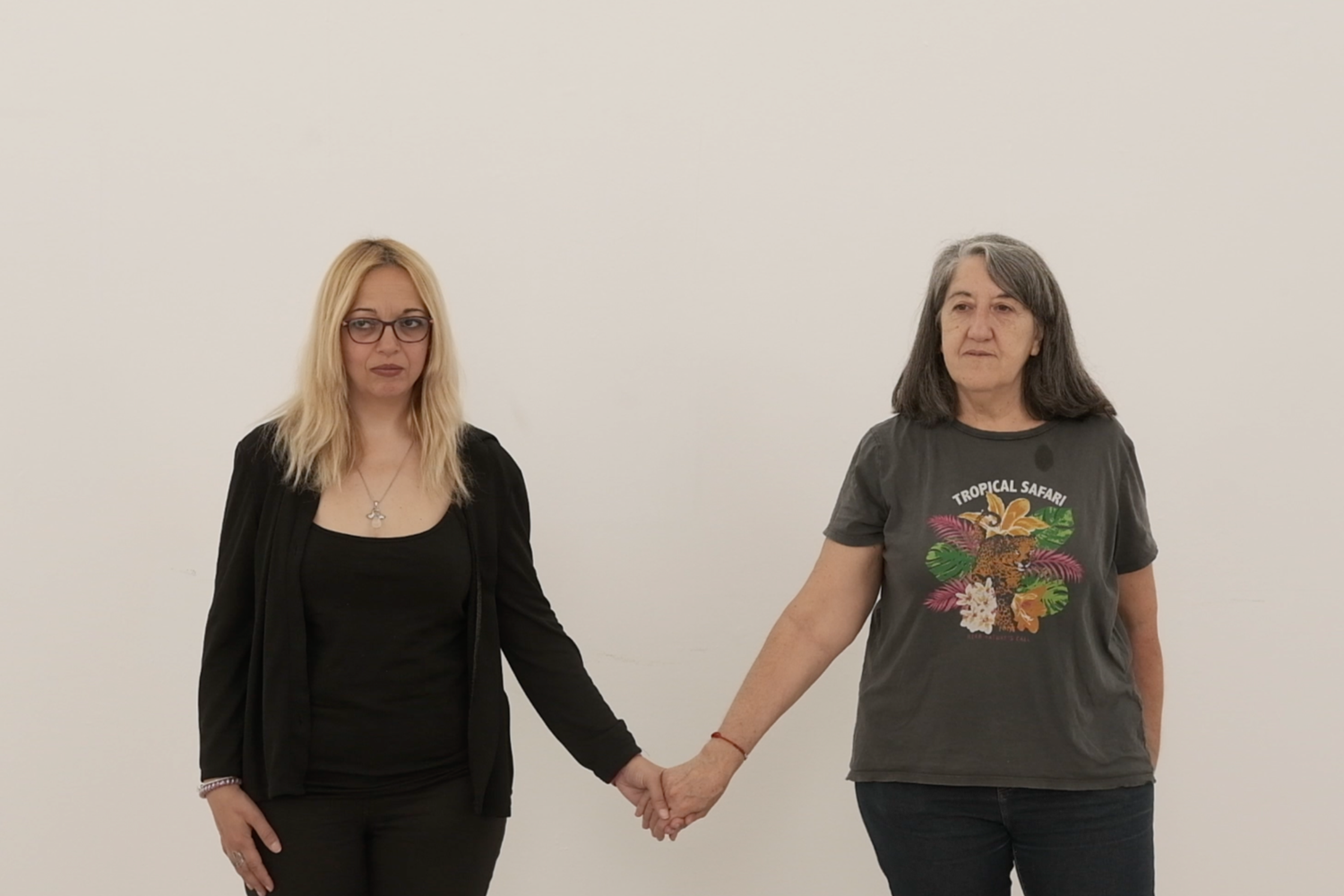
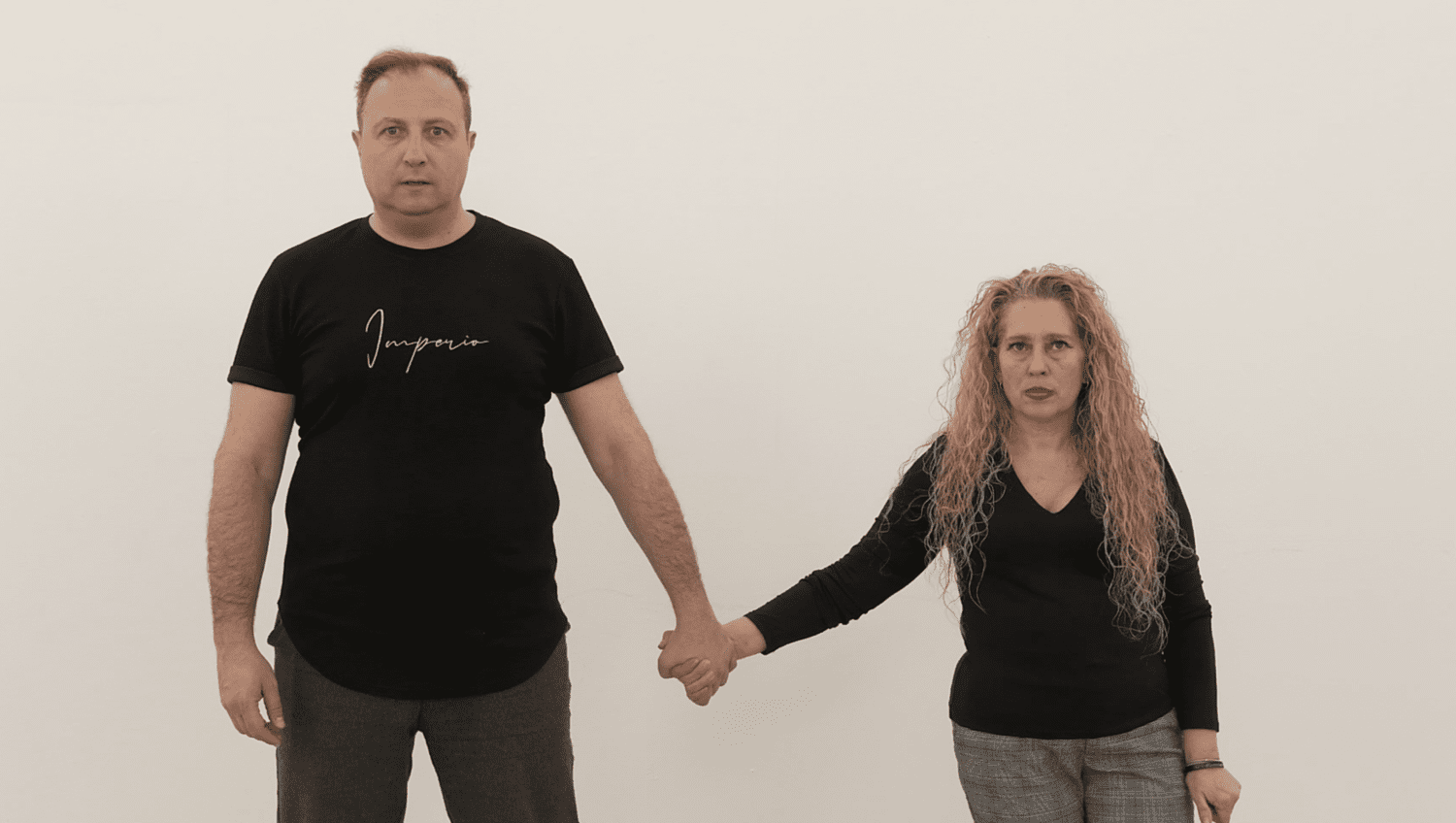
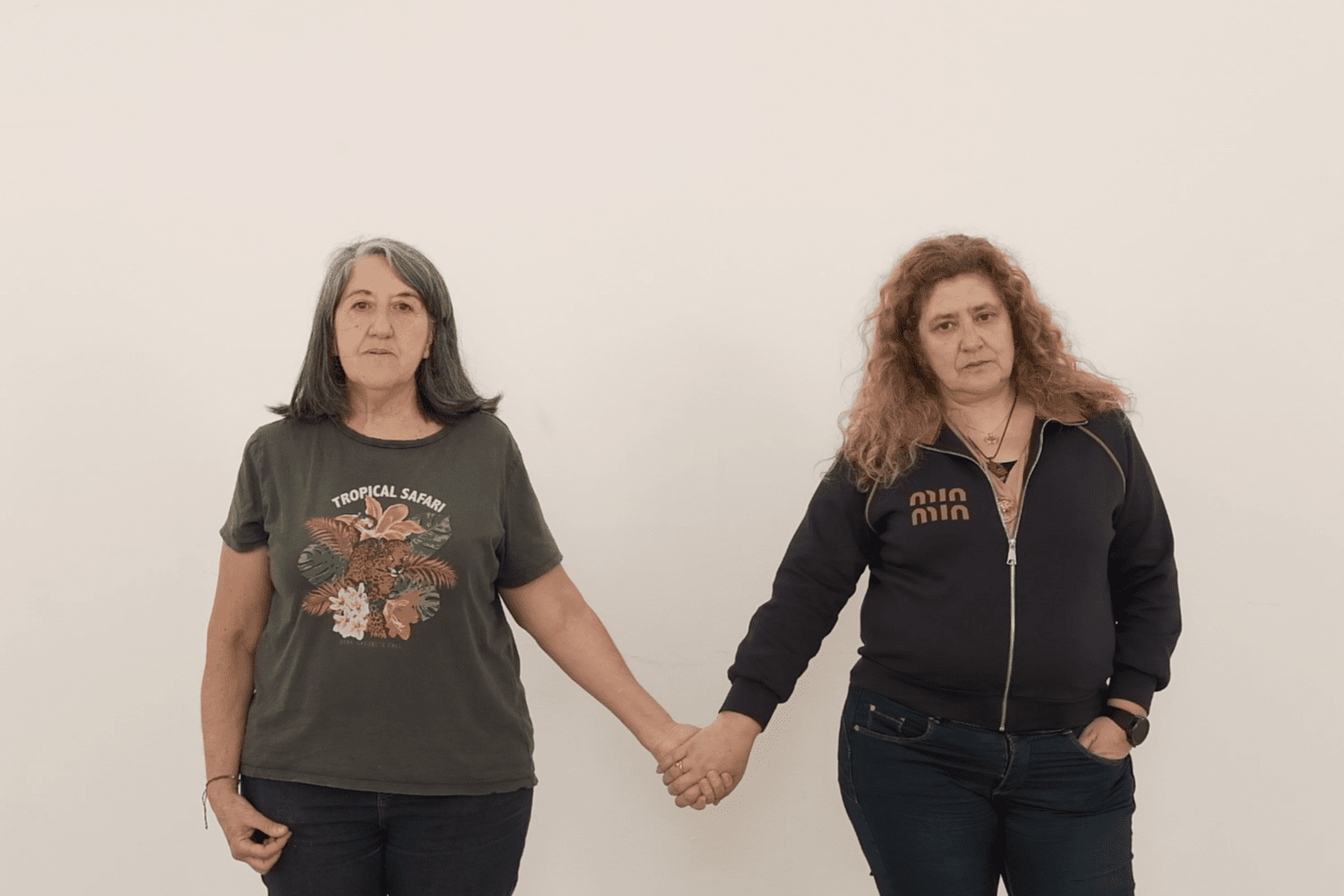
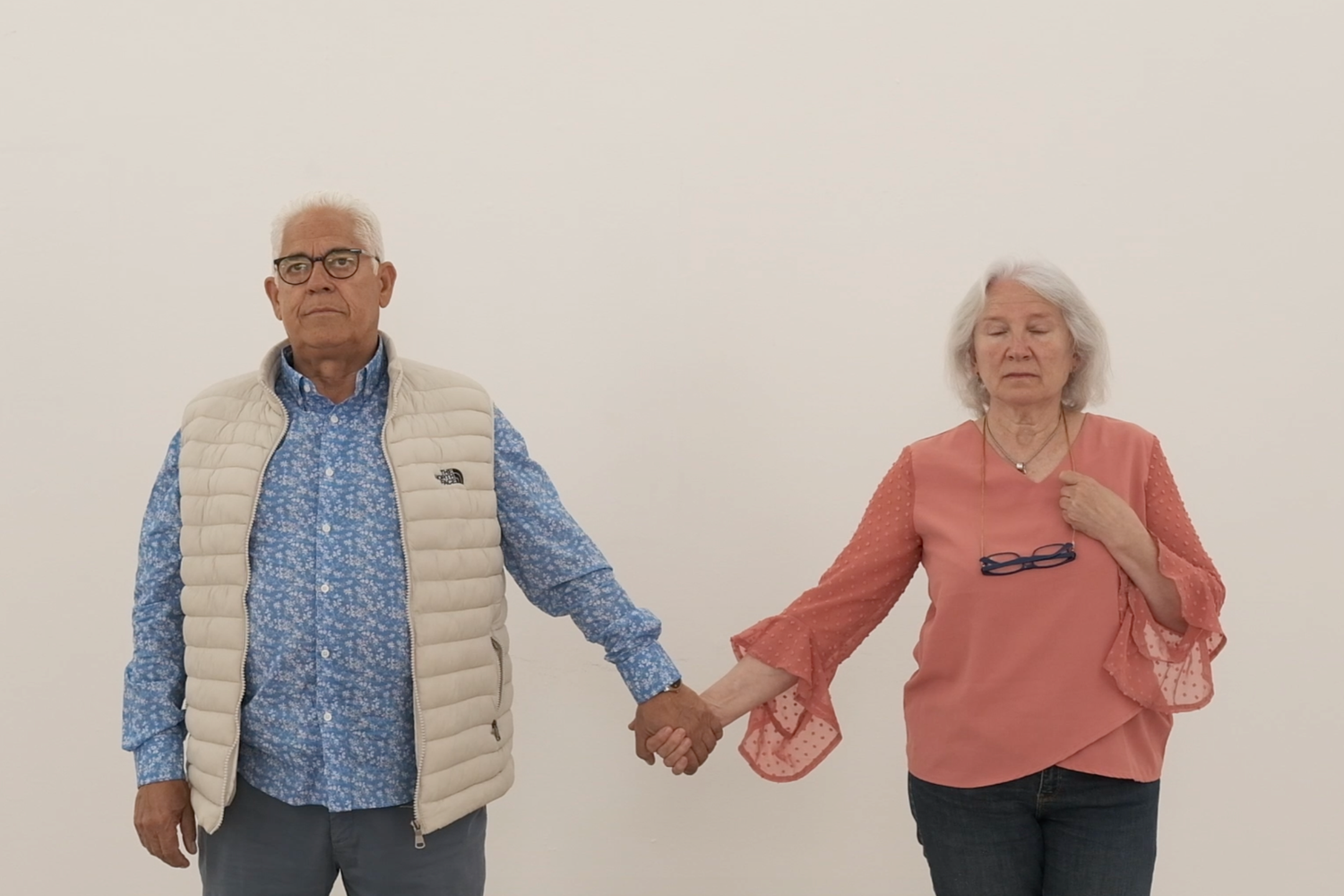
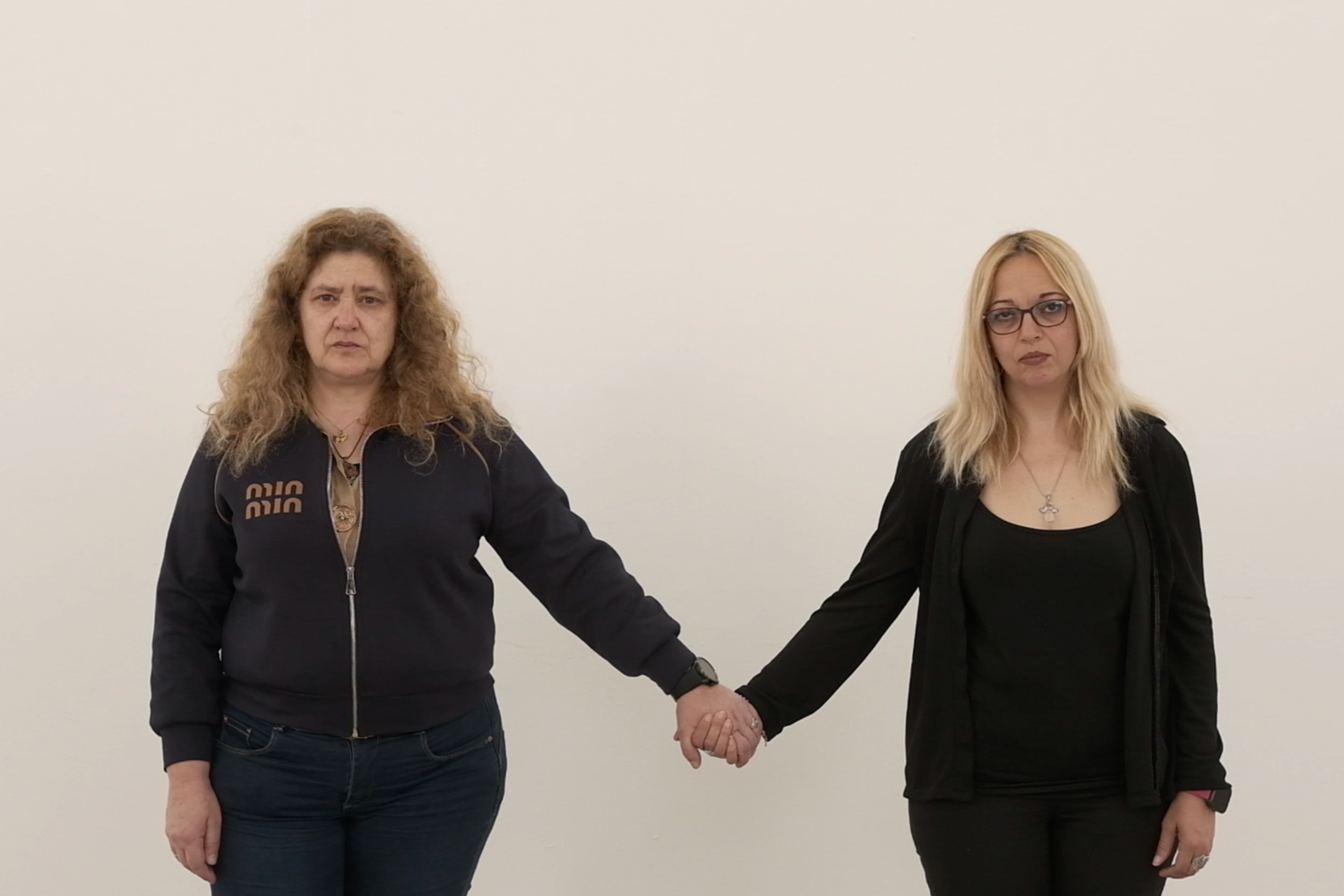
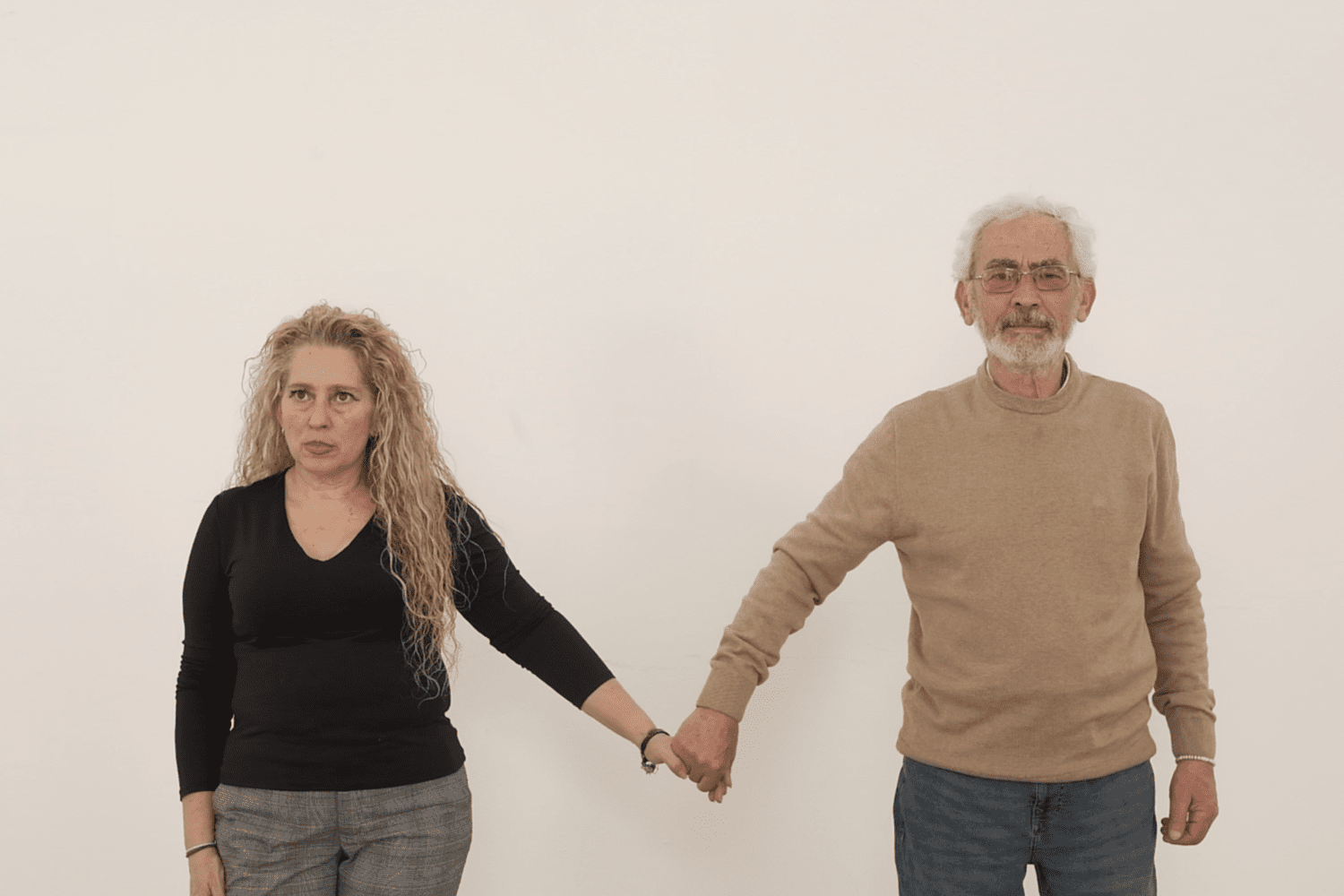
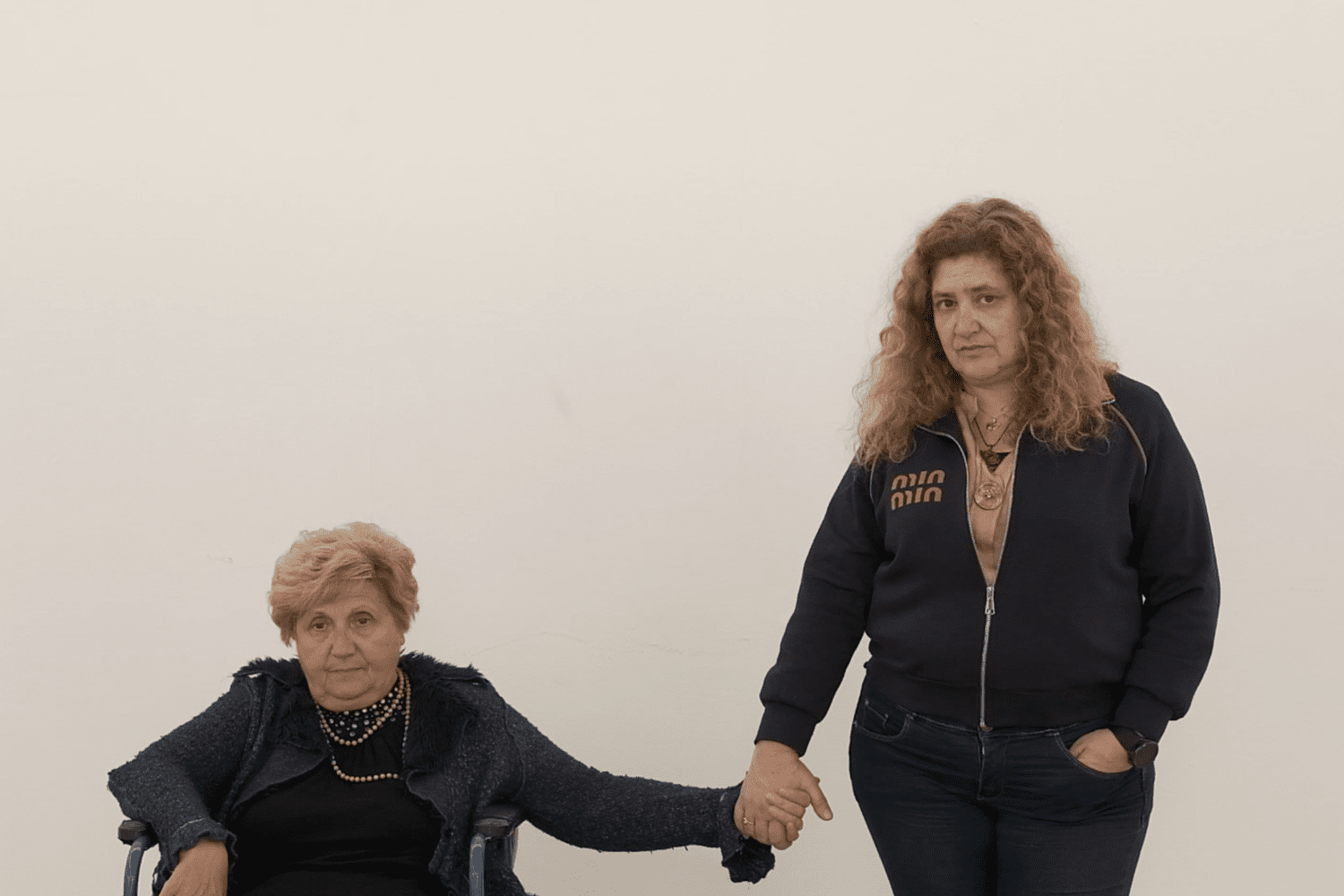
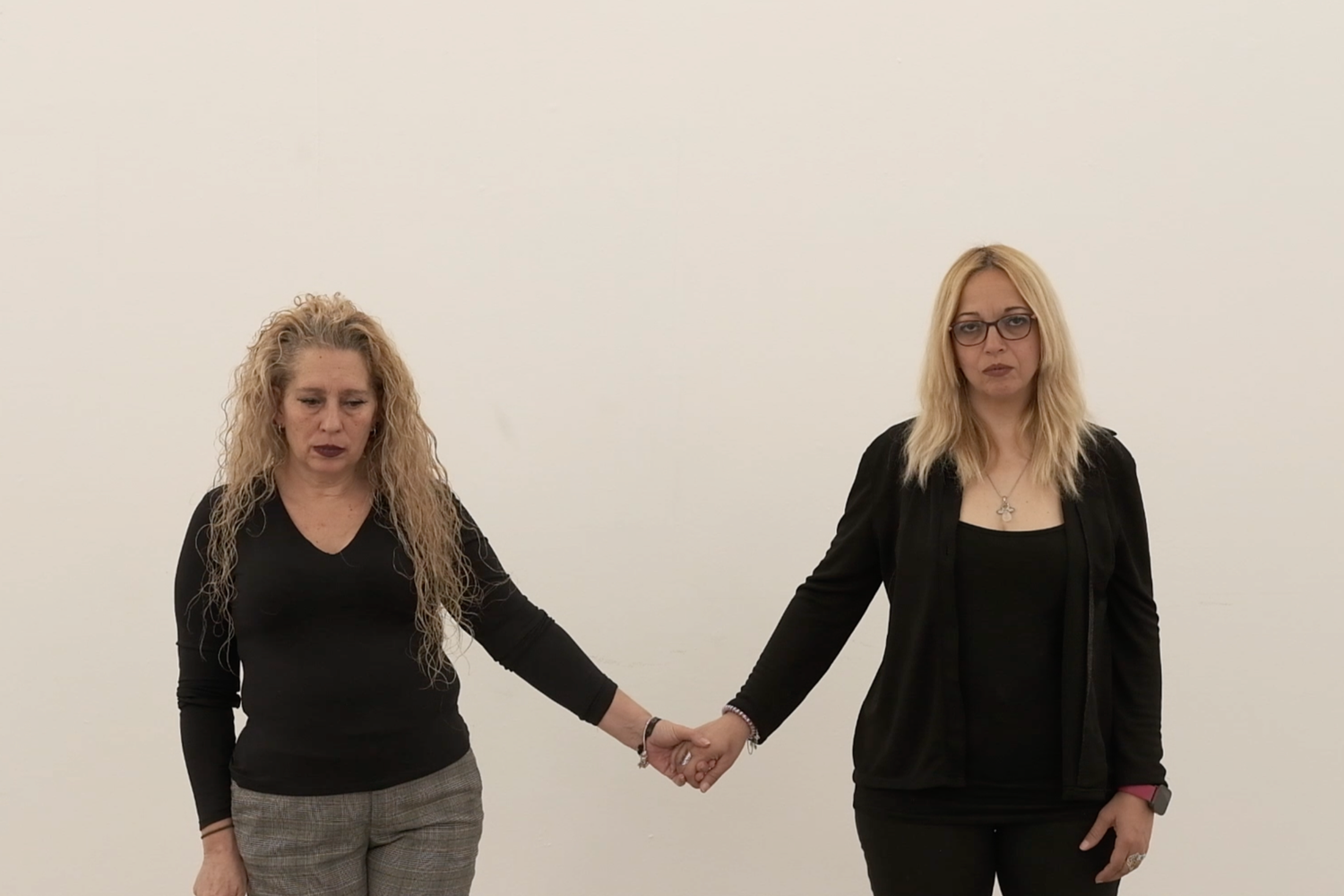
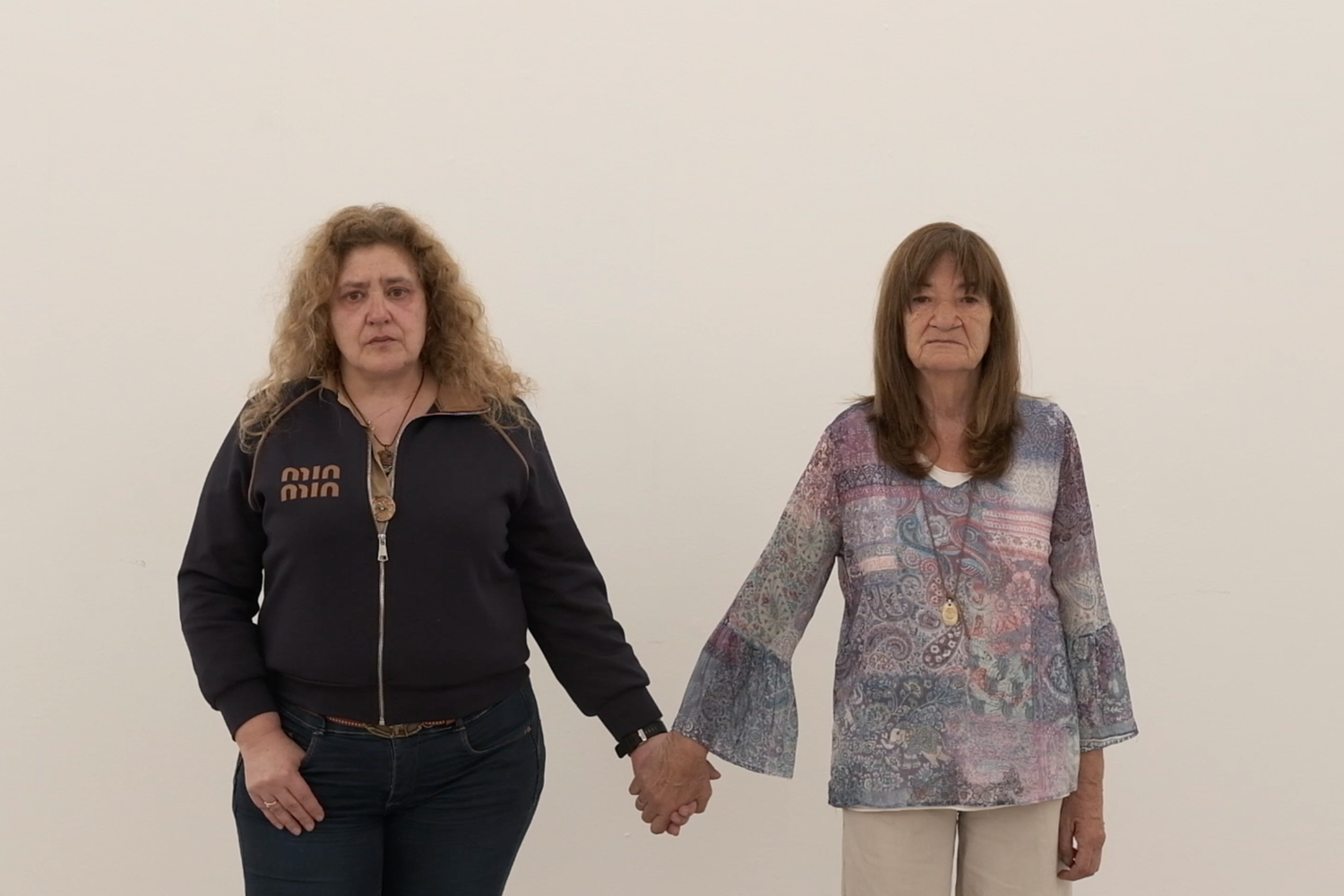
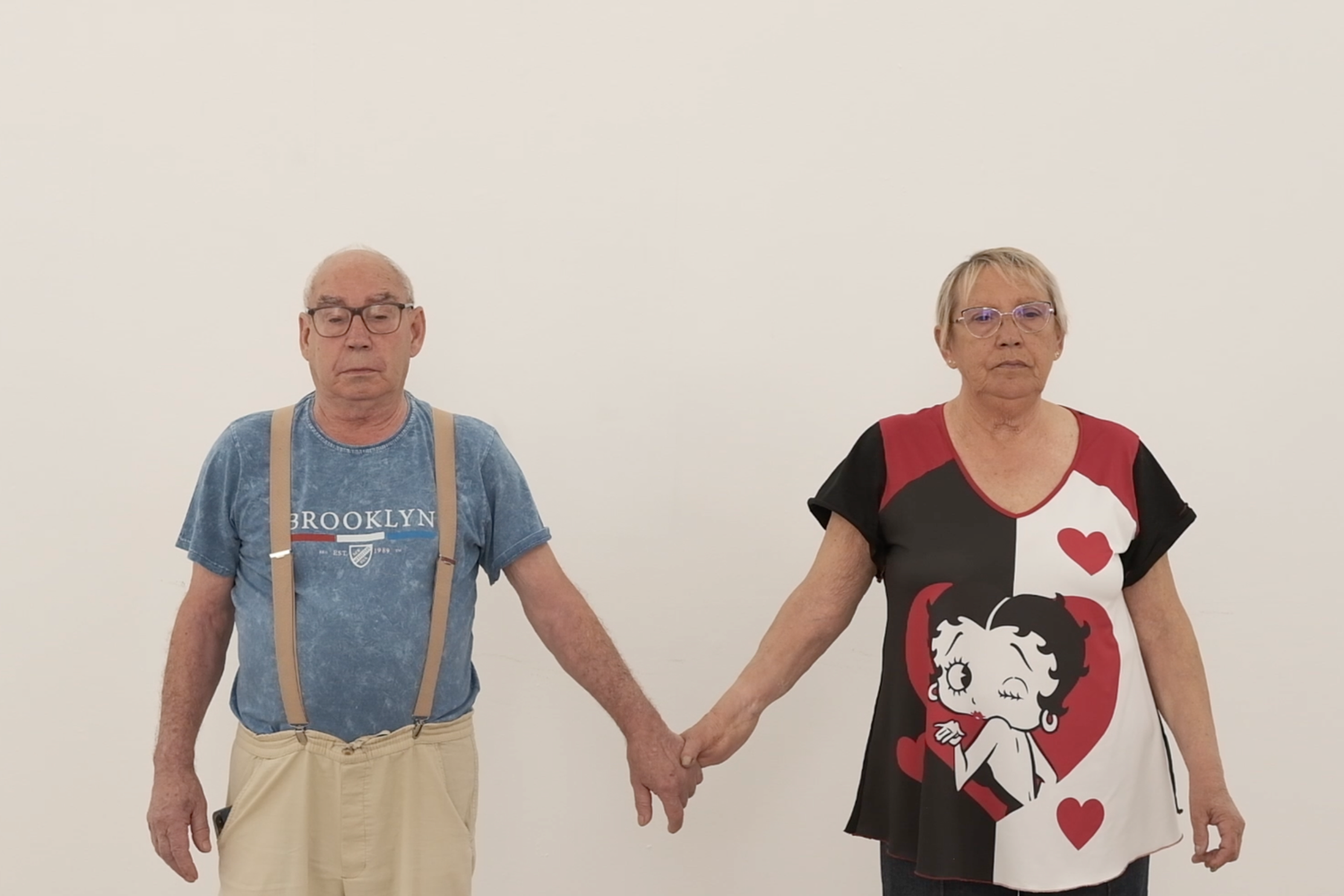
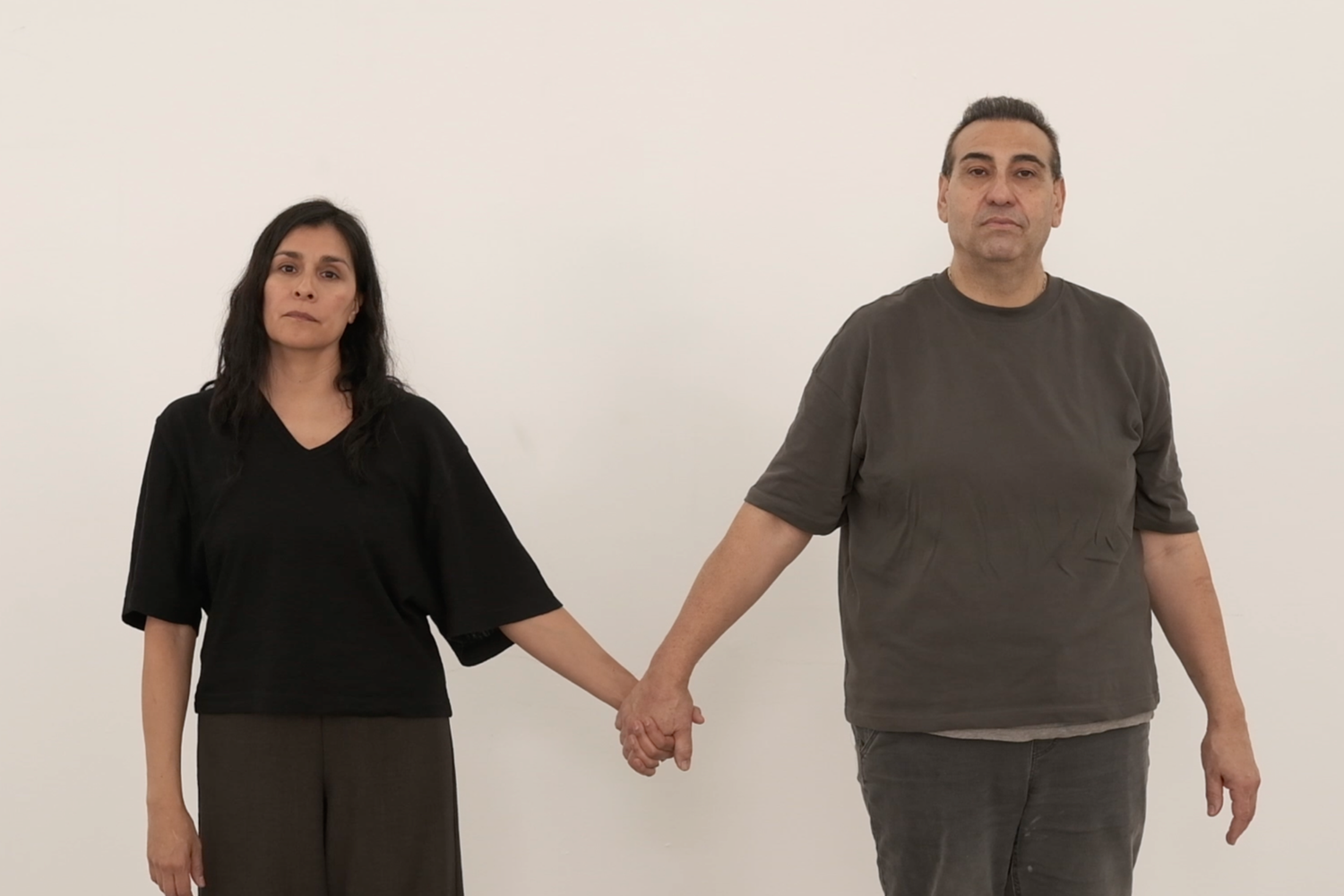
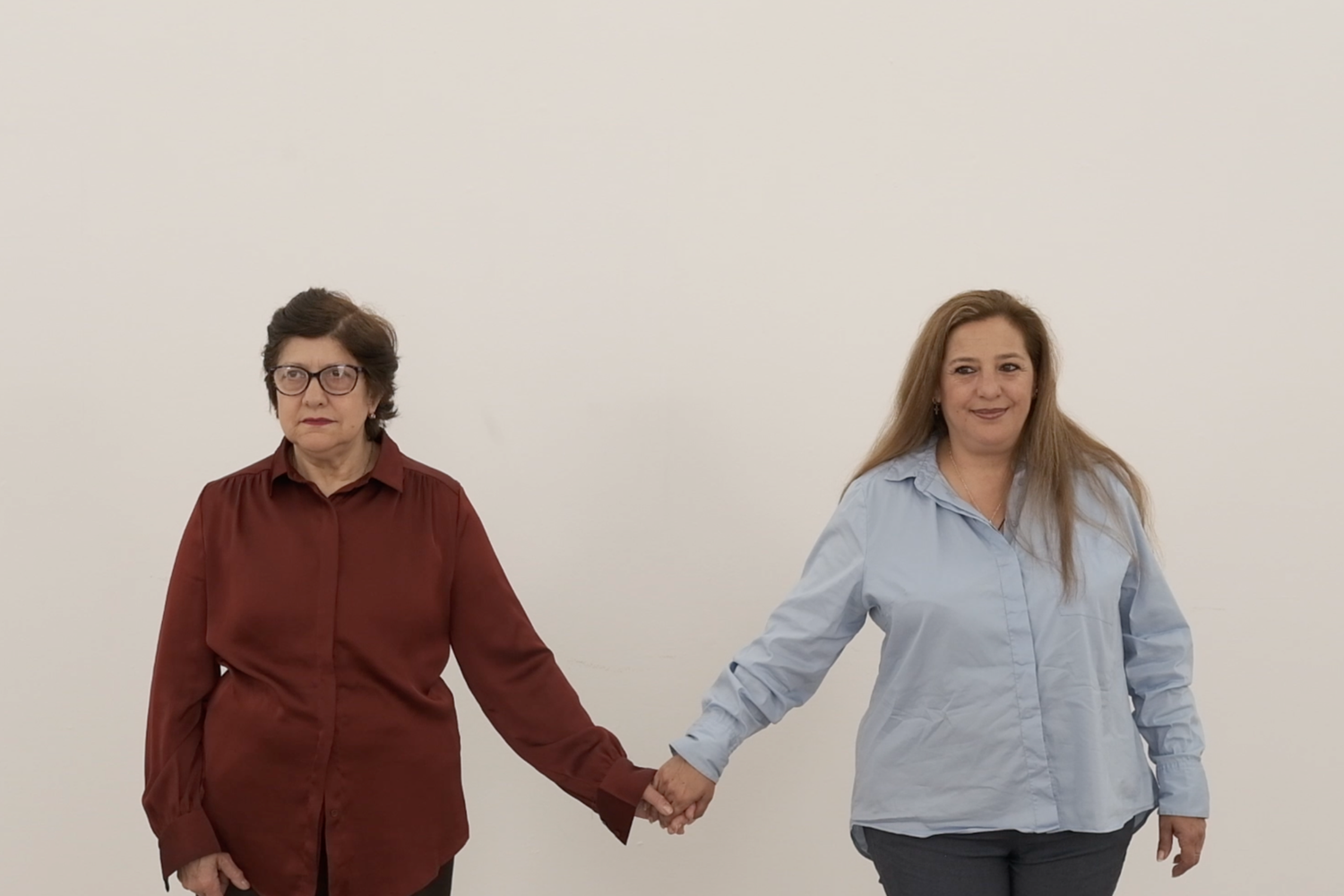
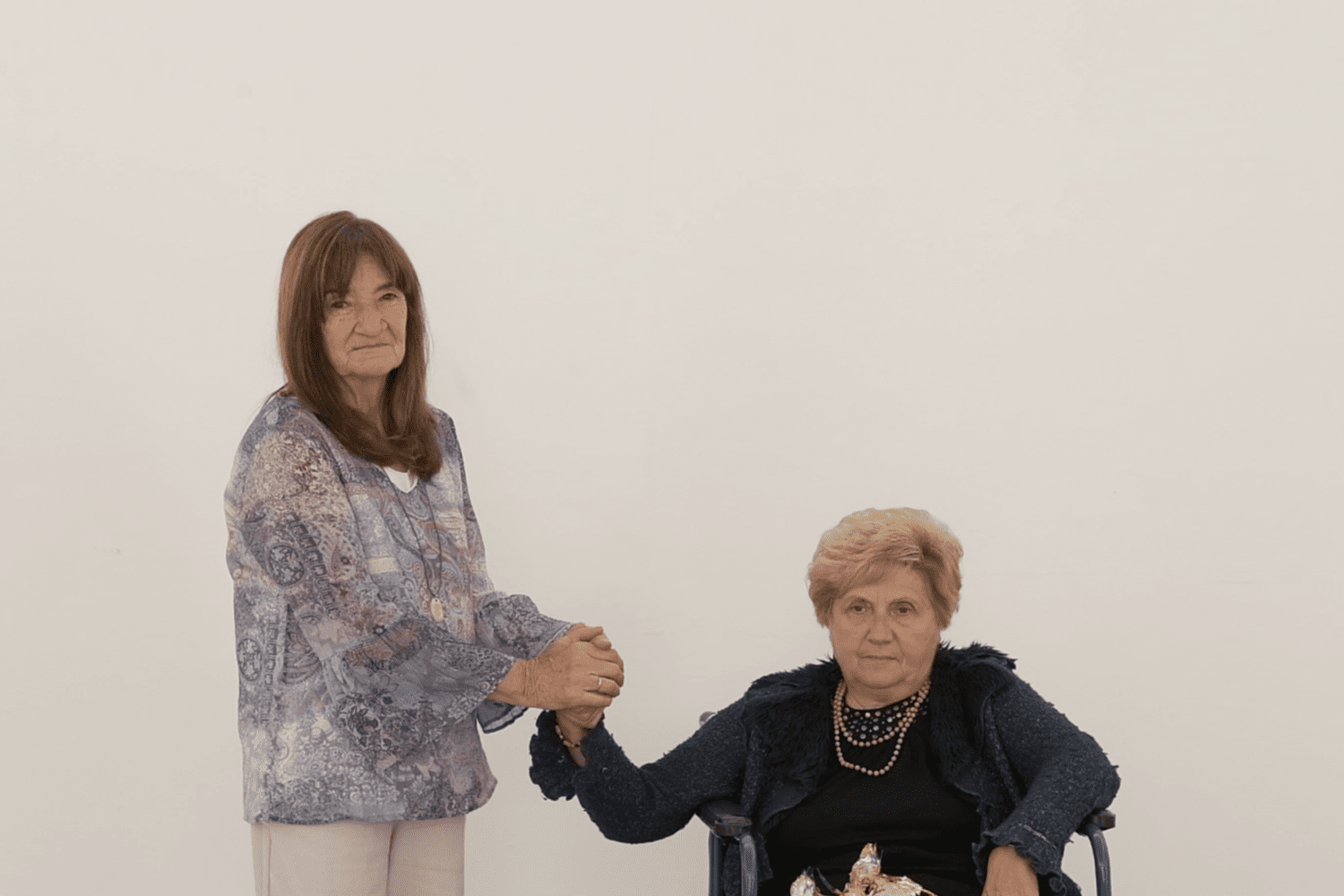
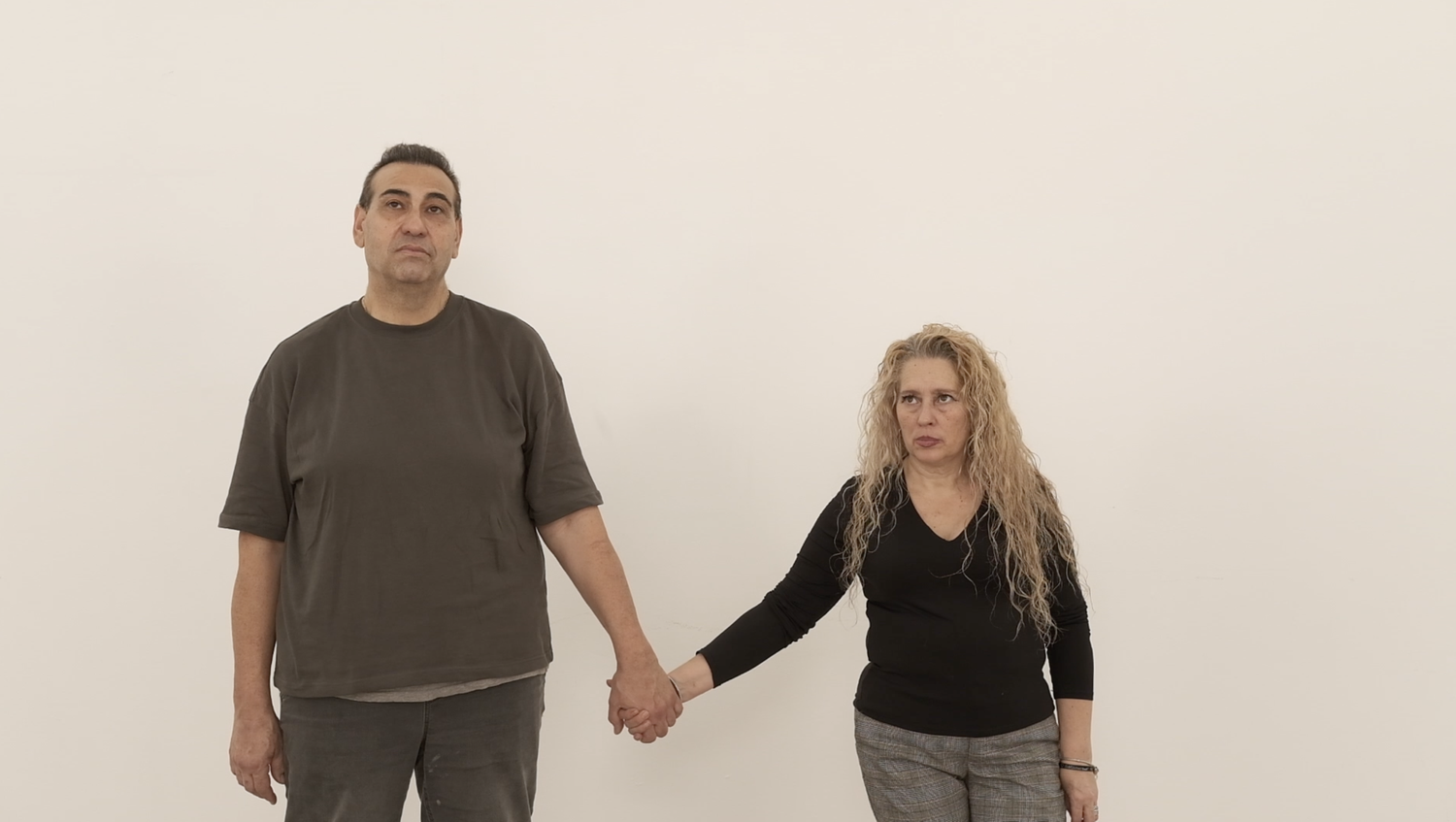
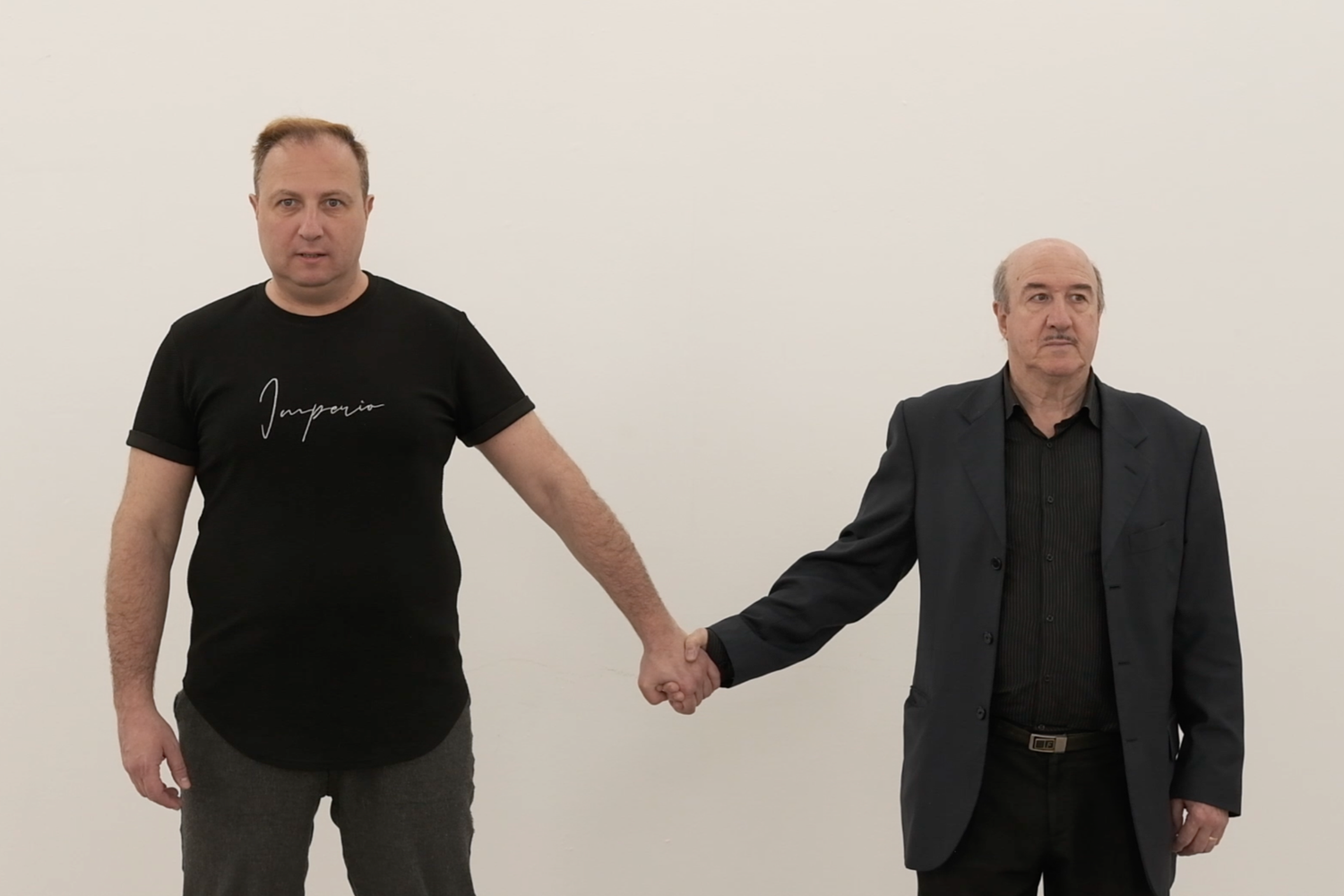
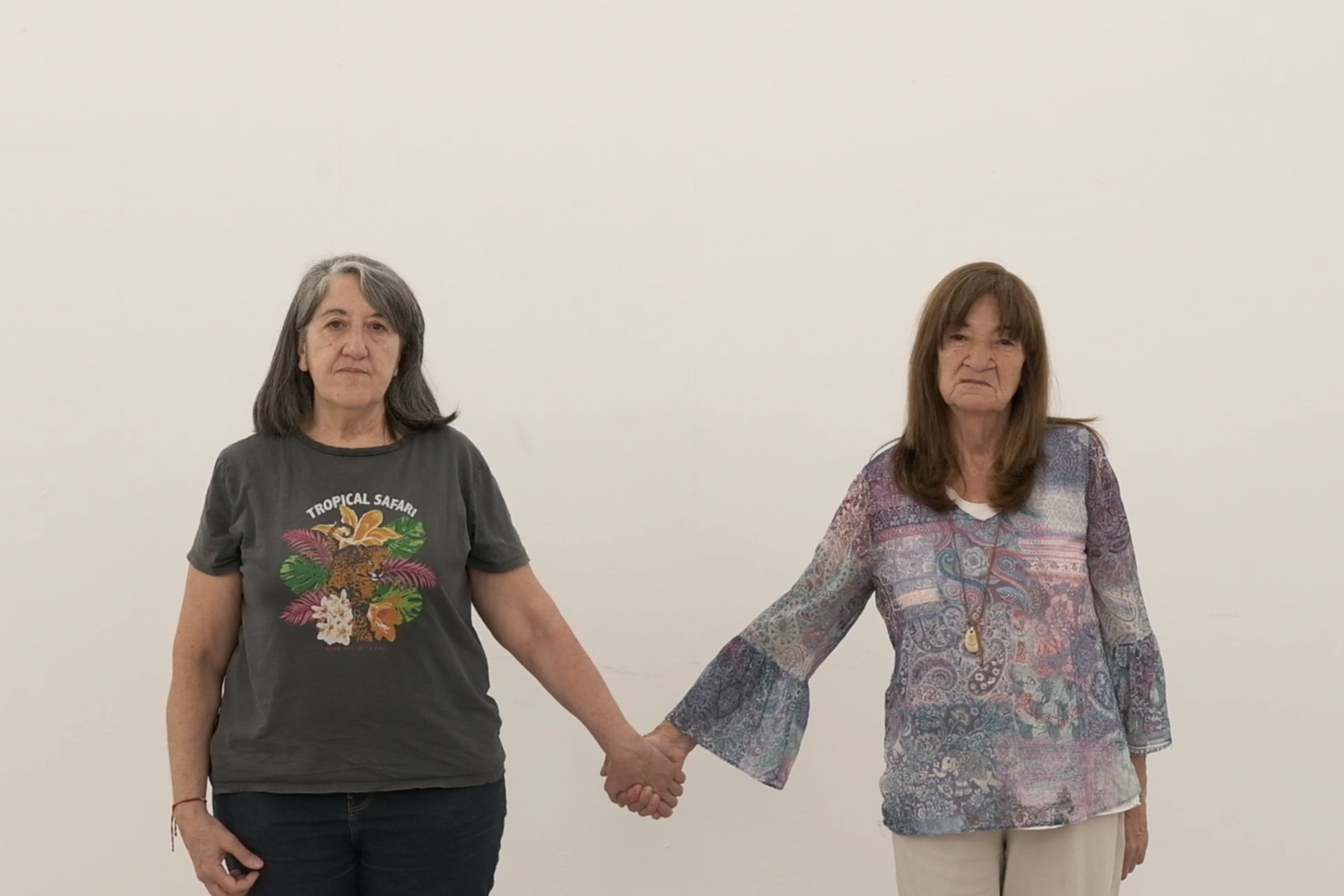
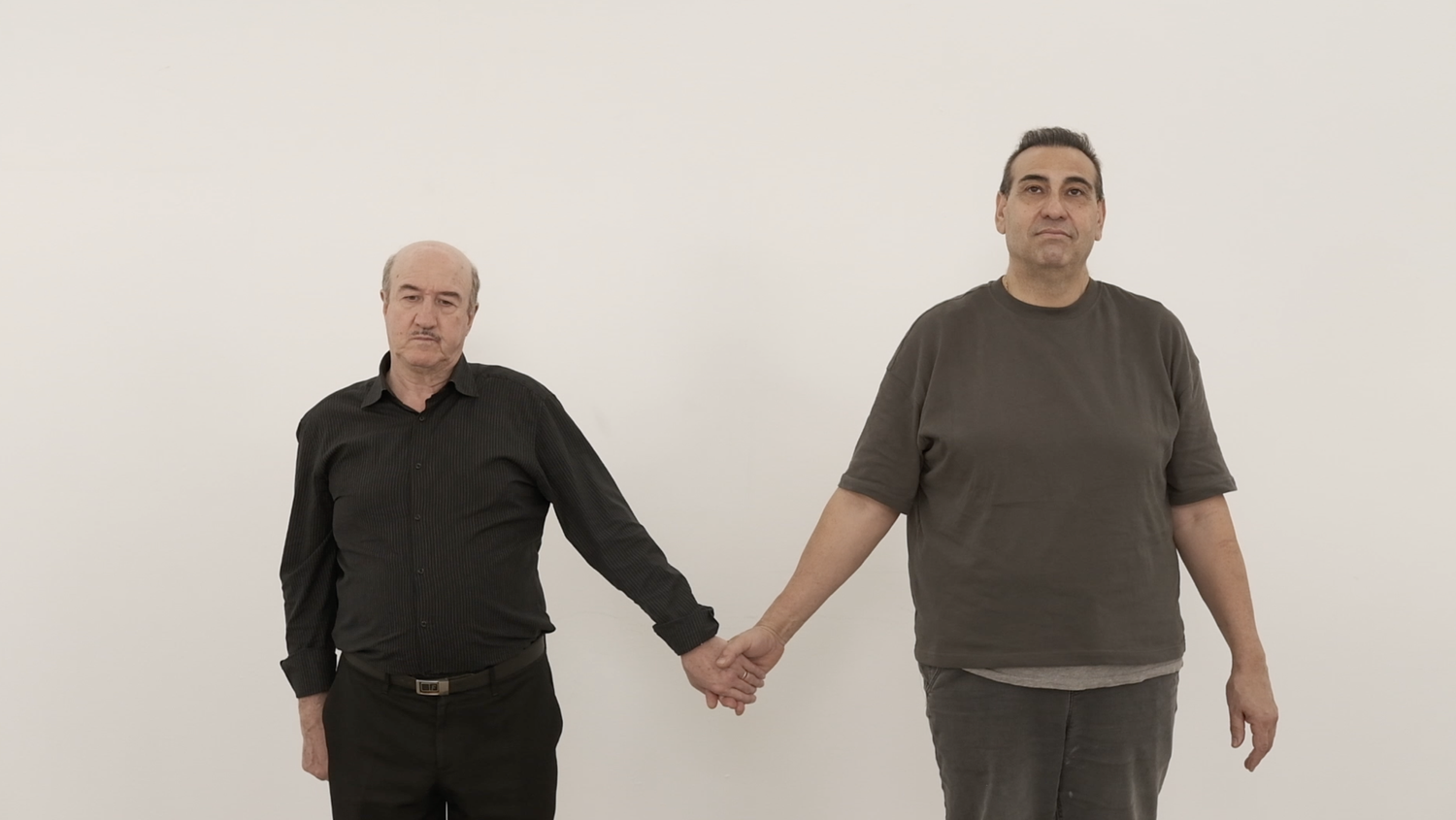
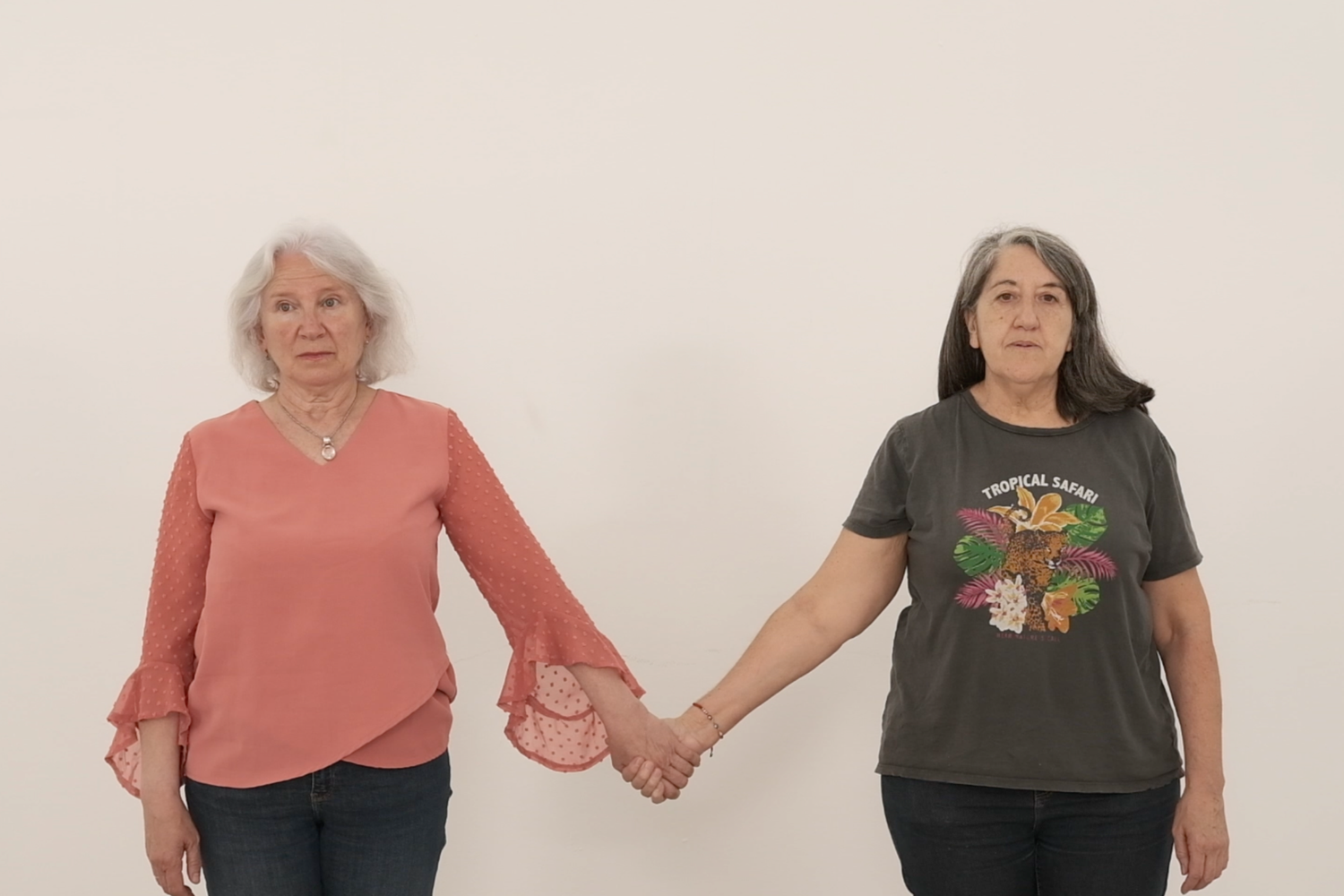
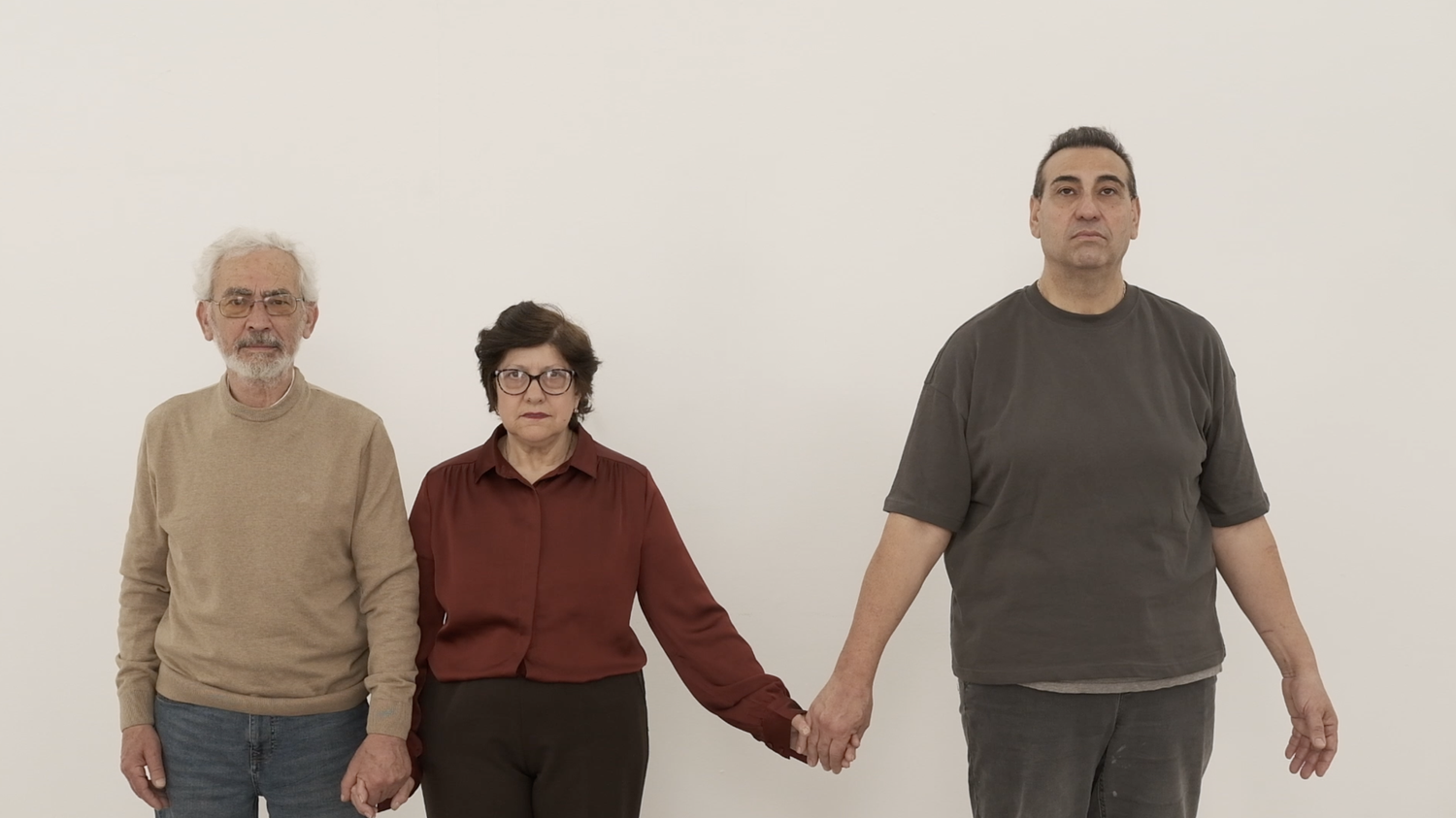
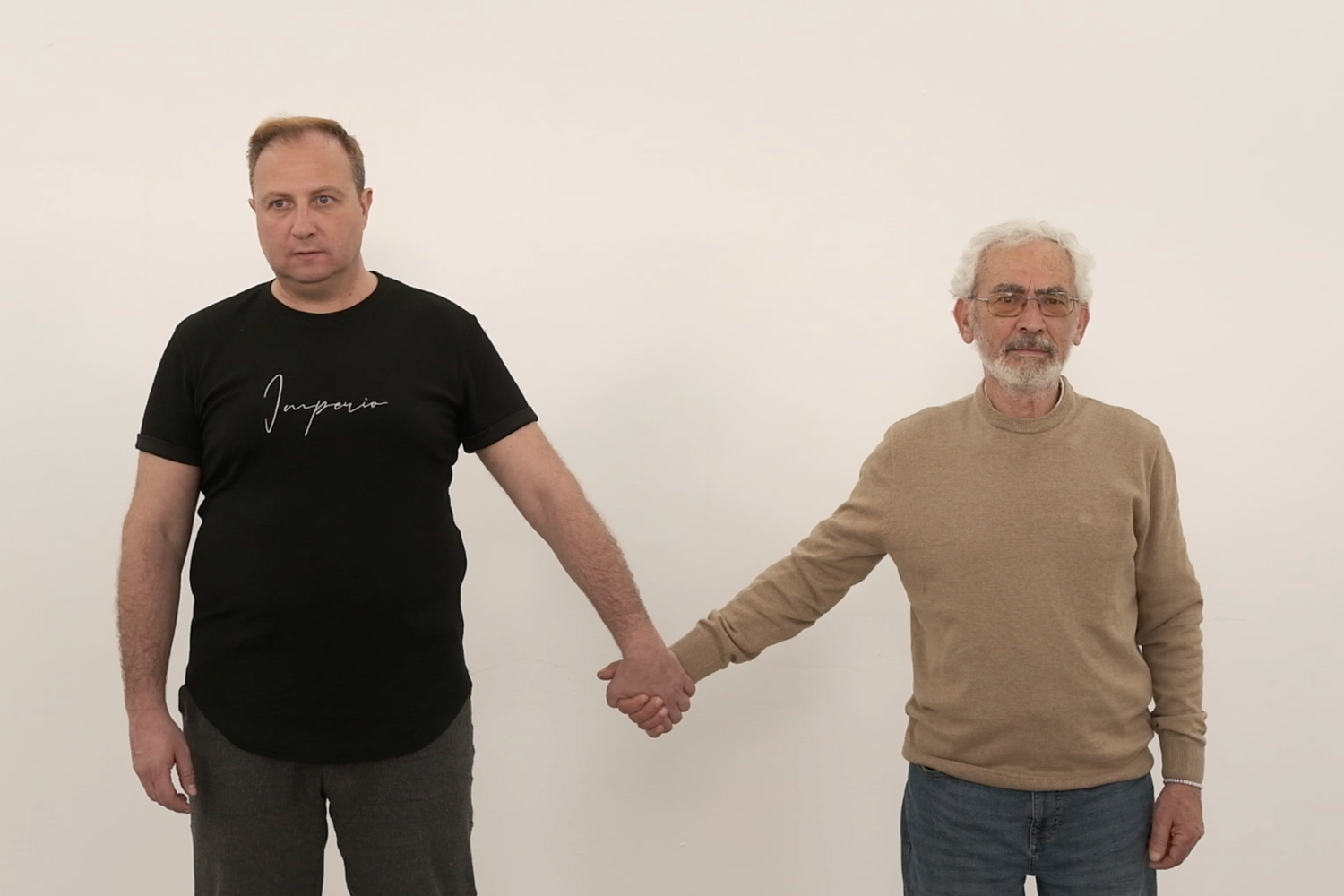
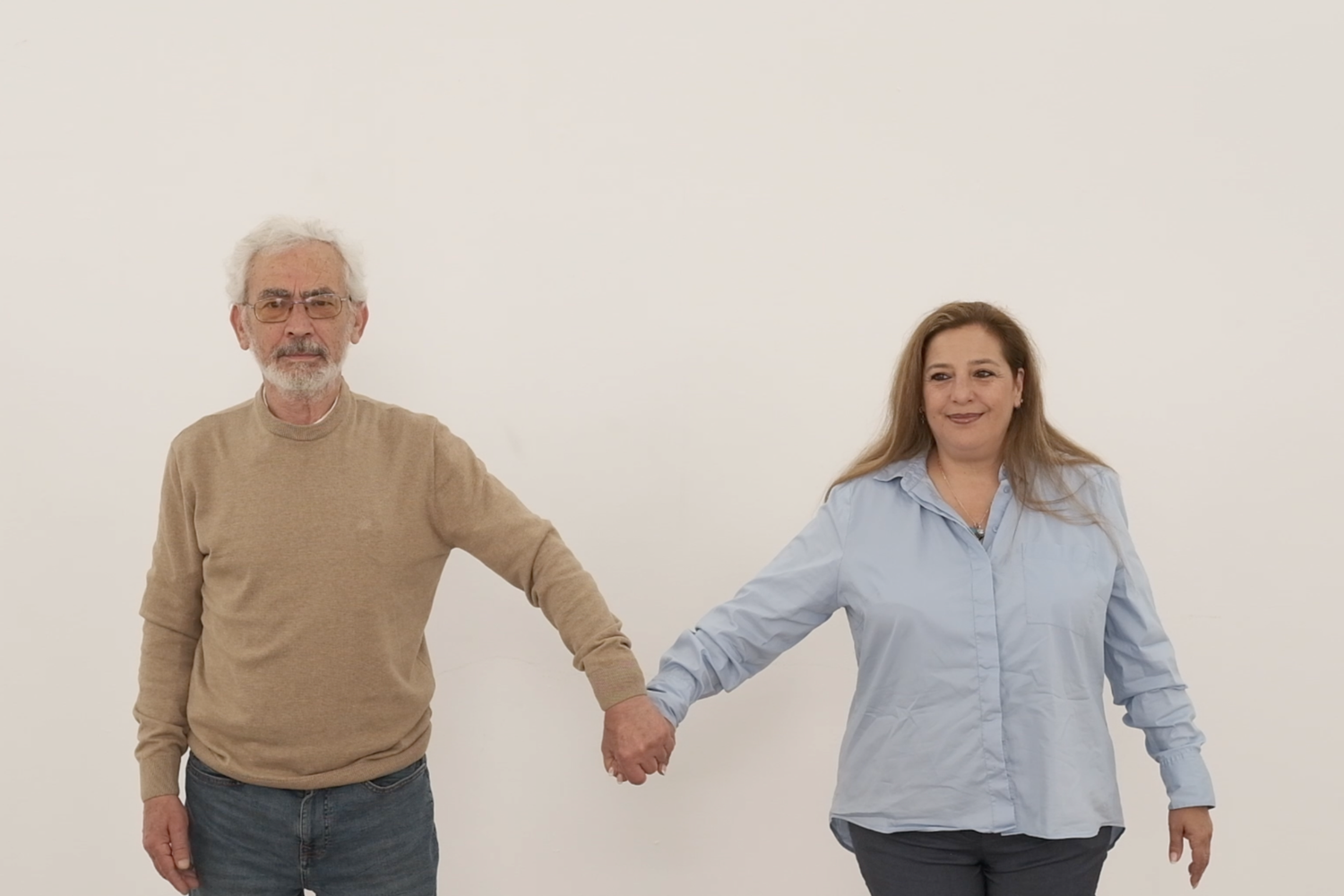
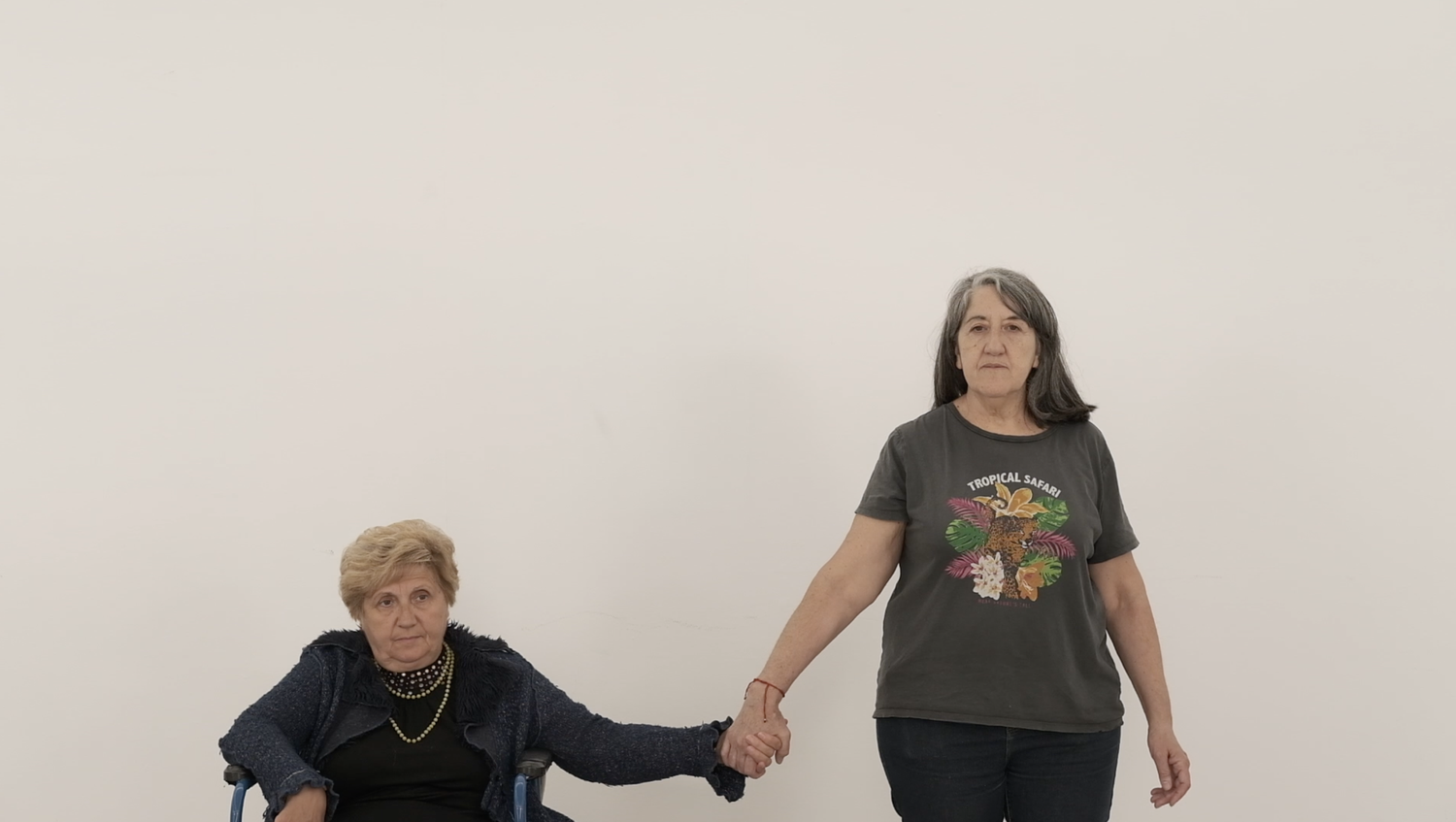
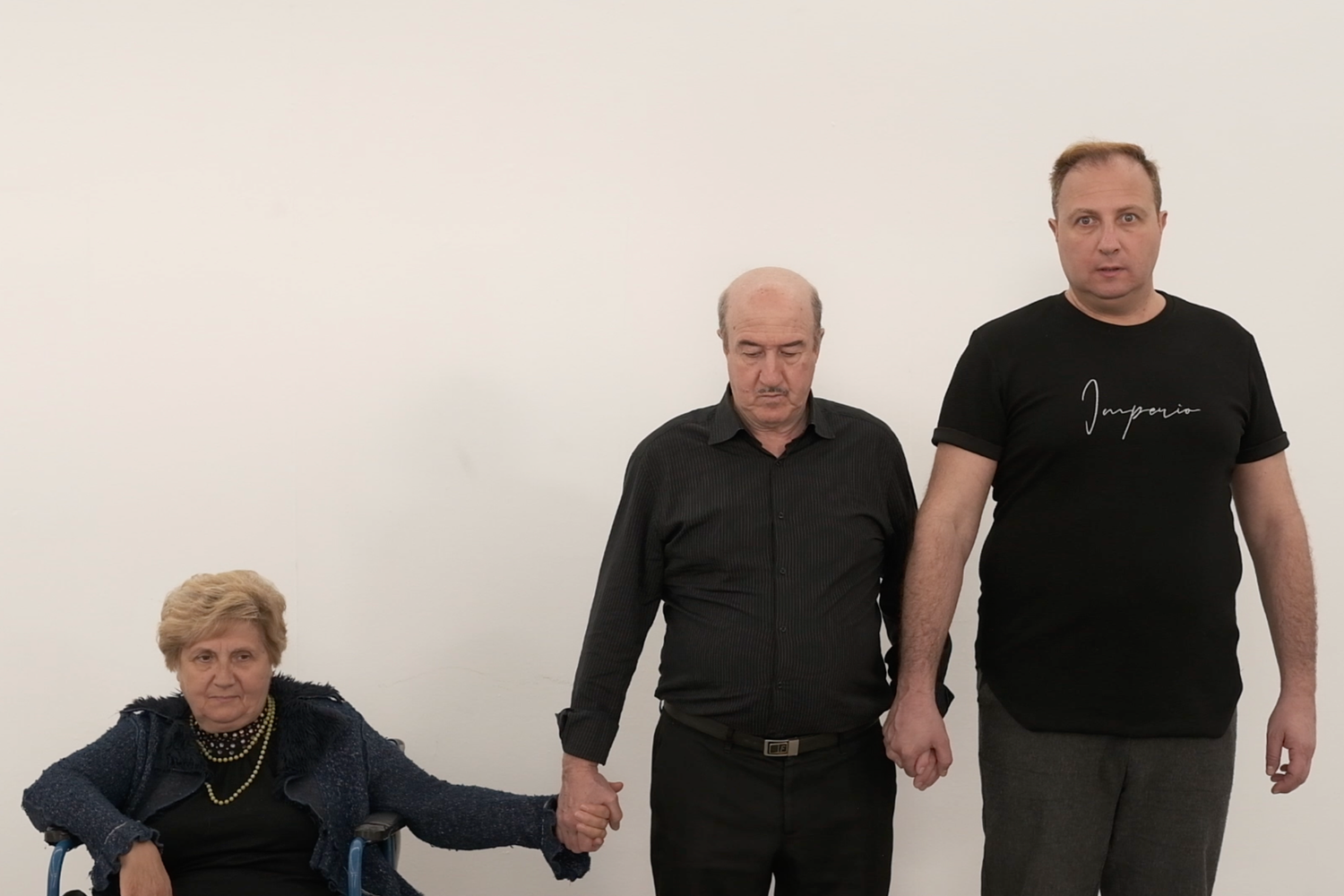
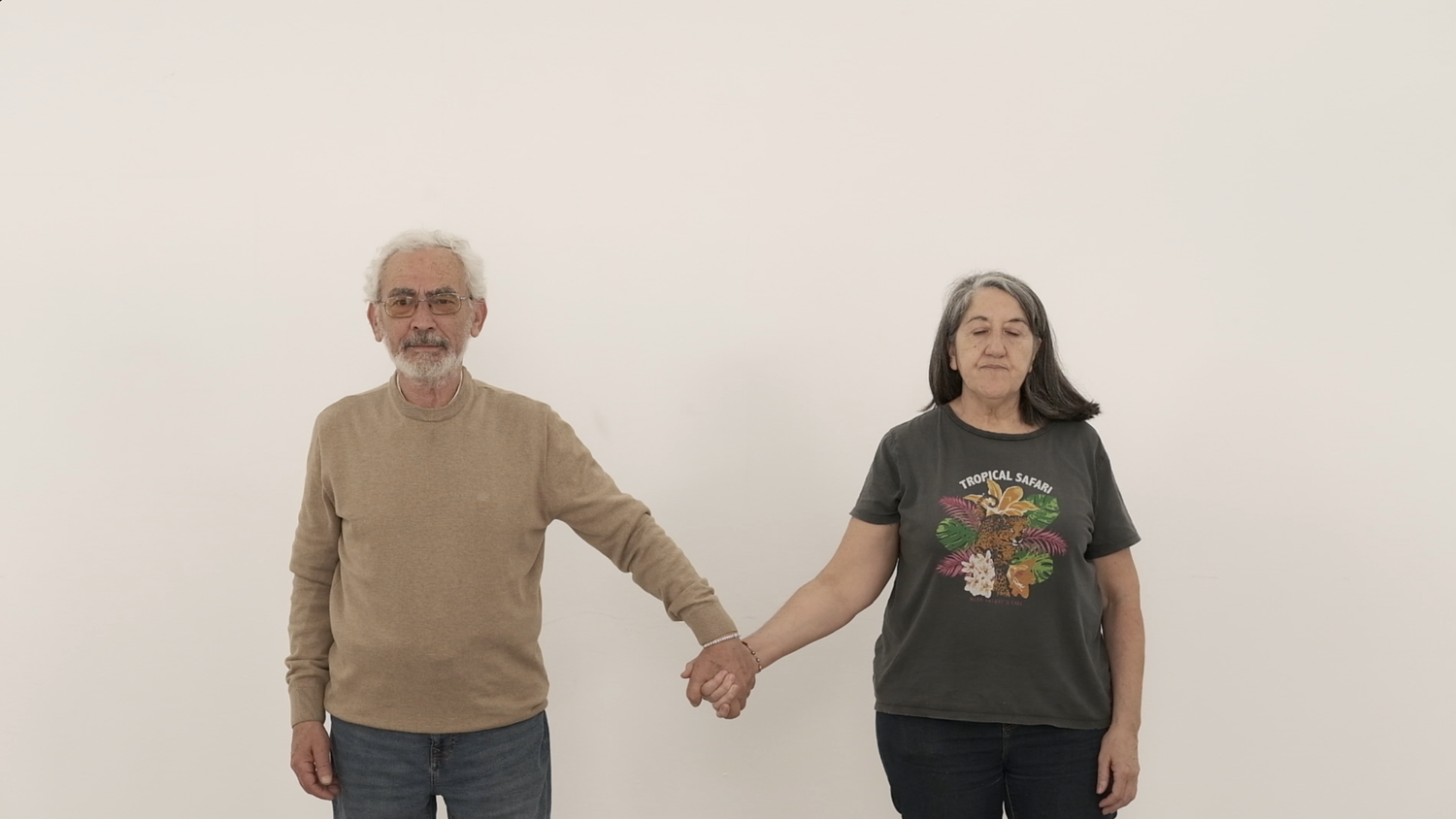
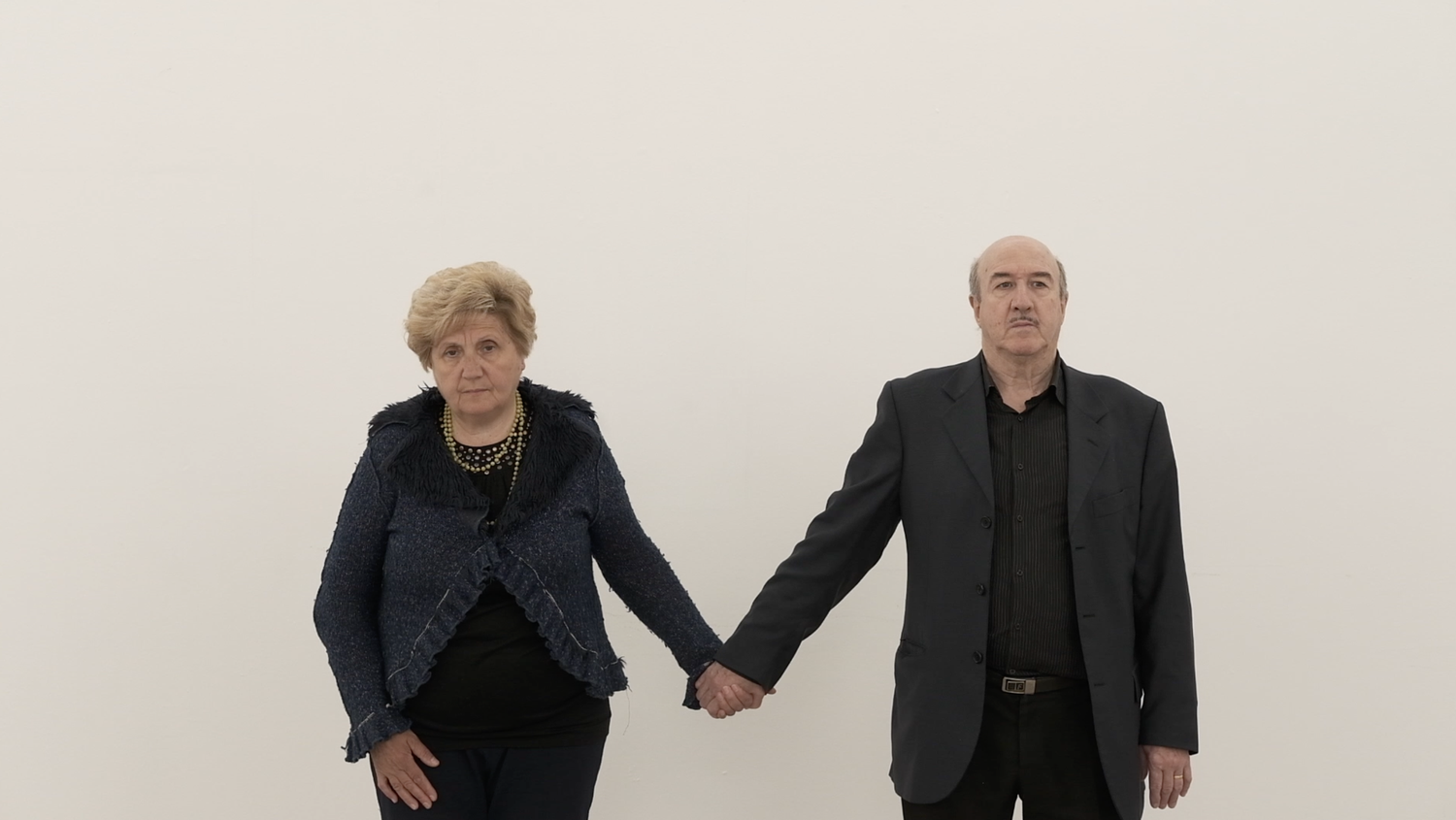
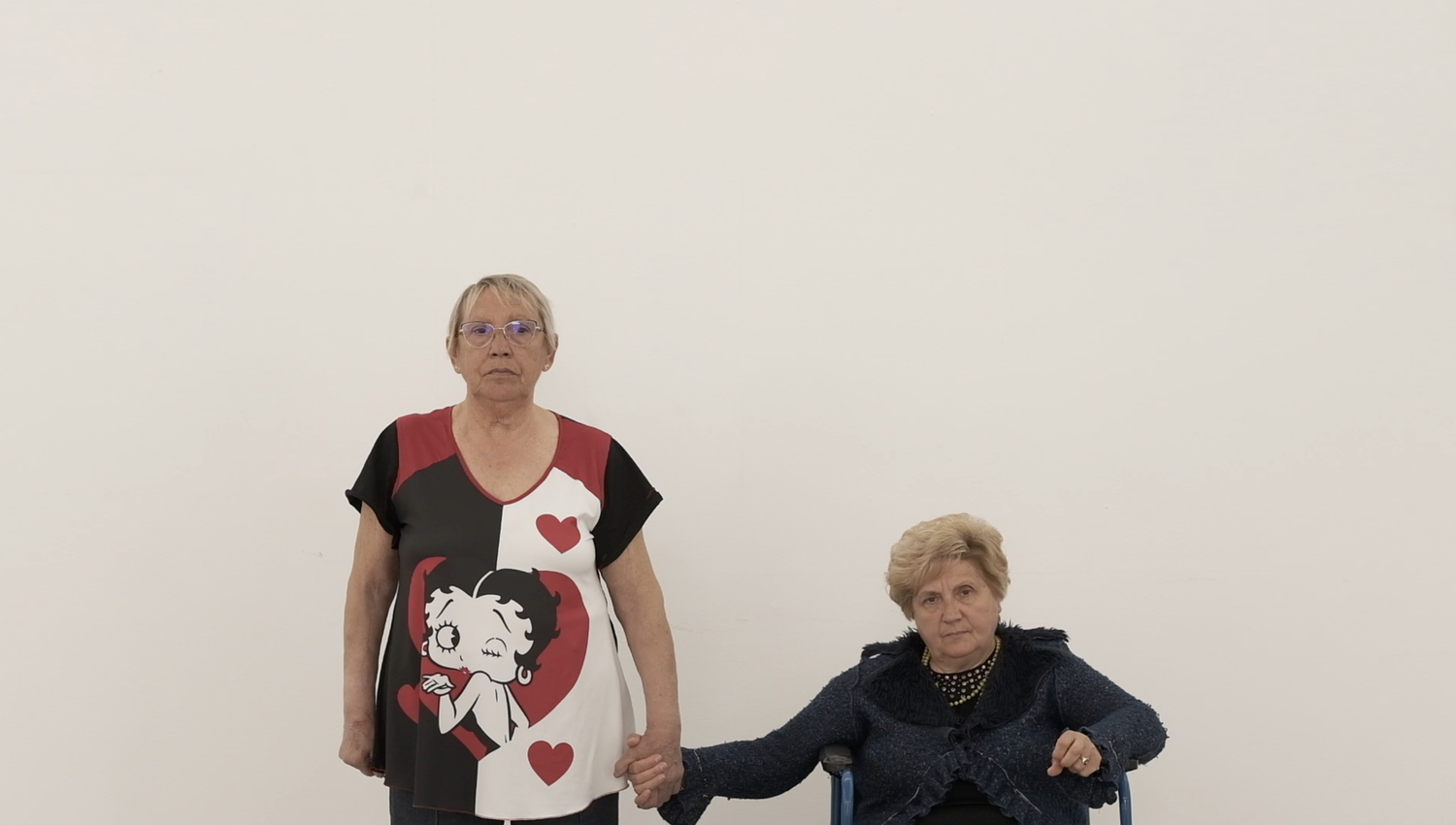
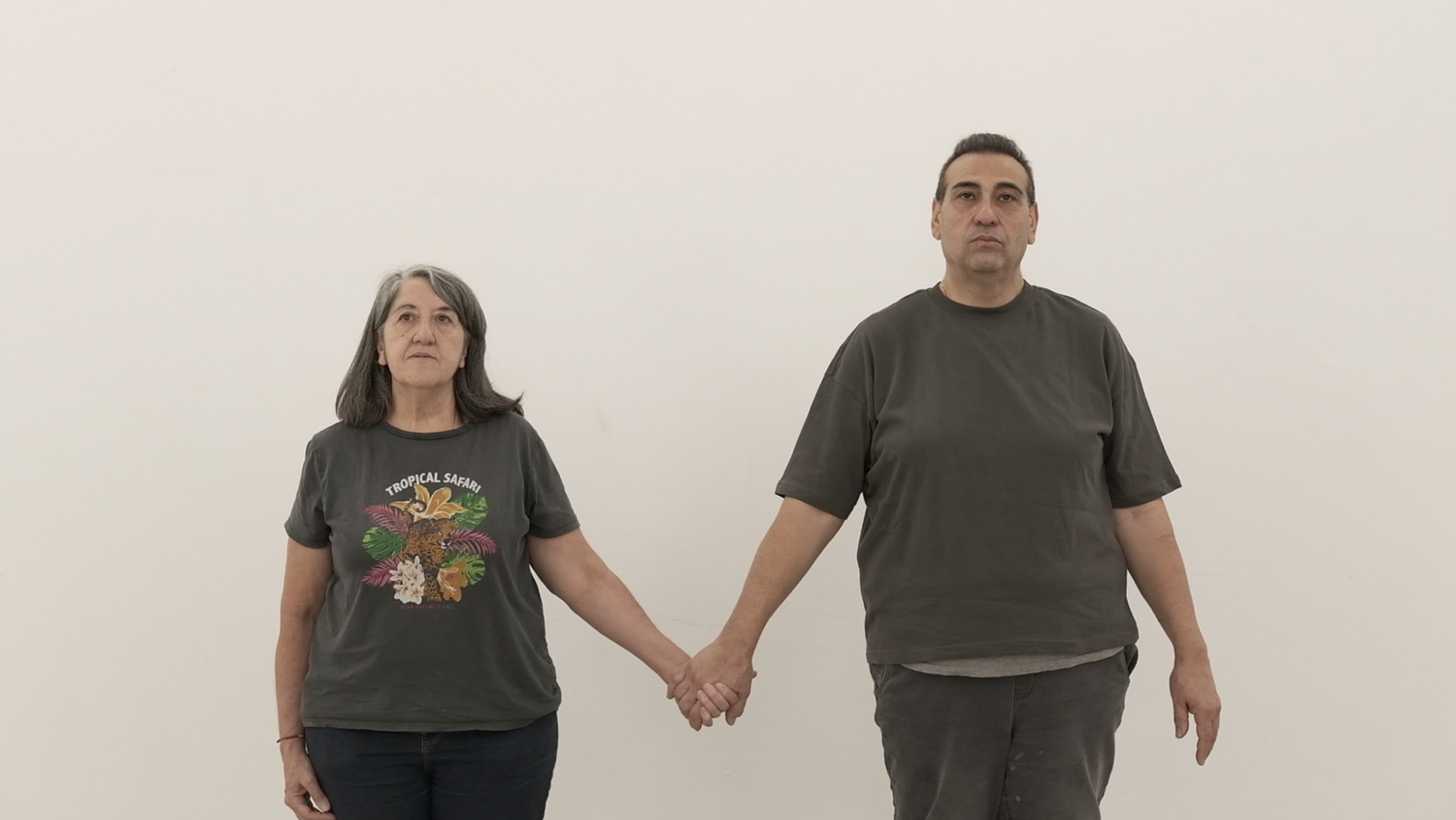
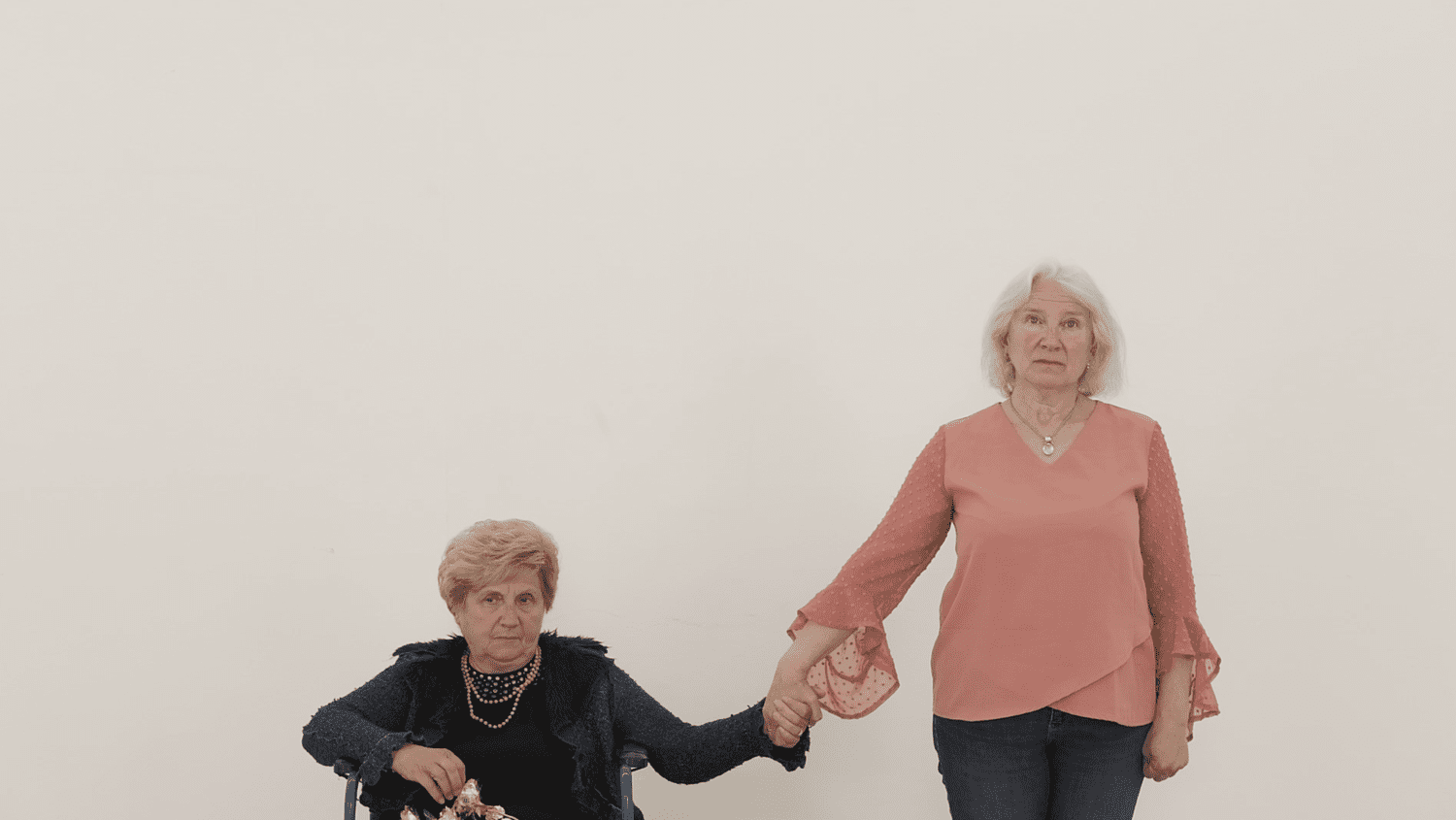
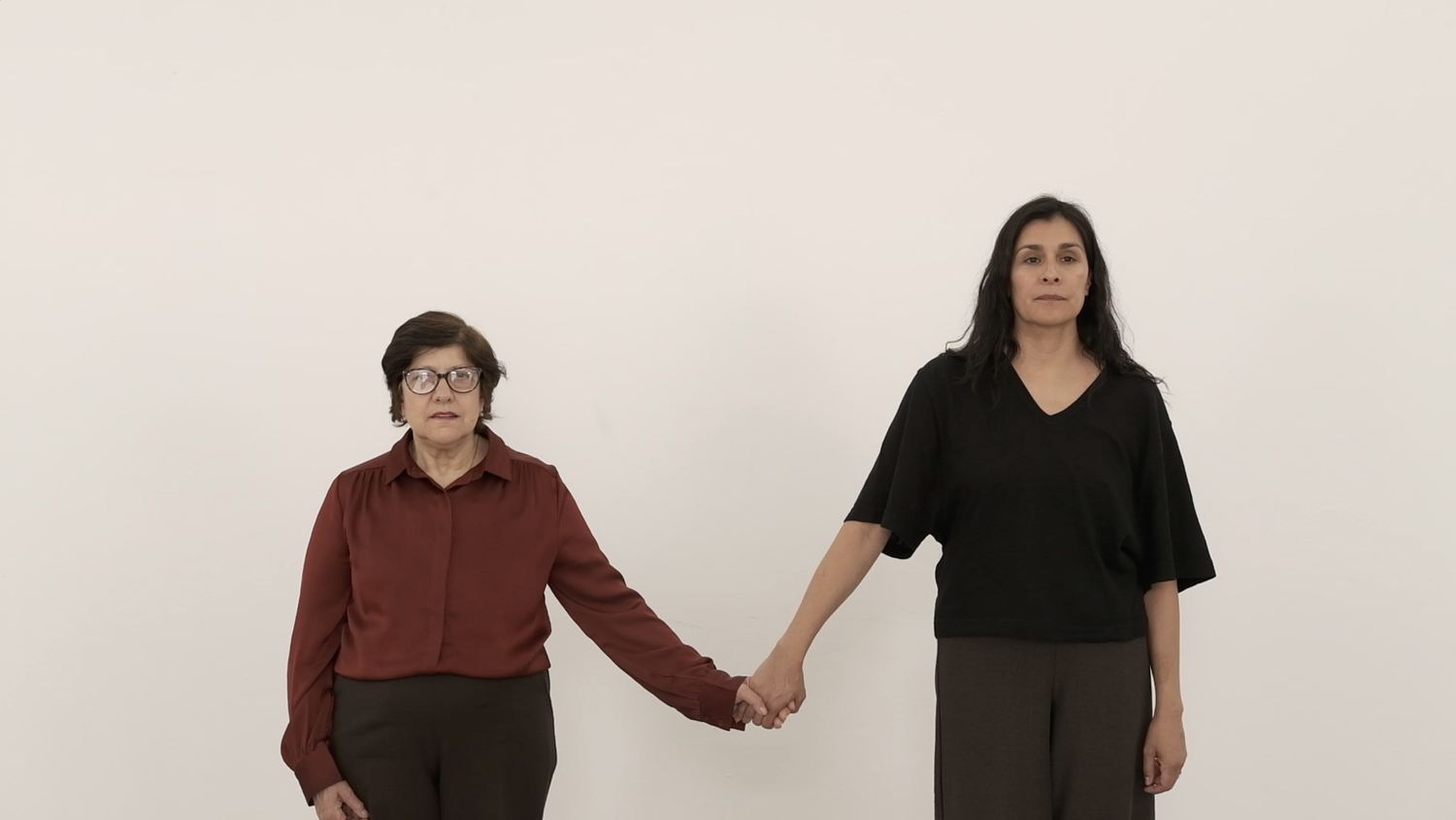
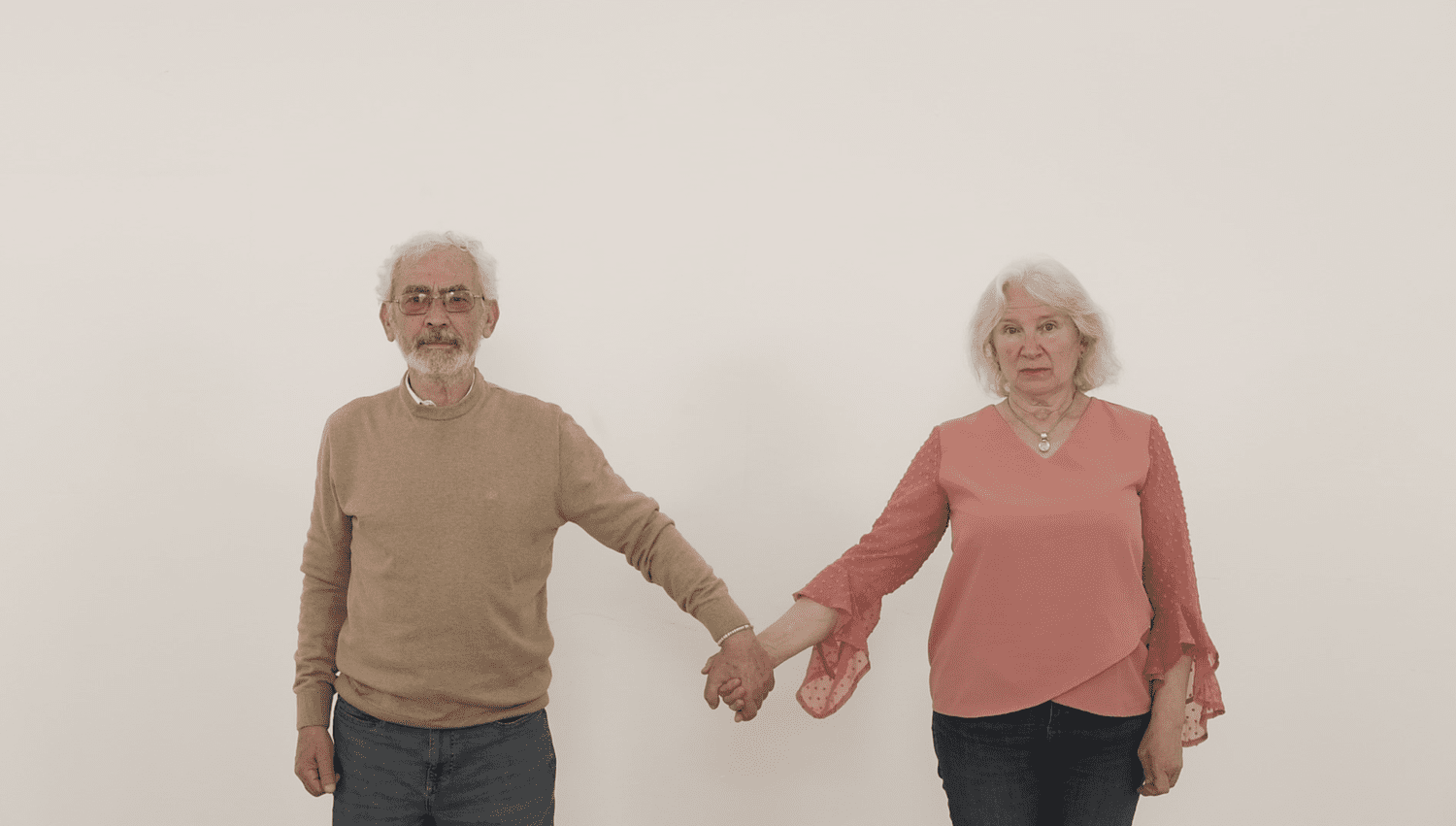
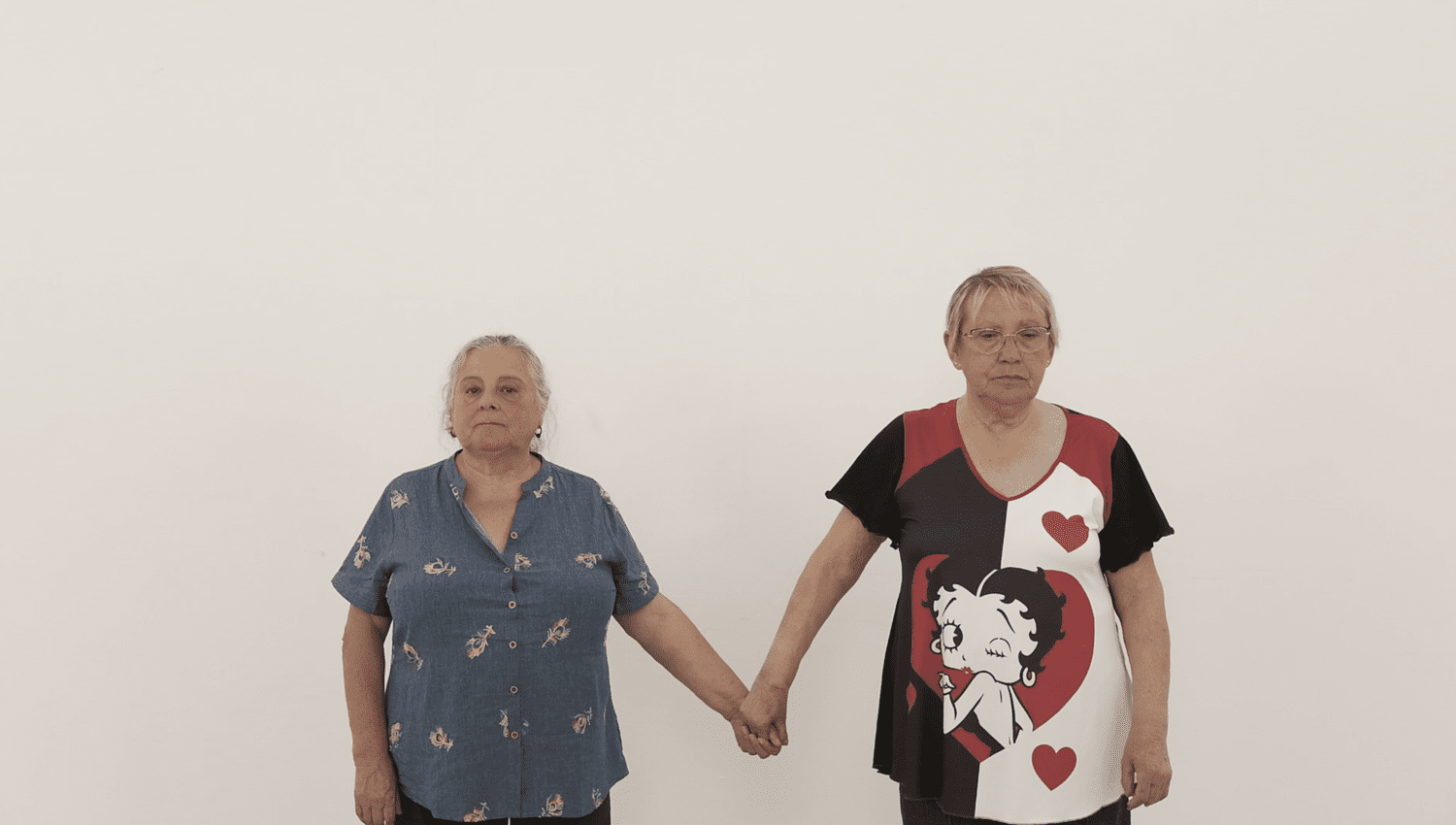
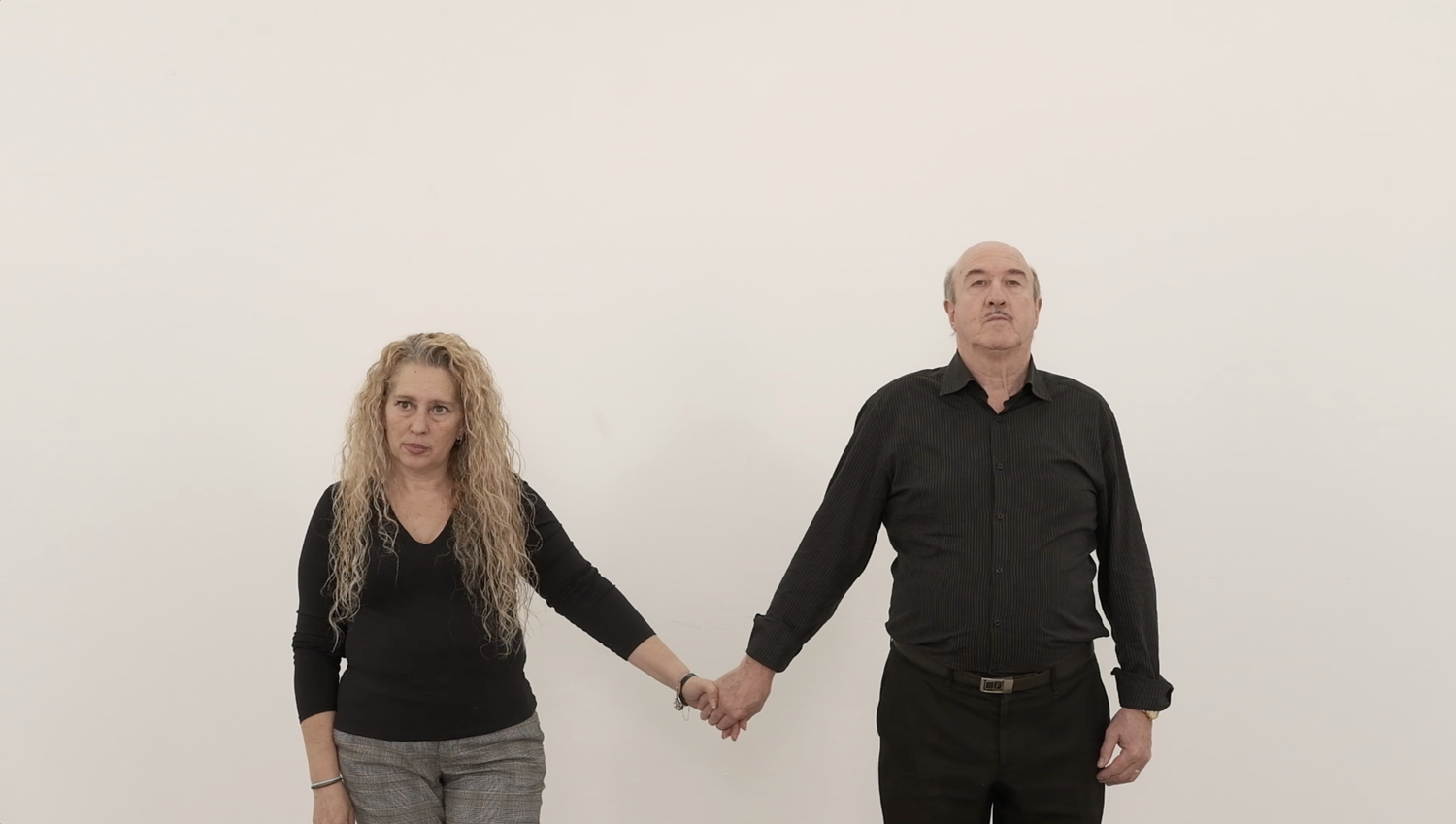
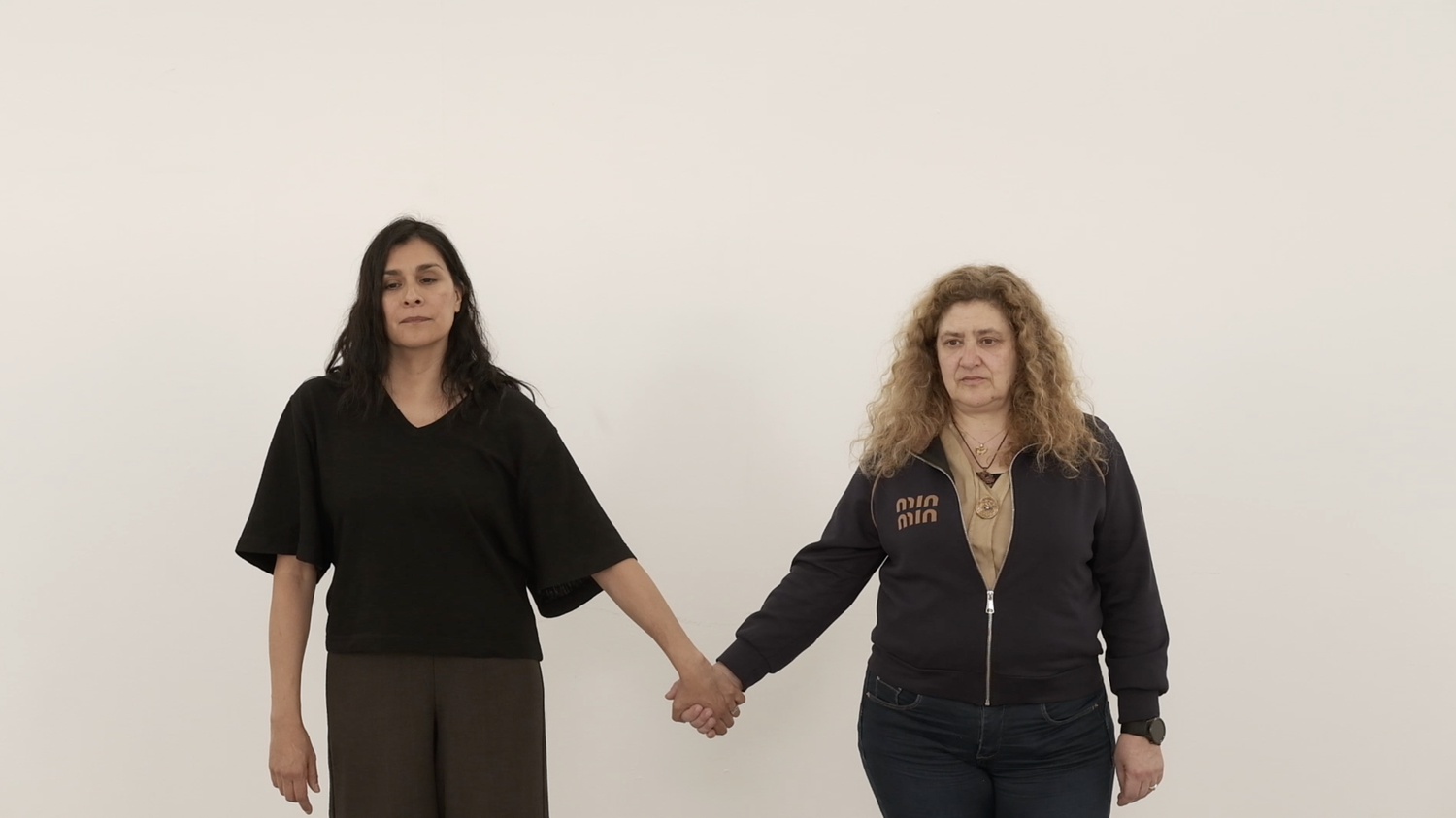
The Stolen Babies. Juan Ramón Barbancho
The issue of stolen babies in Spain is a complex one because it spans several decades and connects Francoist repression, policies of social control, religious institutions, medicine, and contemporary struggles for truth and reparation. It is complex because it affects families—their memory, their past, their present, and their future. Families as communities and people as individuals. What can happen in your life if, as an elderly woman, you discover that the baby you were told was born dead was not dead at all? How do you rebuild your life and face your future when confronted with the possibility of meeting a son or daughter you believed you never had? How do you construct your life when you discover that your family is not really your family, that your mother and father are not who you thought they were? There is an important issue here. For example, some people discover as adults that they were adopted and must learn to coexist with both their biological family and the family that has always raised them. They must reconcile an affection built over many years with another bond that they now have to create, moving backwards from the present into the past. Yet the case we are discussing here is far more complicated. Those people you have loved as family did not adopt you—they bought you and were (and are) accomplices in your abduction. I wonder what that is like, how someone rebuilds a life under those circumstances. How do you look your mother in the eyes for the first time and say, “I never knew you existed”?
White Boxes as a Metaphor for Loss.
In White Boxes, Abel Azcona transforms the material absence of stolen babies into a collective symbolic presence, using installation and performance as mechanisms of memorial repair in response to a historical trauma that remains only partially resolved. Through cultural constructions, he works with artistic representations of disappearance and identity, employing family photographs, archives, and documents; strategies of biographical reconstruction; and something as important as treating absence as an aesthetic form. Above all, he creates a work based on accompaniment. It is not about replacing, erasing absence, or making trauma disappear. It is about accompanying it. Later we will see how this work began and how it developed.
As we have said, this is an extremely complex issue because it began as part of the repression of the Dictatorship, when children were separated from imprisoned Republican women. It later evolved into a broader network of appropriations and irregular adoptions, becoming an economic enterprise as well. Here we would need to address the psychiatric theories of Vallejo-Nájera regarding the “regeneration” of Spanish society, the removal of babies from Republican prisoners, the institutionalization of minors in religious and state-run centers during Francoism, and the gradual transformation of the phenomenon into a network of irregular adoptions that continued beyond the dictator’s death. We will not explore those aspects in depth here, as that would require a much more extensive analysis. However, this initial framing of the problem—the tragedy—is important for understanding Abel Azcona’s work on the subject and the connections it has with his own biography.
We must shift our gaze toward the consequences for the victims and the ways of remembering, and even constructing memories of what never existed. This will be important for understanding Azcona’s work. We are speaking about the search for identity among people who suspect they were stolen; the interrupted mourning of mothers and families; incomplete or vanished archives; and victims’ associations and their demands for recognition. From Azcona’s perspective, the focus is not solely historical or legal but also artistic, autobiographical, political, and memorial. The central question becomes: how does he transform an experience of institutional violence against childhood into an artistic practice that denounces mechanisms of control over bodies and identities? The work can be interpreted as a practice of identity reconstruction in response to institutional forms of violence that produce uprooted subjects, transforming the autobiographical body into an alternative archive from which to challenge the historical silencing of experiences such as that of Spain’s stolen babies—one of the most painful and controversial issues in the country’s recent history. Thousands of children were separated from their biological mothers and given to other families, often through deception, falsified documents, or irregular adoptions. For those mothers in particular, it was an impossible mourning process. There was no body, no certainty, no definitive explanation. In many cases, that uncertainty lasted a lifetime.
Beginning in 2008, complaints by victims’ associations gained significant public visibility. Judicial investigations were opened and DNA databases were created to facilitate family reunions. However, many cases have faced obstacles such as missing documentation, the deaths of potential perpetrators, and statutes of limitations. The commercialization of babies adds yet another dimension. Many children were treated as objects—rewards for families loyal to the regime who could not have children or who wanted more.
One might think that stealing a baby should not be easy, yet it occurred with impunity between 1940 and 1990. A 2011 report by the Spanish Ombudsman estimated that at least 1,414 cases related to child theft were open before the courts. According to victims, during those five decades it was remarkably easy for nuns, priests, and others involved in trafficking networks to take babies. The most common strategy was to sedate mothers and later tell them that their children had been stillborn. There was no way to protest, no possibility of demanding to see the body, and no guarantee of an accurate death certificate. These families, and especially these mothers, were generally poor and lacked the means to challenge what they were told. The same was true for Republican women in prison, who effectively had no rights at all. This final aspect connects these crimes and this tragedy to Democratic Memory, since both phenomena are linked to the consequences of the dictatorship and to the subsequent difficulties in recognizing, investigating, and repairing human rights violations. Vallejo-Nájera, who sought to eradicate the so-called “red gene,” argued that babies needed to be removed from the ideological influence of their Republican families. During the 1940s and 1950s, many imprisoned or persecuted mothers lost their children, who were then transferred to religious institutions or other families. What began as a mechanism of political repression evolved over time.
From the 1950s until well into the democratic era, some of these practices became illegal adoption networks involving members of religious institutions, healthcare professionals, and public officials. This is why the issue is so complex and multifaceted. On one hand, there was the separation of children from Republican families for political reasons. On the other, newborns were taken from single mothers or women deemed morally unfit, who were considered incapable of raising a family. Finally, there were irregular adoptions and possible child-trafficking networks during the late Franco period and the democratic transition.
We speak of its relationship with Democratic Memory because this framework seeks to recover and recognize experiences of violence, repression, and violations of rights that were silenced. The issue of stolen babies fits within this framework because it was a consequence of Francoist repressive structures and functioned as a form of political punishment and social control. It also belongs within this framework because it involved disappearances and losses of identity. Many people grew up without knowing their biological origins, while thousands of families continue searching for children or siblings. There were decades of institutional silence imposed by the regime. As with other aspects of repression, victims have reported obstacles in accessing archives, obtaining documentation, and securing judicial investigations. Finally, the issue is directly connected to memory because it raises demands for truth, justice, and reparation. These three claims are central to contemporary debates on Democratic Memory and Human Rights. This was recognized by the Democratic Memory Law (Law 20/2022 of 19 October), which included provisions concerning the search for abducted minors and the right of victims to know the truth about what occurred.
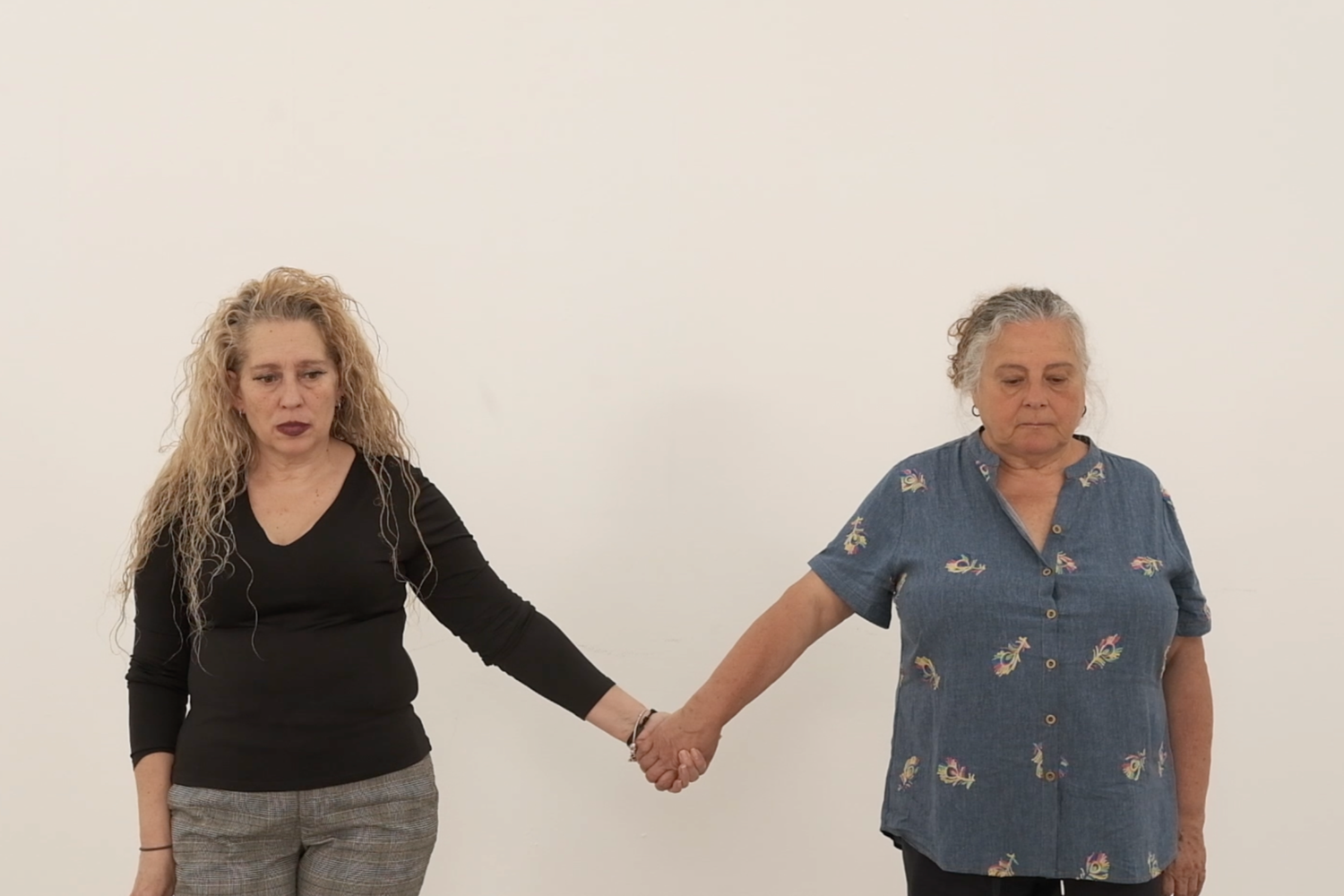
In 2023, several Spanish associations and organizations seeking to uncover the truth and reunite with their children—or, in other cases, to find their mothers—approached Azcona. Aware of his work, his relationship with childhood, and his commitment to exposing injustice and abandonment, they proposed that he work on the issue. He committed himself to developing a series of new works in collaboration with them. Between 2023 and 2025 he was deeply immersed in his own personal story: his birth, abandonment, childhood abuse and mistreatment, the search for and encounter with his biological mother, and his encounters and performances involving his other mothers and families. Having explored this stage extensively—though not conclusively—he turned to the issue of stolen babies in 2025, initiating a series of performances and memory-construction projects together with many of the protagonists themselves, including both children and mothers separated at birth.
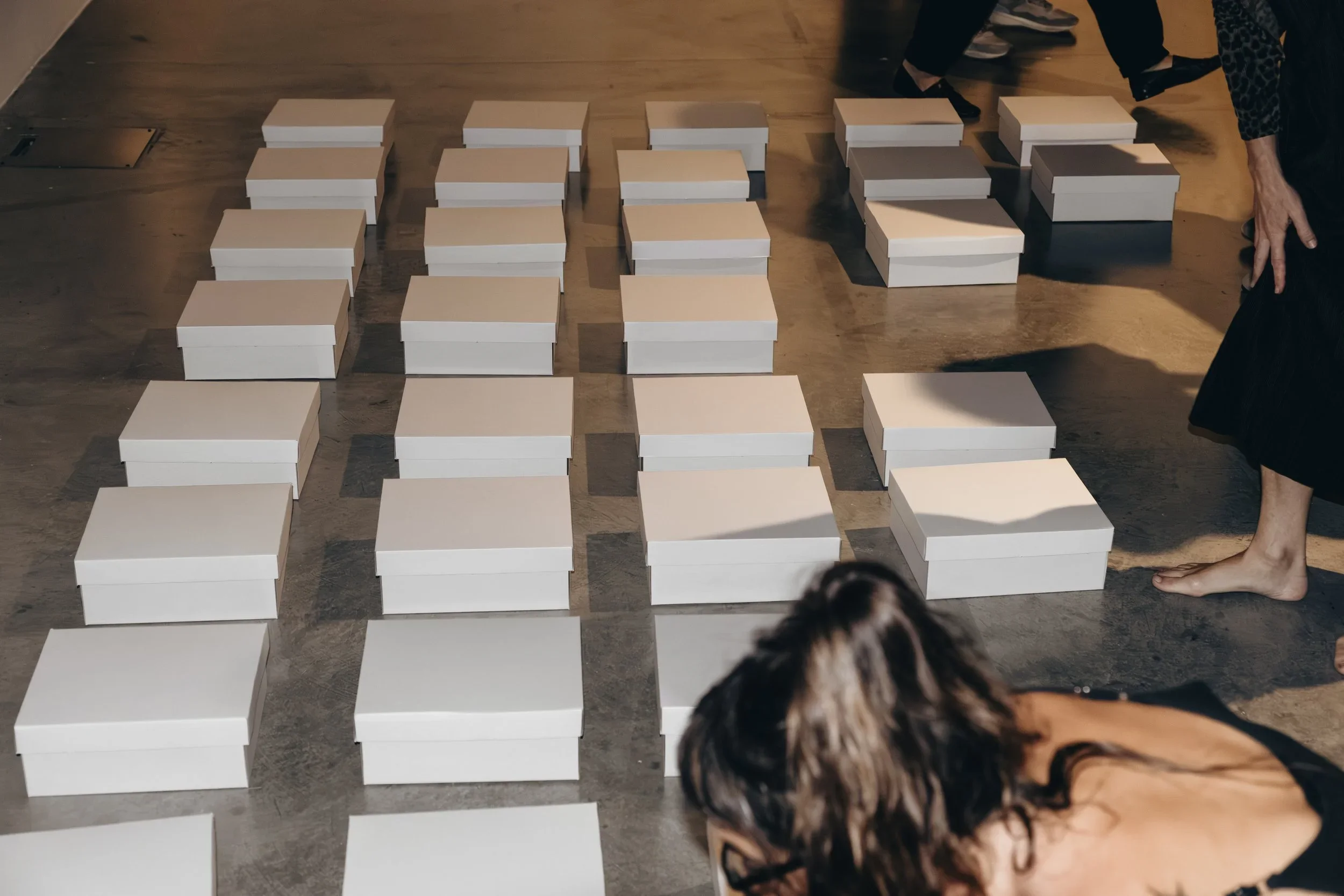
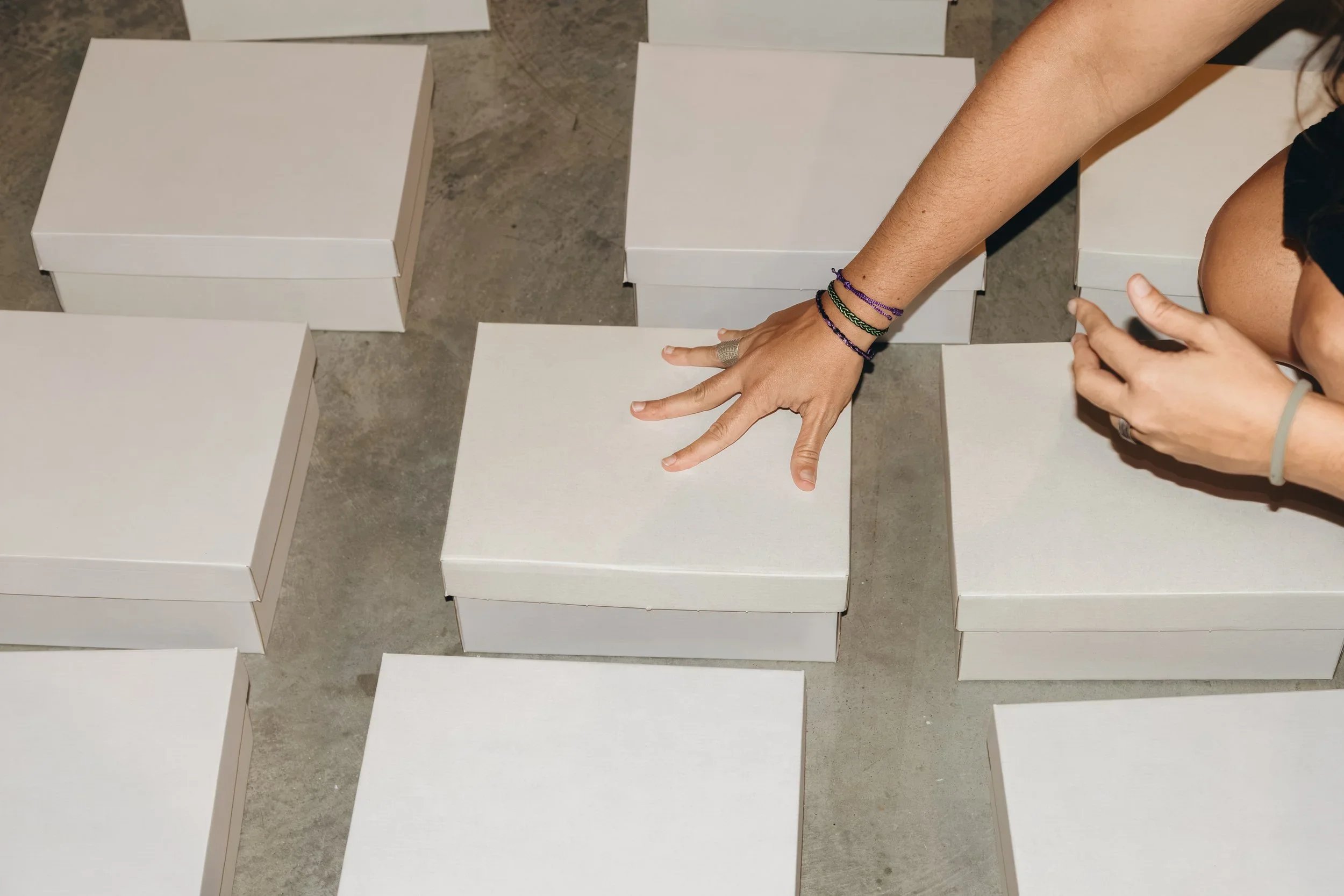
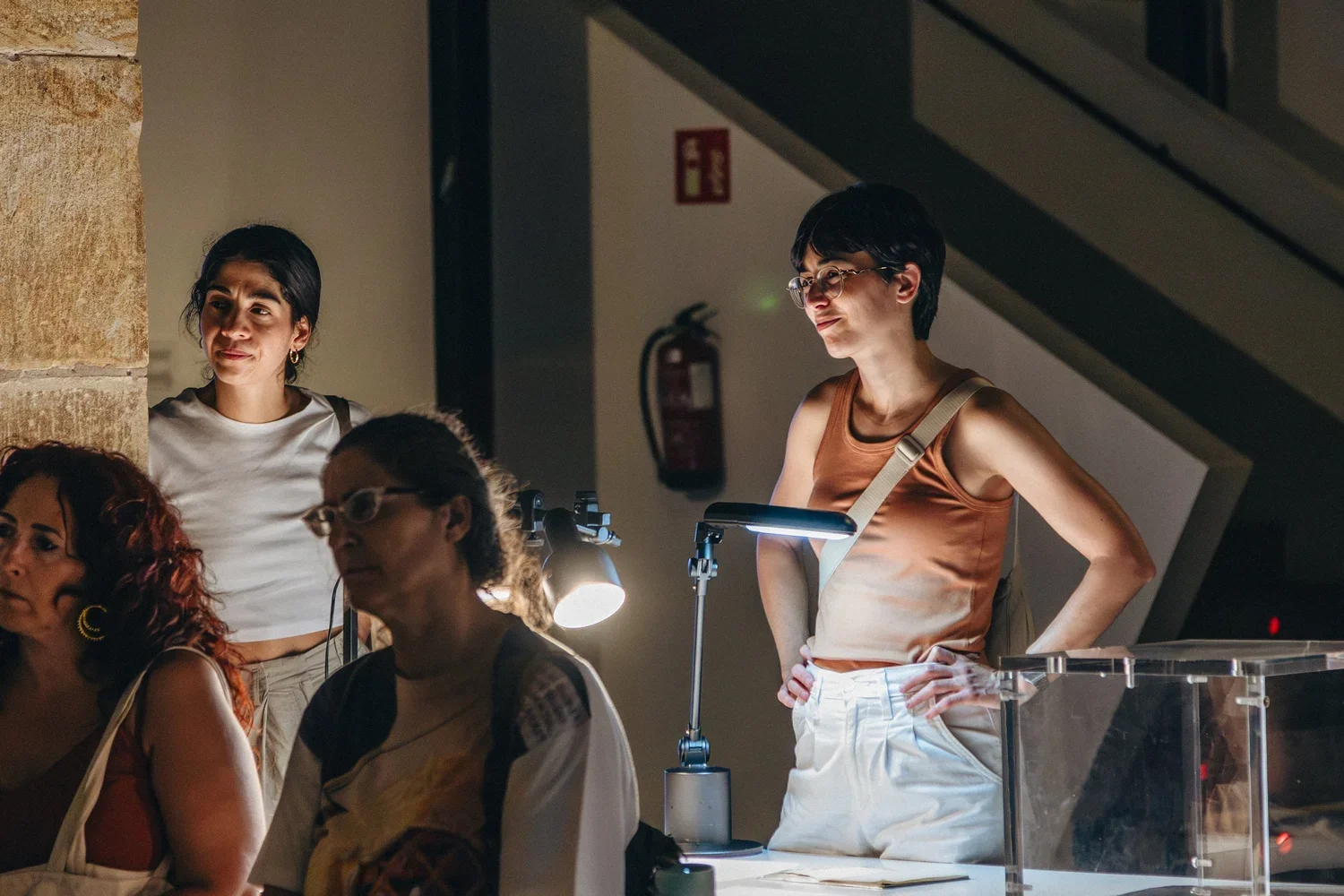
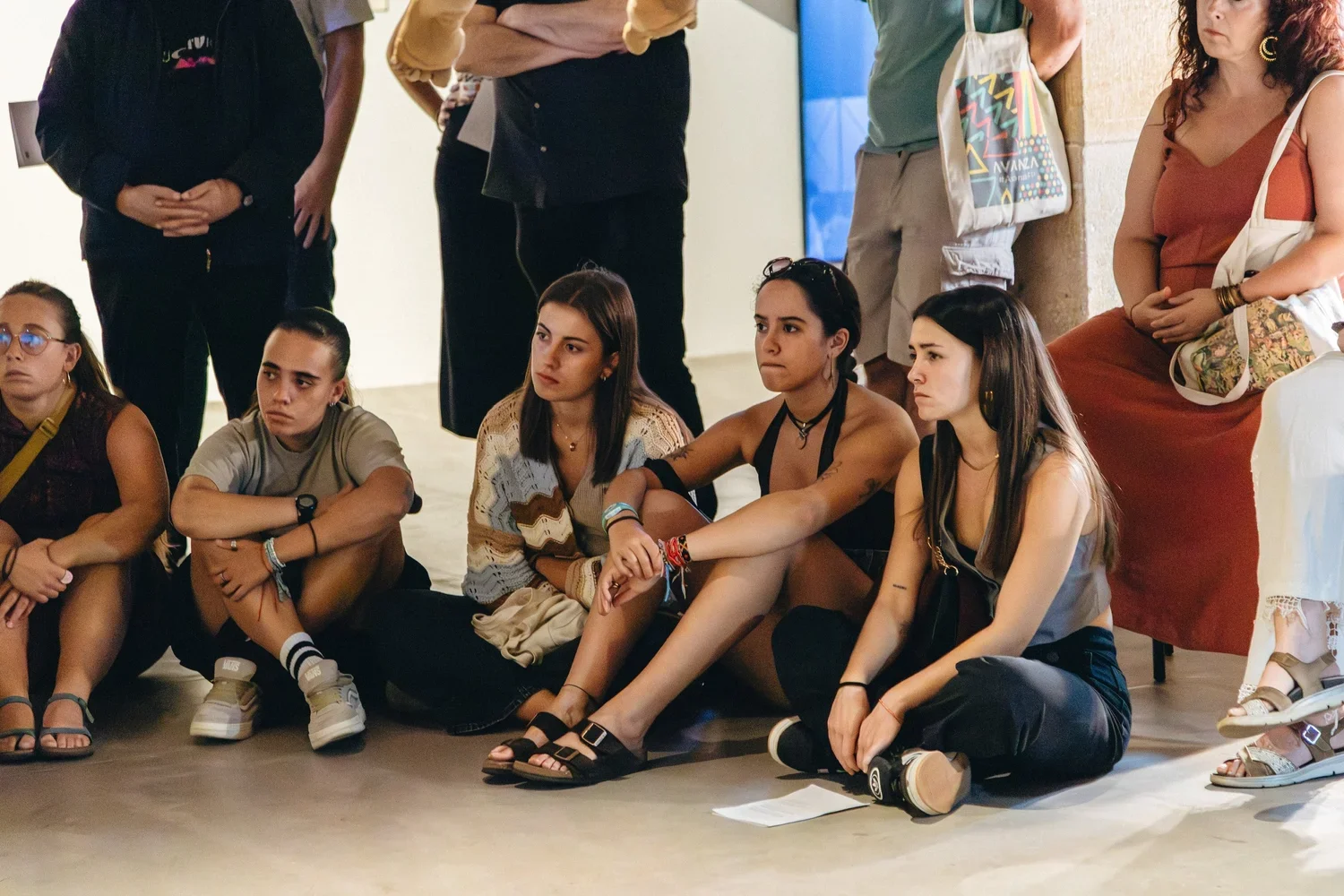
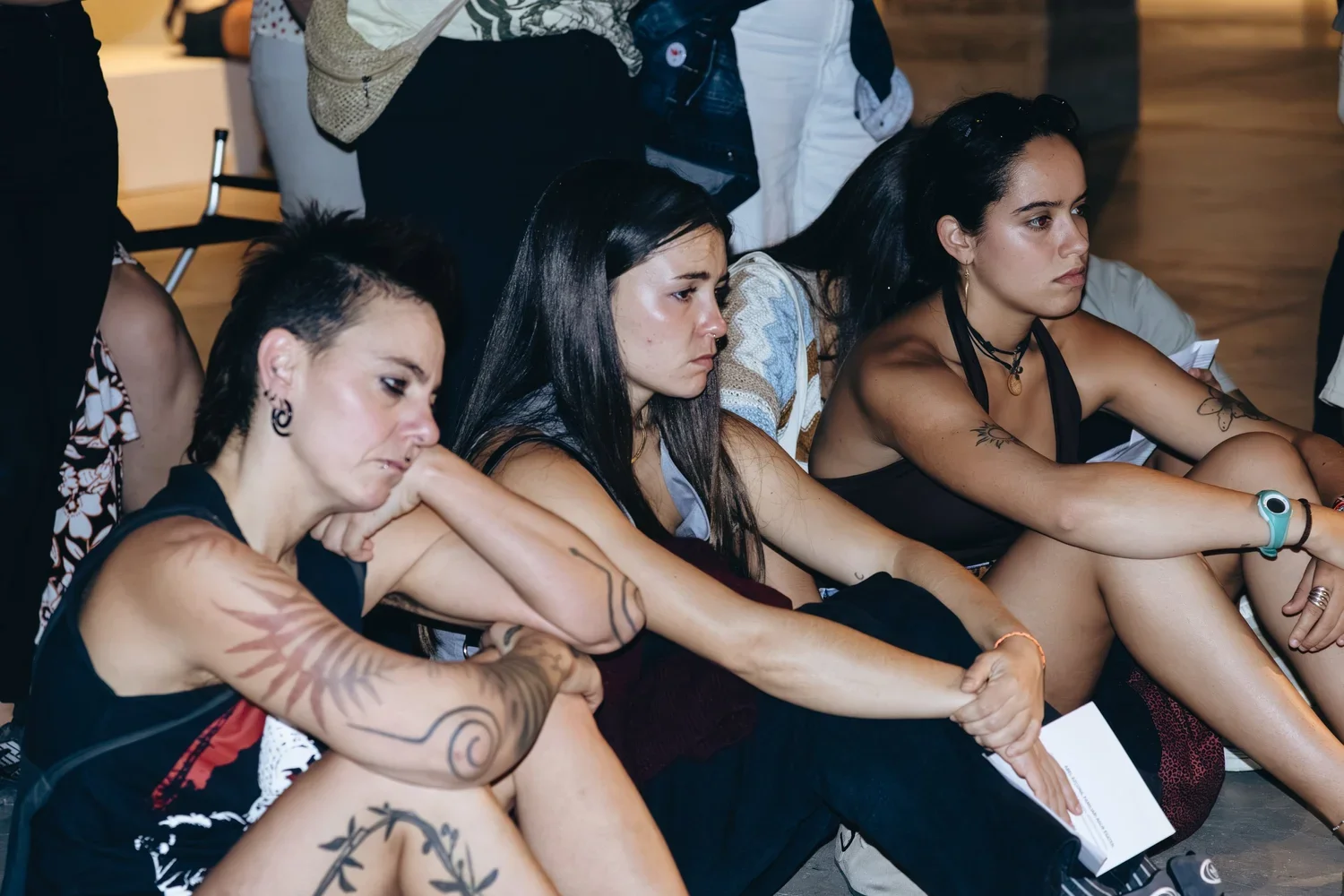
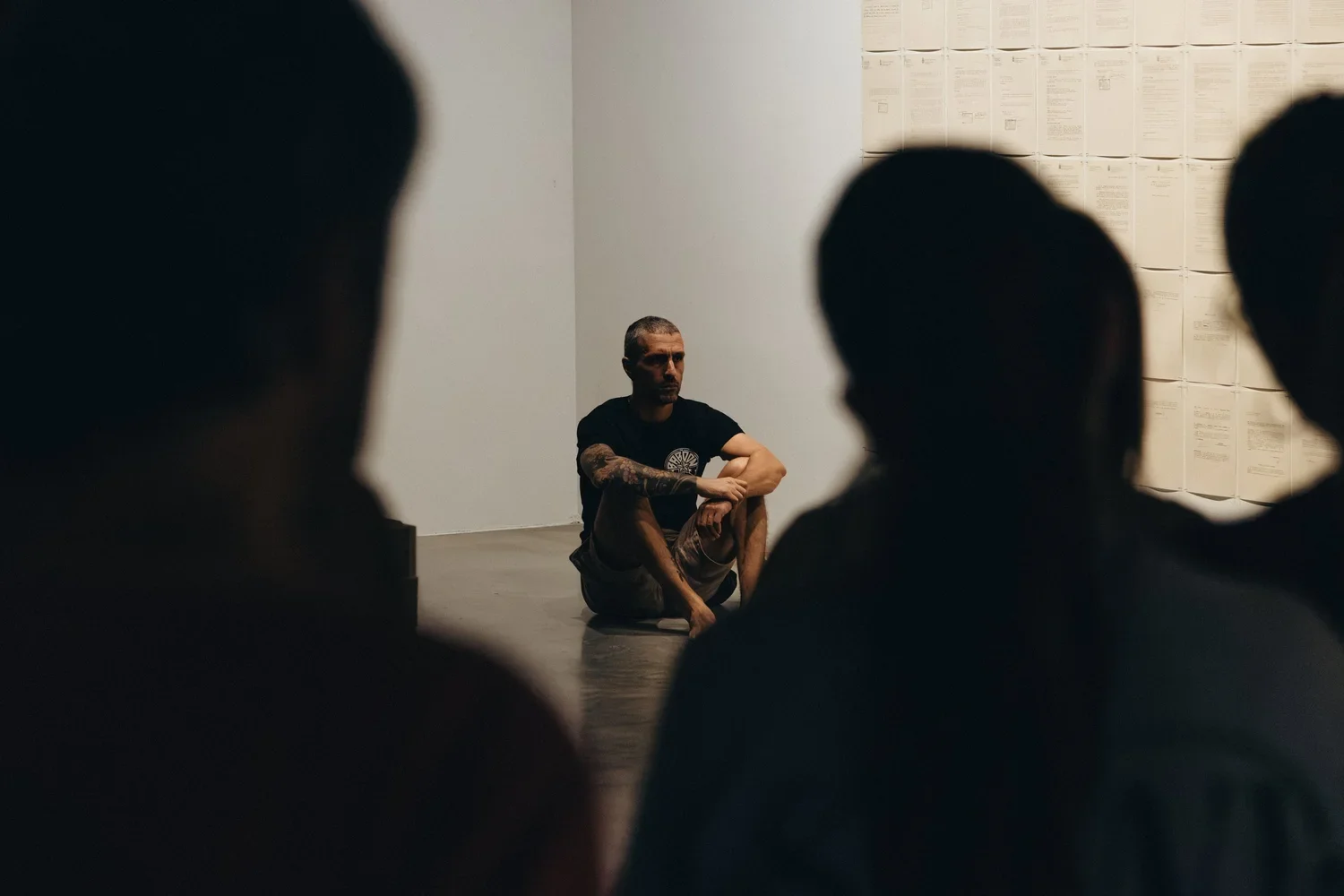
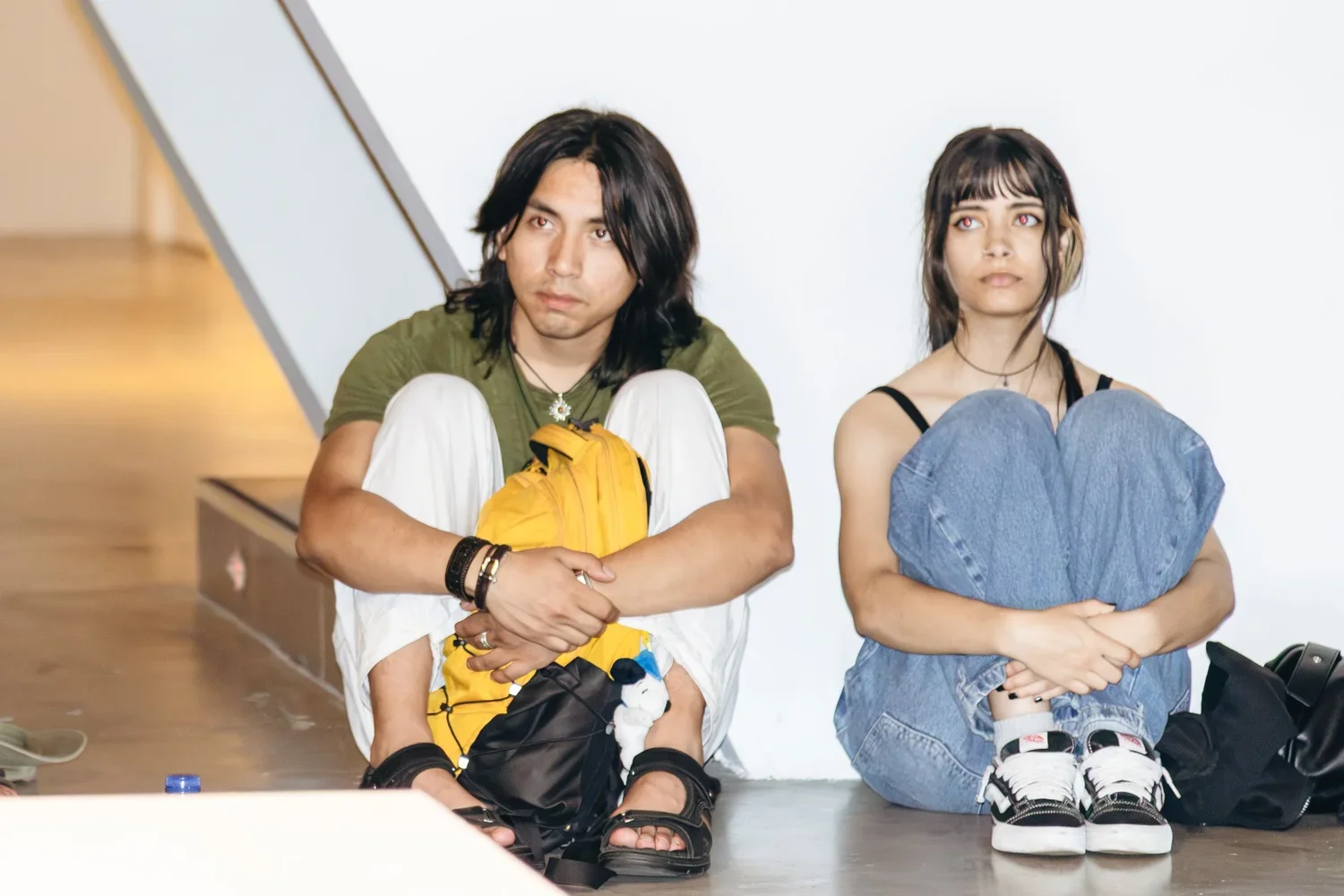
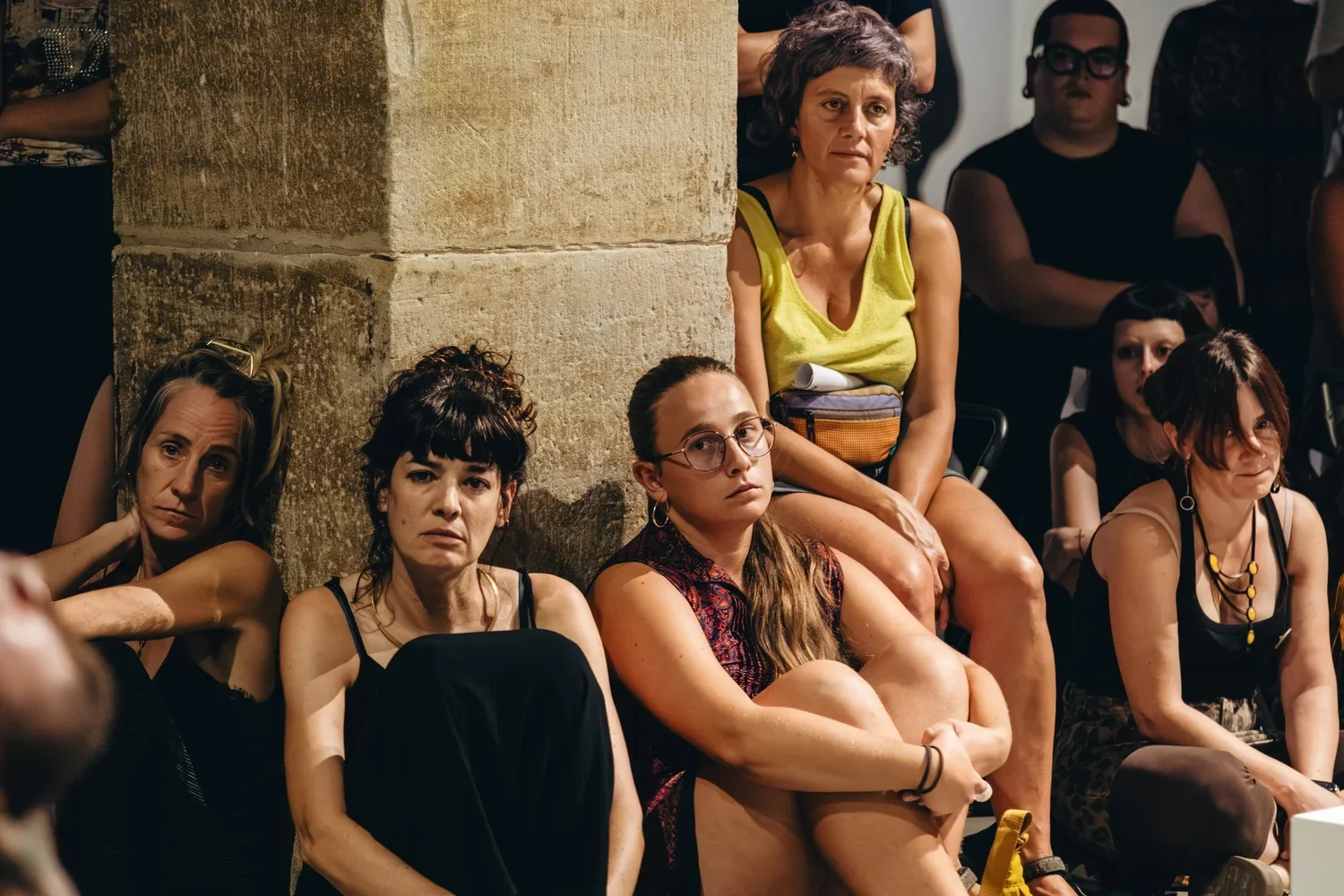
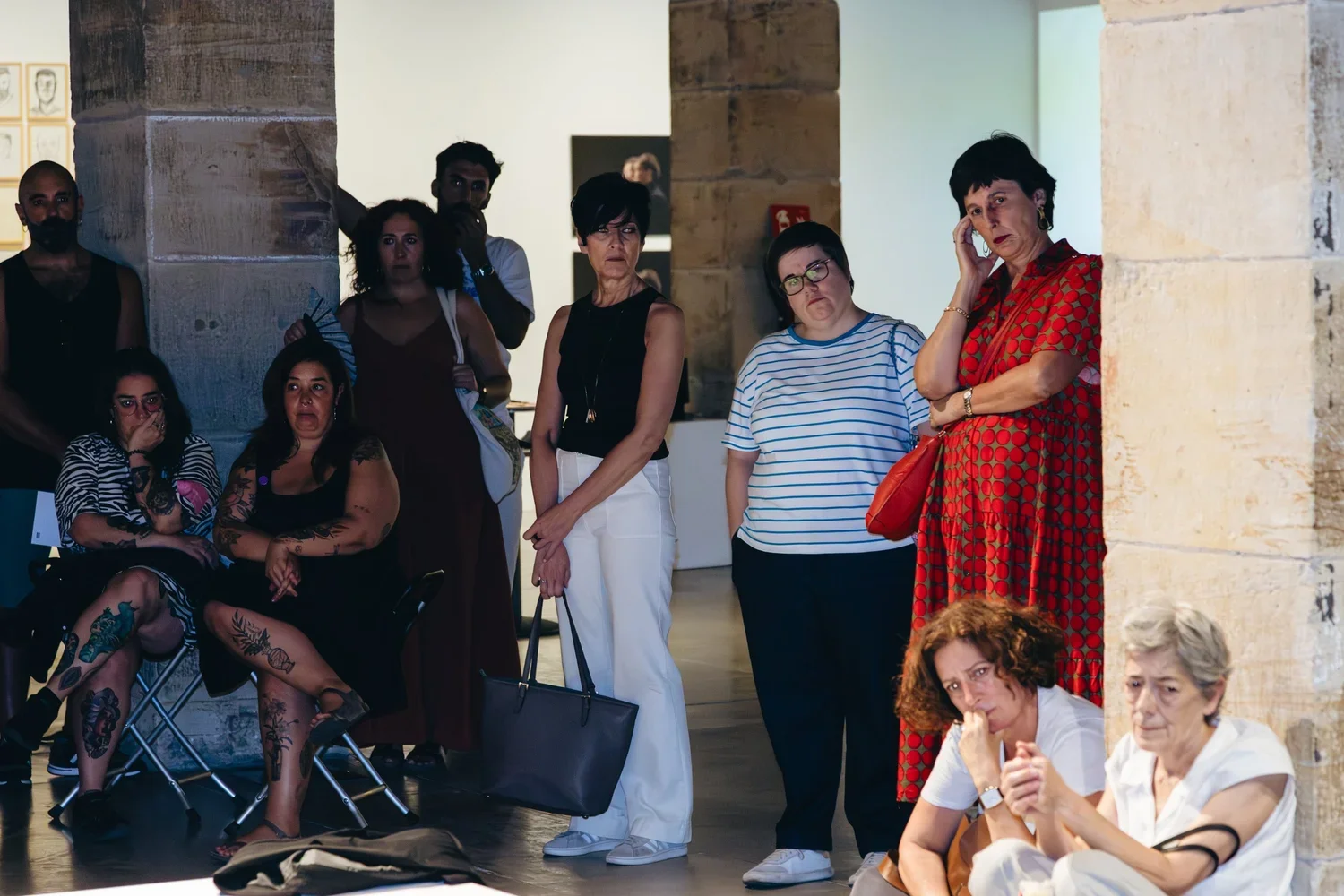
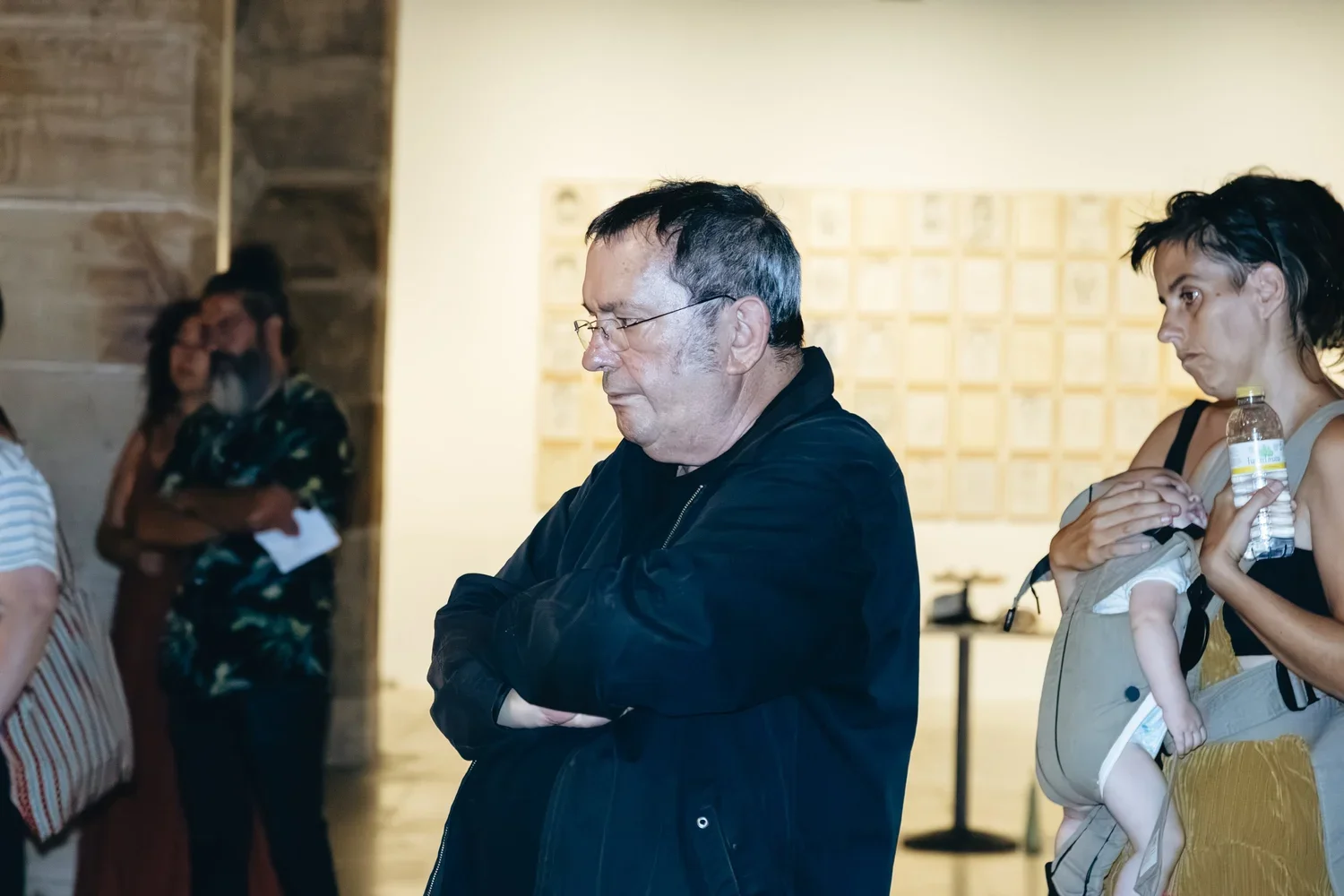
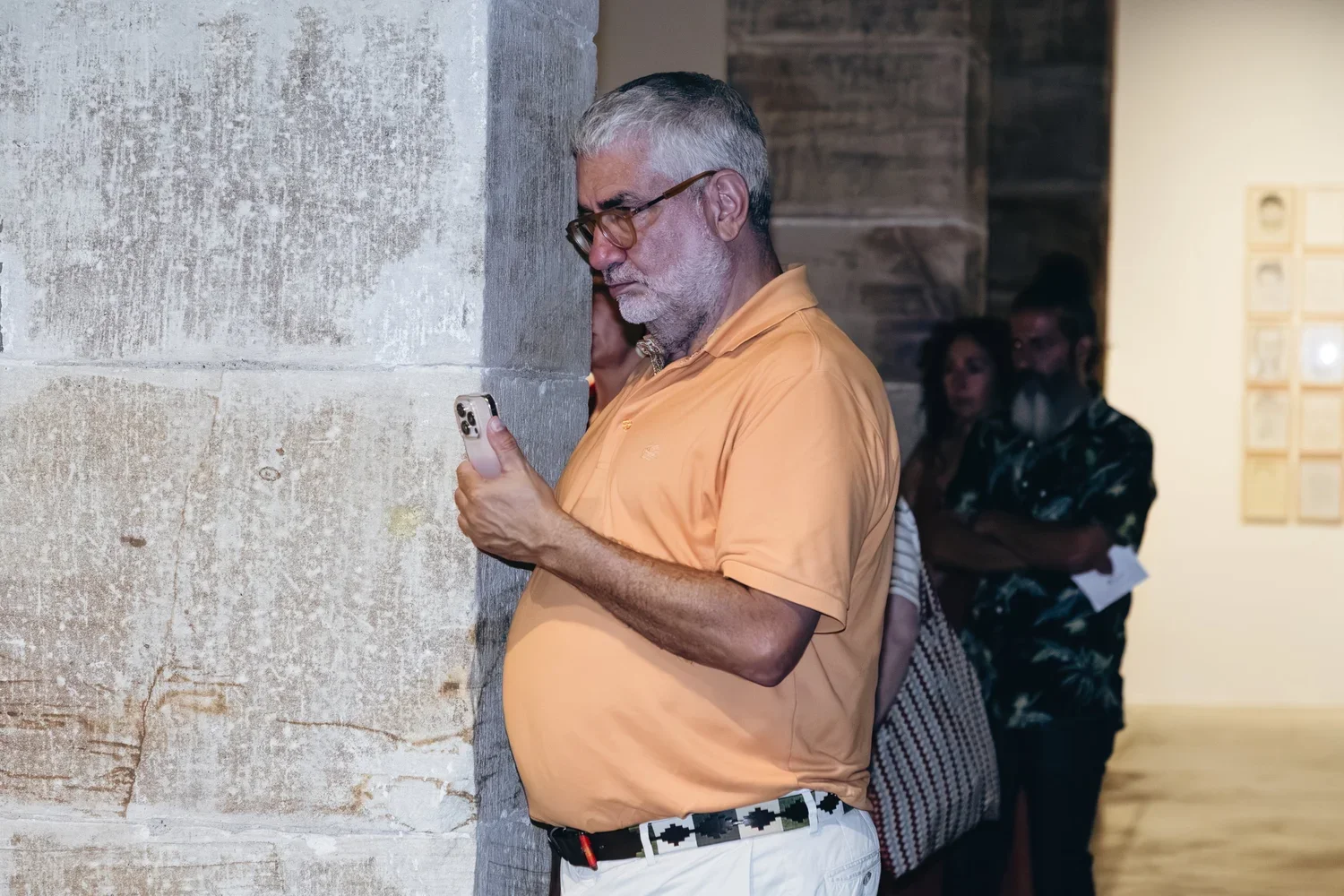
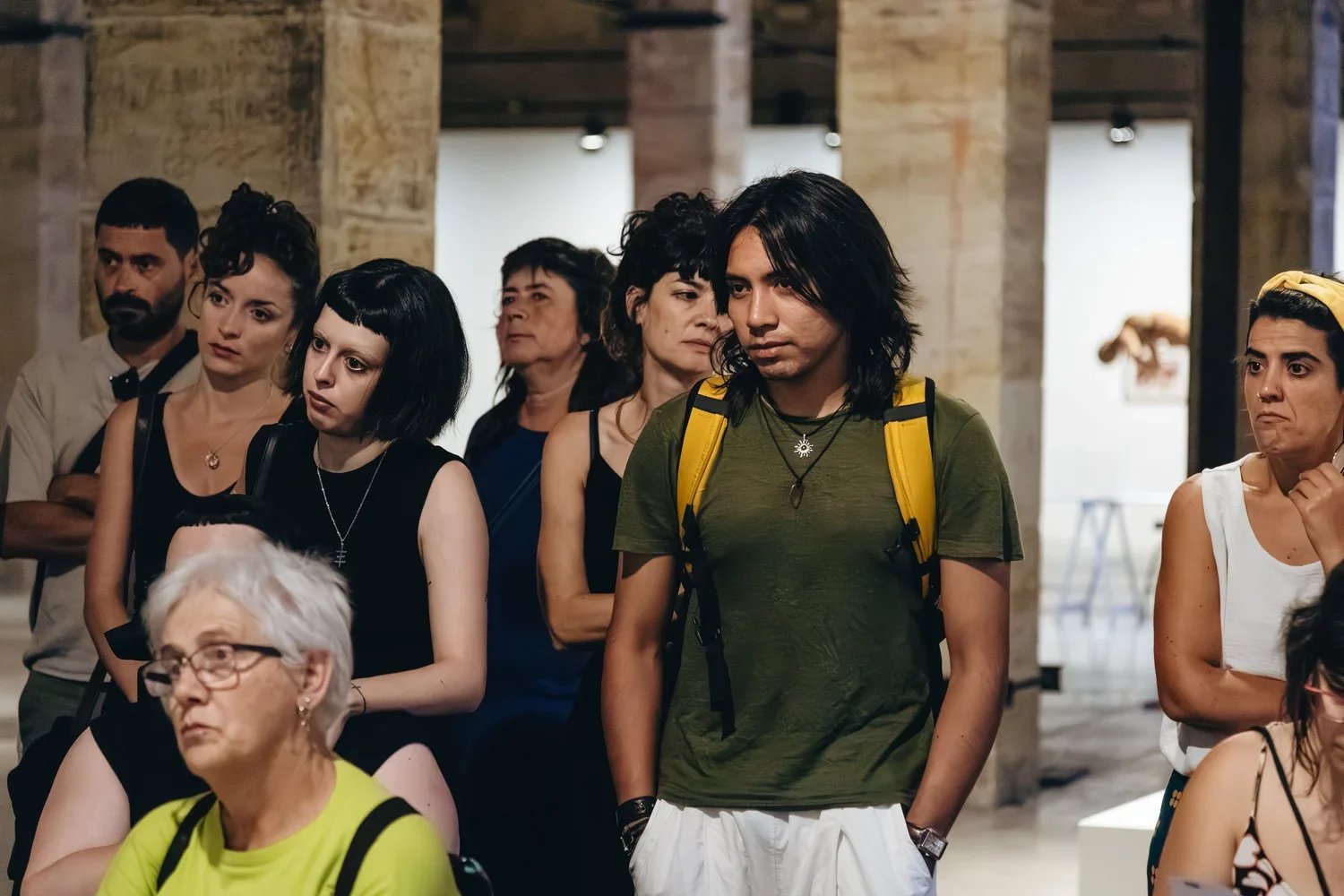
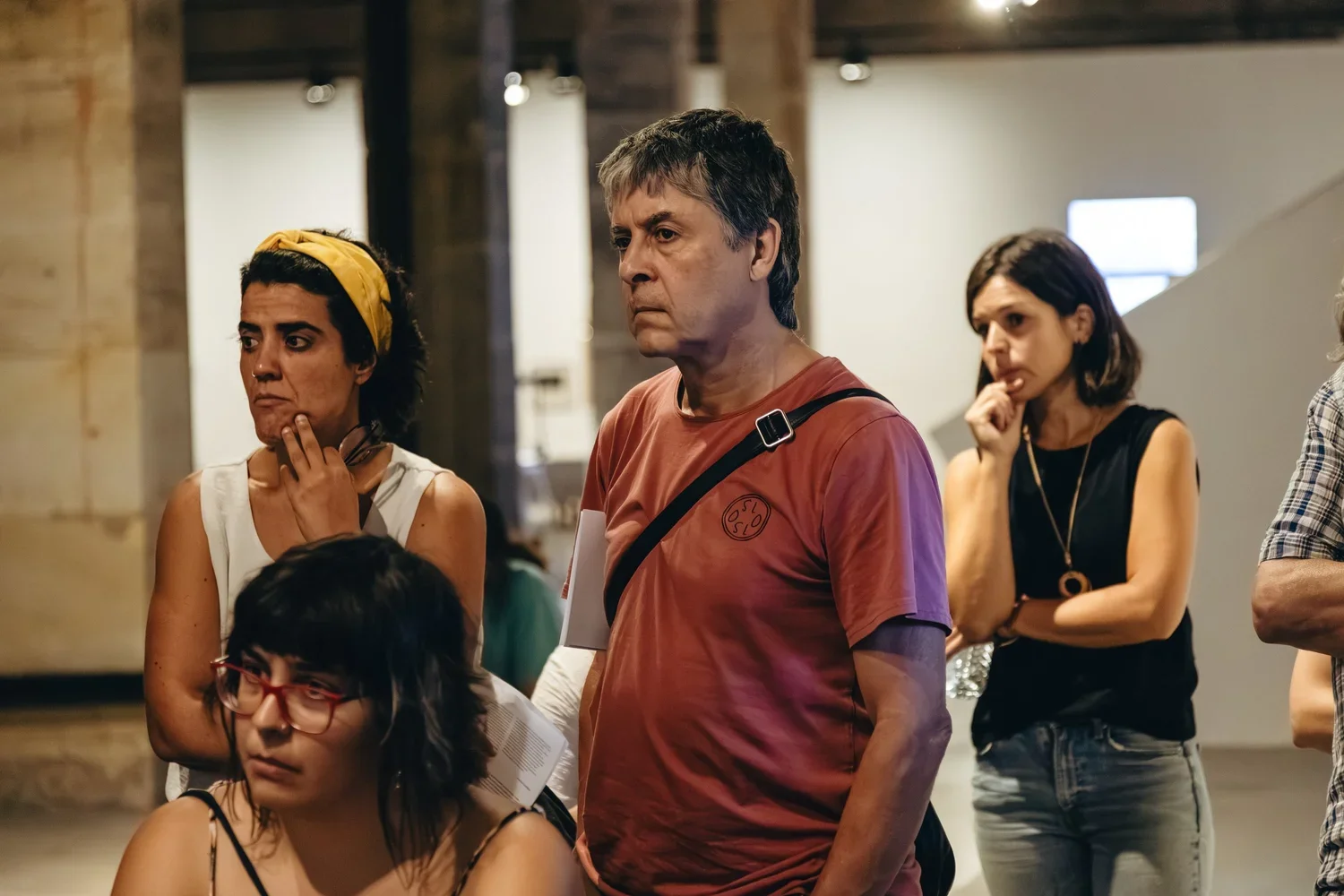
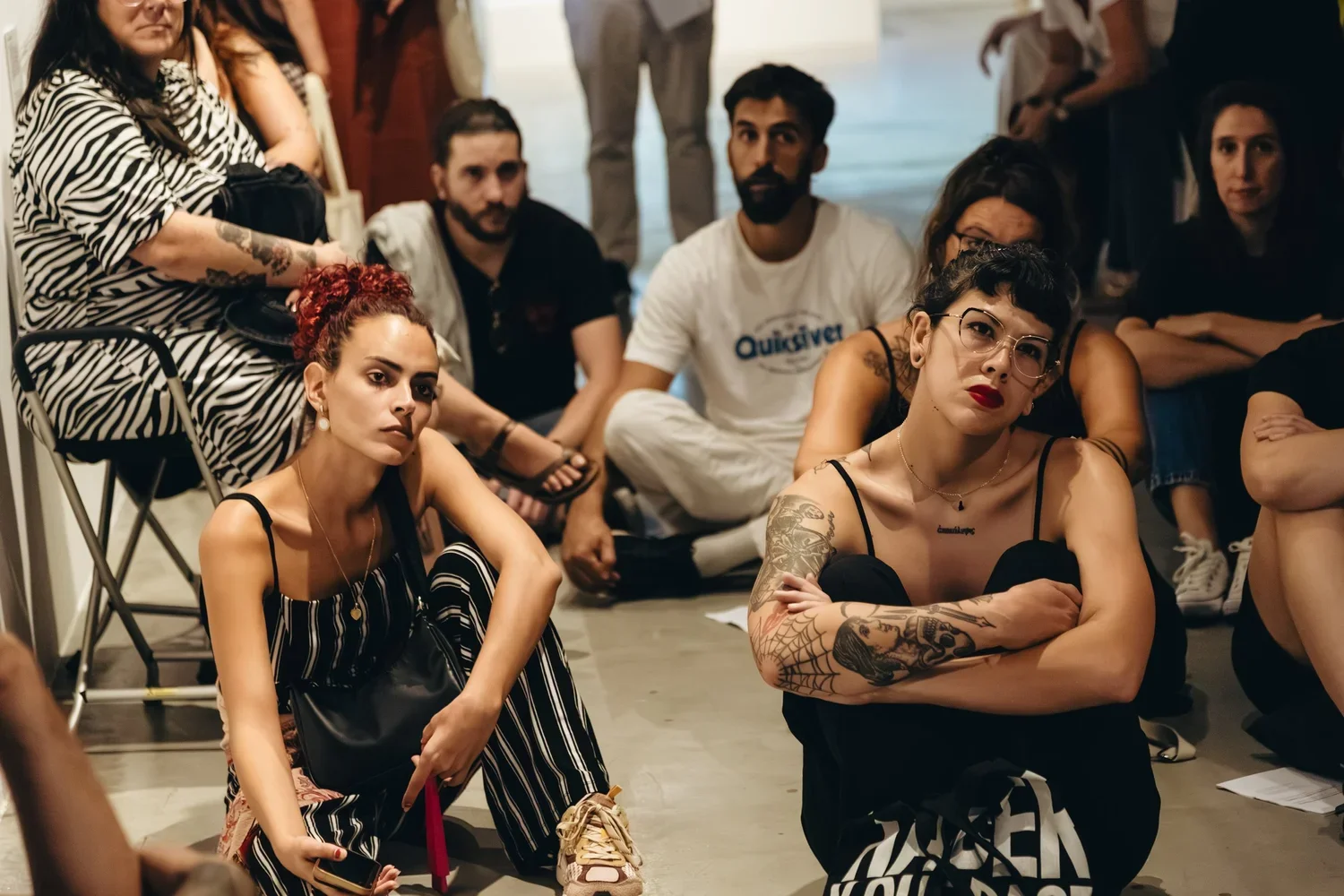
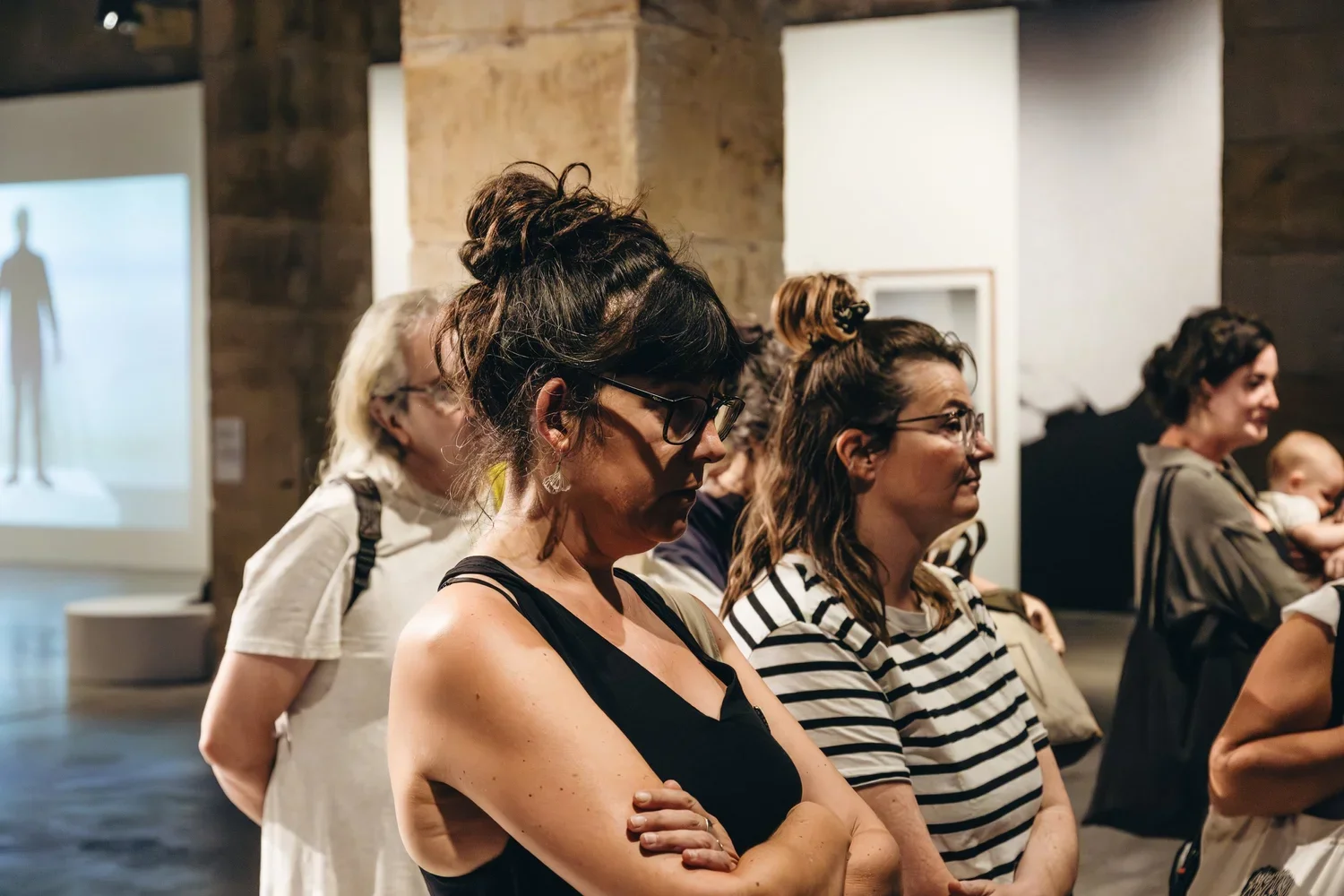
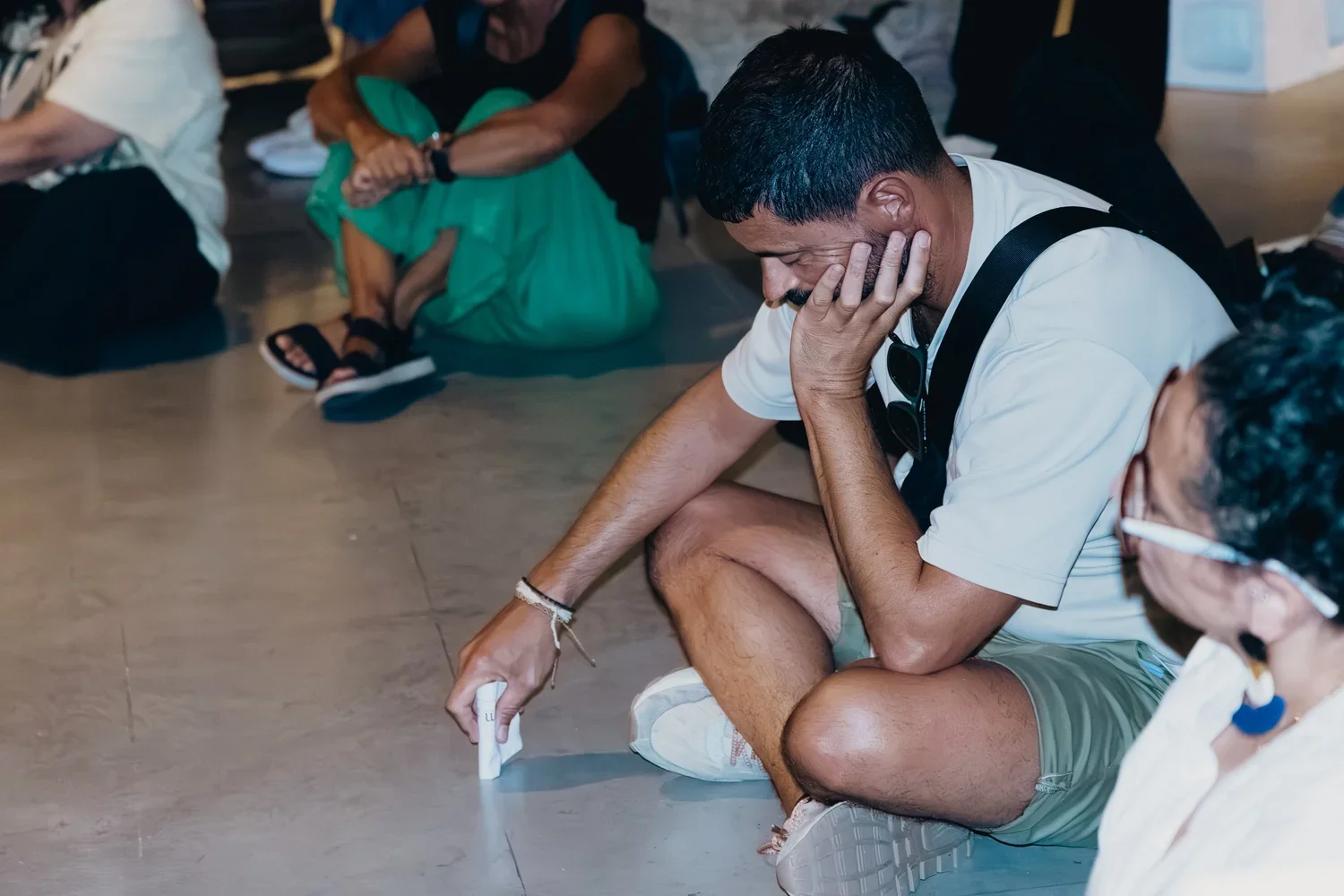
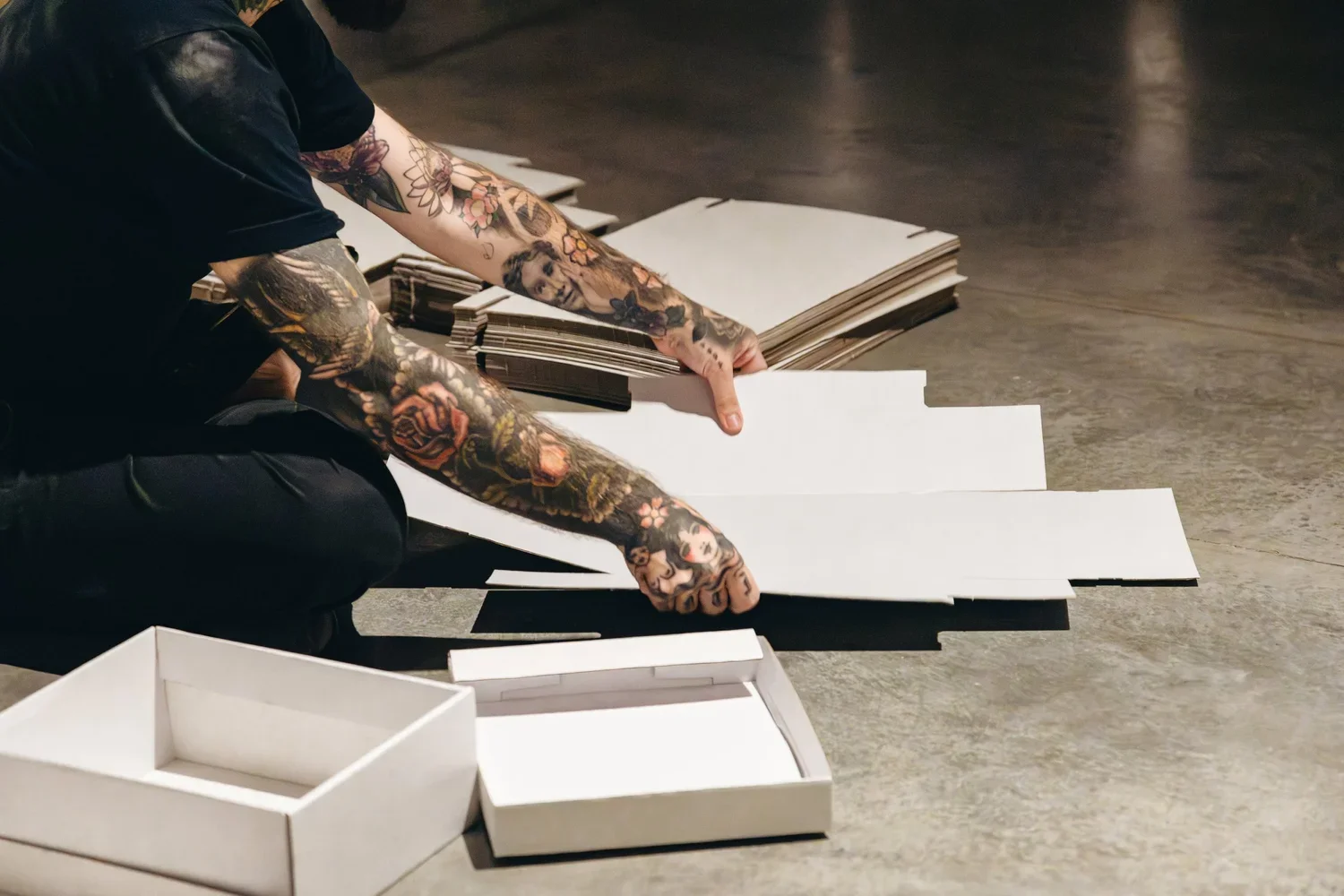
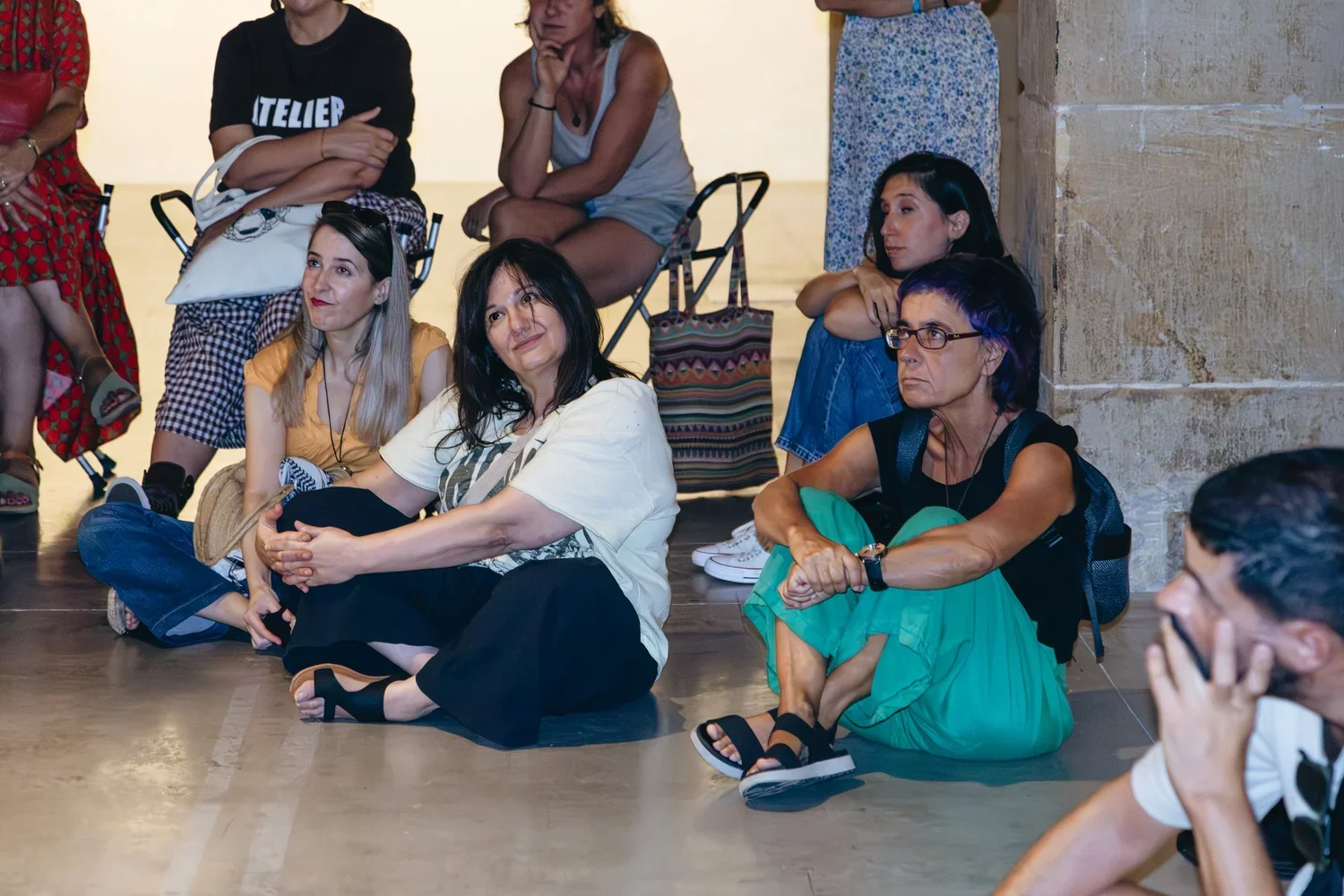
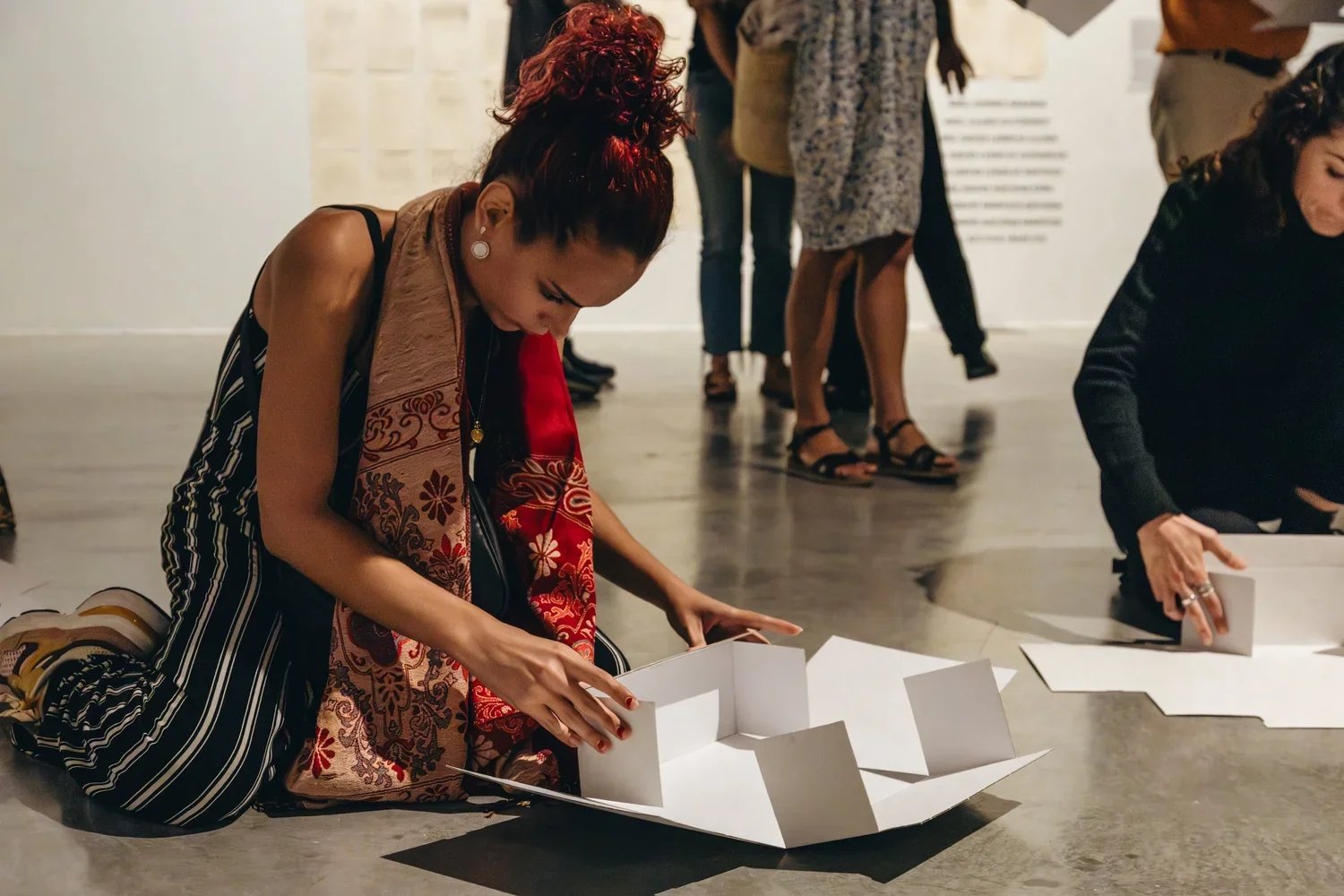
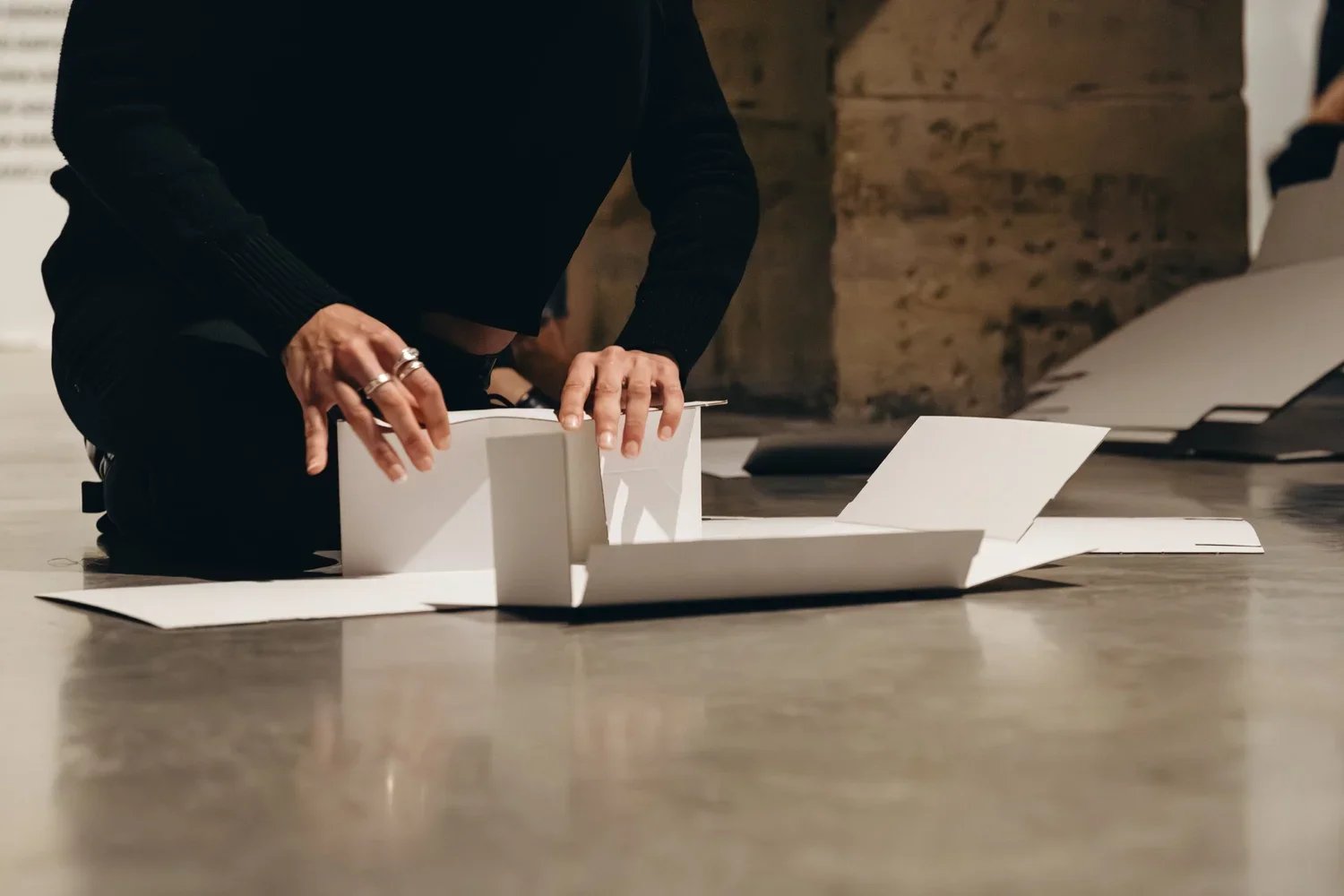
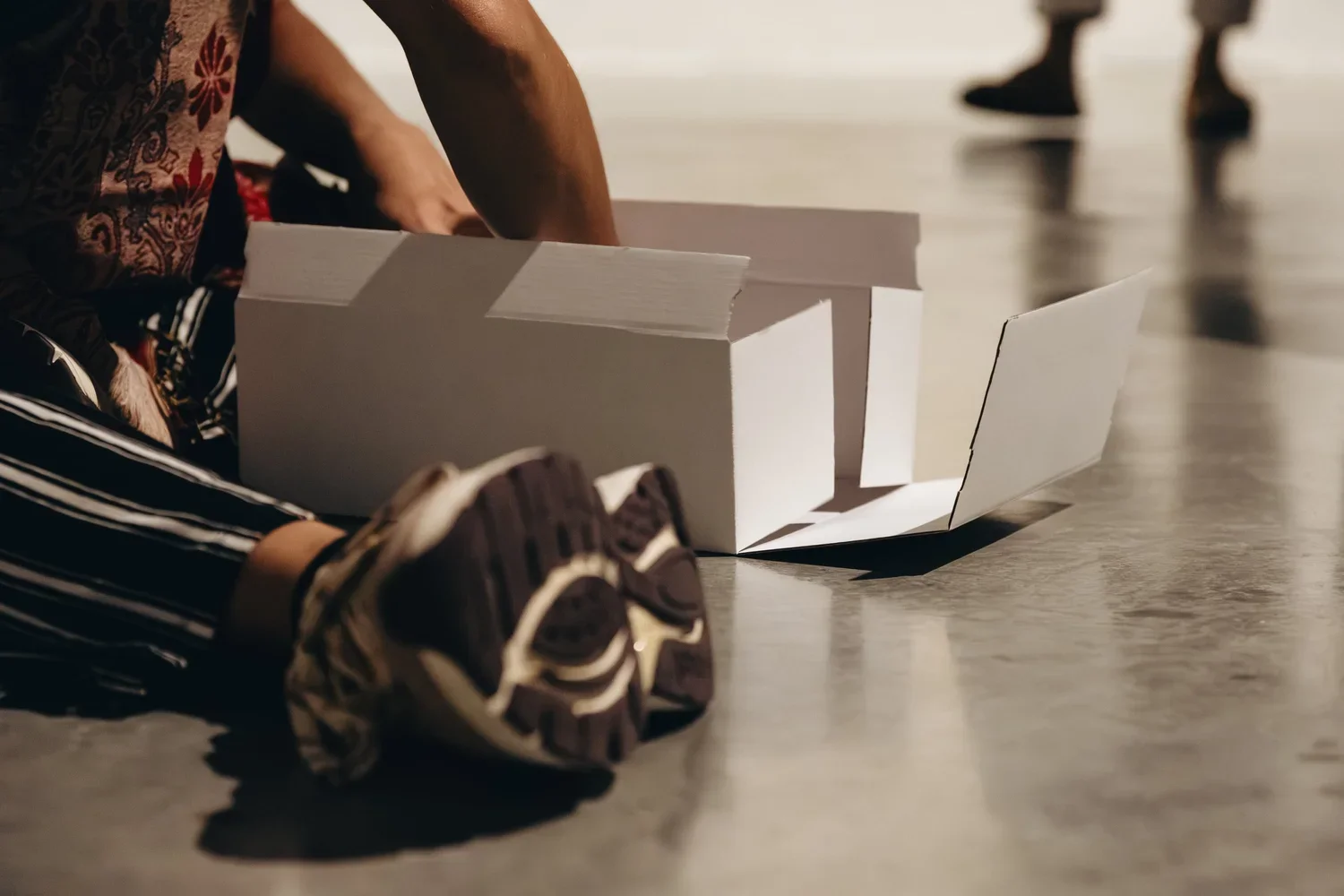
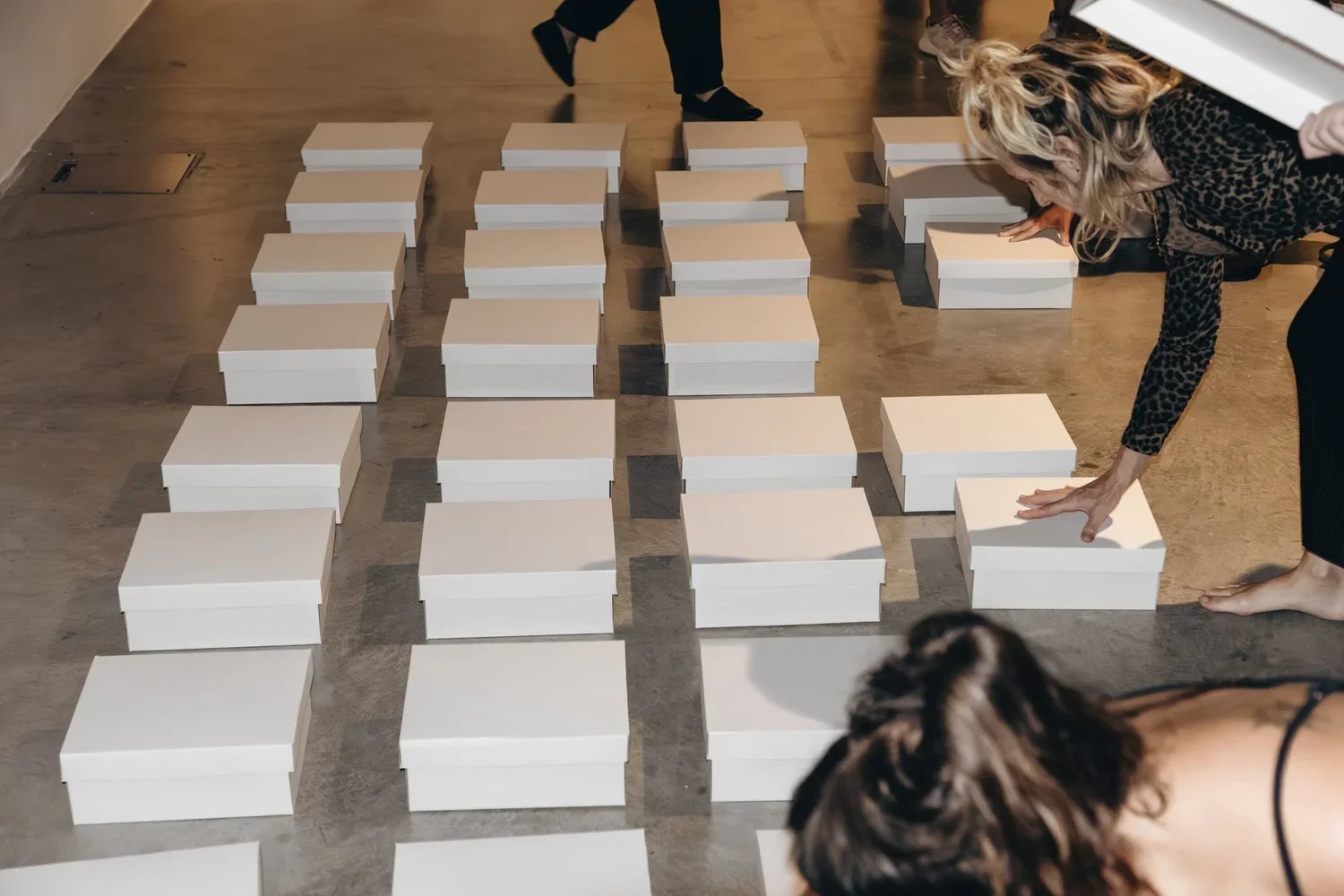
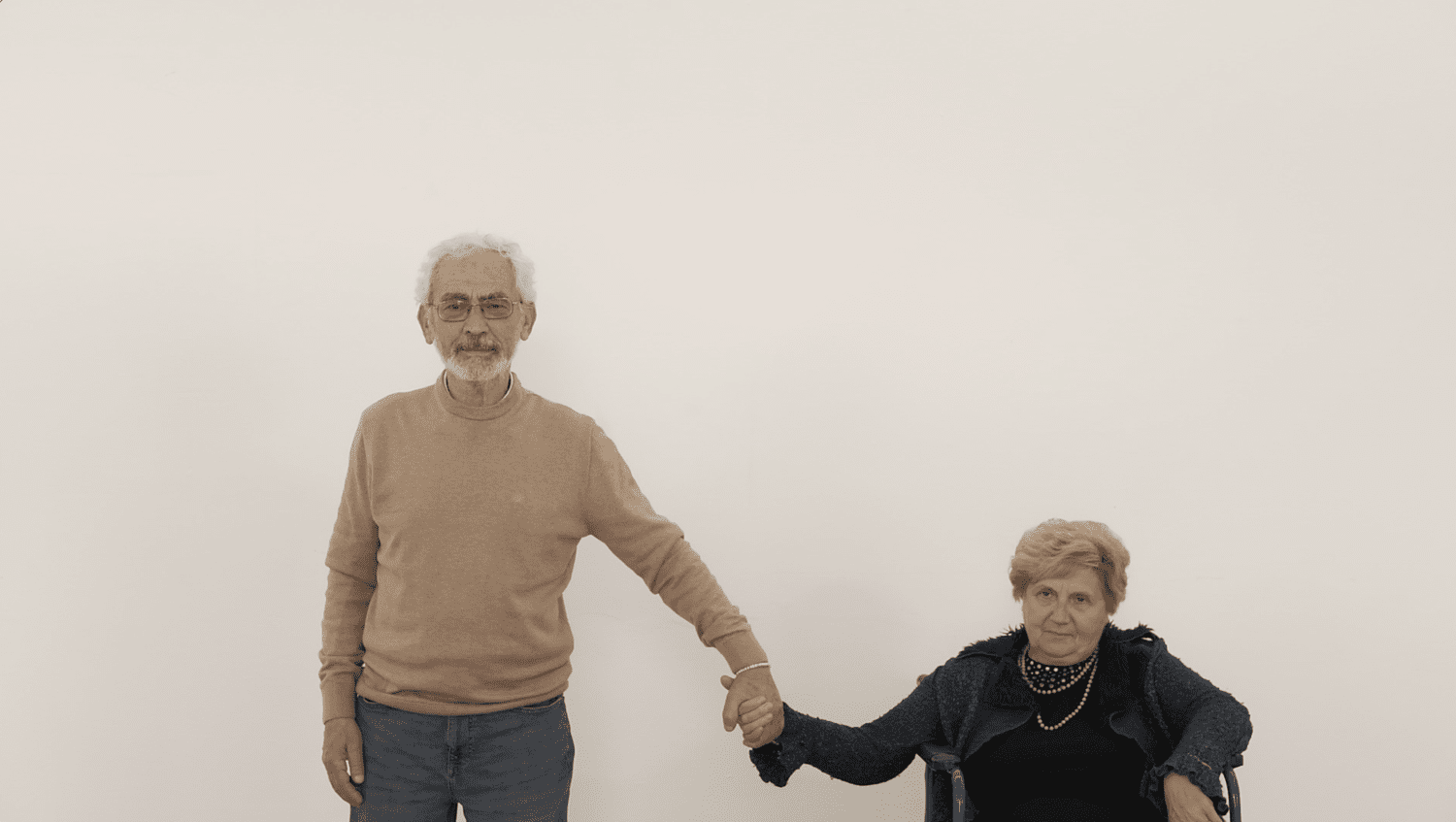
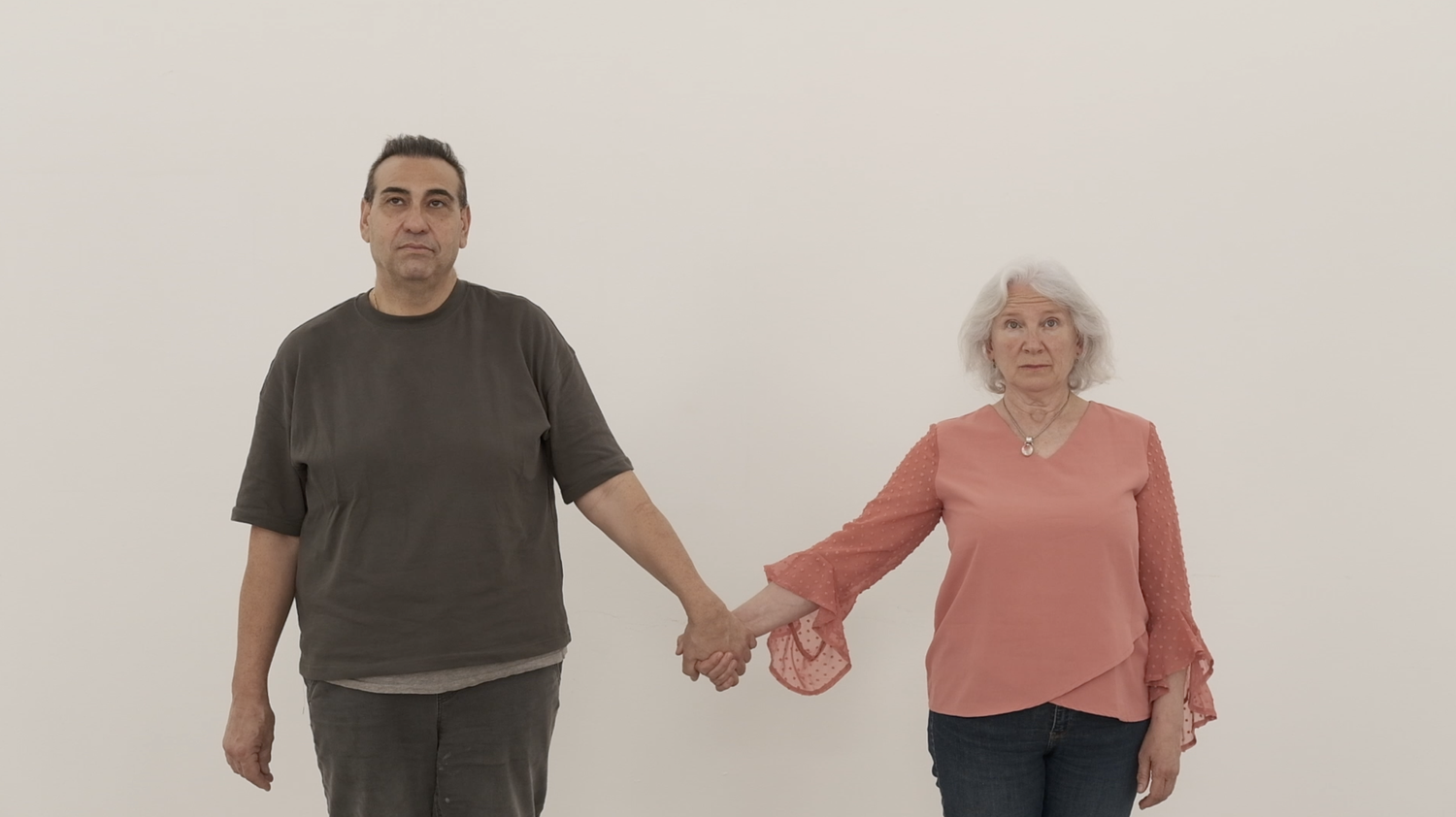
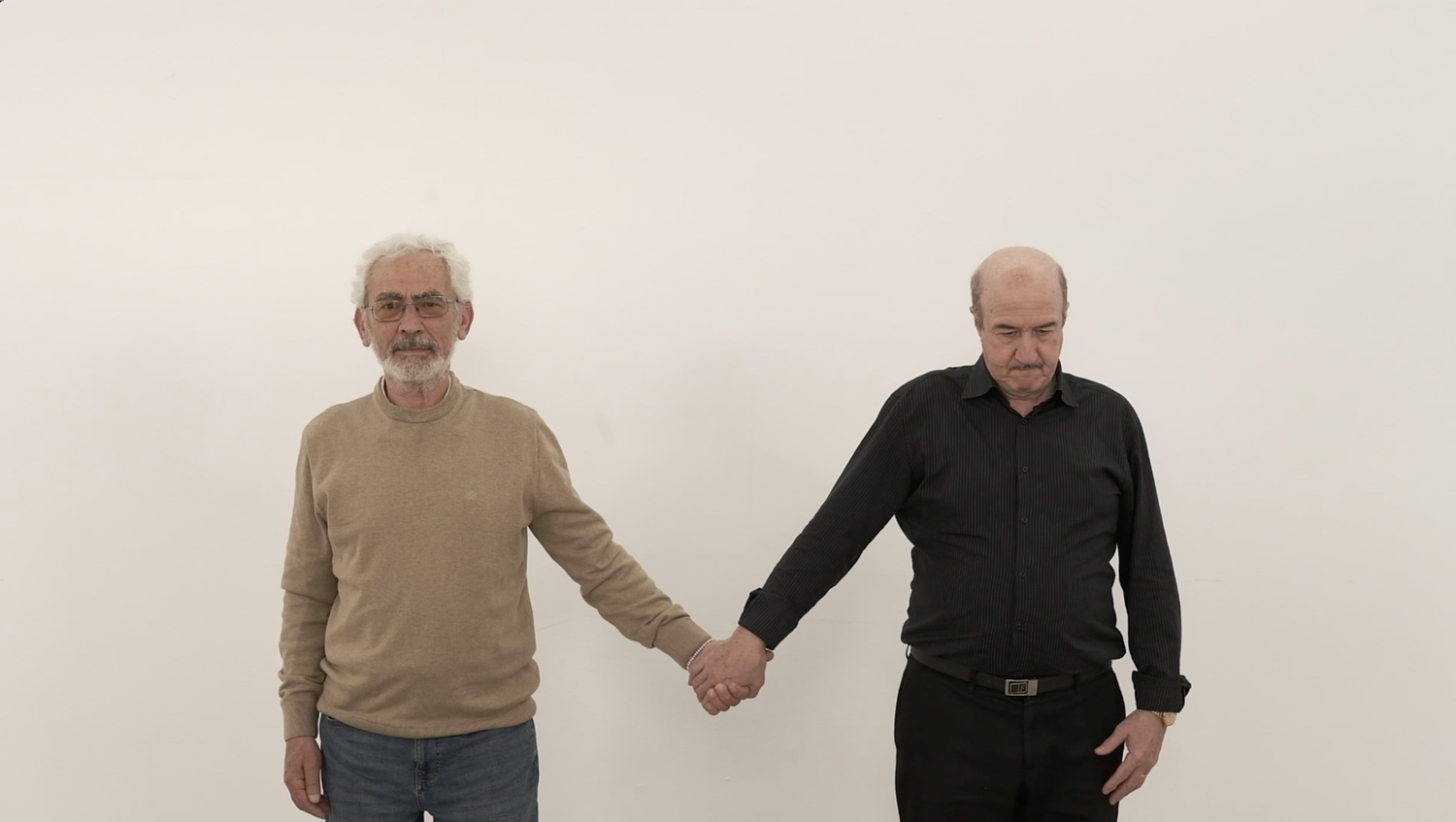
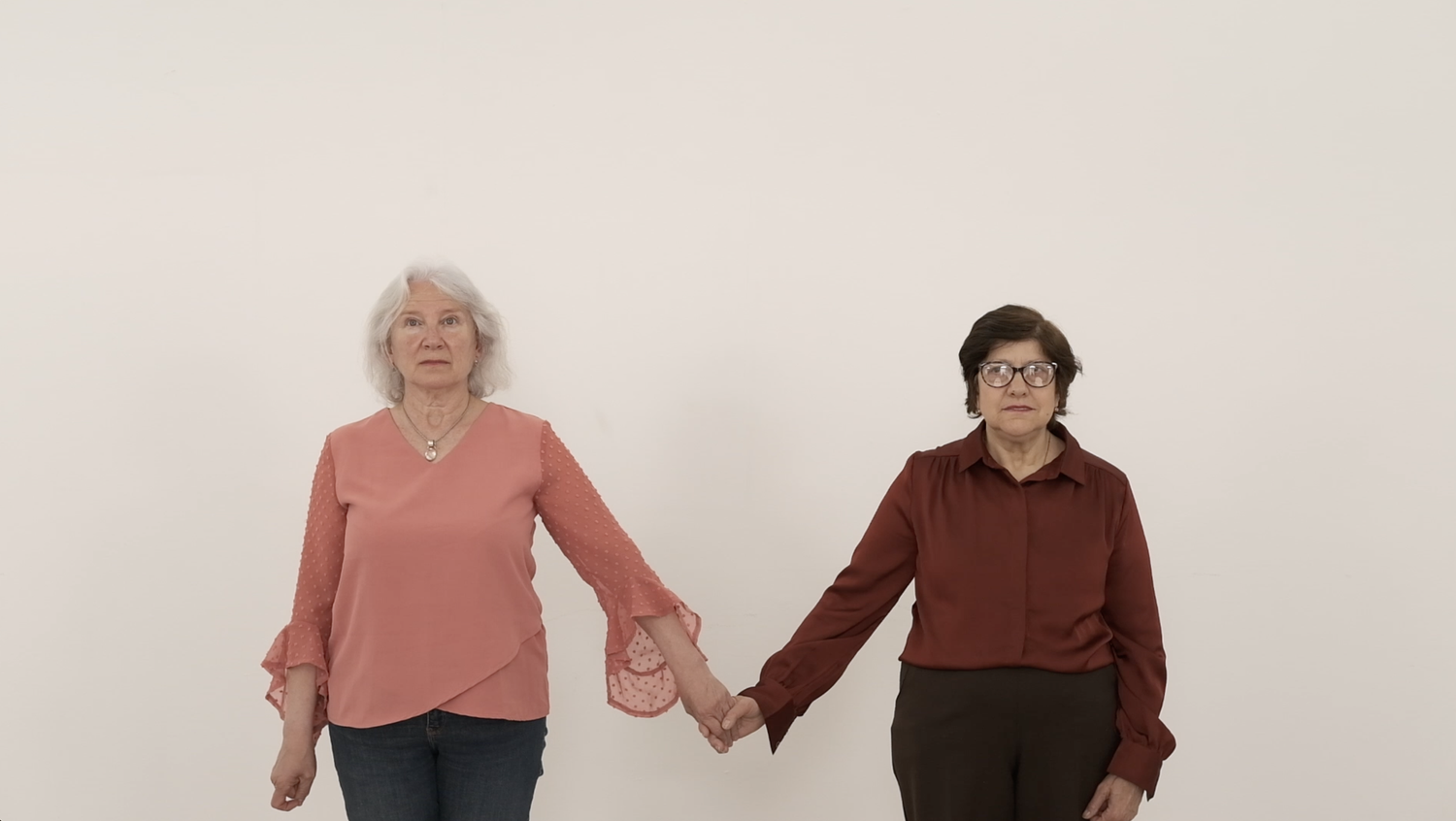
The result was an exhibition featuring twelve large-scale works produced in collaboration with fifty mothers and fifty children separated at birth in maternity hospitals across Madrid, including Clínica San Ramón and Maternidad de Montesa, where Azcona himself was born. In September, through performance, he initiated one of these actions of construction and denunciation, evolving from the individual to the collective and culminating in an installation. Visitors to the exhibition—some of whom had themselves been stolen at birth—joined the artist in constructing fifty white boxes and creating the installation collectively. The boxes function as a metaphor for the absences produced by the forced separation of mothers and children, transforming the participatory act of building them into an action of protest and collective mourning.
White Boxes formed part of the larger project The Stolen Children, exhibited at the Montehermoso Cultural Center in Vitoria-Gasteiz in 2025. The project also included works such as Stolen Families, The Value of a Child, and other participatory actions. Visually, the work possesses tremendous power. The coffins of babies and small children appear as small white boxes.
As we have noted, this is a subject with which Azcona feels directly connected through his own biography. The Value of a Child speaks both about the issue of stolen babies and about himself. Themes of childhood, abandonment, adoption, and child protection systems are all present. These concerns are not new in his work; they already appeared in Case File 09872 (also known as Case File 09812), the document recording his guardianship and abandonment. This document serves as material evidence describing situations of neglect, abuse, and abandonment suffered during his childhood. Here, biographical archives are transformed into artistic and political material.
In Stolen Families, Azcona addresses three fundamental issues that concern both the collective experience of stolen babies and his own individual life. He speaks of the family not as an institution of care and loving upbringing but as a space of loss, of children separated from their mothers, of adoption processes, traumatic state guardianships, and histories of erased filiation. The work offers a harsh critique of family institutions, which do not appear as places of refuge but as spaces where negligence, abuse, and structural violence can occur. Likewise, the piece has a direct relationship with memory, archives, and reparation. In many of his works, Azcona employs court records, guardianship documents, letters, testimonies, and biographical archives. Stolen Families can be understood as a work that reconstructs fragmented family histories and demands symbolic reparation.
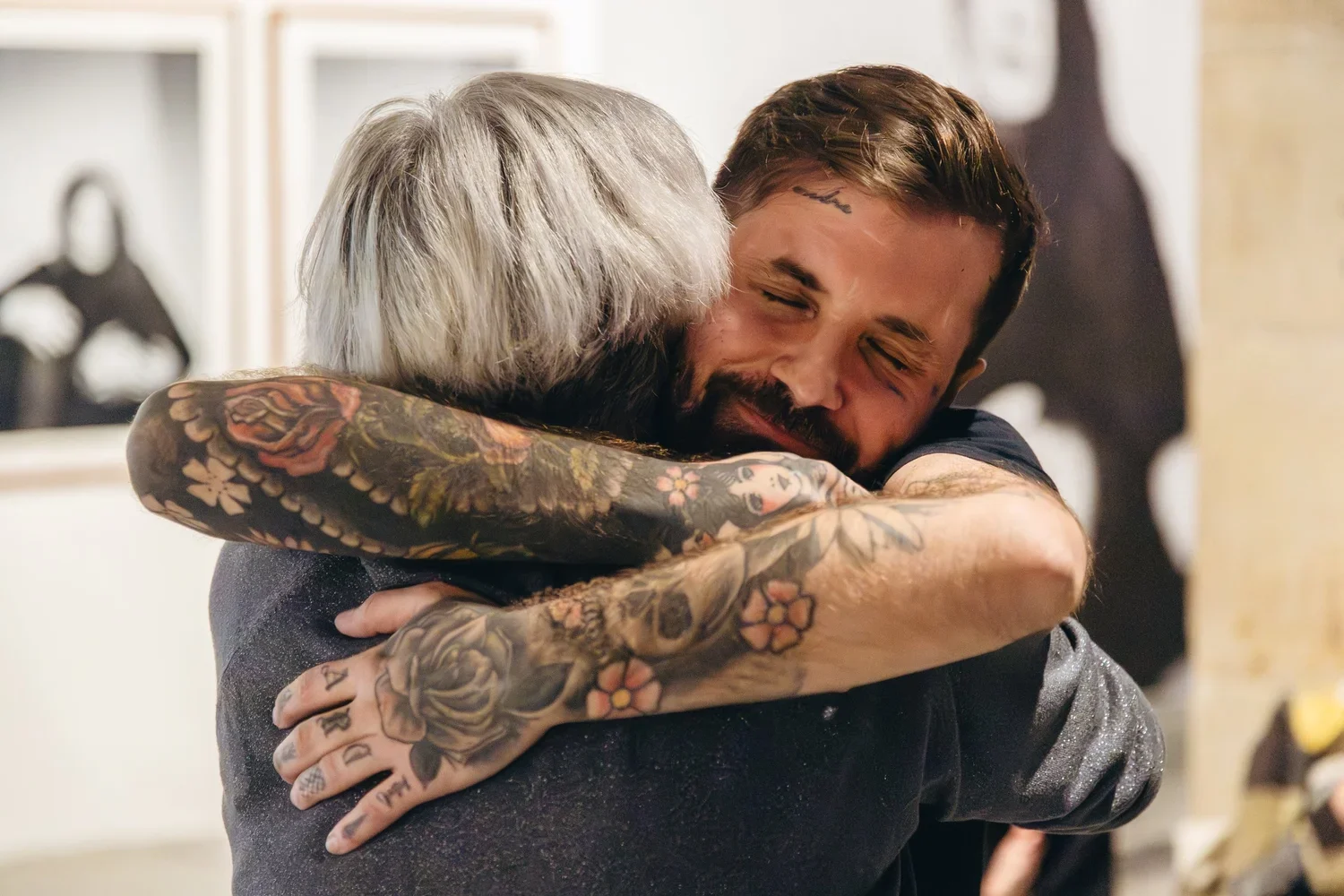
The performance functions as an act of repair because Azcona does not merely represent the problem. The collective construction of the boxes transforms the artwork into an act of participatory memory. The artistic process becomes just as important as the final result. The affected mothers and children cease to be spectators and become producers of memory. What emerges is not simply the activation of a shared recollection but a process of public, participatory, and reparative construction. The work focuses on one of Spain’s most silenced historical wounds. Memory here does not merely recall pain; it creates a space for mutual recognition and symbolic repair. From the perspective of Maurice Halbwachs, one could argue that the work demonstrates how individual memory only acquires full meaning within a social framework. From the standpoint of Pierre Nora’s memory studies, the white boxes can be interpreted as a contemporary site of memory: a material device that preserves and reactivates a past threatened by oblivion.
Here we encounter a constant throughout Azcona’s work: the movement from the autobiographical to the collective. If in earlier projects he used his own guardianship file or his personal history of abandonment, in White Boxes he shifts attention toward a community of victims whose identities were fragmented by institutions.
As we have said, this is not an isolated work within his trajectory. Rather, it connects directly to both his personal and artistic biography and to his broader concerns: his interest in making art a social and political construct that serves the community; his exploration of childhood abandonment, filiation, and the search for origins; violence exercised by religious and state institutions; archives as evidence of historical violence; and the body as the site upon which trauma is inscribed. In this sense, the issue of stolen babies does not appear as an unexpected turn in his production, but rather as the logical consequence of an artistic trajectory centered on vulnerable childhoods and the construction of identity.
Los bebés robados. Juan Ramón Barbancho.
El tema de los bebés robados en España es un asunto complejo porque atraviesa varias décadas y conecta la represión franquista, las políticas de control social, las instituciones religiosas, la medicina y las luchas contemporáneas por la verdad y la reparación. Es complejo porque, además, afecta a las familias, a su memoria, a su pasado, a su presente y a su futuro. De las familias como comunidad y de las personas como individuos. ¿Qué puede ocurrir en tu vida si, cuando ya eres una mujer mayor te enteras que aquel bebé que te dijeron que había nacido muerto no fue así? ¿Cómo reconstruyes tu vida y cómo afrontas tu futuro cuando se te plantea la posibilidad de conocer a un hijo o una hija que creías que no tenías? ¿Cómo tratar de construir tu vida cuando te enteras de que tu familia no es tal, que tu madre y tu padre no son tal? Hay aquí un asunto importante. Por ejemplo, hay personas que ya adultas se enteran de que son adoptadas y tienen que aprender a convivir con su familia de sangre y con la que ha sido siempre. Tienes que aprender a compaginar un cariño construido con los años con otro que tienes que aprender a construir y que tiene que ir de adelante hacia atrás. Pero este caso que aquí abordamos es mucho más complicado. Esas personas que has querido como una familia no te adoptaron, te compraron y fueron (son) cómplices de tu robo. Me pregunto cómo será, cómo se reconstruye la vida de una persona así. ¿Cómo miras a los ojos a tu madre, por primera vez, y le dices no sabía que existía?
Las cajas blancas como metáfora de la pérdida.
En Las cajas blancas, Abel Azcona transforma la ausencia material de los bebés robados en una presencia simbólica colectiva, utilizando la instalación y la performance como dispositivos de reparación memorial frente a un trauma histórico que permanece parcialmente irresuelto. Es decir, desde las construcciones culturales él trabaja con las representaciones artísticas de la desaparición y la identidad, con el uso de fotografías familiares, archivos y documentos, con las estrategias de reconstrucción biográfica, con algo tan importante como tratar la ausencia como forma estética y fundamentalmente creando una obra que se basa en el acompañamiento. No es sustituir, no es borrar la ausencia, no es querer hacer desaparecer el trauma, es acompañar. Más adelante veremos cómo empezó esta obra y cómo se desarrolló.
Como decimos es un asunto extremadamente complejo porque, además, comienza como parte de la represión de la Dictadura, cuando la separación de hijos e hijas de mujeres republicanas encarceladas, que evolucionó hacia una red más amplia de apropiaciones y adopciones irregulares, lo que constituyó un negocio también económico. Aquí tendríamos que abordar las teorías psiquiátricas de Vallejo Nájera sobre la “regeneración” de la sociedad española. La retirada de bebés a presas republicanas. La institucionalización de menores en centros religiosos y estatales durante el franquismo y la transformación progresiva del fenómeno en una trama de adopciones irregulares que se prolongó más allá de la muerte del dictador. No vamos a entrar específicamente ahí, que nos llevaría a hacer un análisis mucho más extenso, pero sí que nos parece importante este primer planteamiento sobre el problema -el drama- para entender mejor el trabajo de Abel Azcona sobre este asunto y las conexiones que hay con su propia biografía.
Tenemos que desplazar la mirada hacia las consecuencias para las víctimas y las formas de recordar e incluso construir unos recuerdos sobre lo que nunca ha existido. Hablamos (que tendrá importancia a la hora de entender el sentido del trabajo de Azcona) sobre la búsqueda de identidad de las personas que sospechan que fueron robadas; del duelo interrumpido de madres y familias; de los archivos incompletos o desaparecidos y de las asociaciones de víctimas y las demandas de reconocimiento. Desde la mirada de Azcona, el foco no es únicamente histórico o jurídico, sino también artístico, autobiográfico, político y memorial. La cuestión central sería preguntarnos cómo él transforma una experiencia de violencia institucional sobre la infancia en una práctica artística que denuncia mecanismos de control sobre los cuerpos y las identidades. Una obra que puede interpretarse como una práctica de reconstrucción identitaria frente a formas de violencia institucional que producen sujetos desarraigados, convirtiendo el cuerpo autobiográfico en un archivo alternativo desde el que cuestionar el silenciamiento histórico de experiencias como esta de los bebés robados en España, que constituye una de las cuestiones más dolorosas y controvertidas de nuestra historia reciente. Fueron miles los niños y niñas separados de sus madres biológicas y entregados a otras familias, muchas veces mediante engaños, falsificación documental o adopciones irregulares. Especialmente para esas madres fue un duelo imposible. No existía un cuerpo, una certeza o una explicación definitiva. Una incertidumbre que se prolongó en muchos casos durante toda la vida.
A partir de 2008, las denuncias de asociaciones de víctimas adquirieron gran visibilidad pública. Se abrieron investigaciones judiciales y se impulsaron bases de datos de ADN para facilitar reencuentros familiares. Sin embargo, gran parte de las causas han encontrado obstáculos como la falta de documentación, el fallecimiento de posibles responsables y la prescripción de delitos. Esa “comercialización” de bebés tiene un enfoque más, muchos se usaron como si fueran objetos, como premios a familias adeptas al Régimen que no podían tener hijos o que querían más.
Podemos pensar que robar un bebé no debería ser algo fácil, pero ocurrió impunemente entre 1940 y 1990. El informe del Defensor del Pueblo de 2011 estima que hay al menos 1.414 casos abiertos en los tribunales relacionados con el robo de niños y niñas. Según informan las víctimas, durante ese medio siglo robar bebés resultó muy simple para monjas, curas y otros que quisieran traficar. La estrategia más usada era sedar a las madres y decirles posteriormente que sus hijos habían nacido muertos. No había forma de protestar, no había manera de exigir ver el cuerpo, de tener un documento fiel del fallecimiento. Esas familias, esas madres, a quienes se les robaba el recién nacido eran de familias generalmente pobres y sin medios, por lo que la protesta se hacía imposible. Además de las mencionadas mujeres republicanas en las cárceles, que no tenían derecho a nada. Este último asunto enlaza estos delitos y este drama con la Memoria Democrática, porque ambos fenómenos están vinculados a las consecuencias de la dictadura y a las dificultades posteriores para reconocer, investigar y reparar violaciones de derechos humanos. El citado Vallejo Nájera, el que quería extirpar el “gen rojo”, defendía la idea de que era necesario apartar a los bebés de la influencia ideológica de sus familias republicanas. En las décadas de 1940 y 1950 muchas madres encarceladas o represaliadas perdieron a sus hijos, que fueron entregados a instituciones religiosas o a otras familias. Lo que comenzó como un mecanismo de represión política fue evolucionando con el tiempo.
Desde los años cincuenta y hasta bien entrada la democracia, algunas de estas prácticas se transformaron en redes ilegales de adopción, con la participación de miembros de instituciones religiosas, sanitarias y funcionarios. Por eso hablamos de que es un asunto complejo, con varios perfiles, ya que tenemos, por una parte, la separación de hijos e hijas de familias republicanas, por motivos políticos. Por otra la retirada de recién nacidos a madres solteras o consideradas moralmente inadecuadas, de las que se entendía que no tenían capacidad moral para formar una familia, y luego las adopciones irregulares y posibles tramas de compraventa de menores durante el tardofranquismo y la transición.
Hablamos de su relación con la Memoria Democrática porque ésta busca recuperar y reconocer experiencias de violencia, represión y vulneración de derechos que quedaron silenciadas y este asunto de bebés robados encajan en este marco porque son una consecuencia de estructuras represivas del franquismo, al ser una forma de castigo político y control social. Encajan también porque implican desapariciones y pérdidas de identidad. Muchas personas crecieron sin conocer sus orígenes biológicos, mientras que miles de familias siguen buscando a sus hijos o hermanos. Hubo décadas de silencio institucional impuesto por el Régimen. Como ocurre con otros aspectos de la represión, las víctimas han denunciado obstáculos para acceder a archivos, obtener documentación y conseguir investigaciones judiciales. Por último, está directamente relacionado con los asuntos de la Memoria porque plantean demandas de verdad, justicia y reparación.
Estas tres reivindicaciones son centrales en los debates contemporáneos sobre Memoria Democrática y Derechos Humanos. Así lo ha reconocido la Ley de Memoria Democrática (Ley 20/2022, de 19 de octubre), que incorporó referencias a la búsqueda de menores sustraídos y al derecho de las víctimas a conocer la verdad sobre lo ocurrido.
En el año 2023 diferentes asociaciones y organizaciones españolas que buscan conocer la verdad y recuperar sus hijos e hijas en unos casos o conocer a sus madres en otros, sabiendo cómo es el trabajo de Azcona, su relación con la infancia y su interés por arrojar luz sobre injusticias y abandonos, contactaron con él y le plantearon trabajar sobre este asunto. Él se comprometió a desarrollar una serie de nuevas piezas junto a ellos. Entre 2023 y 2025 estuvo totalmente volcado sobre su caso personal, su nacimiento, su abandono, sus maltratos y vejaciones en la infancia, la búsqueda y el encuentro con su madre biológica, sus encuentros/performances con sus otras madres, sus otras familias. Una vez abordada ampliamente esta etapa, que no cerrada definitivamente, en 2025 se adentra en este asunto e inicia una serie de performances y construcción de objetos/memoria en torno al robo de bebés junto a muchos de los protagonistas, tanto hijos e hijas como madres.
El resultado fue una muestra con doce obras de gran formato en colaboración con cincuenta madres y cincuenta hijos separados al nacer en diferentes maternidades de Madrid como la Clínica San Ramón o la Maternidad de Montesa, donde nació el propio Azcona. En septiembre inició mediante performance una de estas acciones de construcción y denuncia desde lo individual a lo colectivo, derivada en instalación. Los visitantes de la muestra, algunos de ellos niñas y niños robados al nacer, junto al artista construyeron cincuenta cajas blancas y crearon la instalación de manera colectiva, que son una metáfora de las ausencias producidas por las separaciones forzadas de madres e hijos, convirtiendo el gesto participativo de construir las cajas en una acción de denuncia y duelo colectivo.
La obra Las cajas blancas formó parte de la obra mayor Los niños robados, que se expuso en el Centro Cultural Montehermoso de Vitoria-Gasteiz en 2025. El proyecto incluyó también piezas como Familias robadas, El valor de un niño y otras acciones participativas. Visualmente tiene una potencia tremenda, los ataúdes de los bebés y niños y niñas chiquitos son pequeñas cajas blancas.
Decíamos que es un tema con el que Azcona se siente directamente vinculado por su propia biografía. El valor de un niño habla tanto del asunto de los bebés robados como de sí mismo. Tenemos la infancia, el abandono, la adopción y los sistemas de protección de menores y no es algo nuevo, ya estaba en obras como Expediente 09872 (también conocido como Expediente 09812), el documento de su tutela y abandono. La prueba fehaciente que describe situaciones de desamparo, abuso y negligencia sufridas durante su infancia. Es, en este caso, la conversión del archivo biográfico en material artístico y político.
En Familias robadas aborda tres asuntos fundamentales que, como decimos, atañe tanto al tema colectivo de los bebés robados, como al individual de su propia vida. Habla de la familia no como institución de cuidados y de crianzas con amor sino como espacio de pérdida, de hijos separados de sus madres, de procesos de adopción, tutelas estatales traumáticas y de historias de desaparición de la filiación. Hace una dura crítica a las instituciones familiares, que no aparecen como refugio sino como un espacio donde pueden producirse negligencias, abusos y violencias estructurales. Igualmente, esta obra, como ya hemos comentado, tiene una relación directa con la memoria, el archivo y la reparación. En muchos de sus trabajos utiliza expedientes judiciales, documentos de tutela, cartas, testimonios y archivos biográficos. Aquí, Familias robadas puede entenderse como una pieza que reconstruye historias familiares fragmentadas y reclama una reparación simbólica.
La performance se crea como un acto de reparación en la que lo importante es que Azcona no se limita a representar el problema. La construcción colectiva de las cajas convierte la obra en un acto de memoria participativa. El proceso artístico se vuelve tan importante como el resultado final. Las madres y los hijos afectados dejan de ser espectadores para convertirse en productores de memoria, donde no asistimos a la activación de un simple recuerdo compartido, sino a un proceso de construcción pública, participativa y reparadora. La obra se centra en una de las heridas históricas más silenciadas de España. La memoria aquí no sólo recuerda el dolor, sino que crea un espacio de reconocimiento mutuo y reparación simbólica. Desde la perspectiva de Maurice Halbwachs, podríamos afirmar que la obra muestra cómo el recuerdo individual sólo adquiere sentido pleno dentro de un marco social, mientras que analizada desde los estudios de Pierre Nora las cajas blancas pueden interpretarse como un lugar de memoria contemporáneo, un dispositivo material que conserva y reactiva un pasado amenazado por el olvido.
Aquí aparece una constante en toda la obra de Azcona: el paso de lo autobiográfico a lo colectivo. Si en trabajos anteriores utilizaba su propio expediente de tutela o su propia historia de abandono, en Las cajas blancas desplaza la atención hacia una comunidad de víctimas cuya identidad fue fragmentada por las instituciones.
Como decimos no es un trabajo aislado en su trayectoria, sino que enlaza directamente con su biografía personal y artística y con sus preocupaciones, con su interés por hacer del arte un constructo social/político que sirva para el bien de la comunidad, elaborando obras que hablan del abandono infantil, de la filiación y la búsqueda de los orígenes, de la violencia ejercida por instituciones religiosas y estatales, del archivo como prueba de violencias históricas y del cuerpo como lugar donde se inscribe el trauma. En ese sentido, el tema de los bebés robados no aparece como un giro inesperado en su producción, sino como una consecuencia lógica de una trayectoria artística centrada en la infancia vulnerada y la construcción de la identidad.
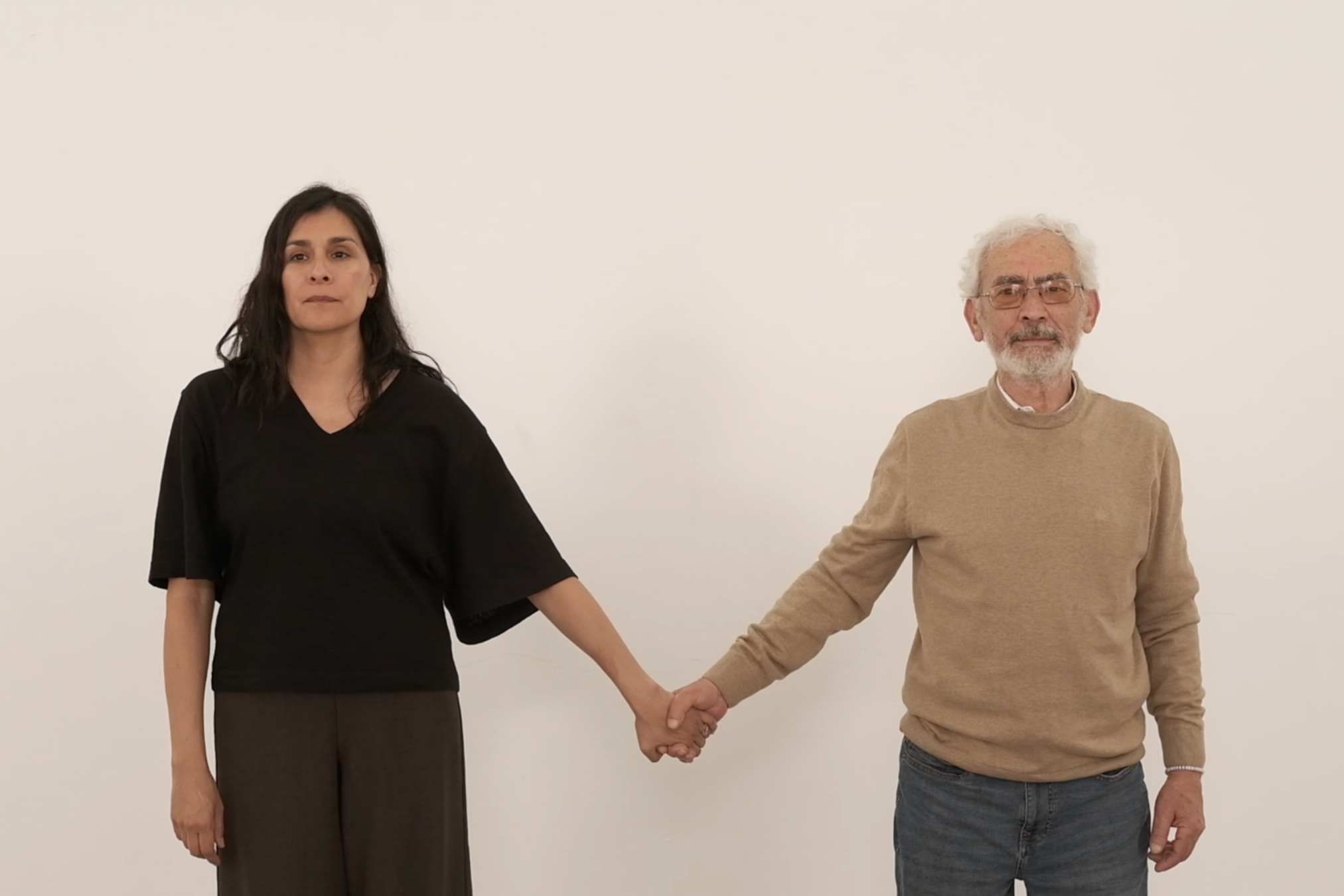
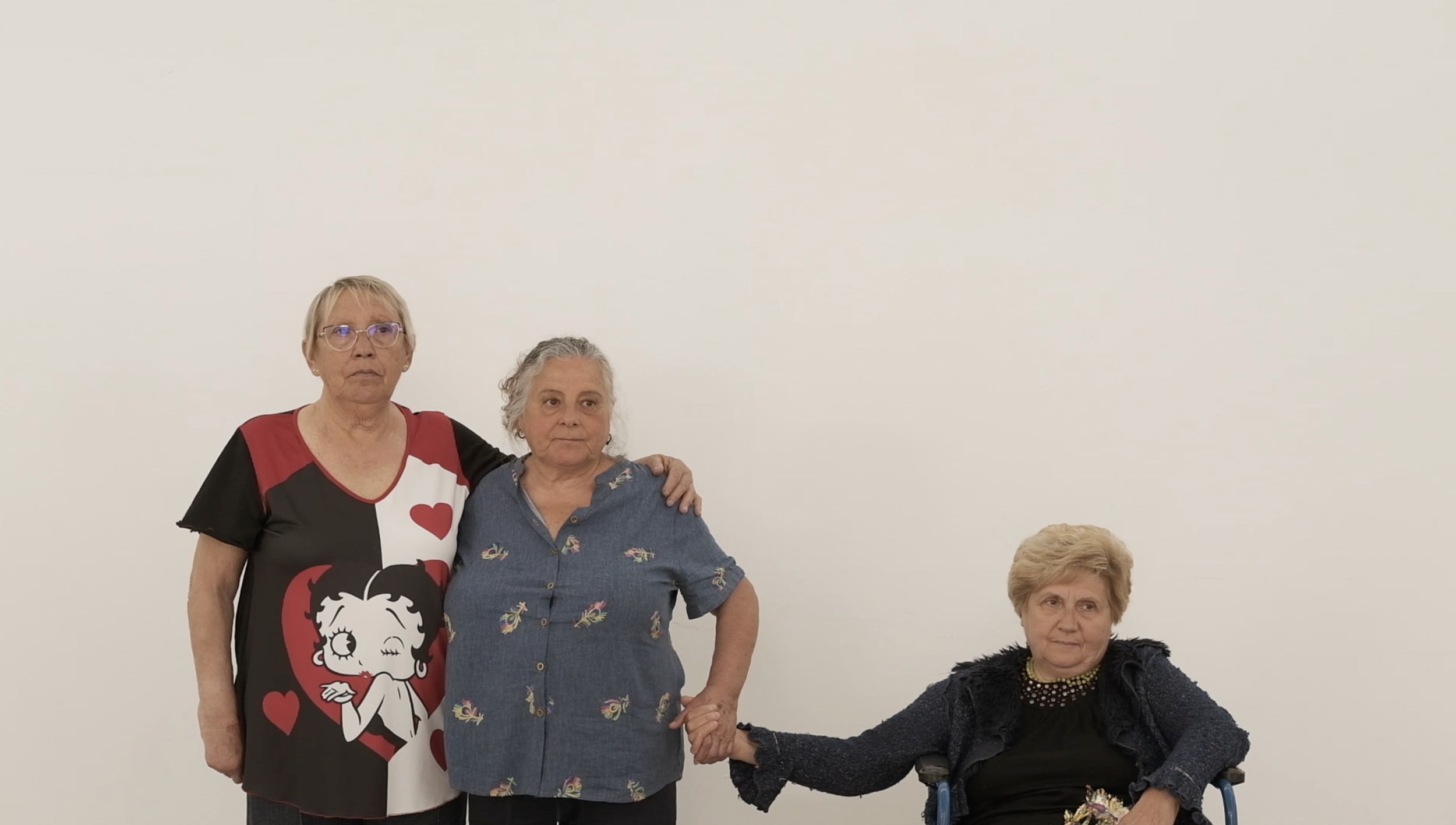
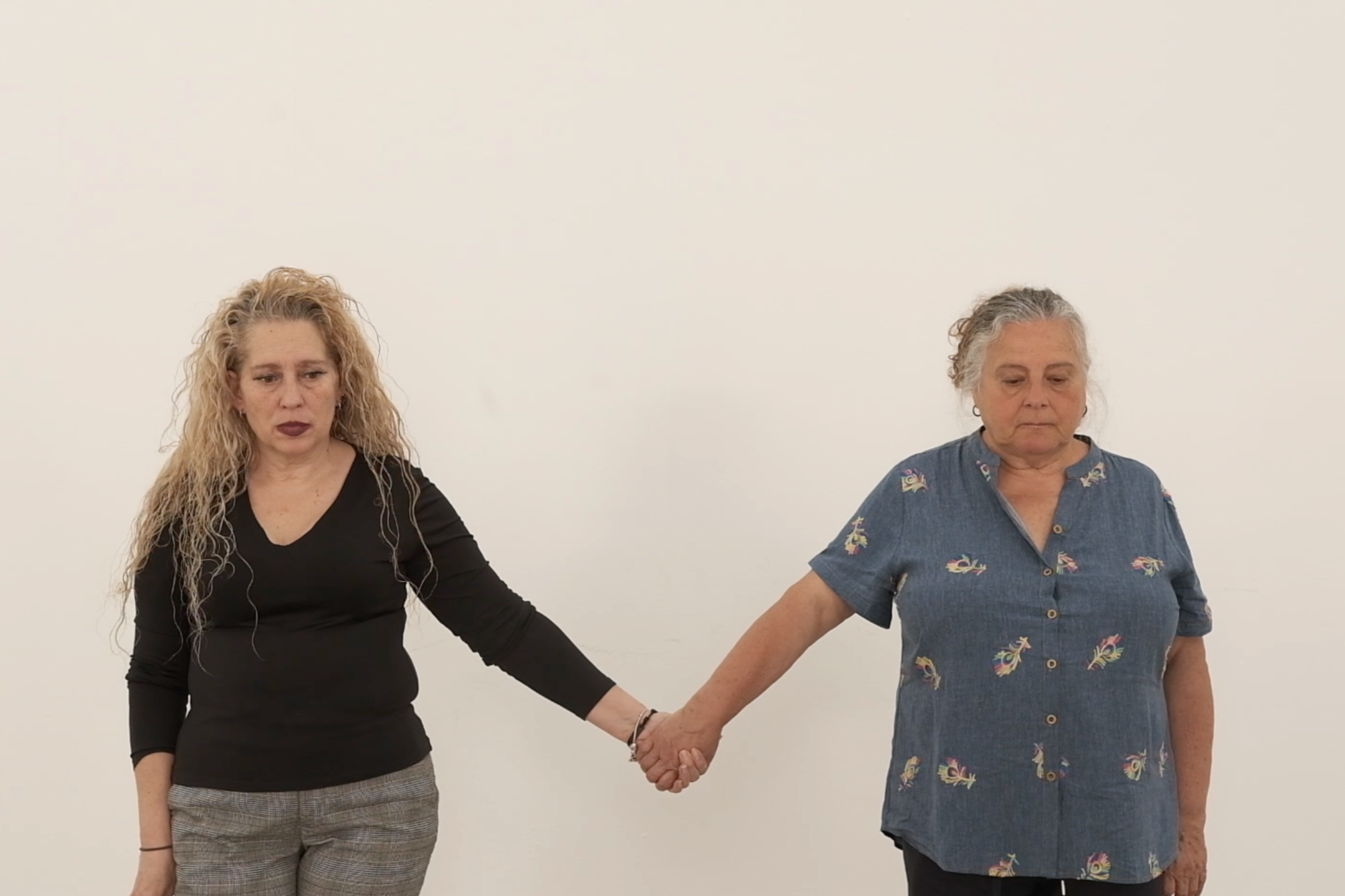
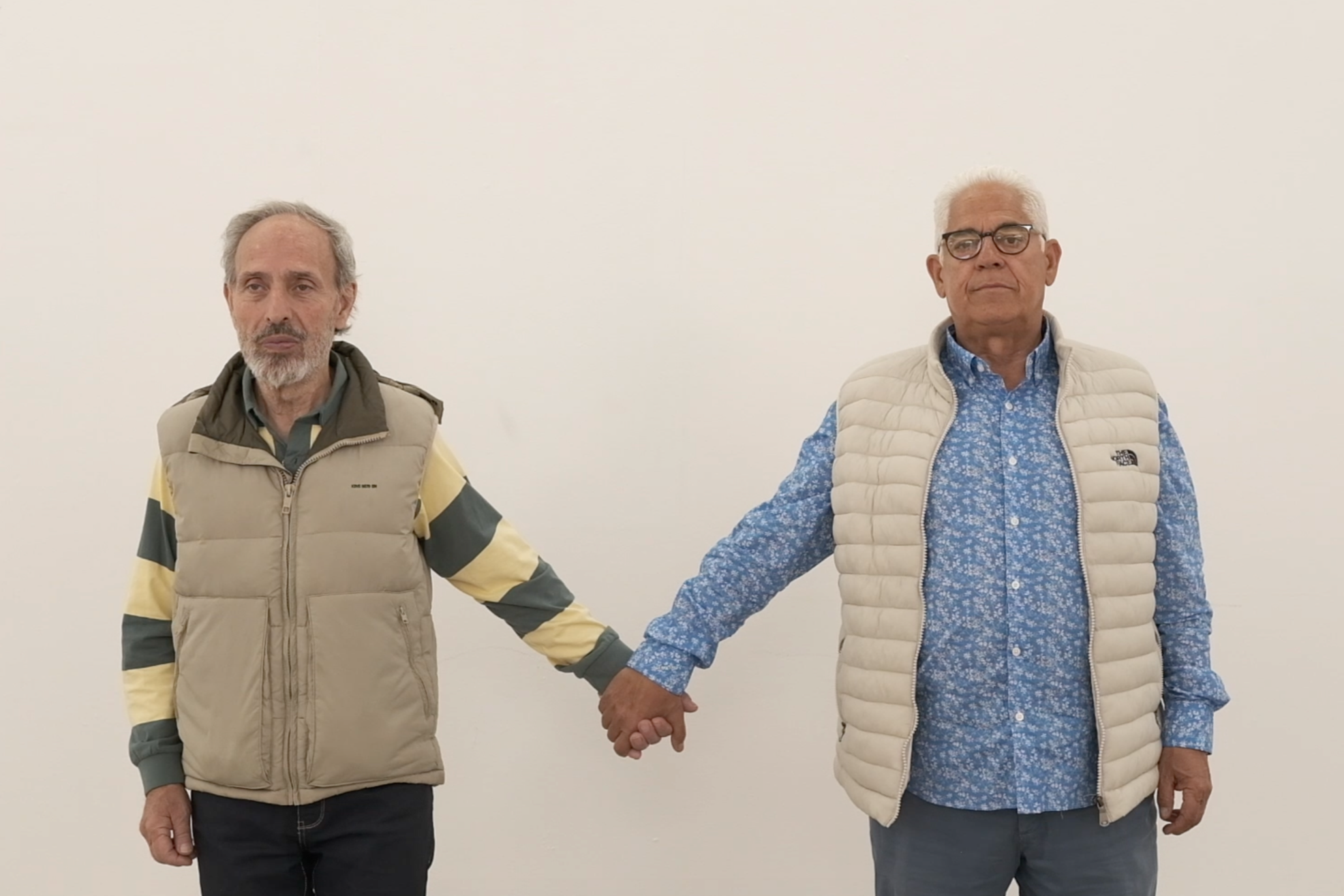
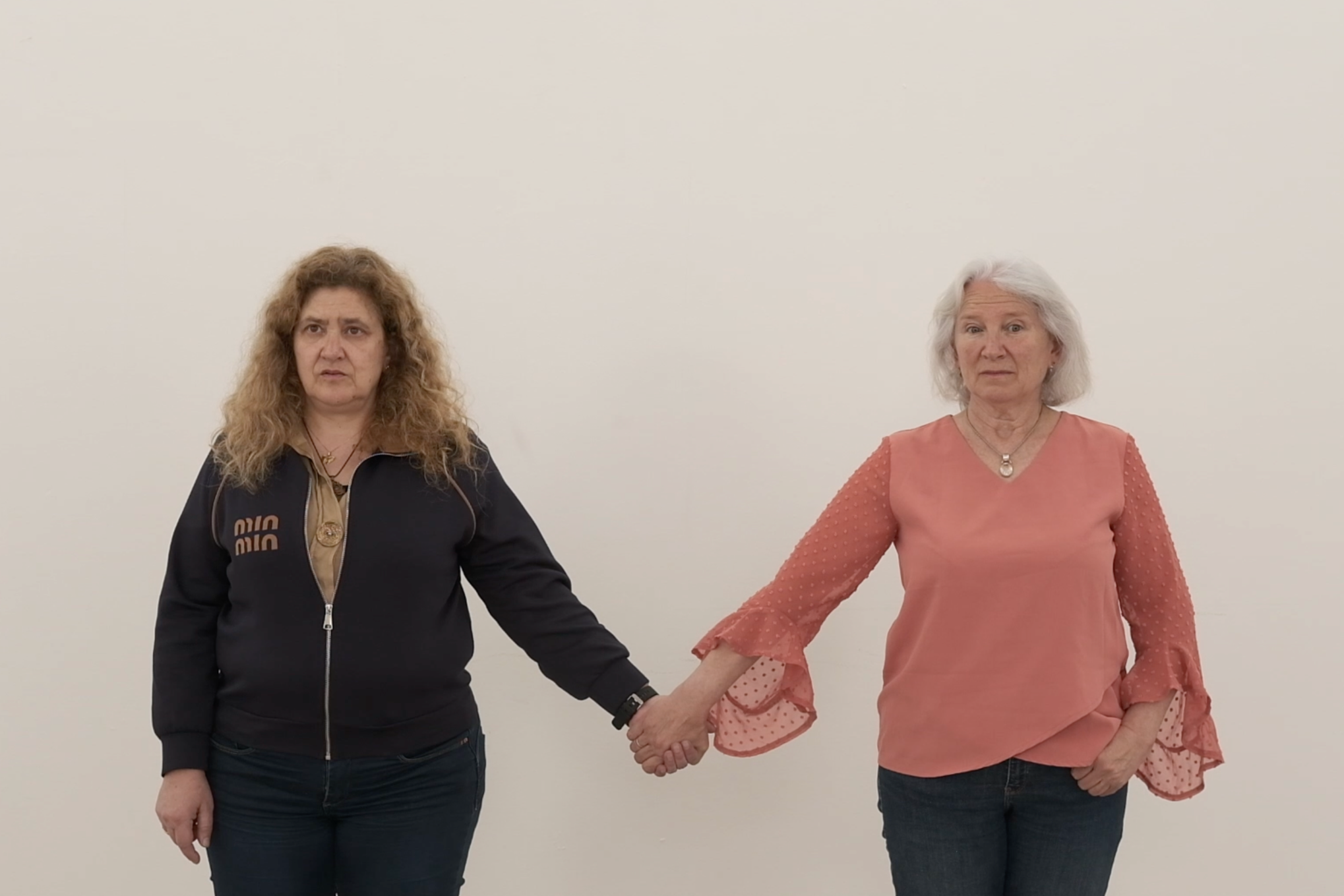
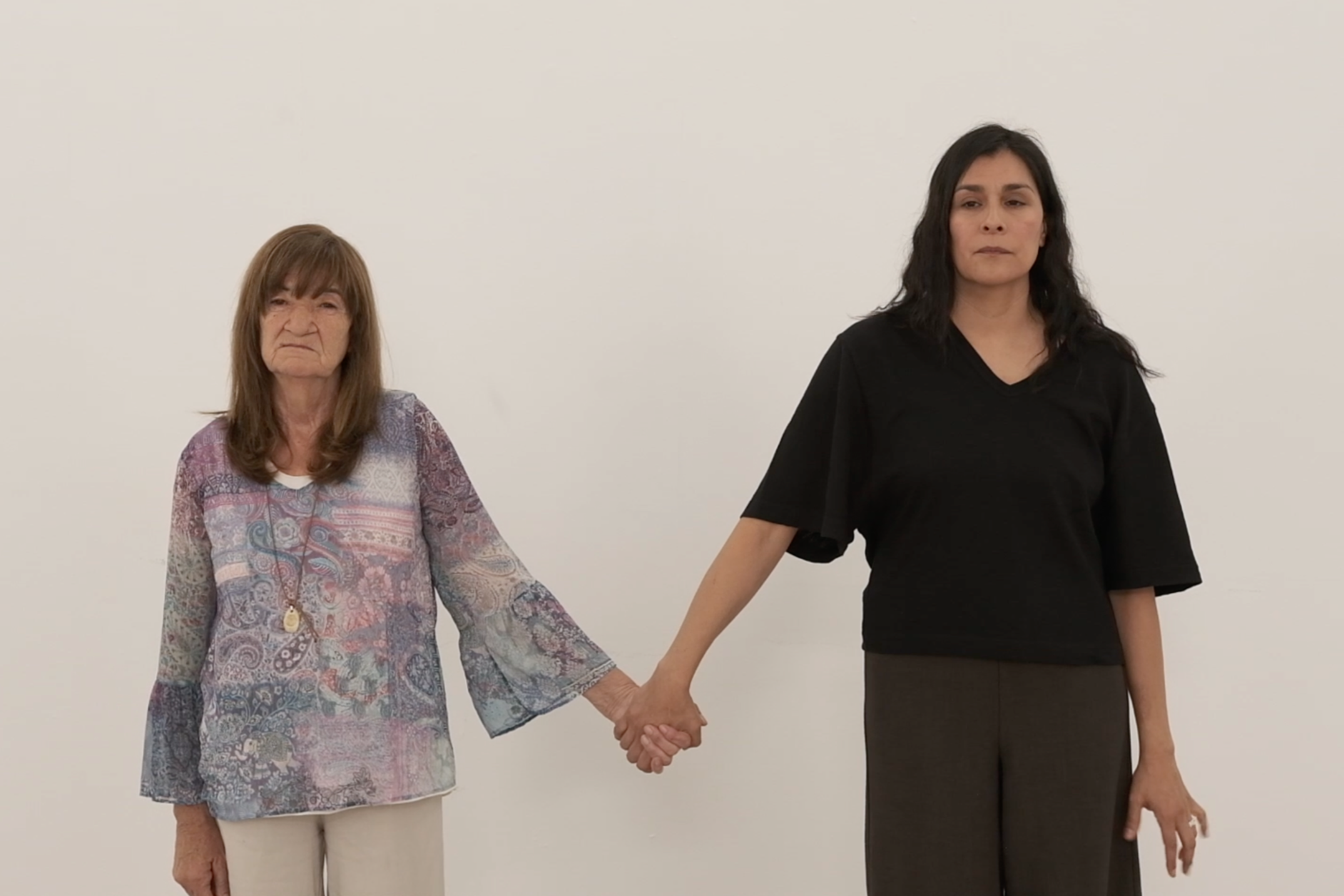
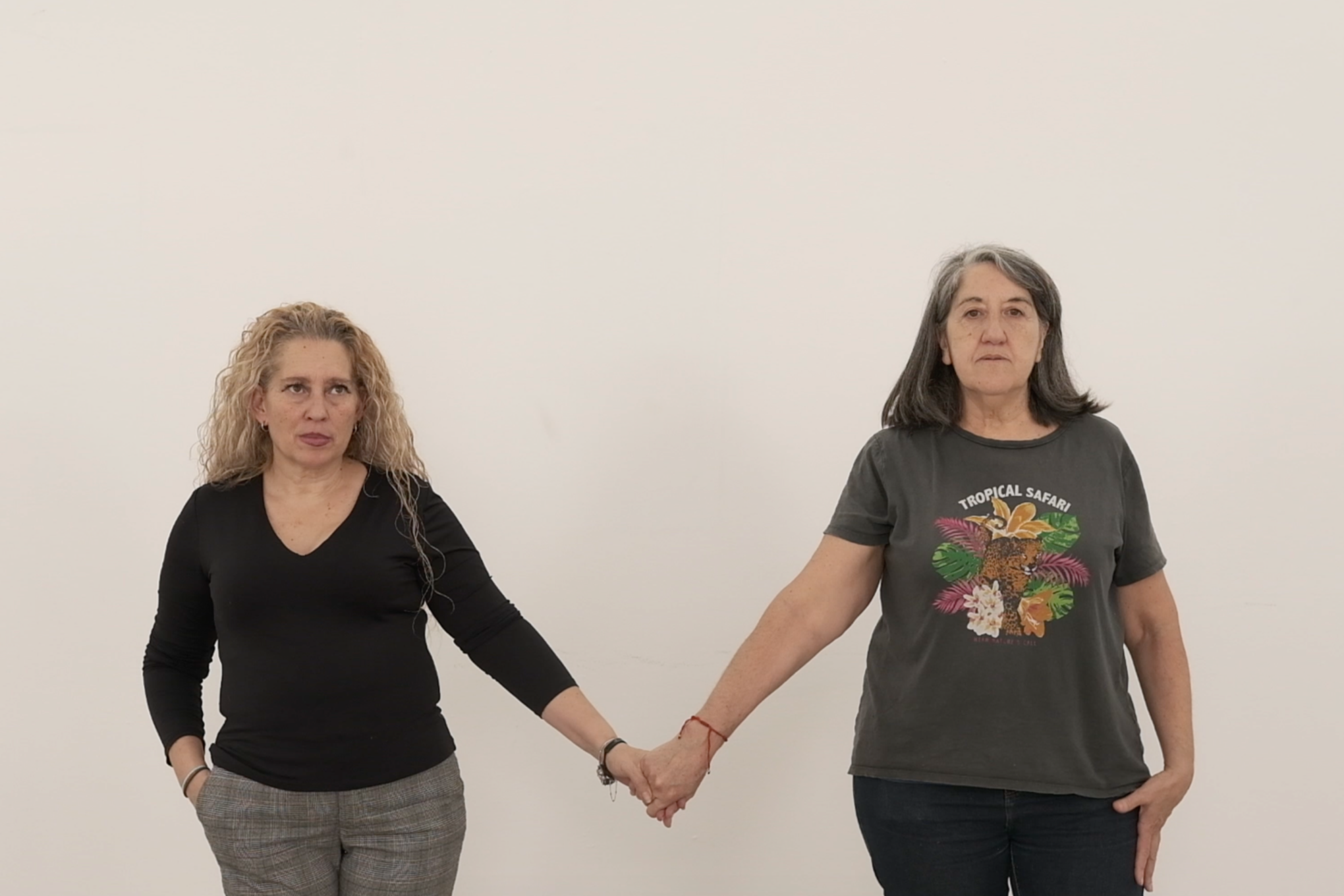
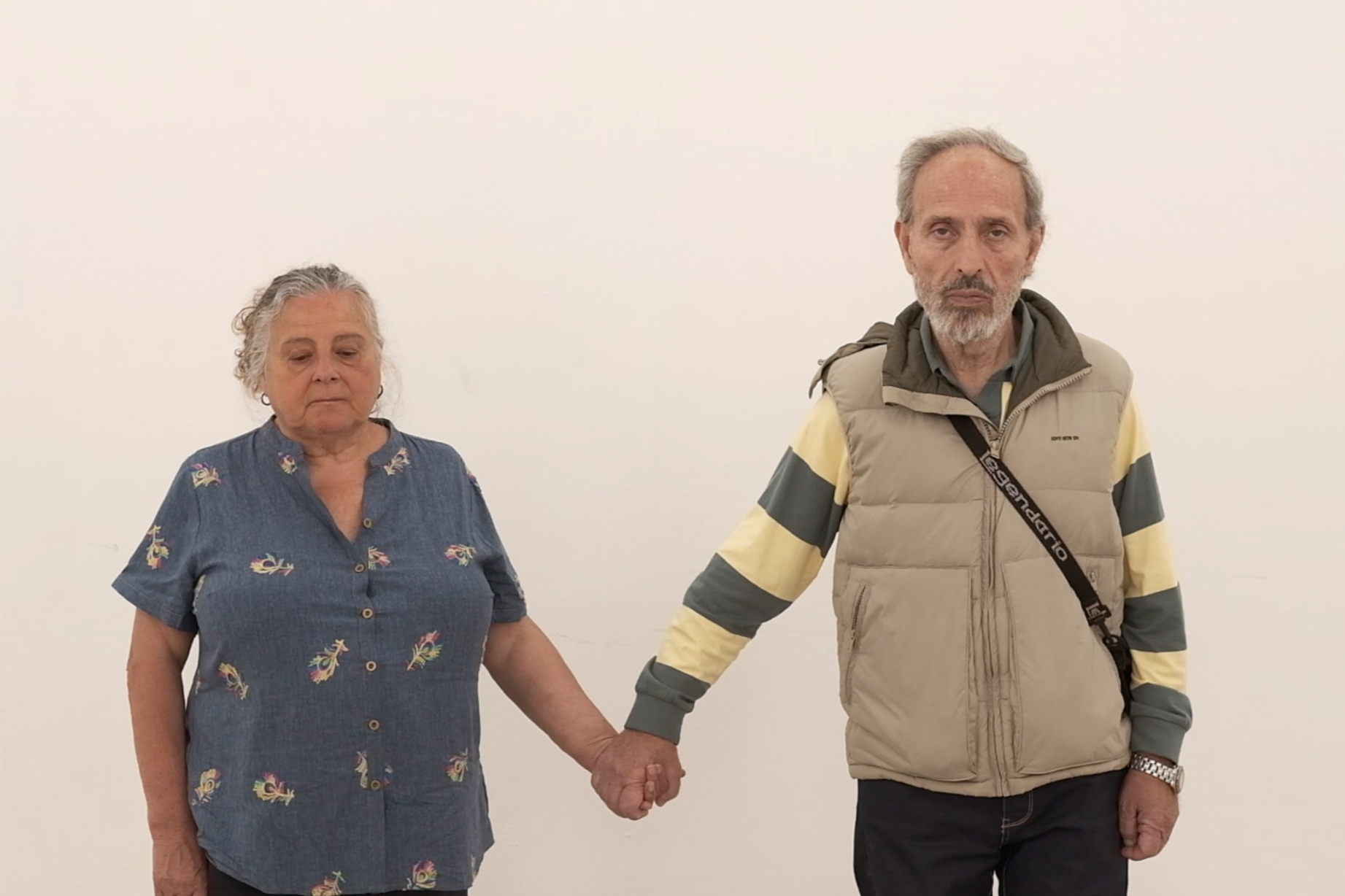
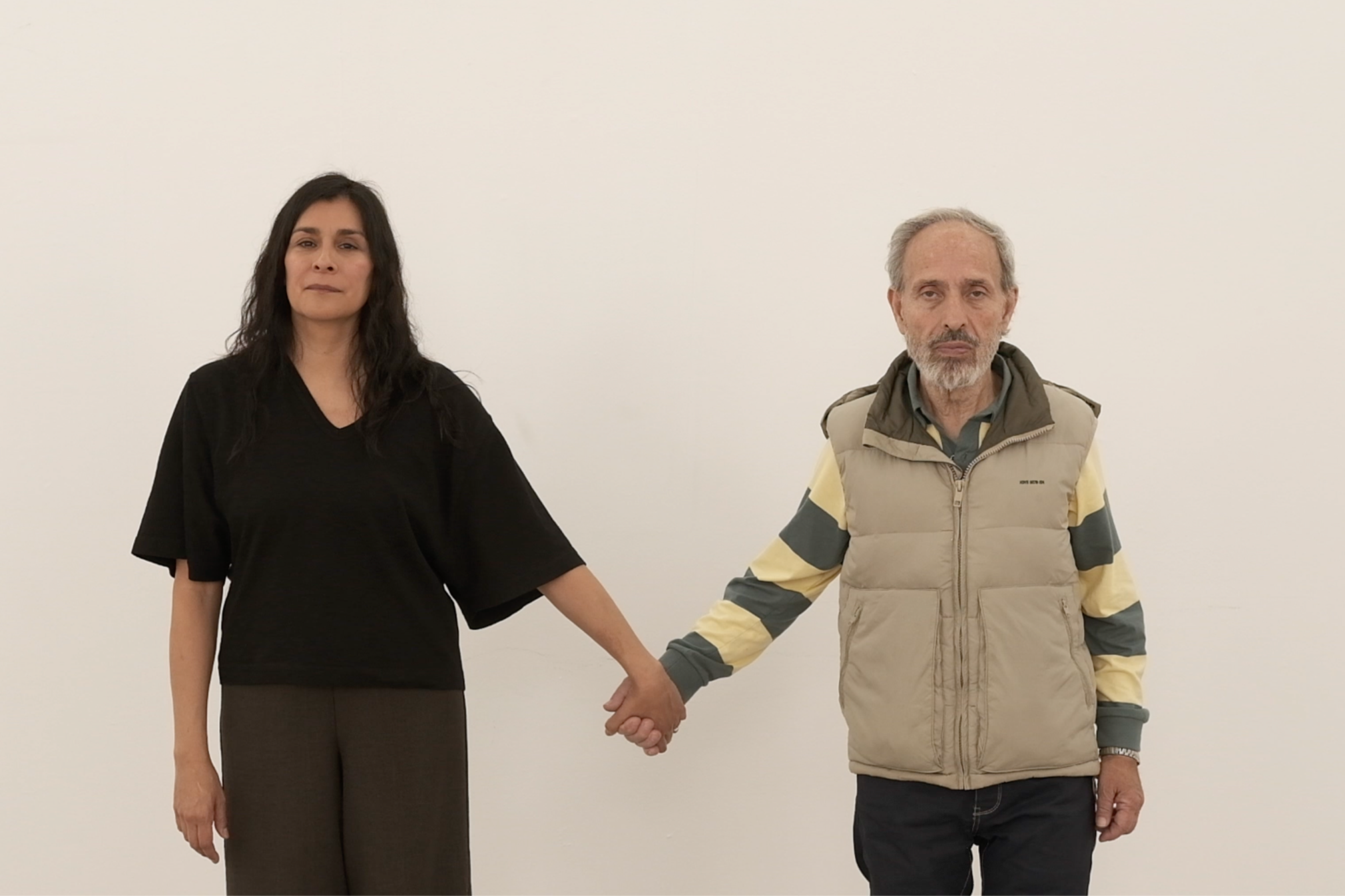
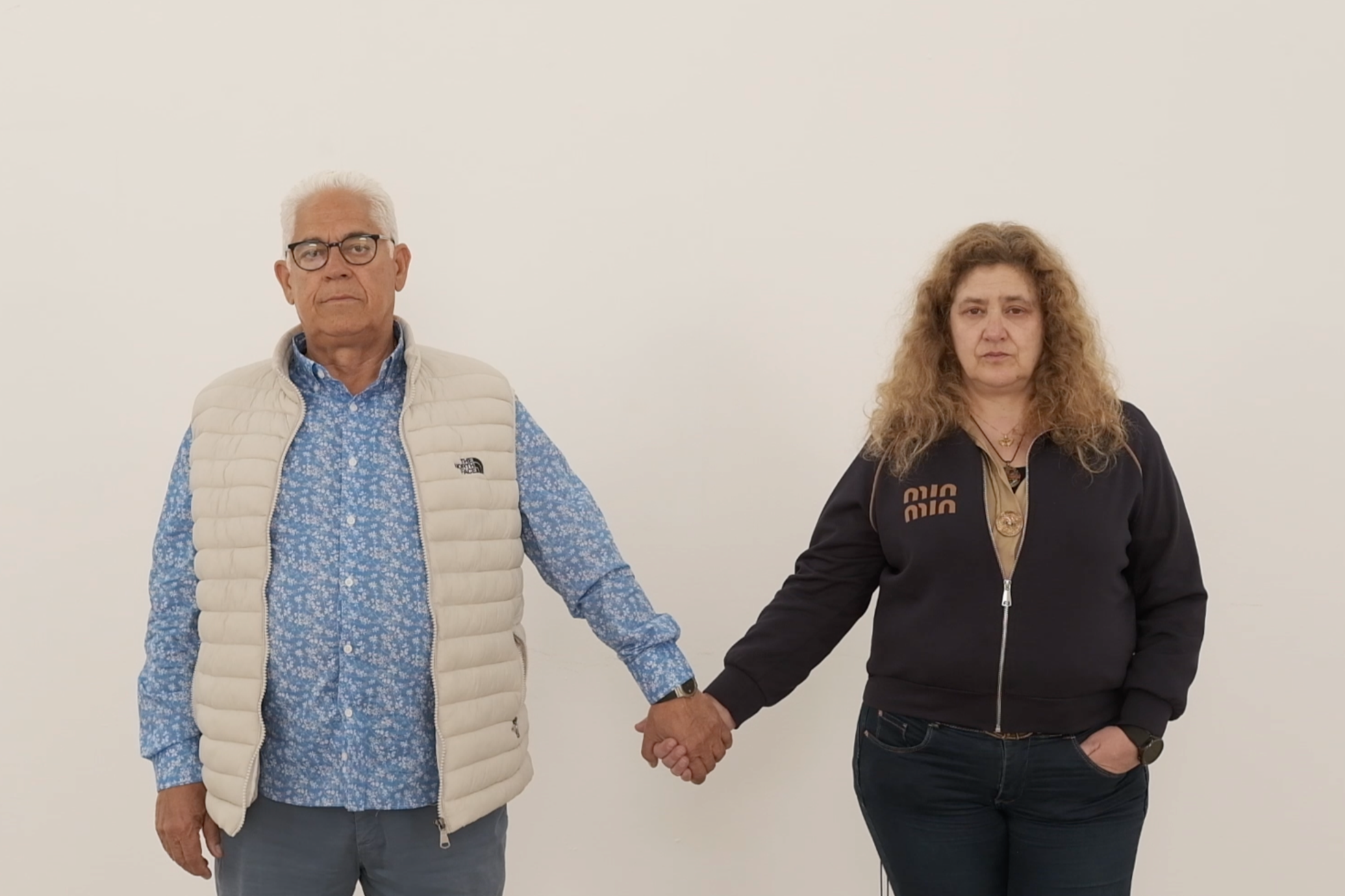
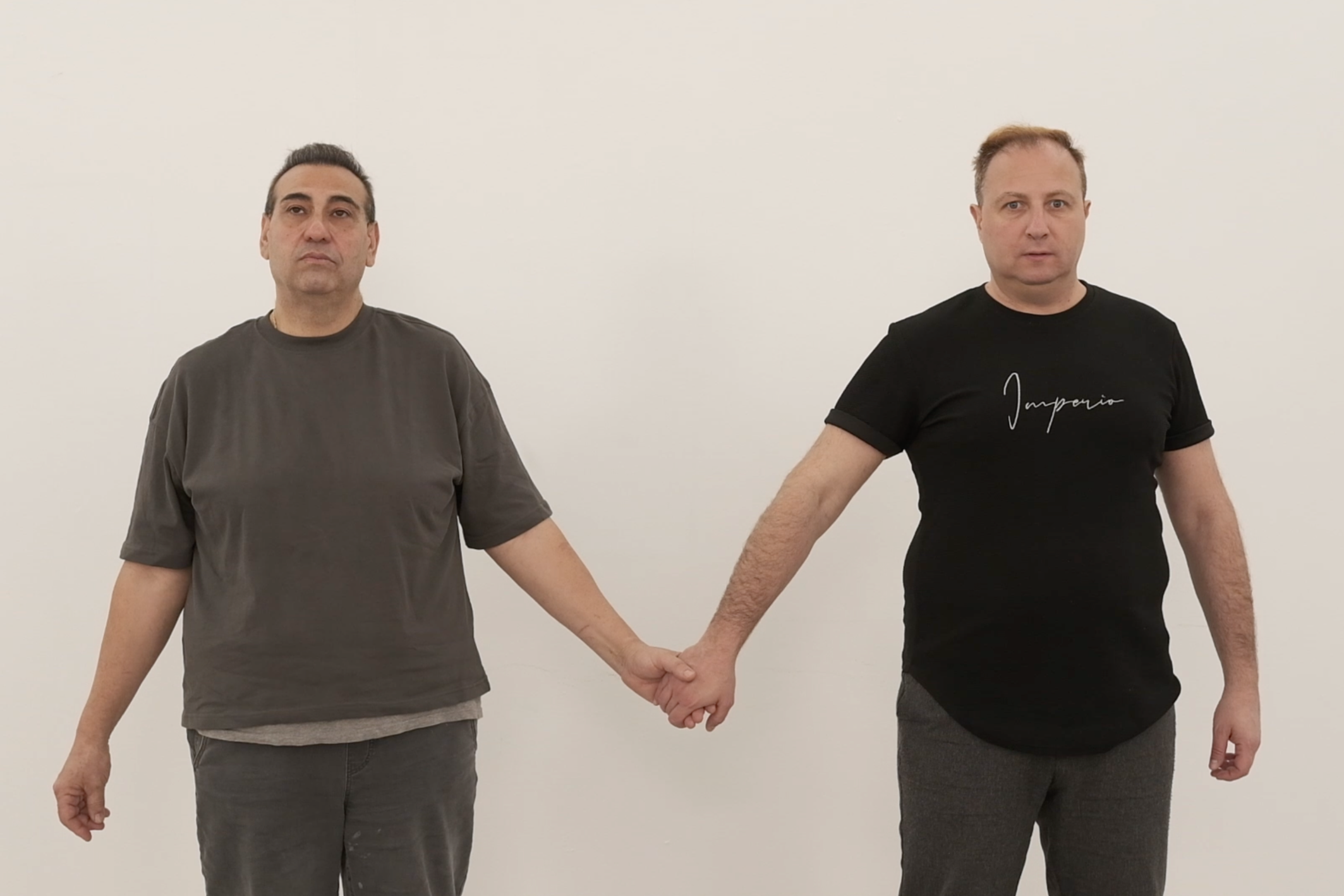
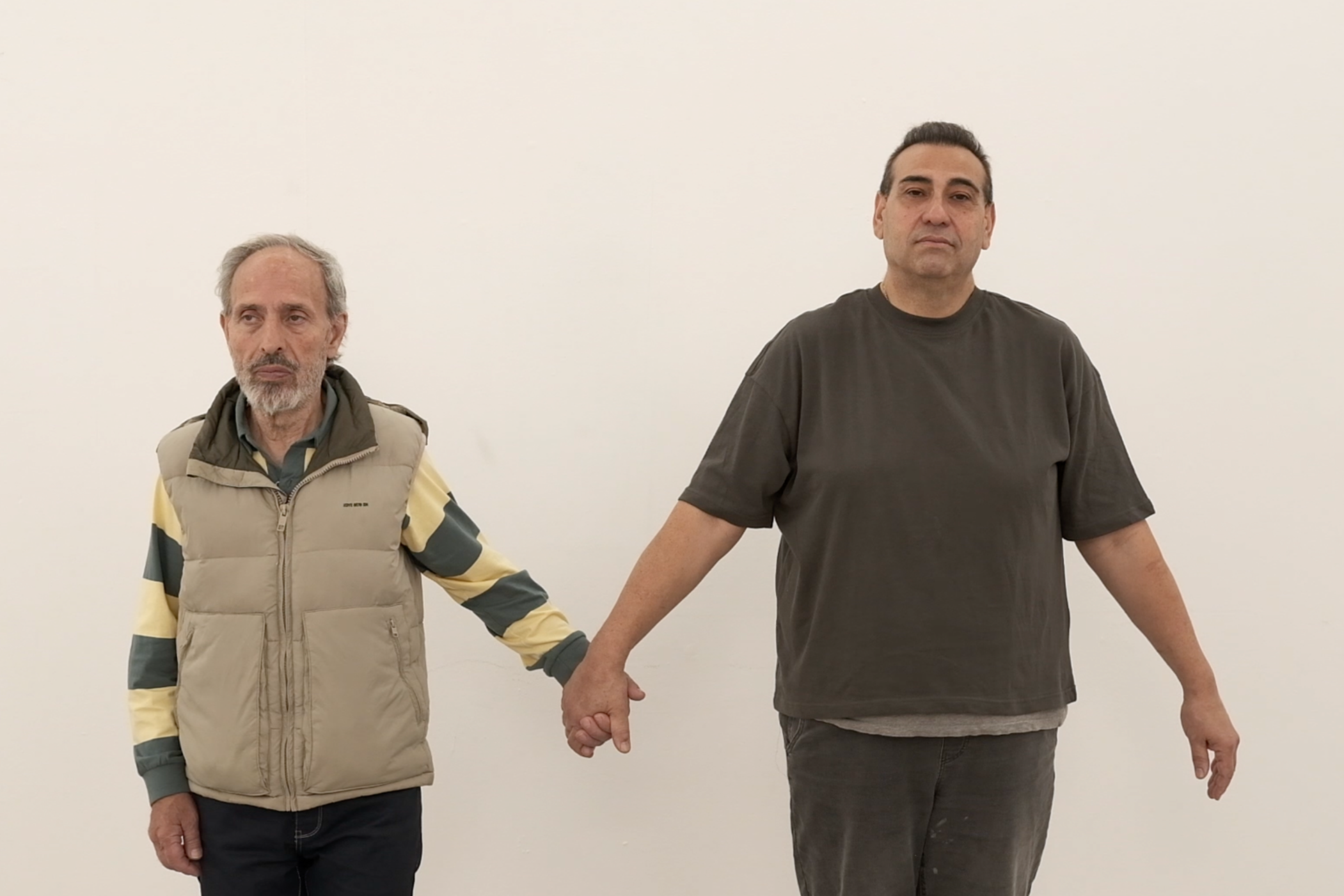
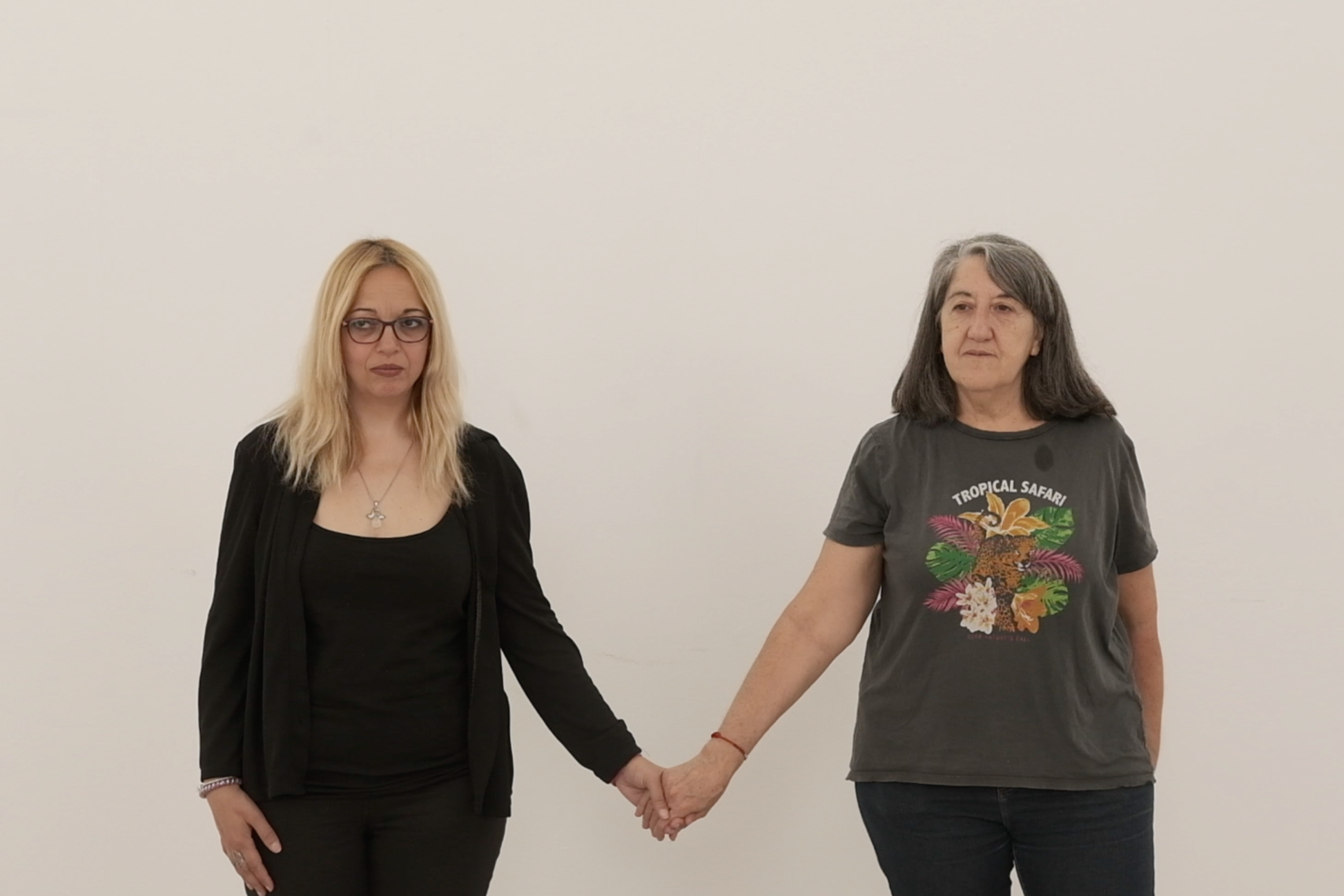
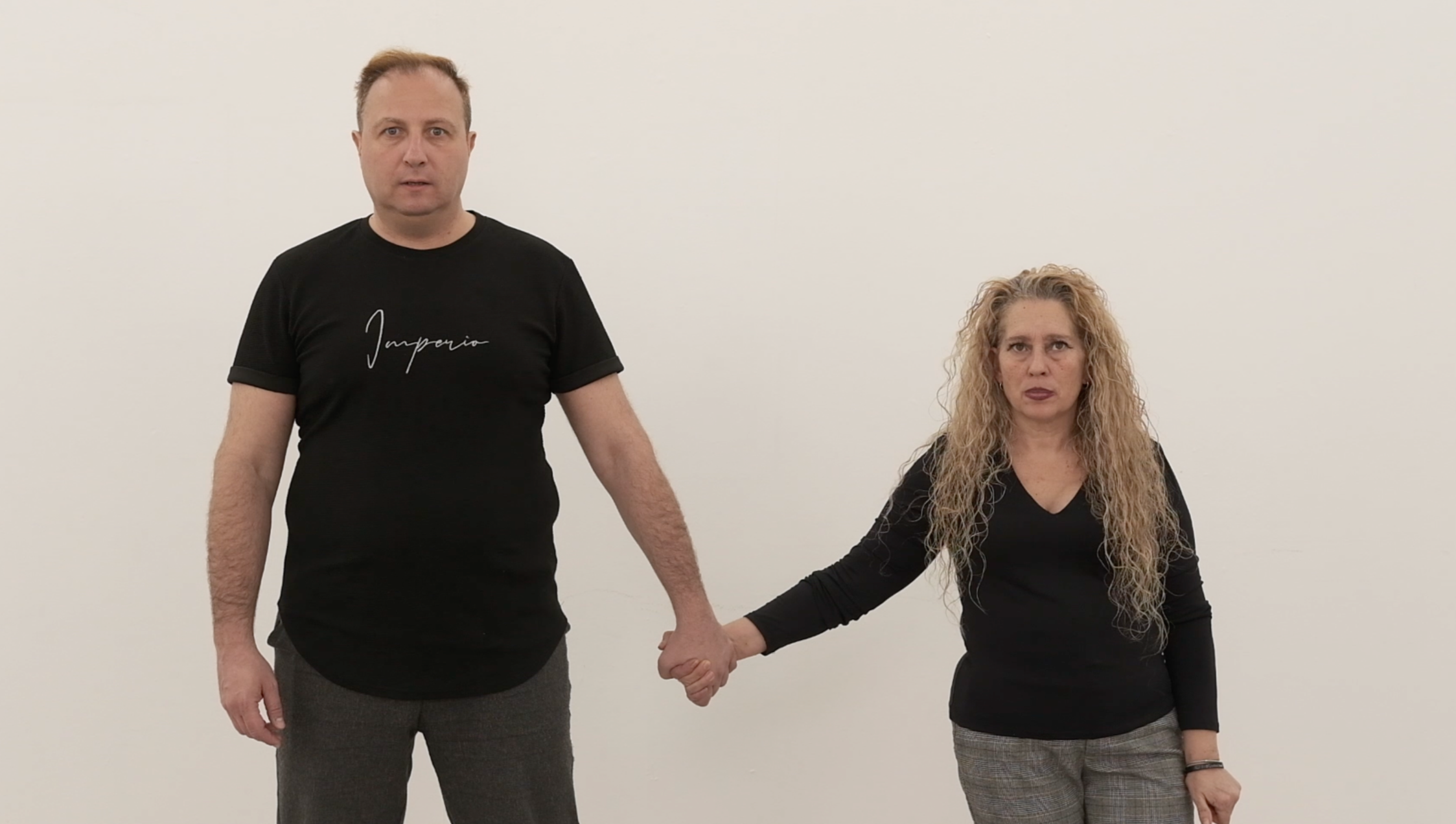
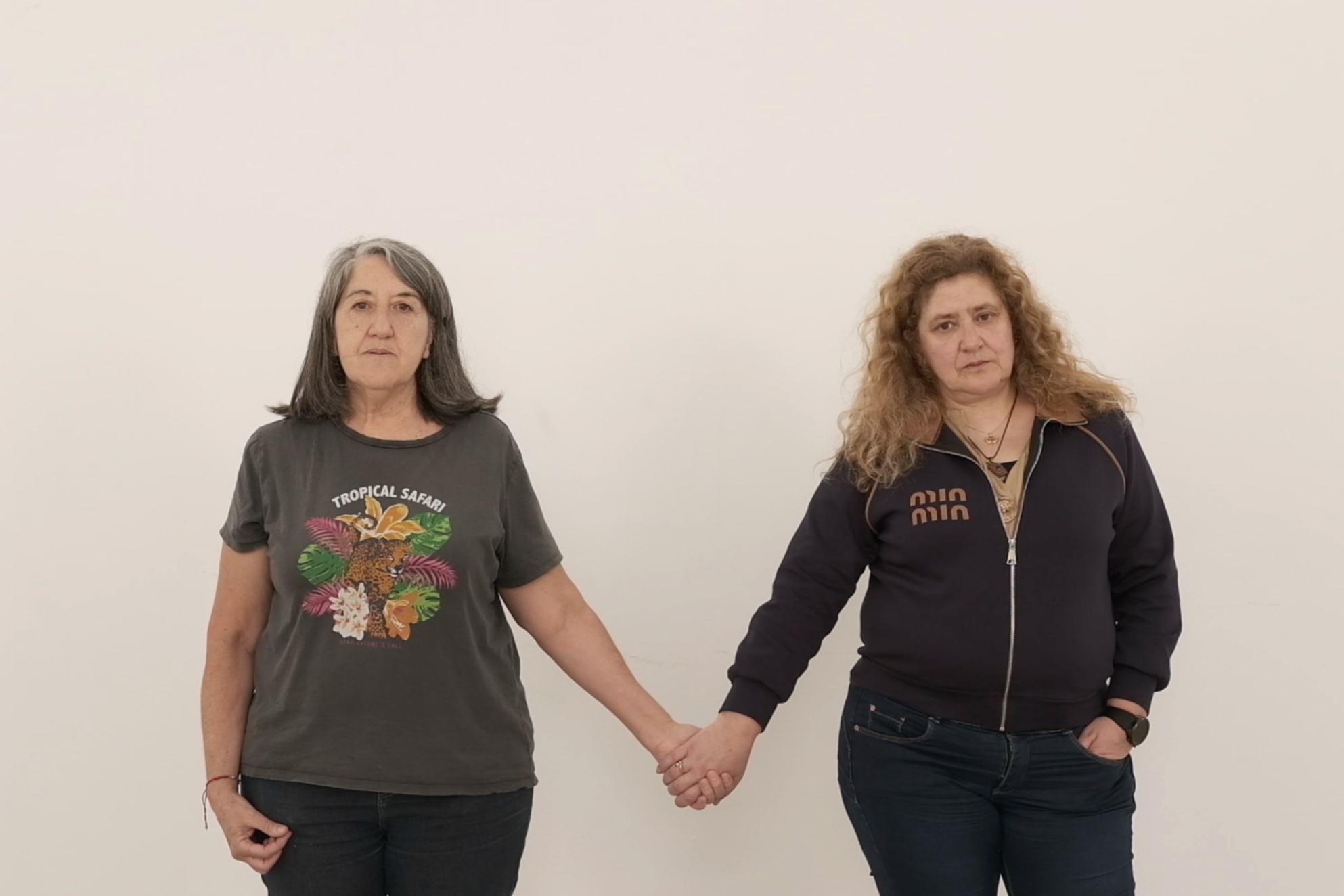
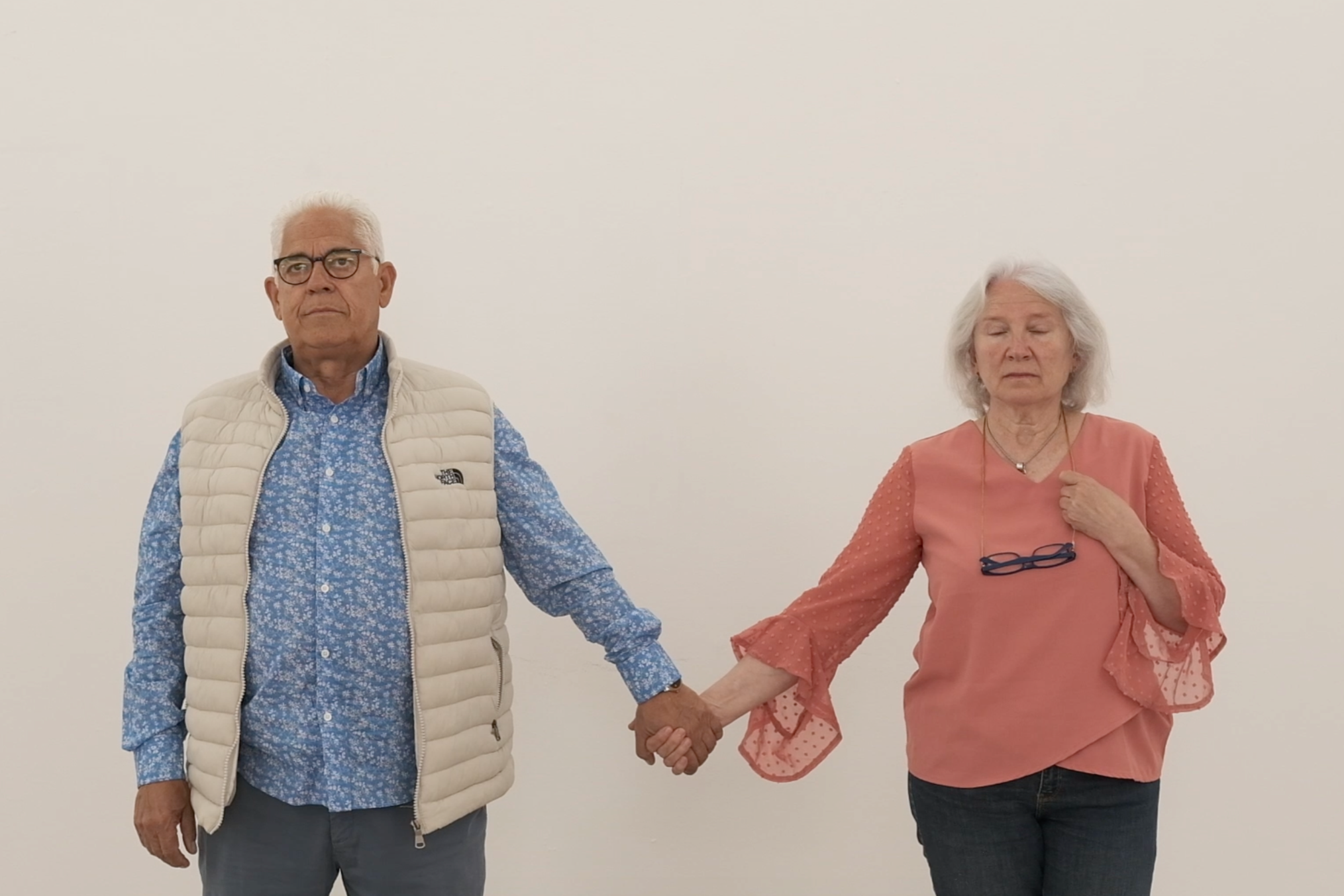
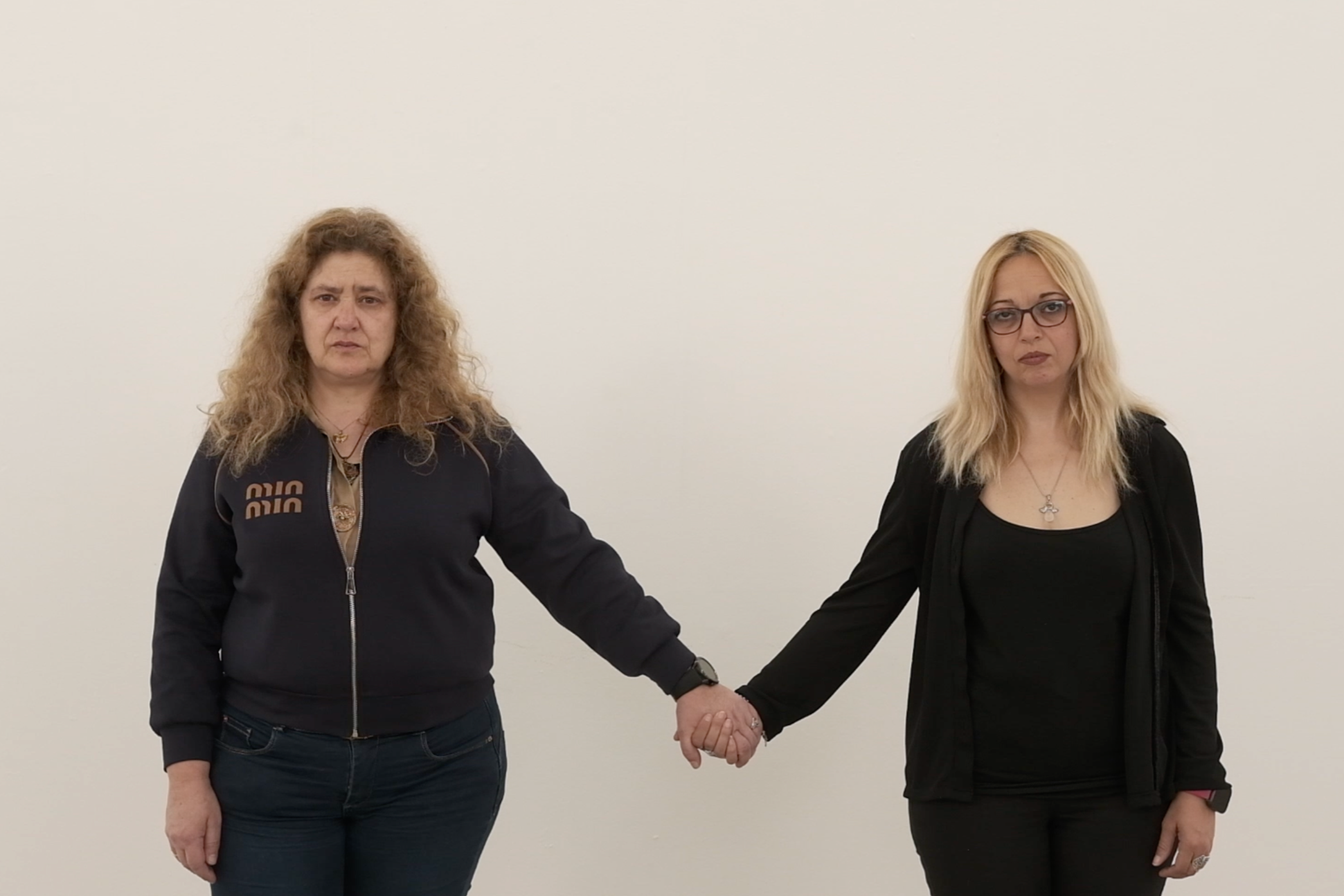
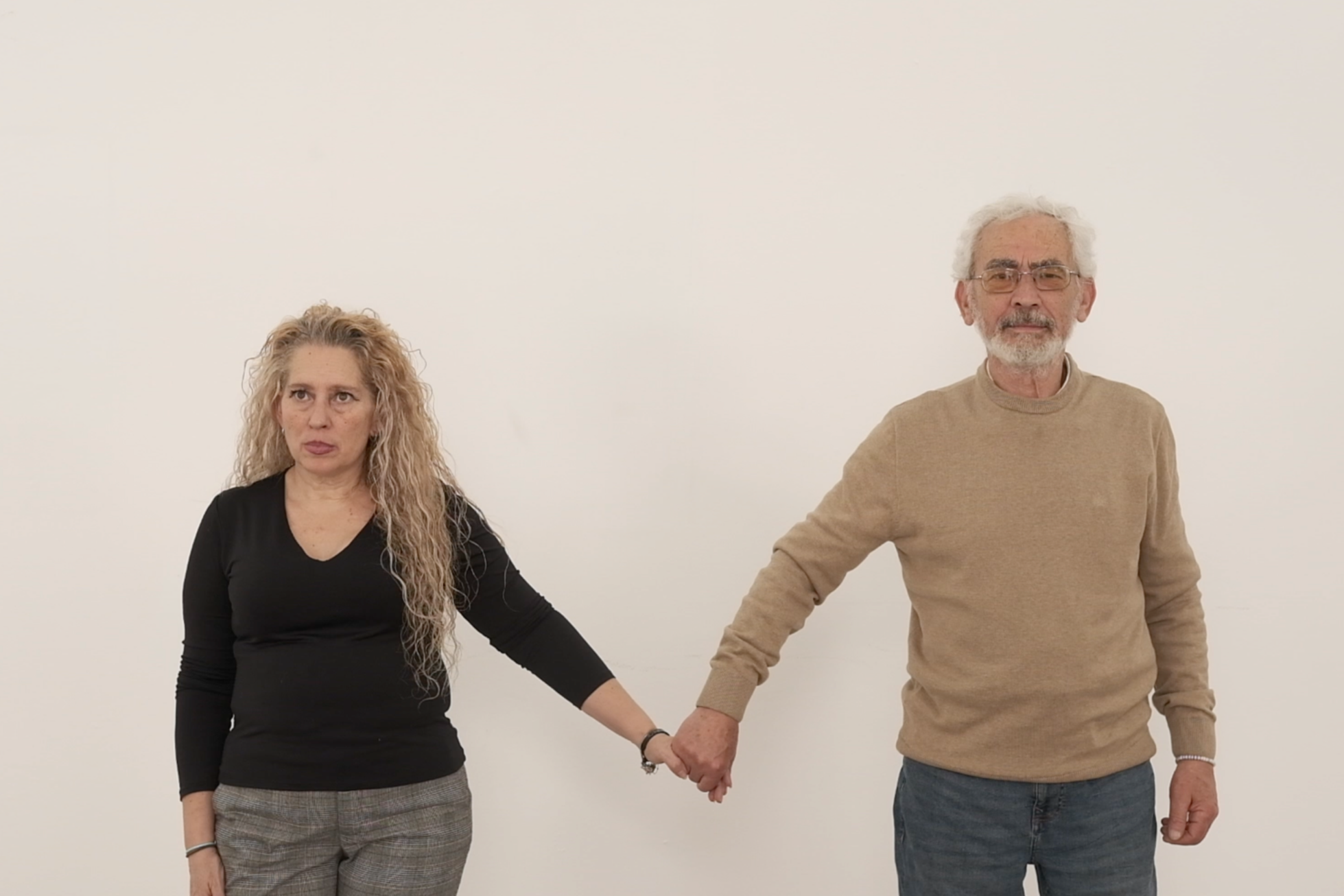
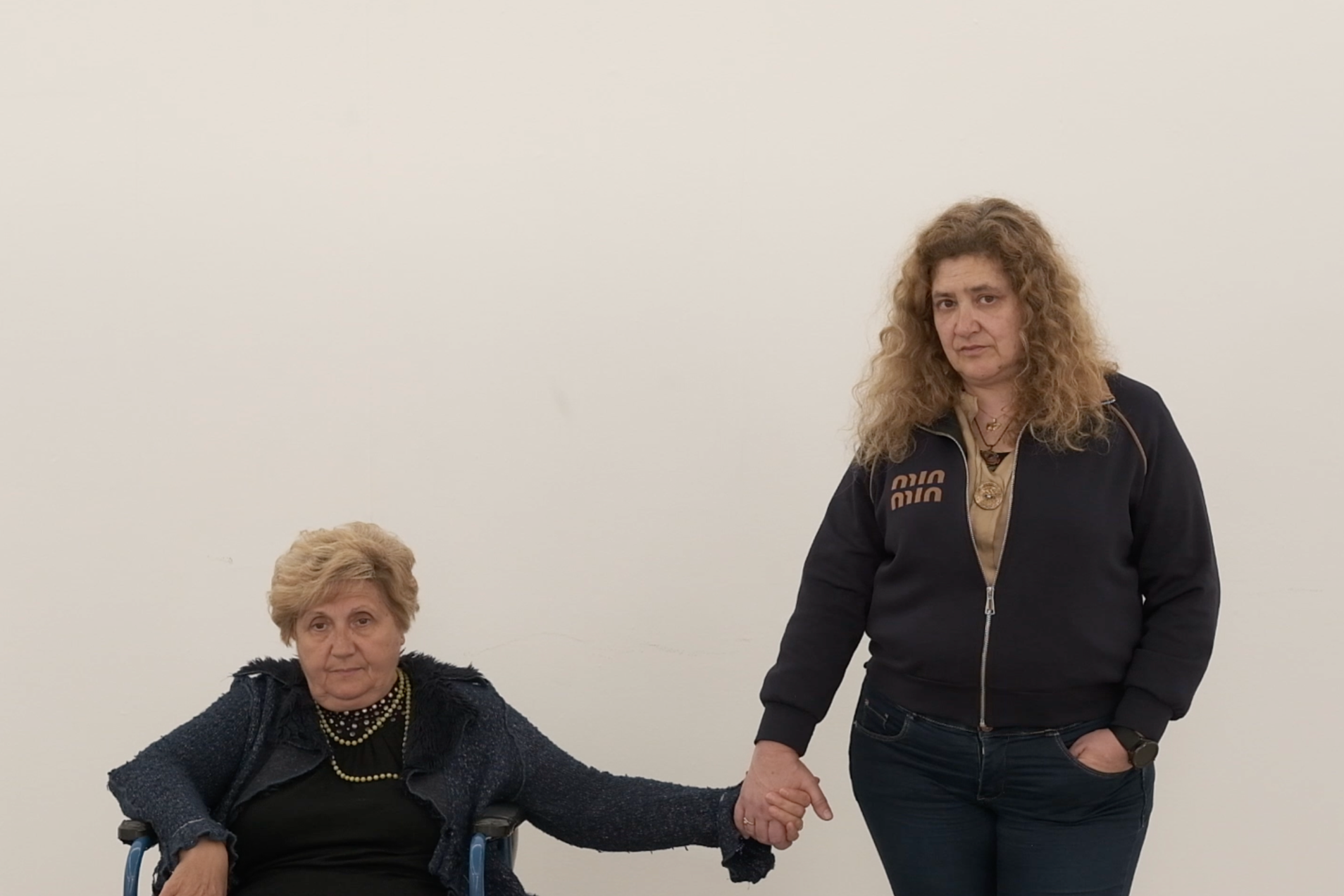
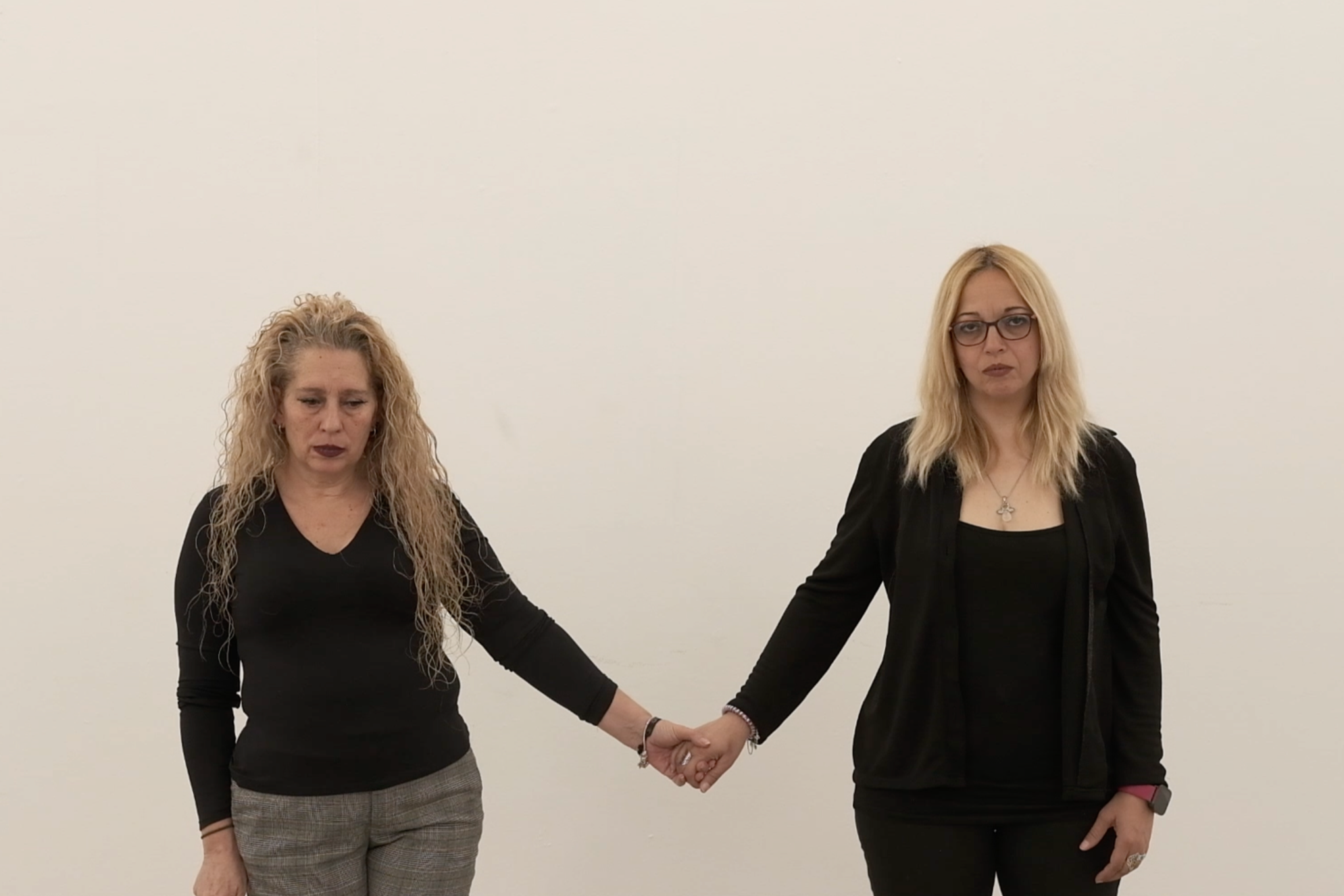
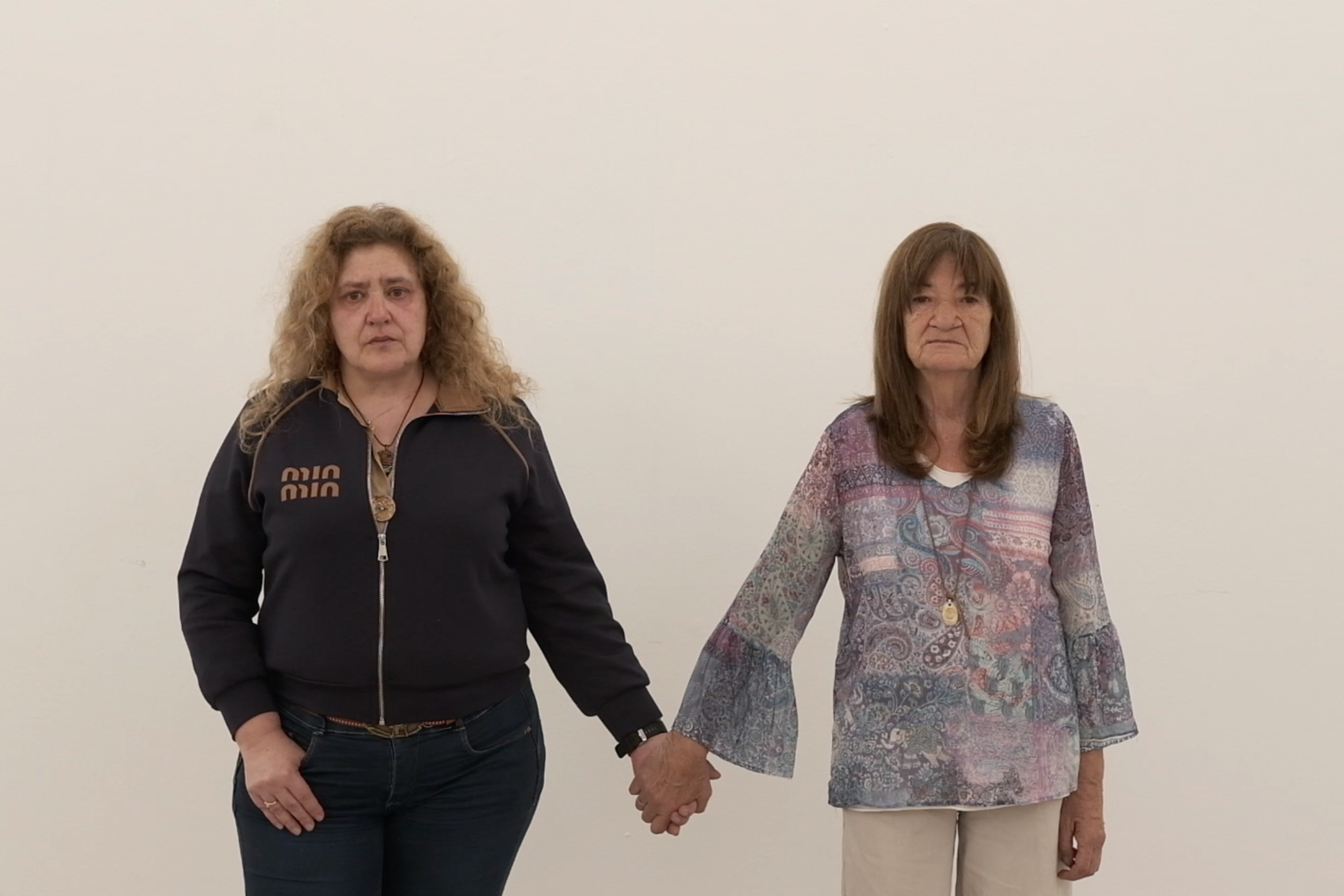
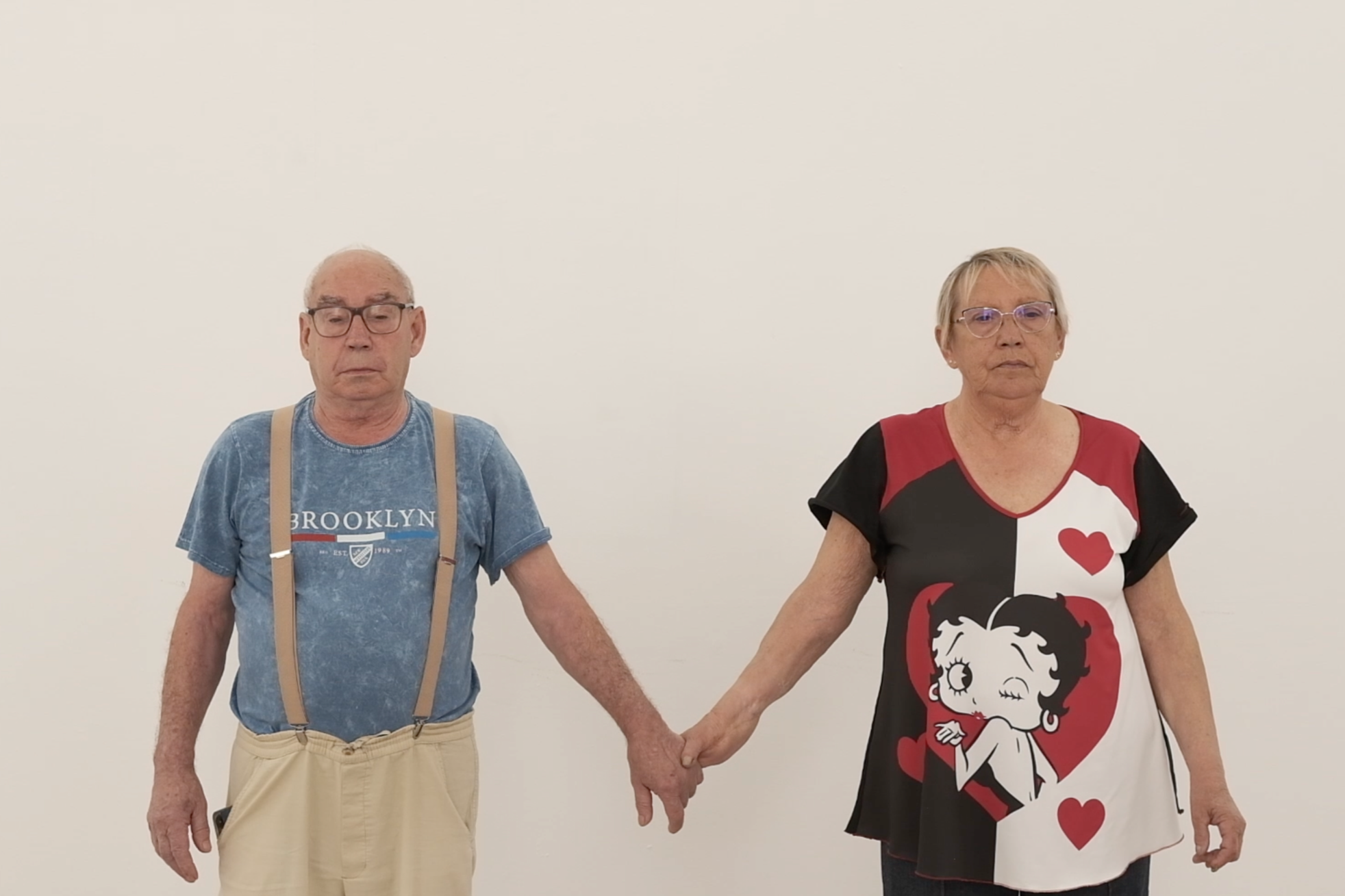
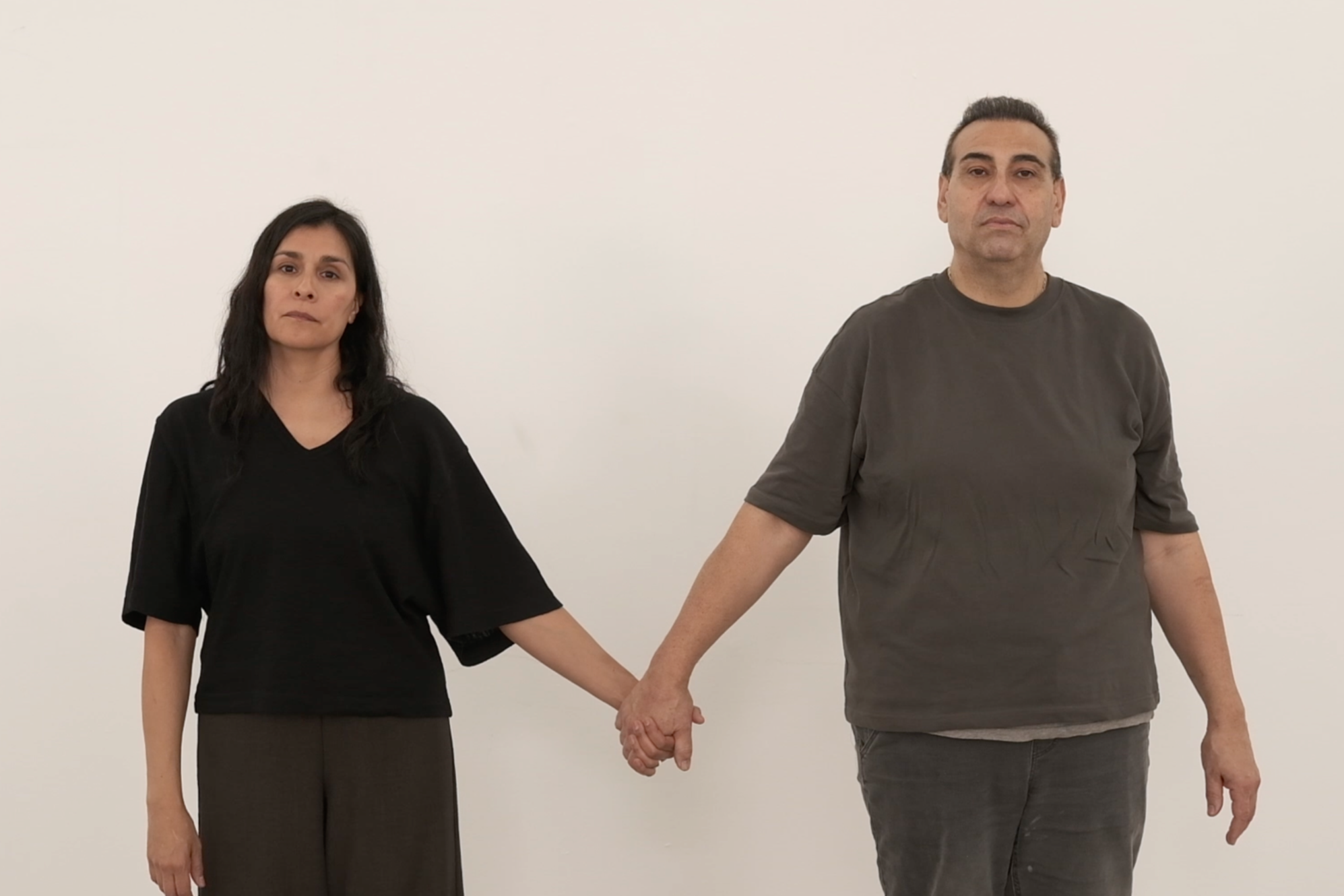
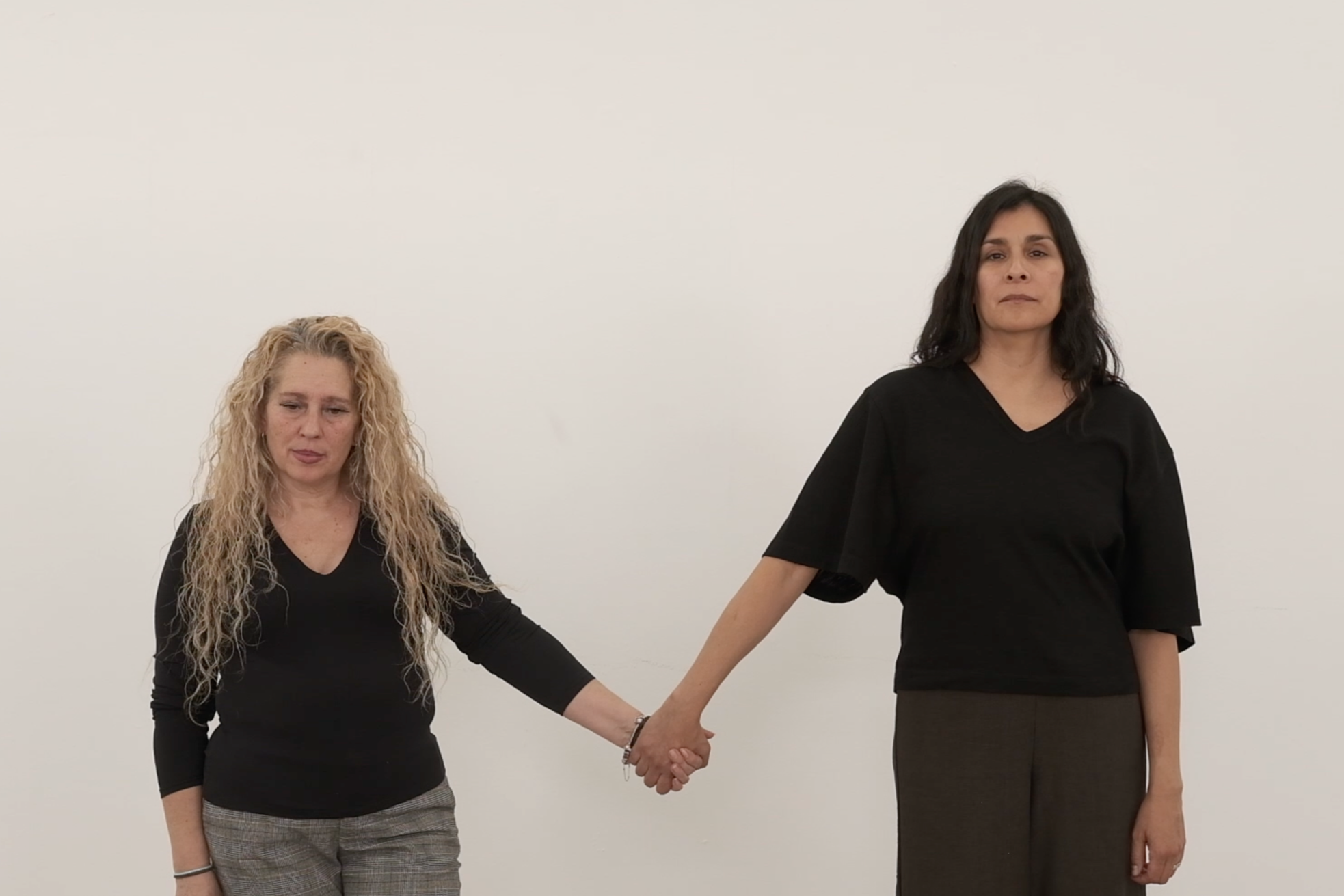
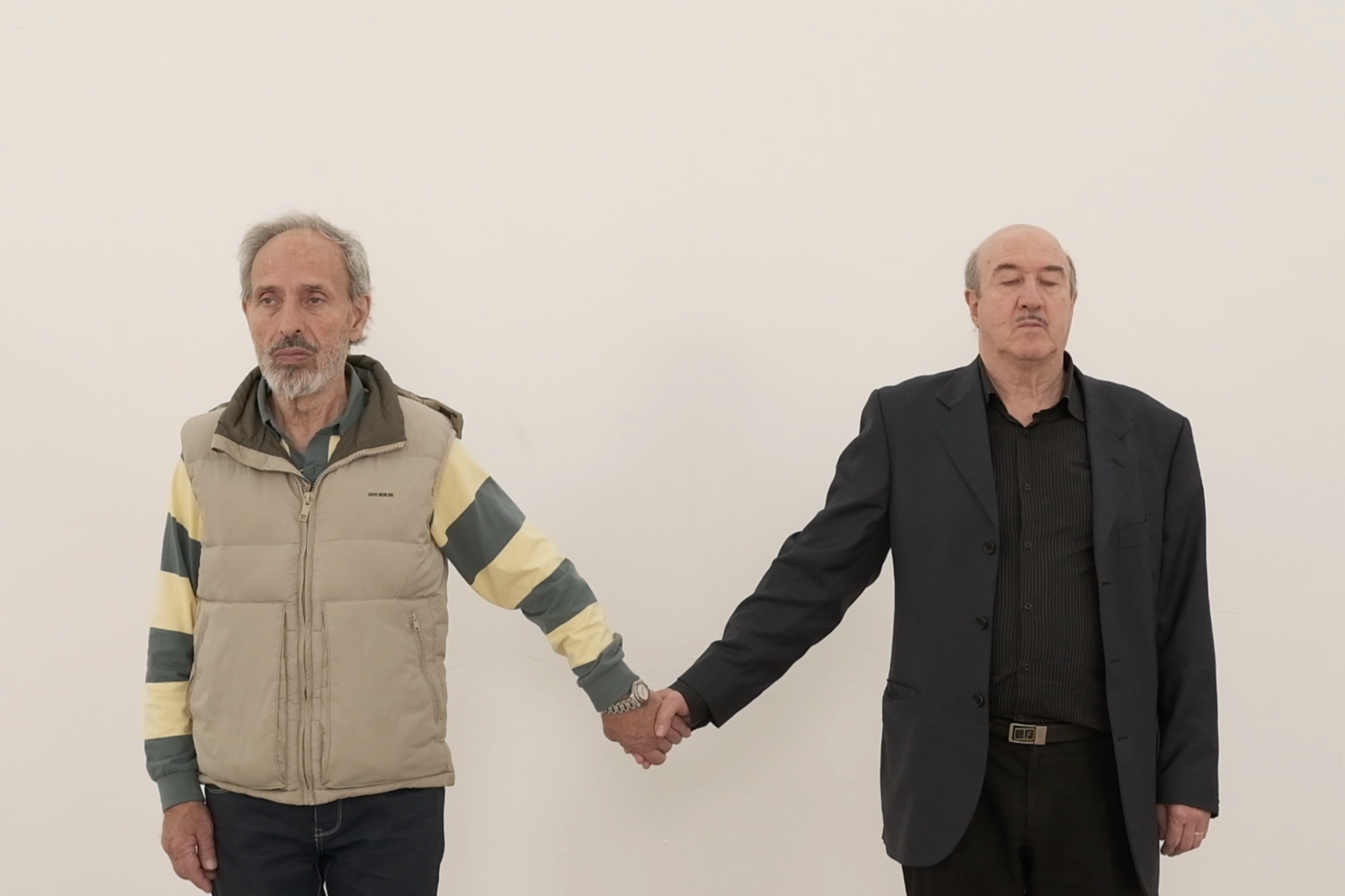
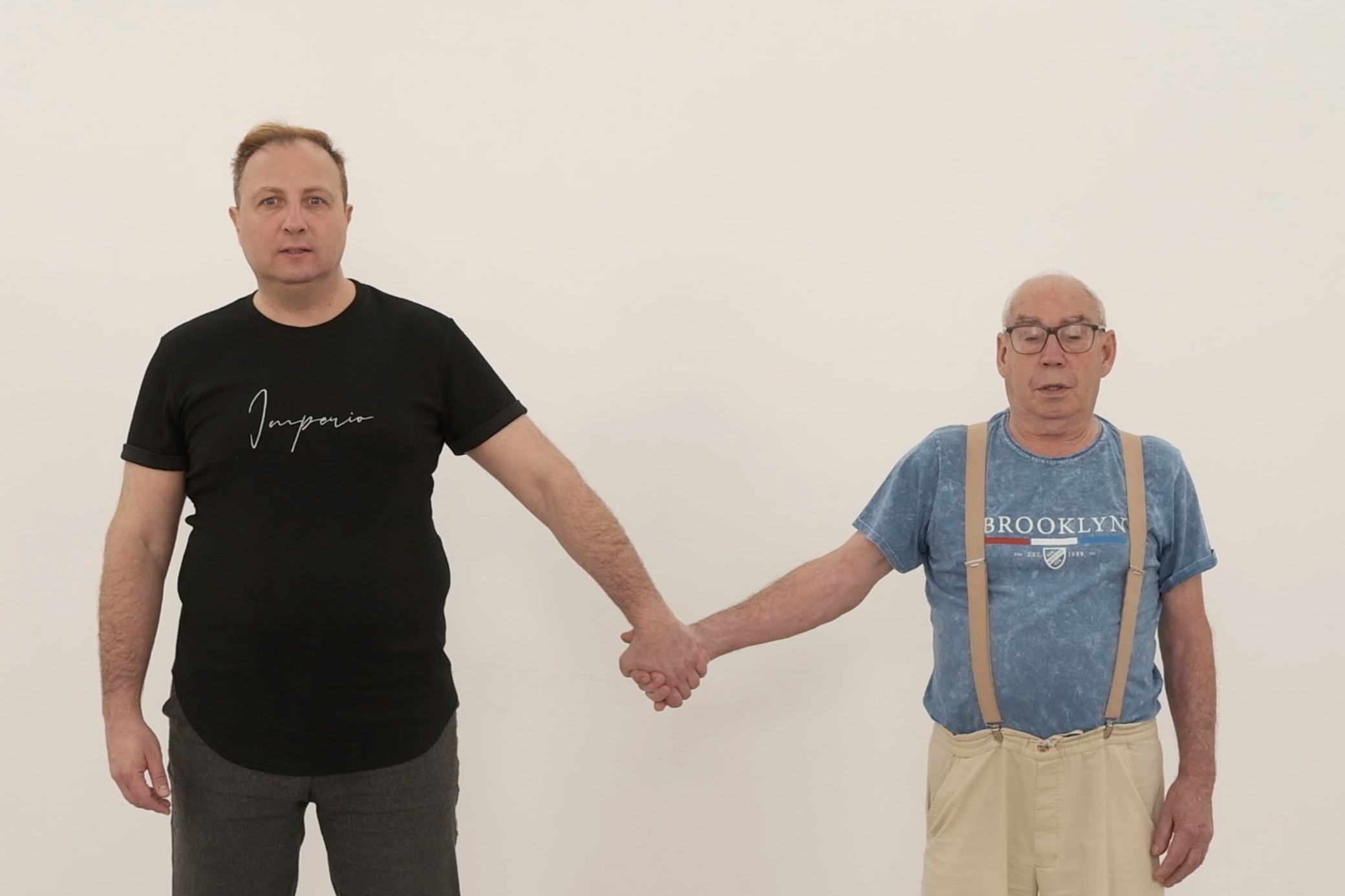
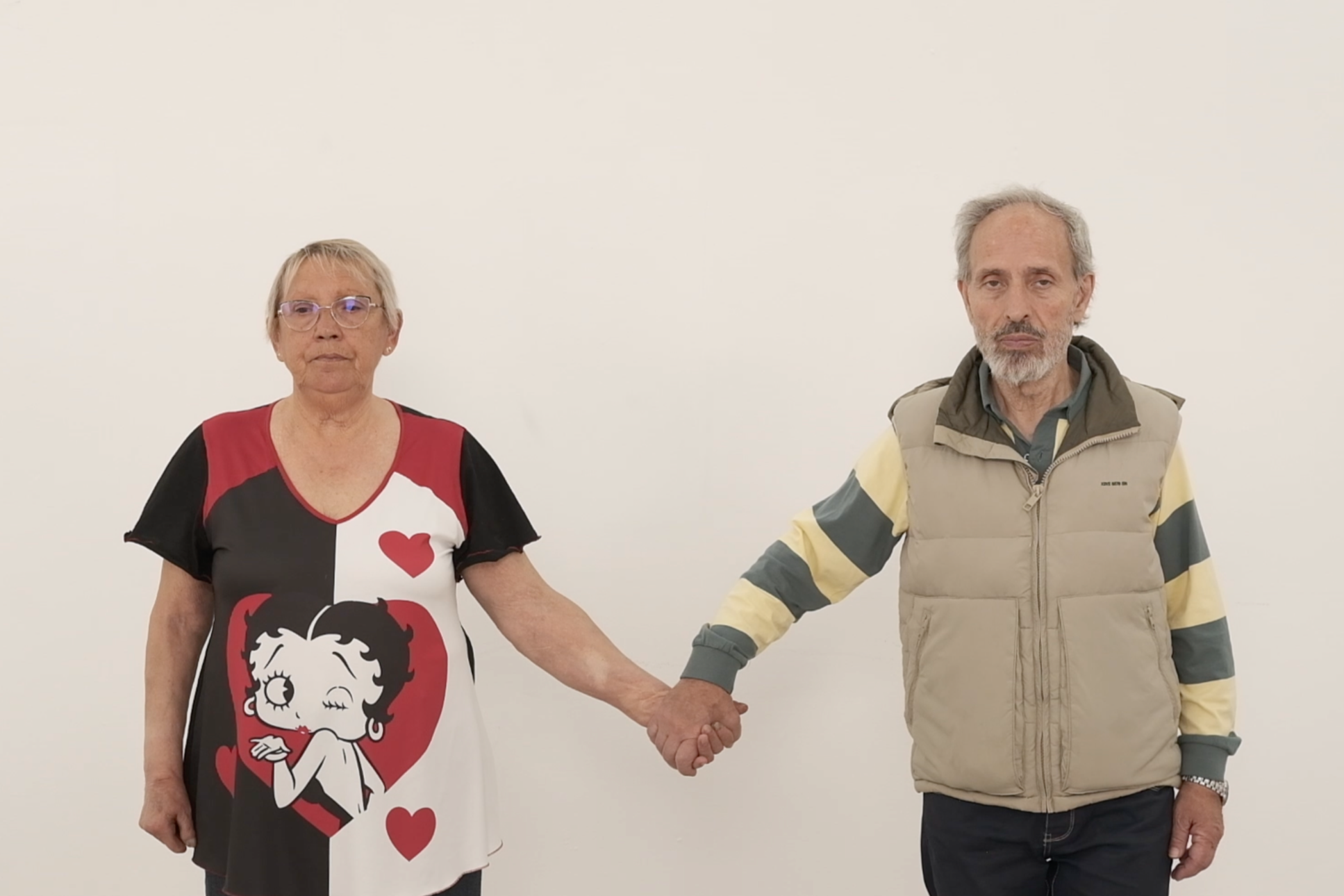
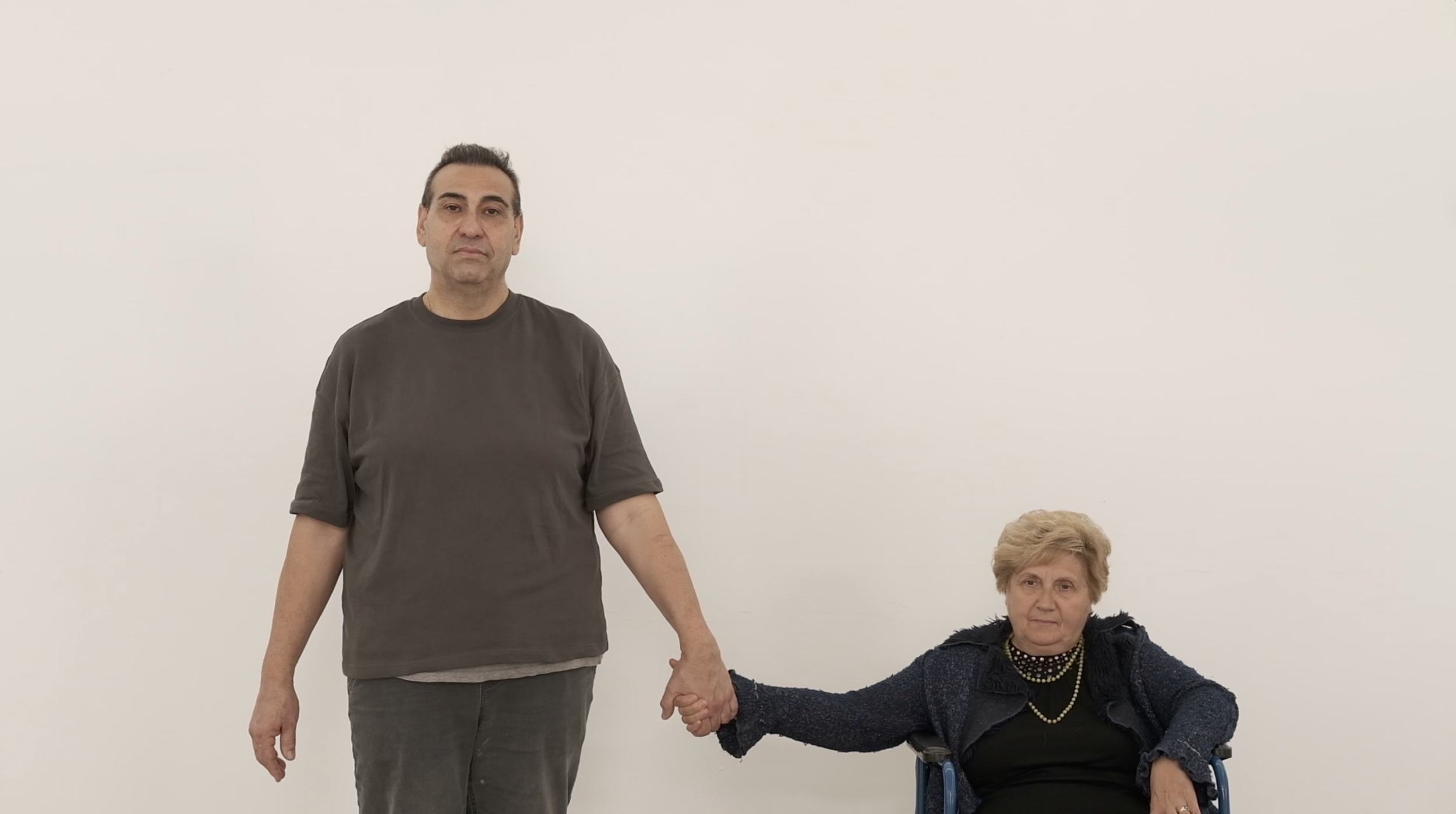
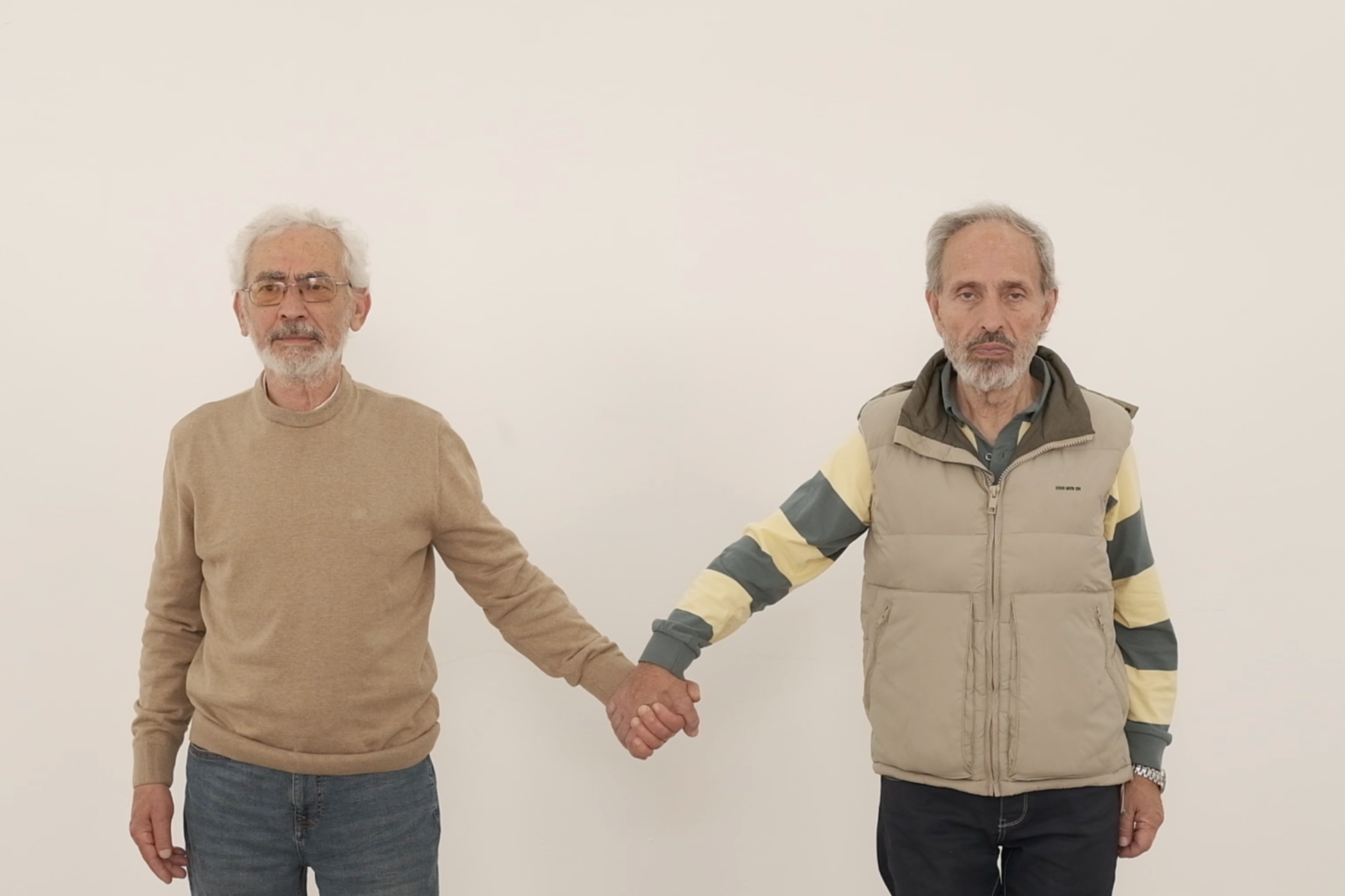
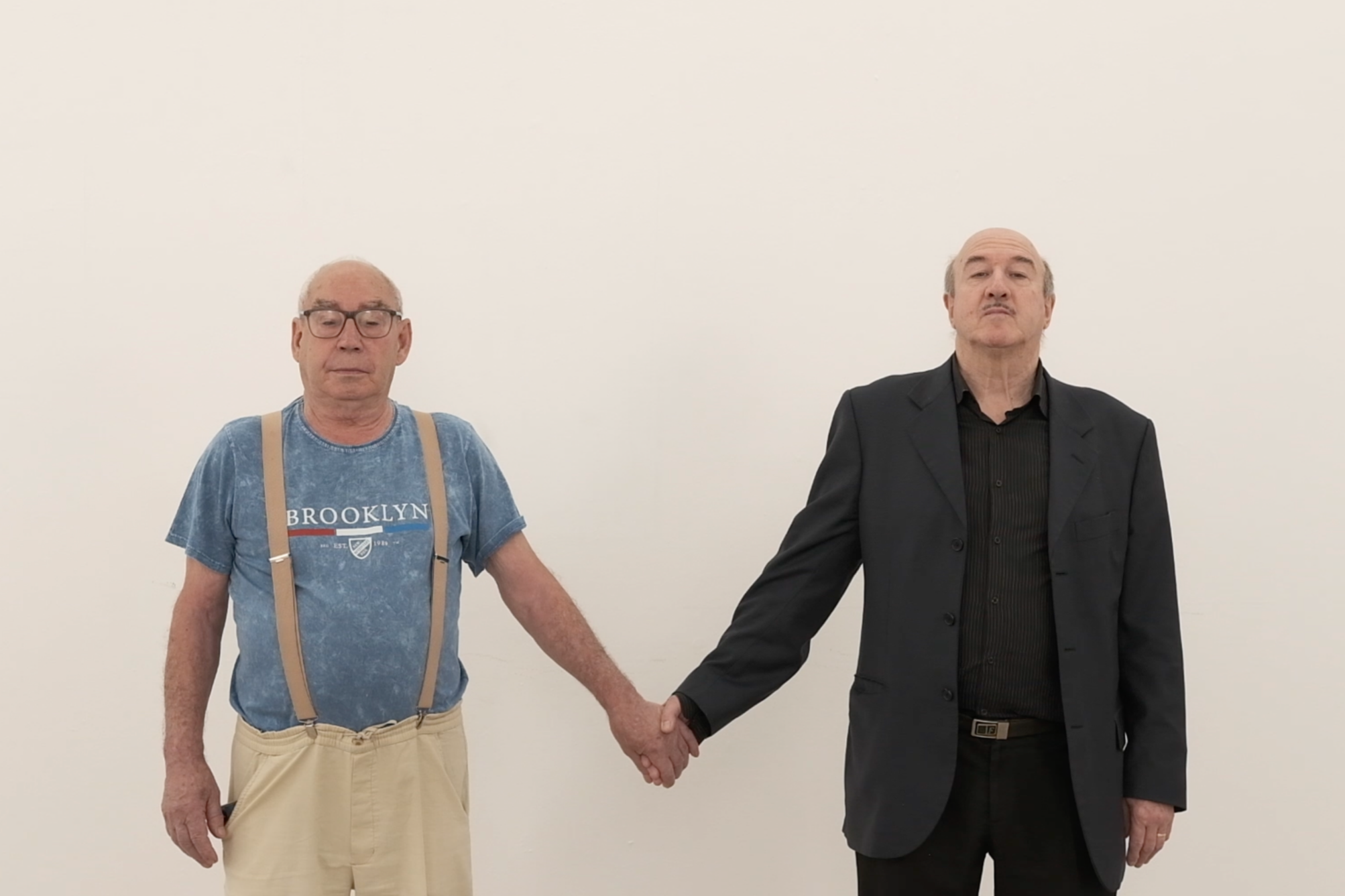
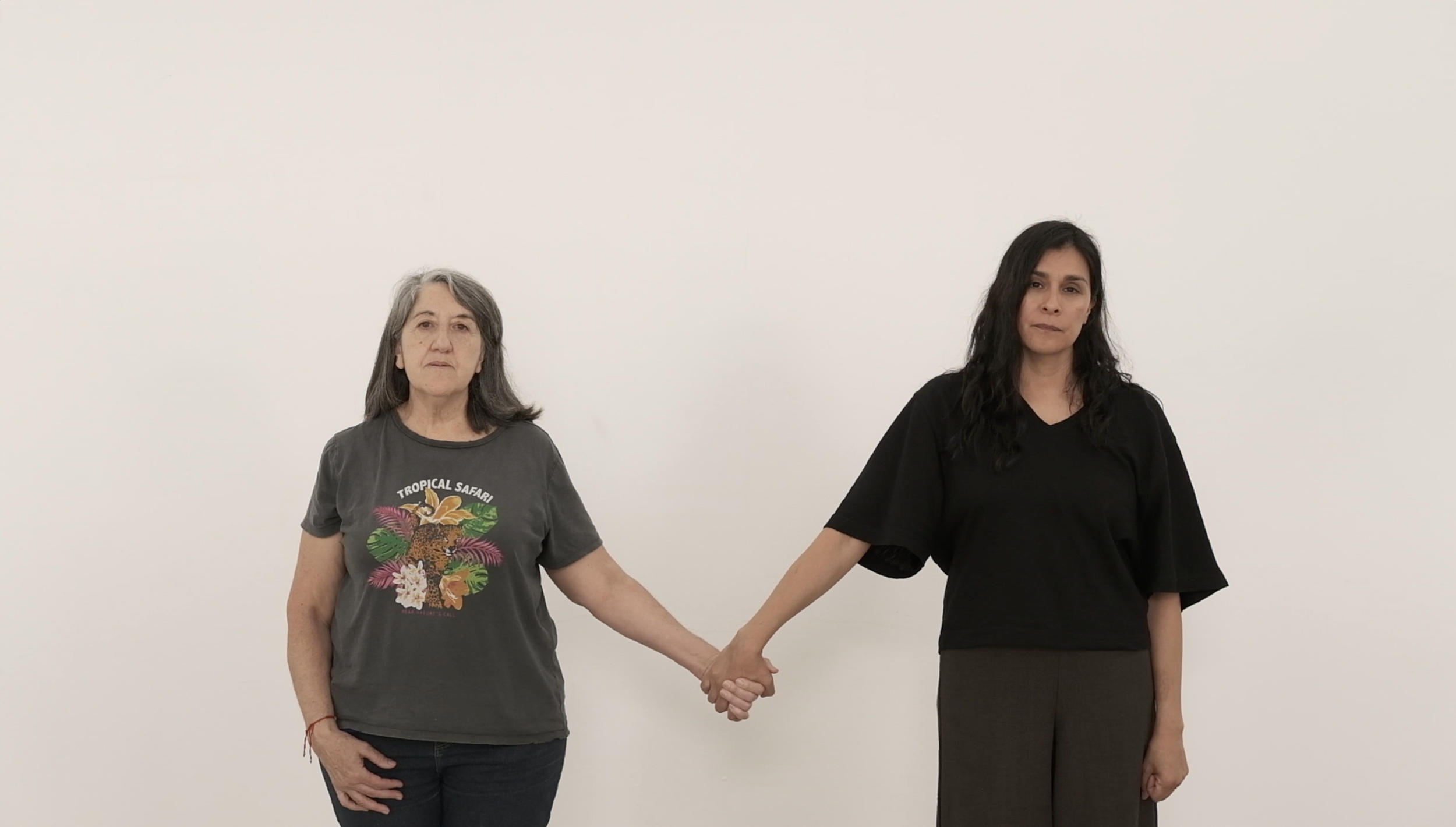
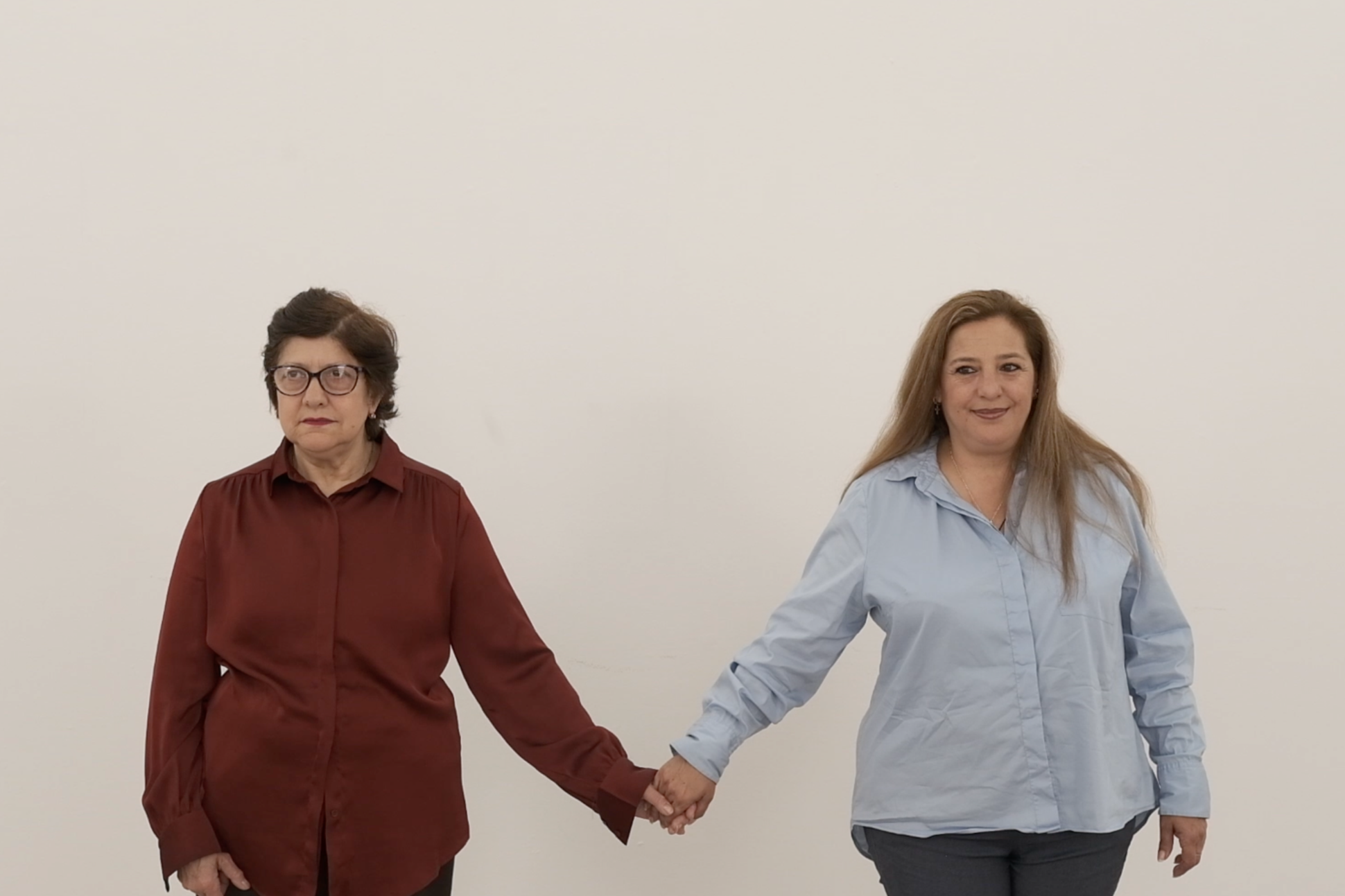
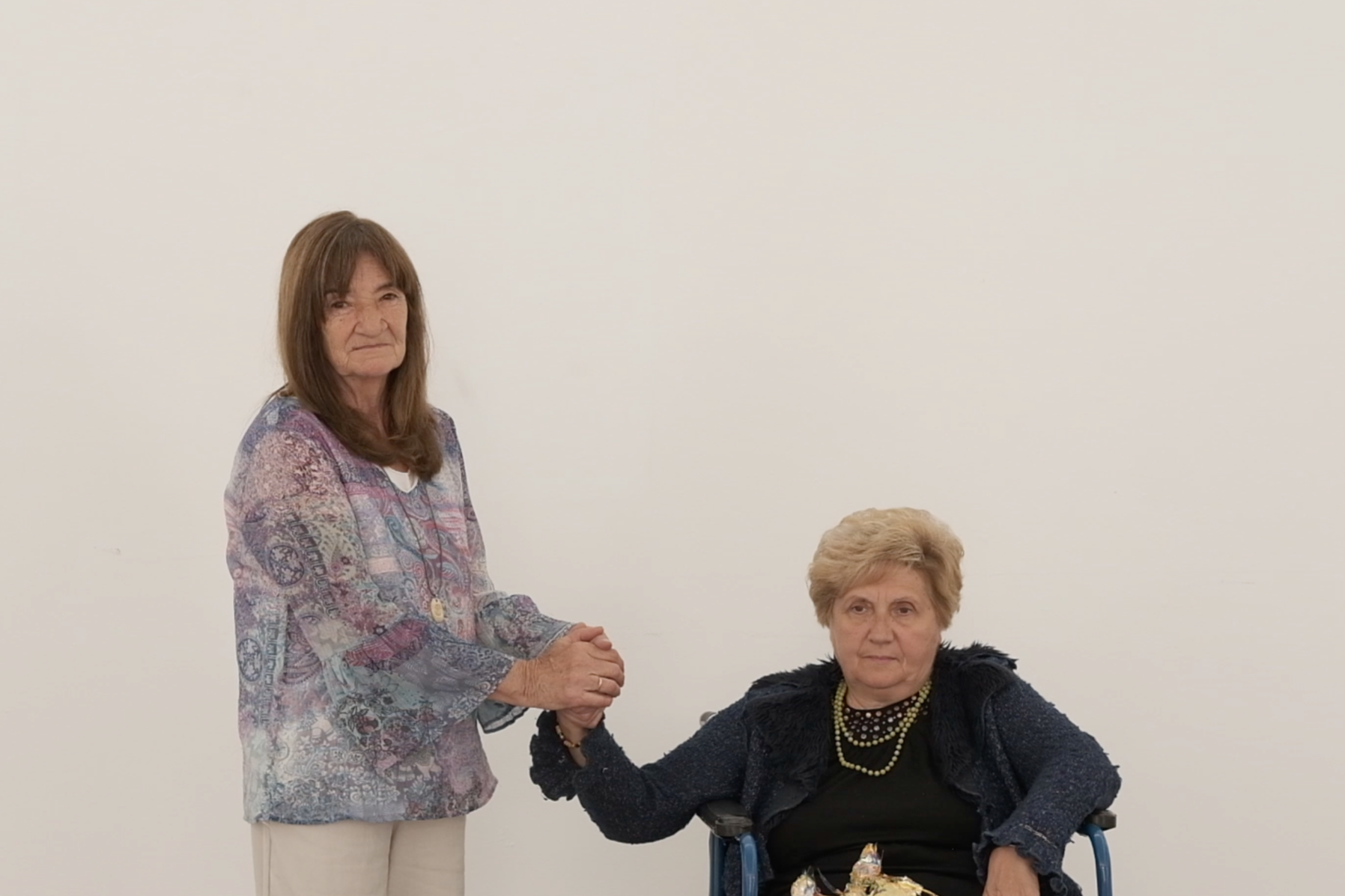
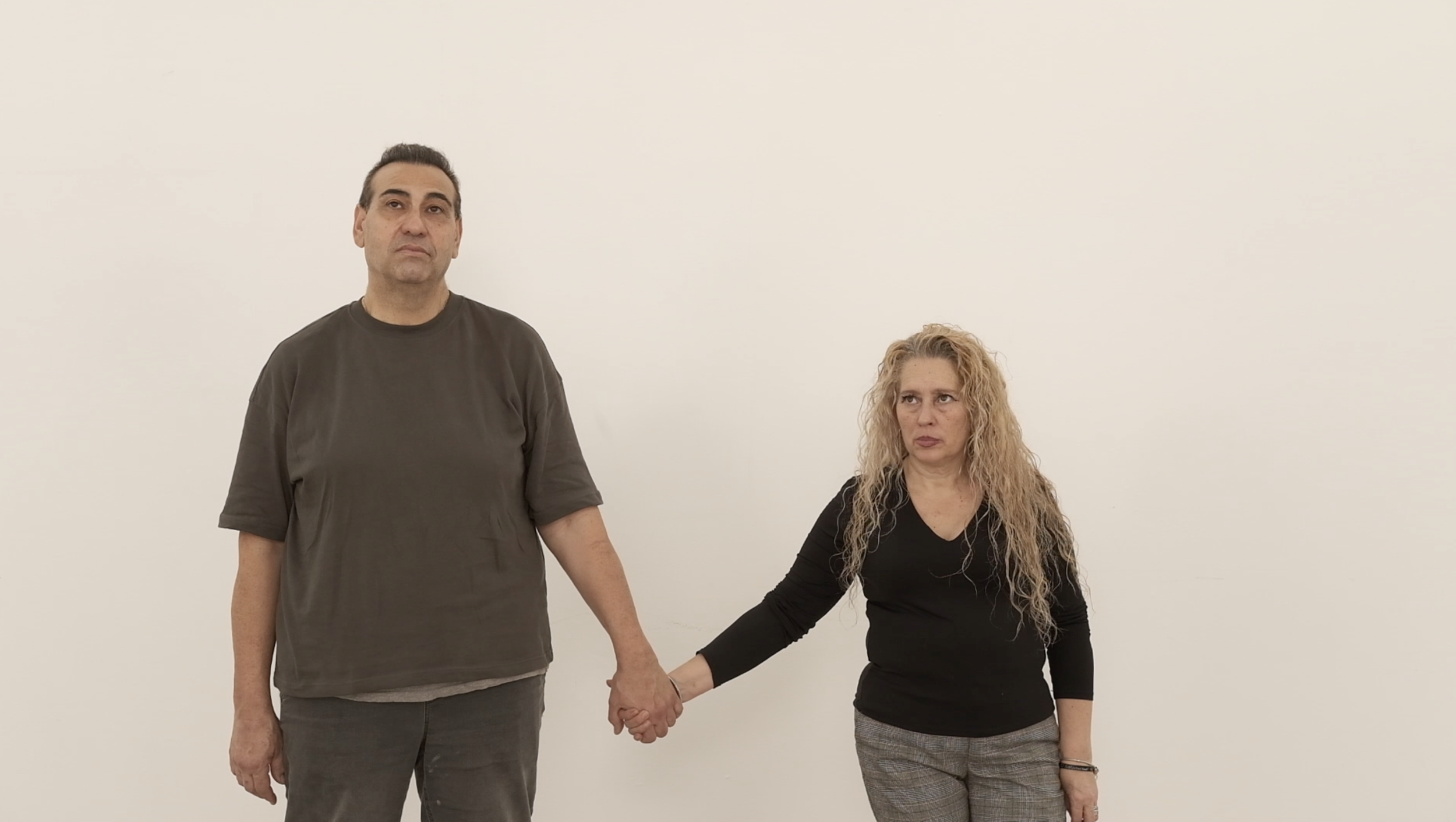
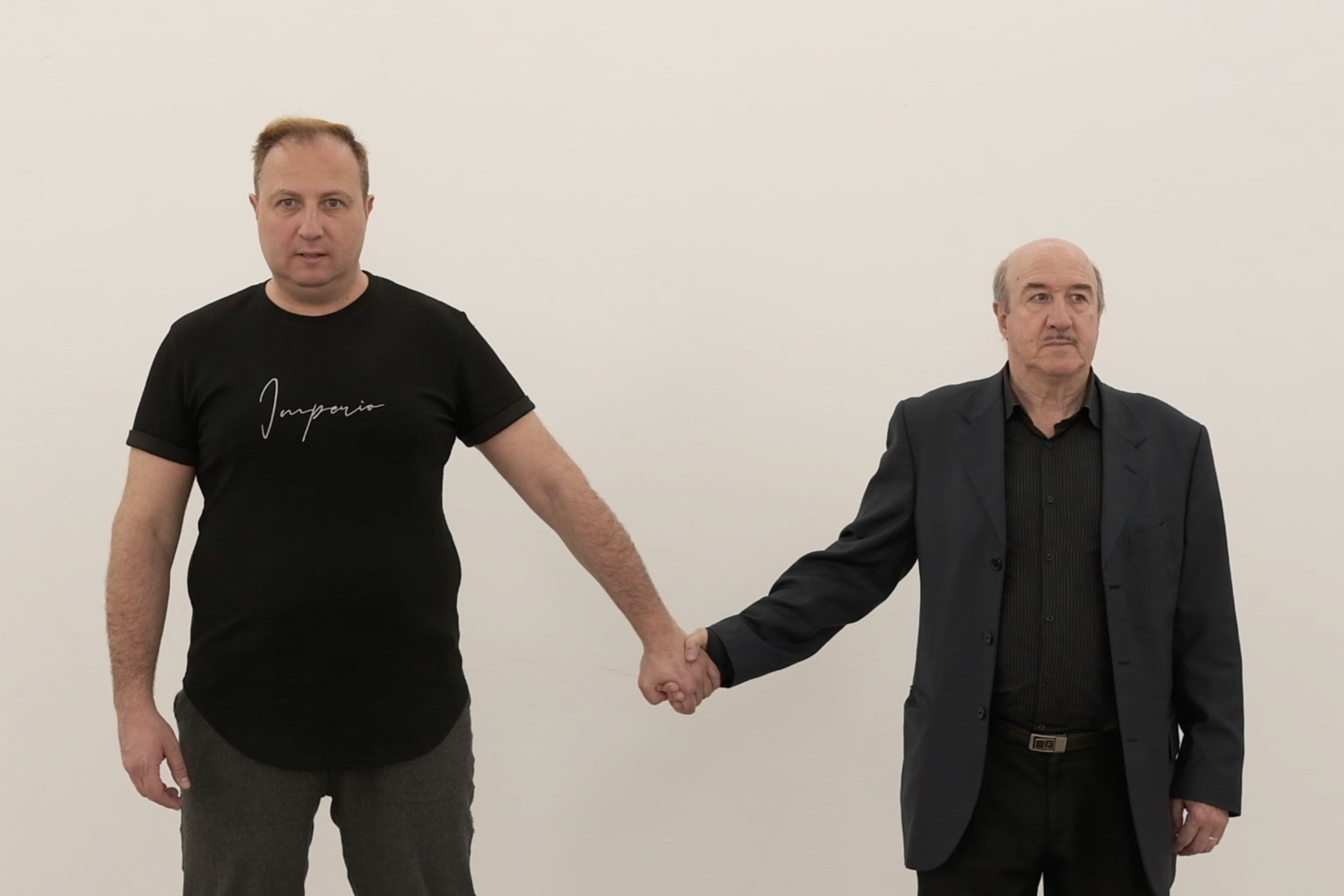
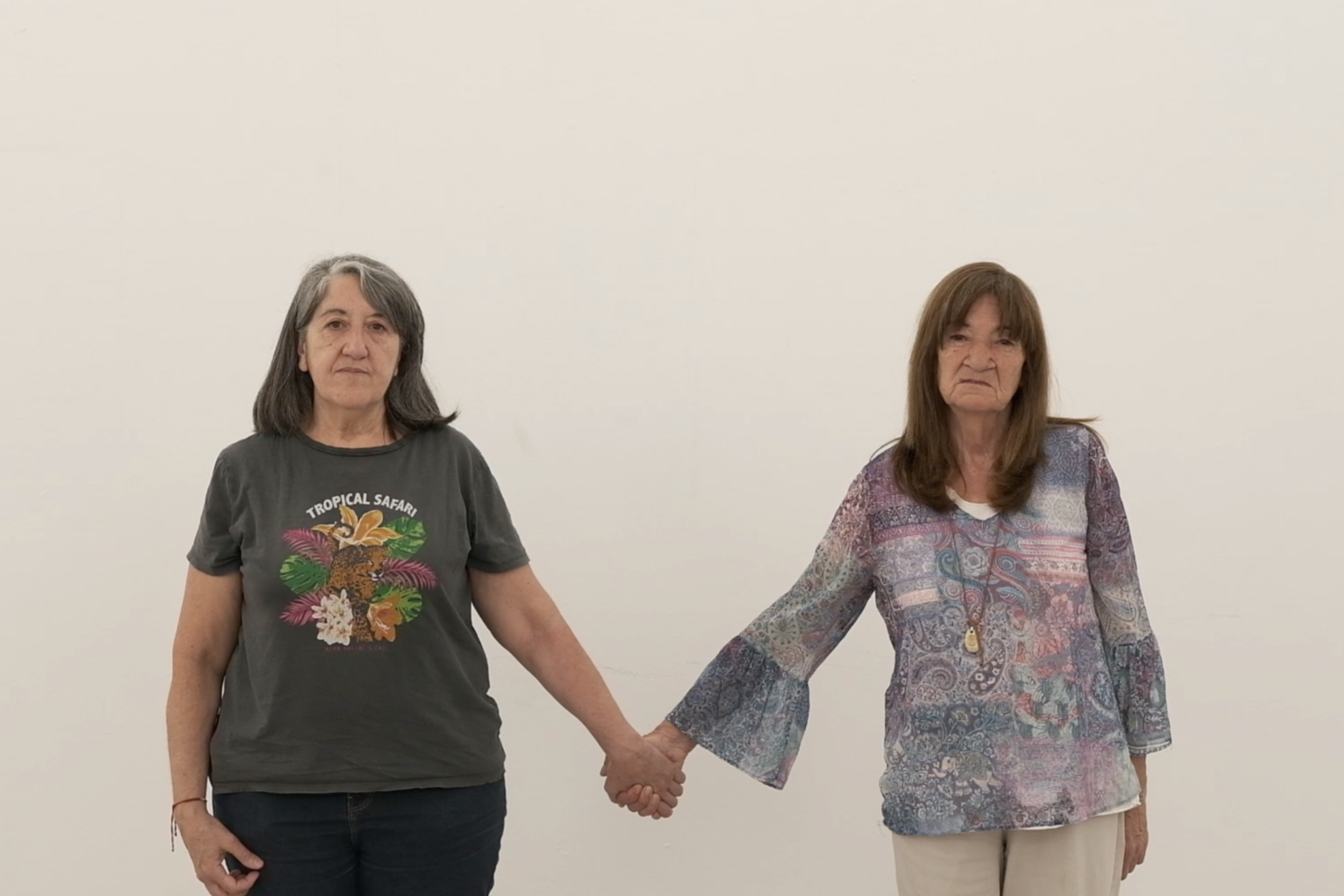
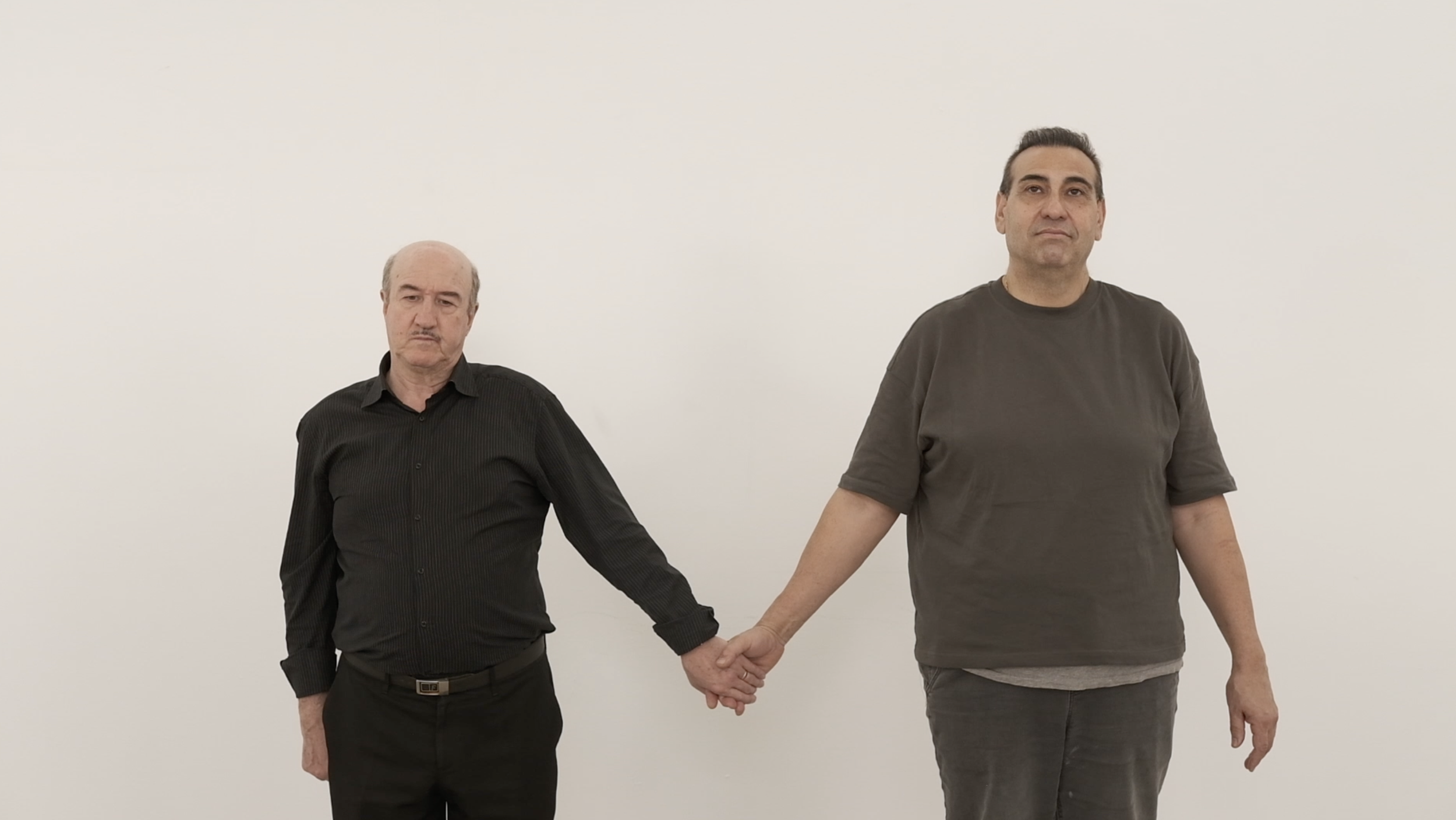
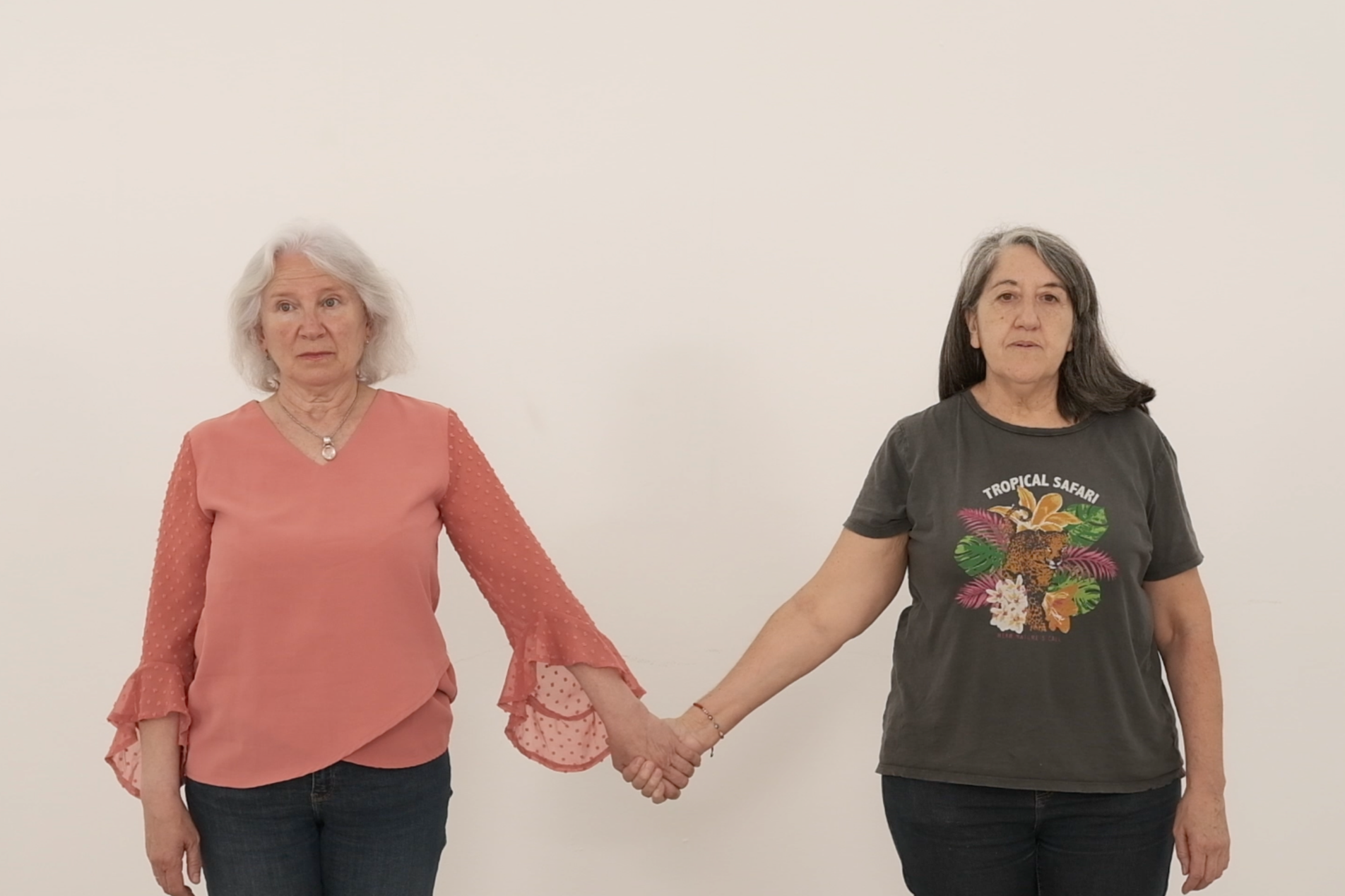
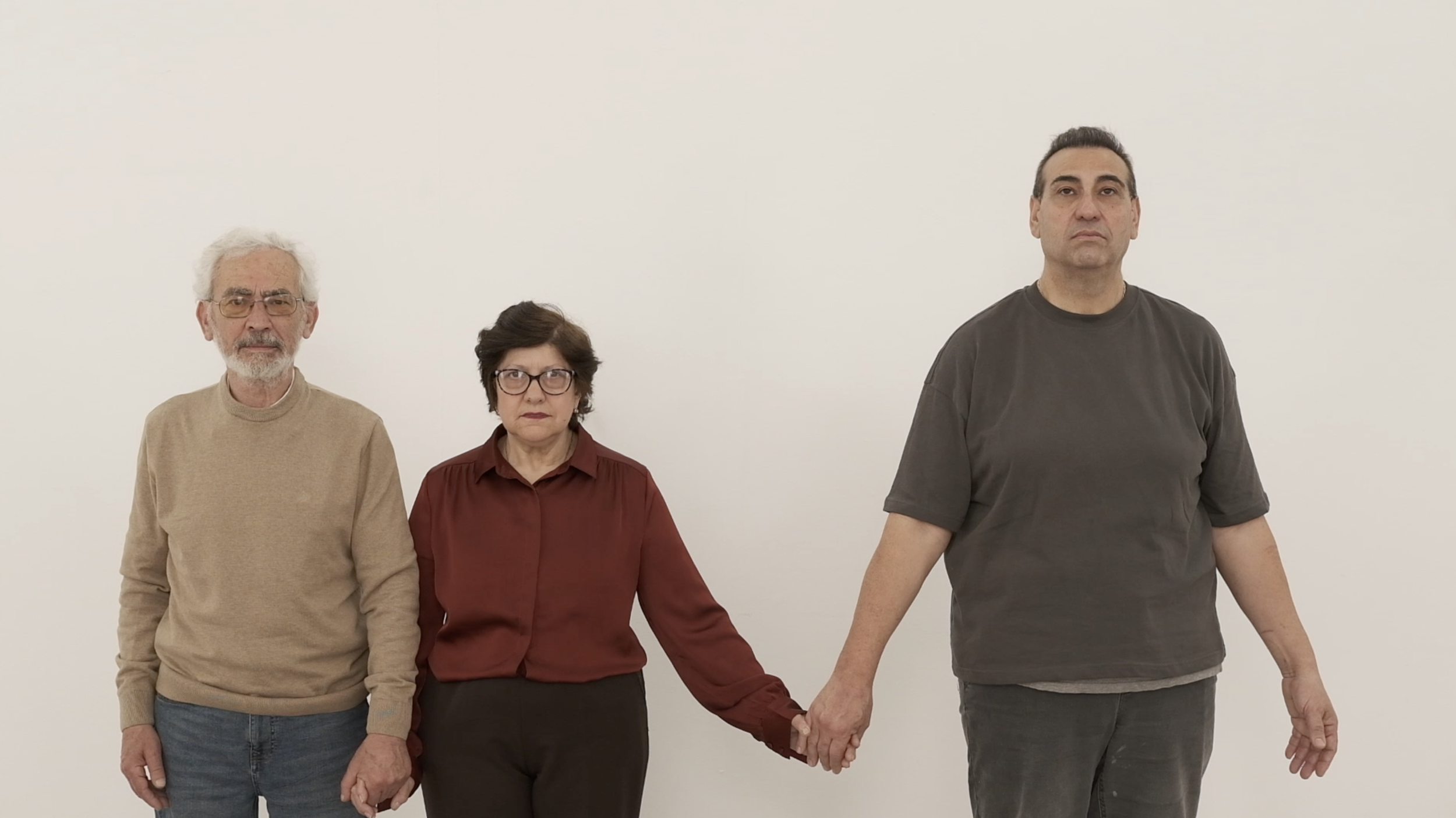
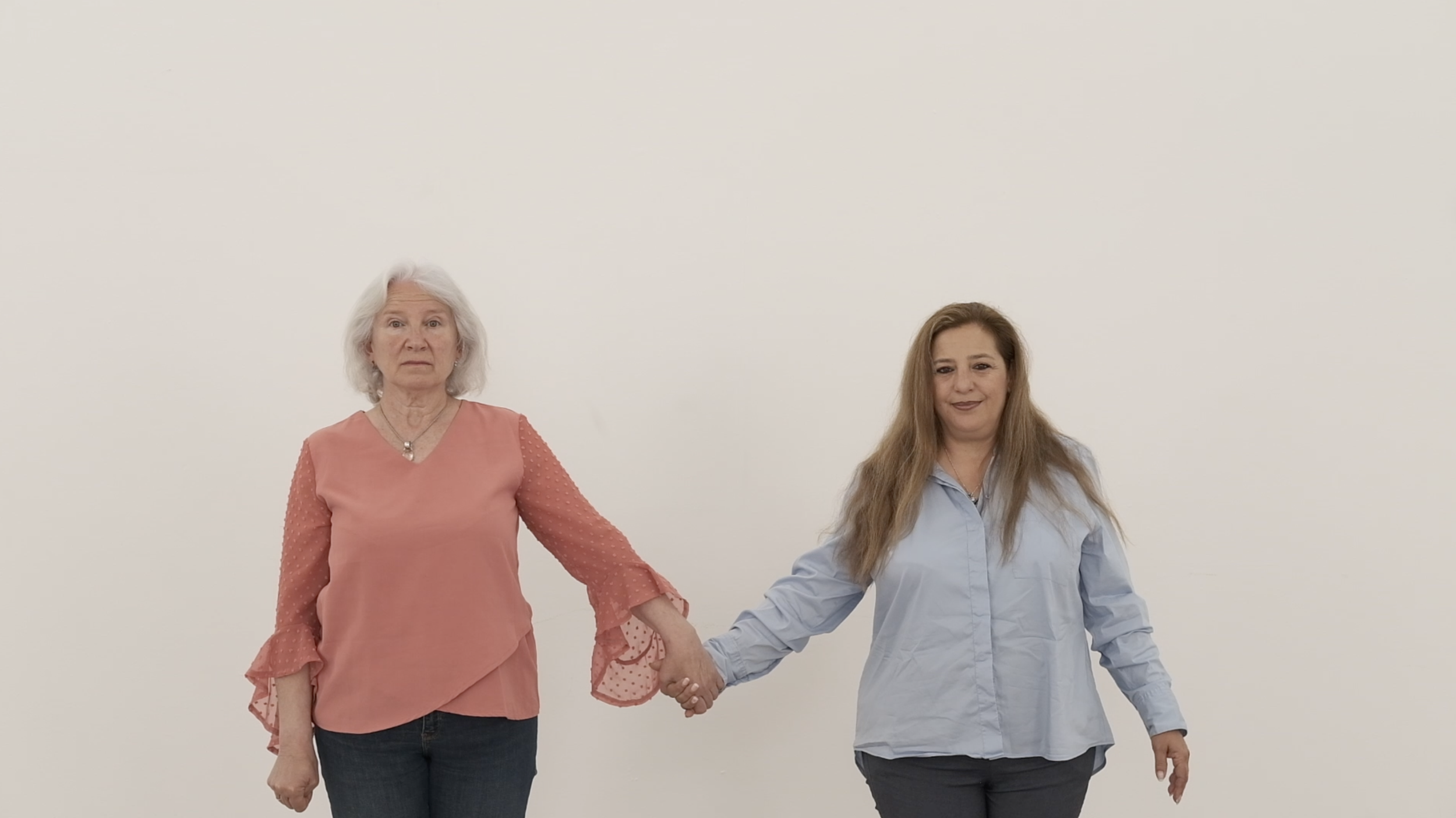
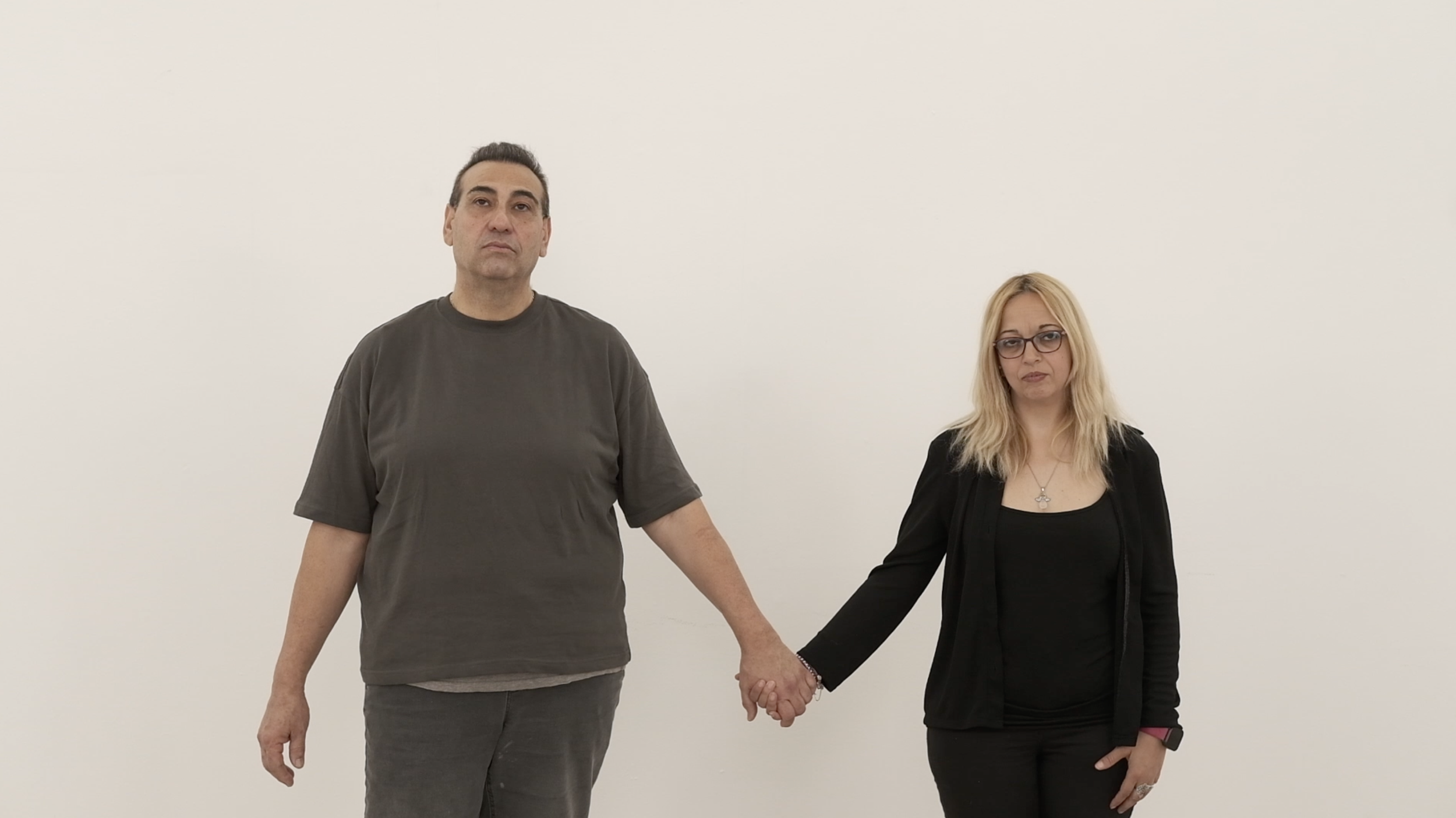
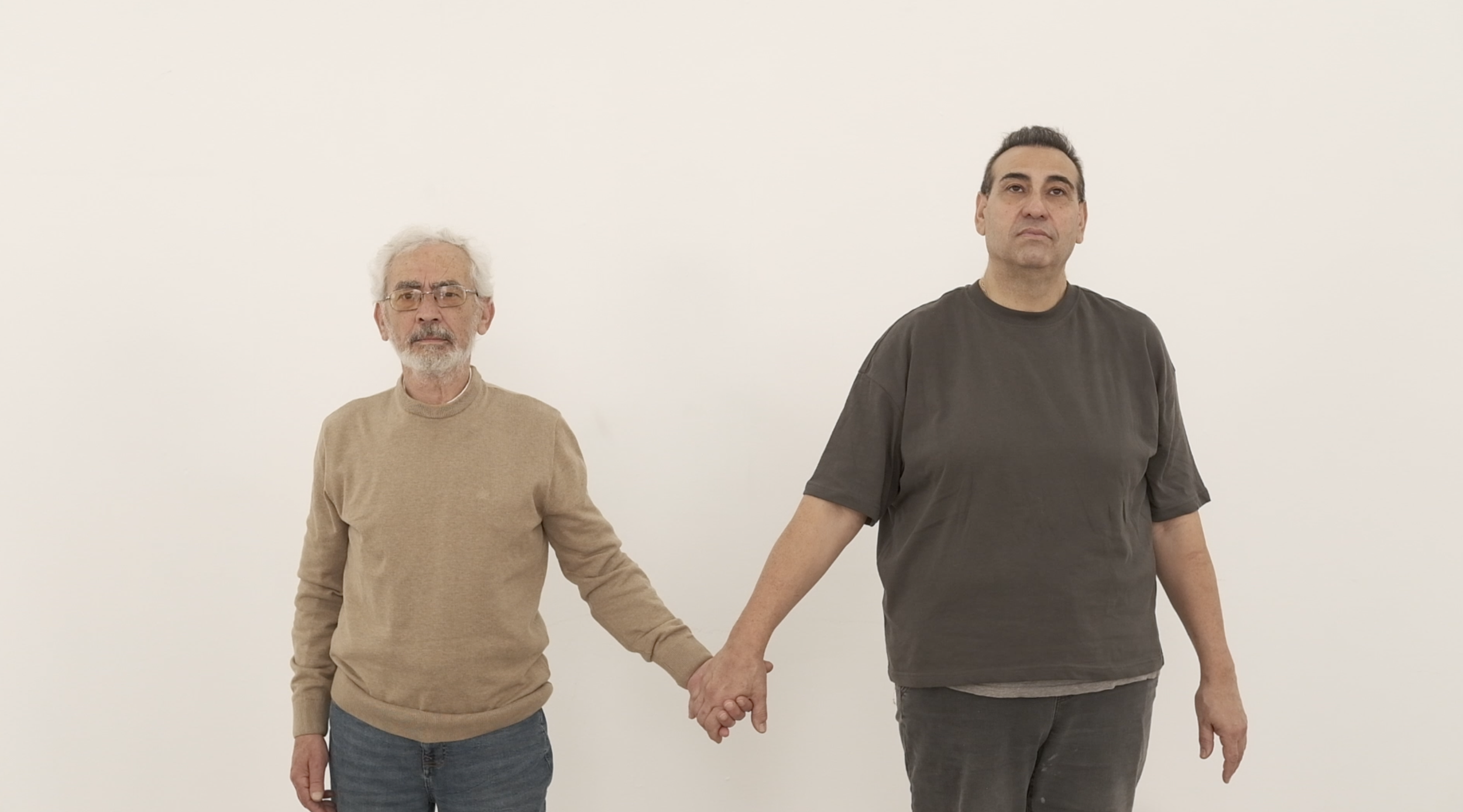
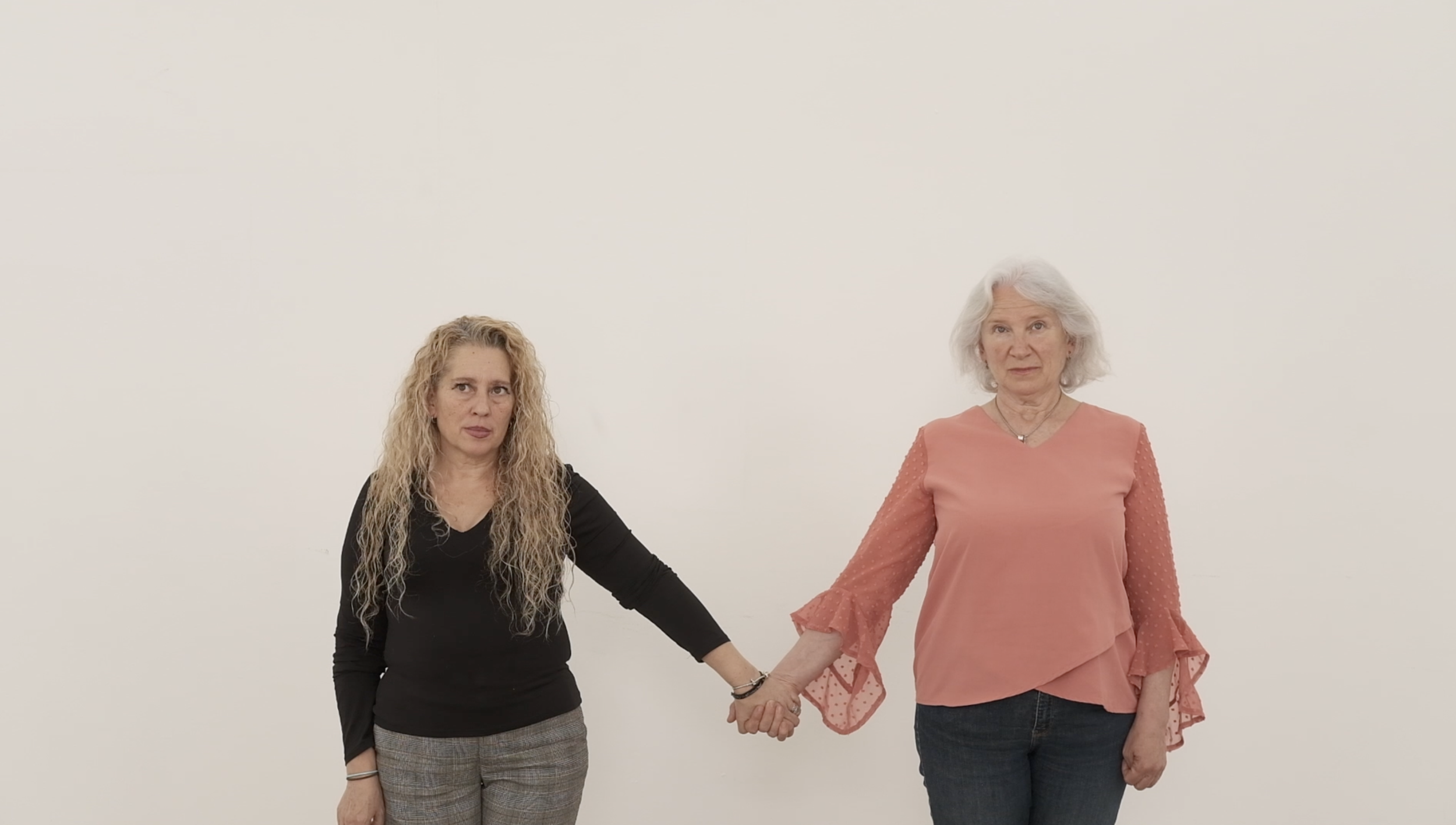
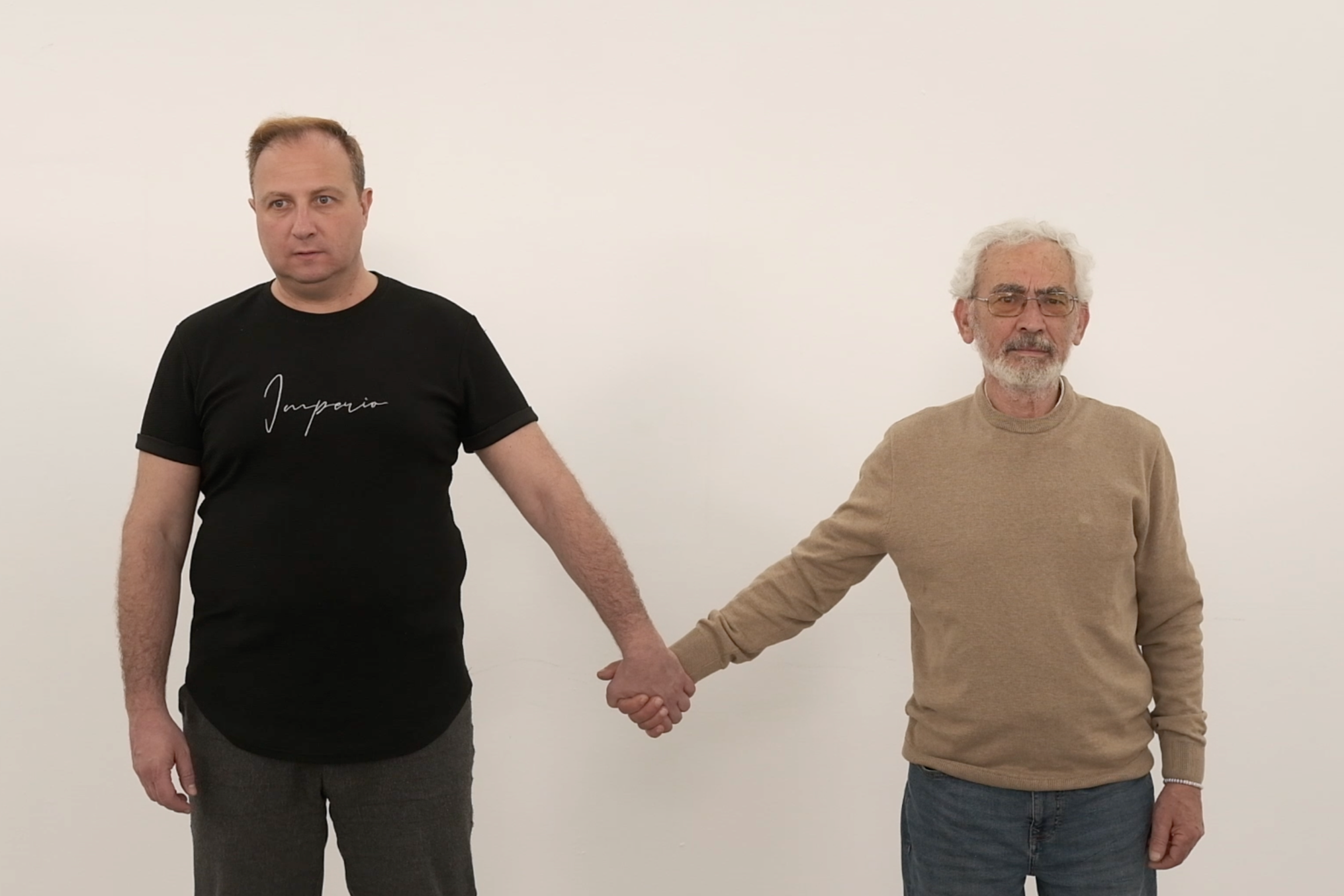
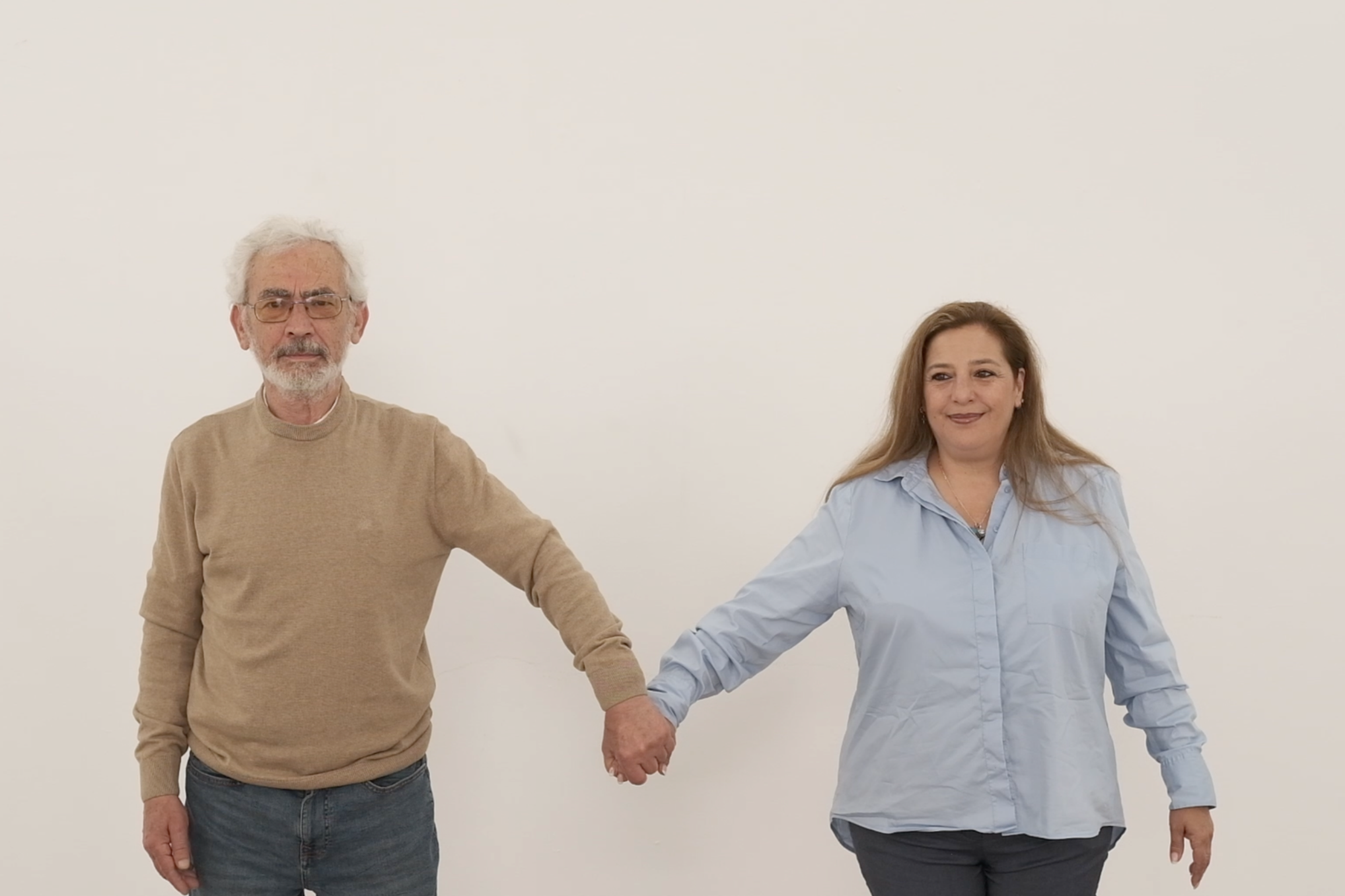
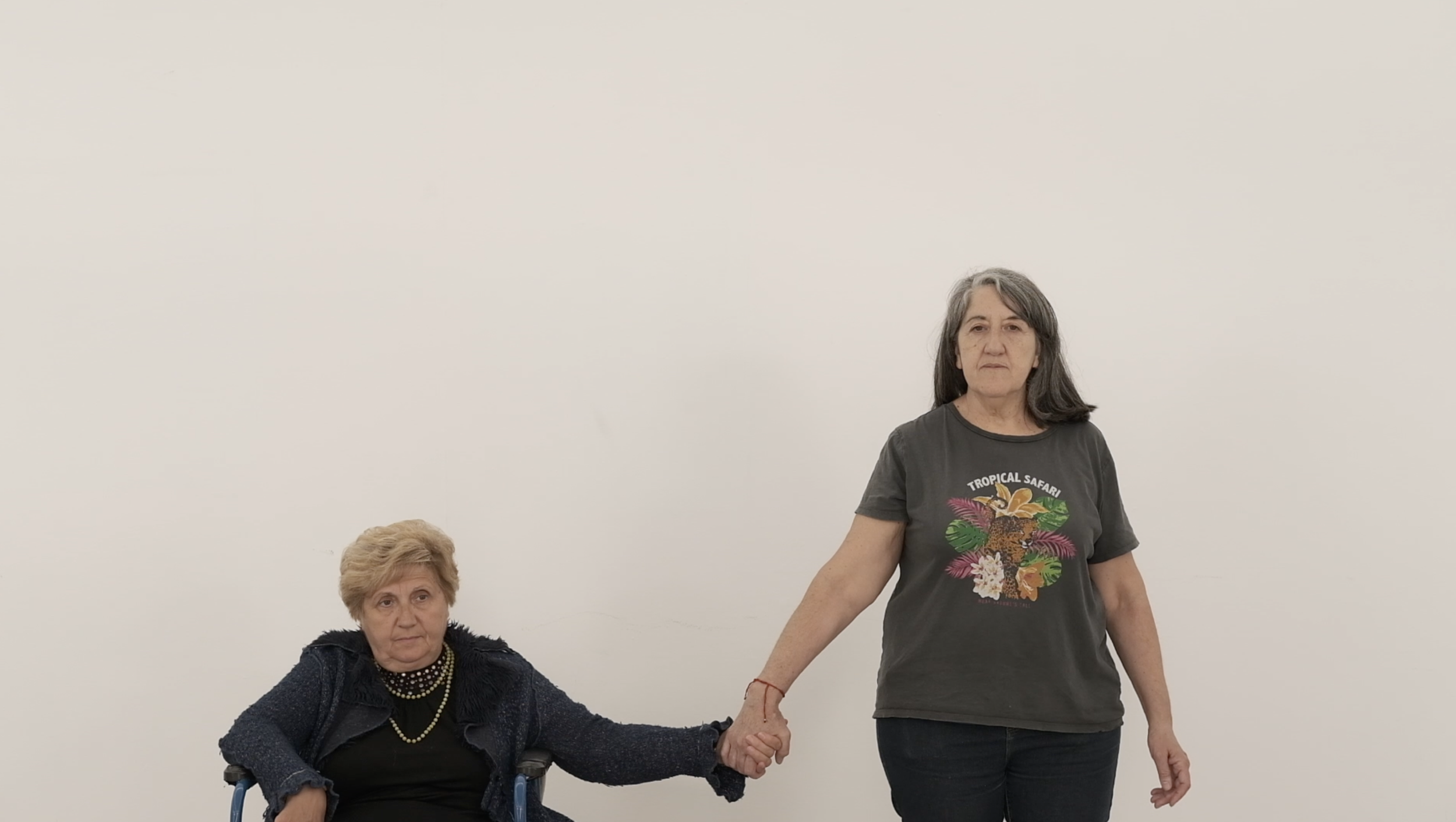
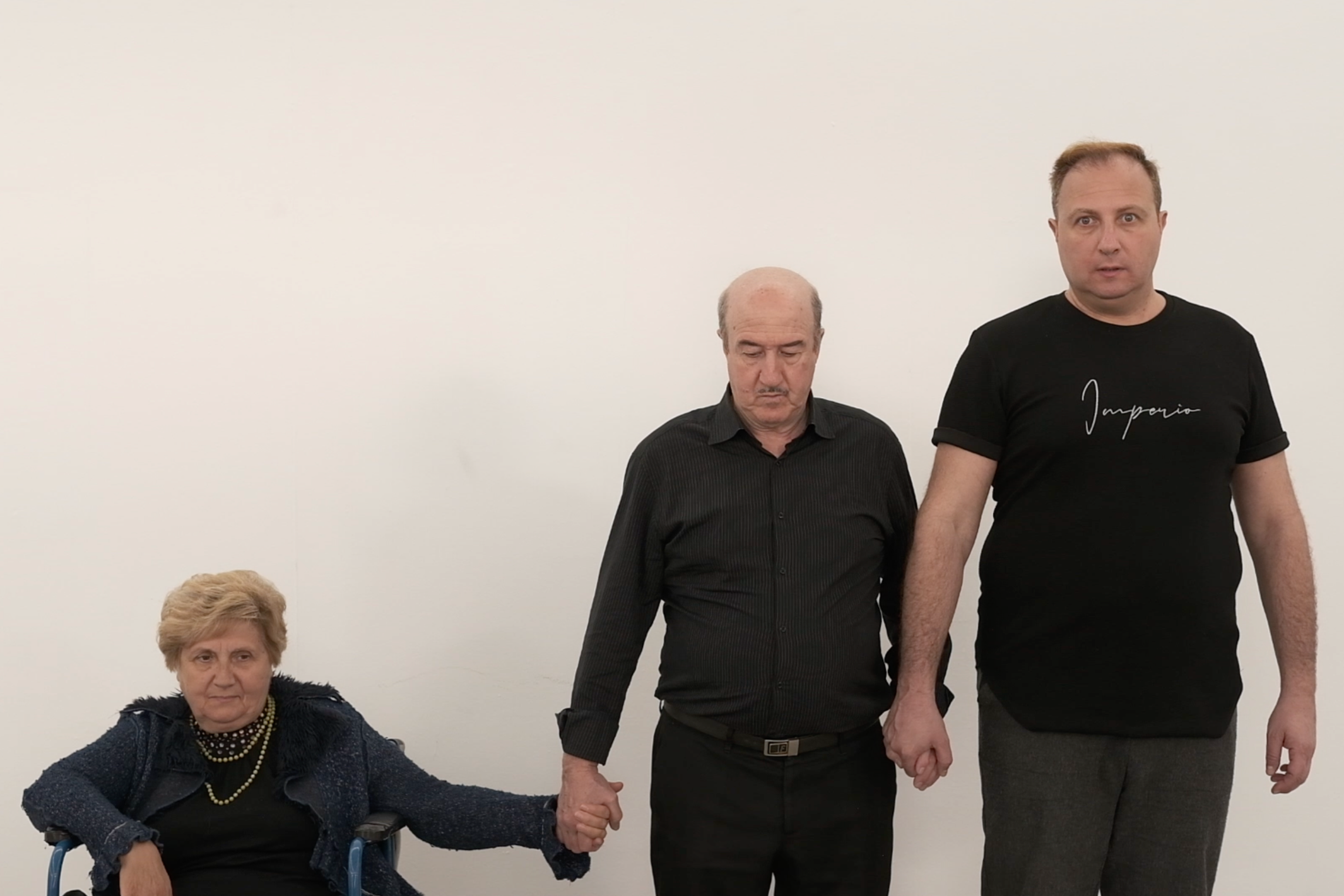
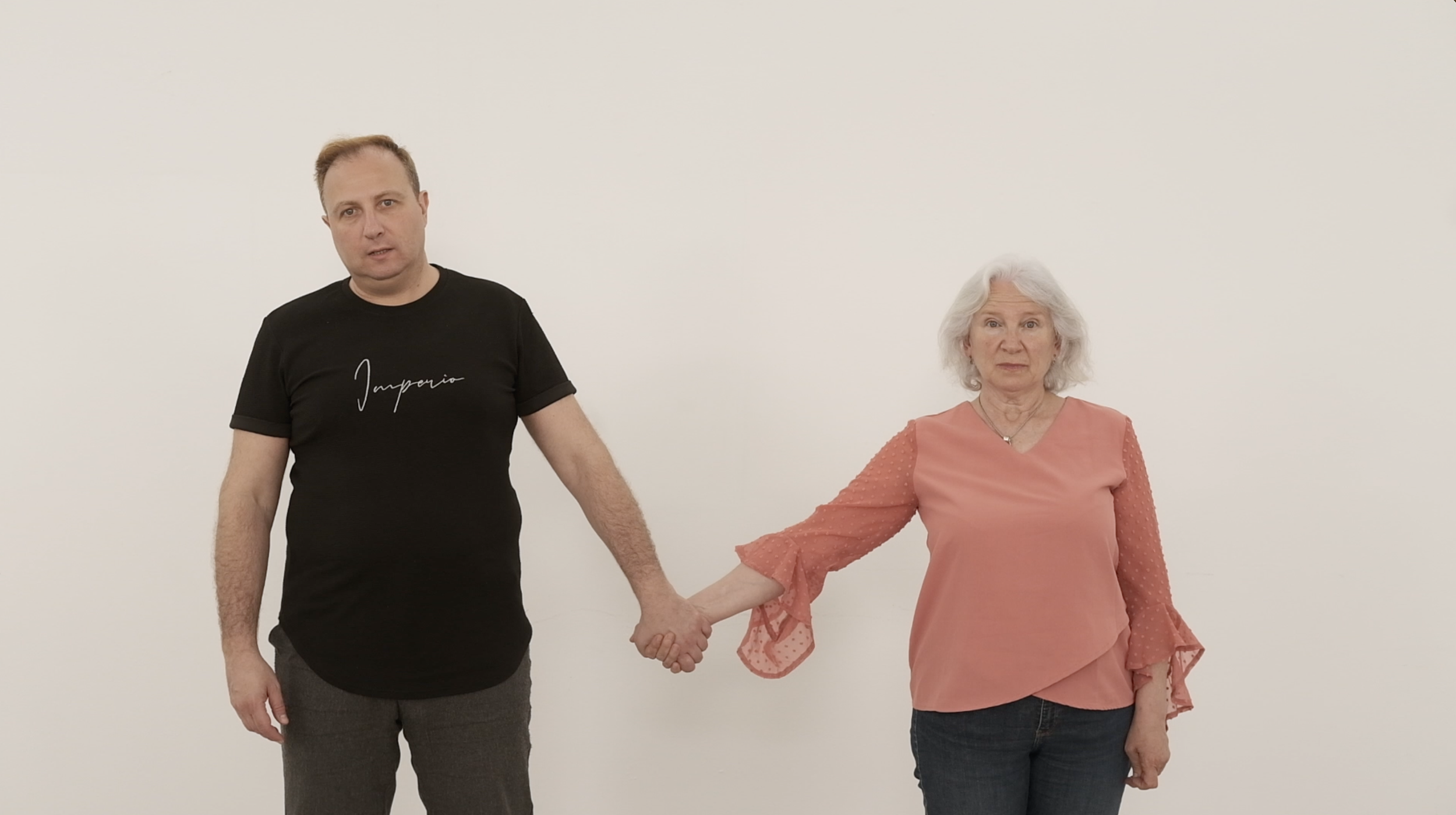
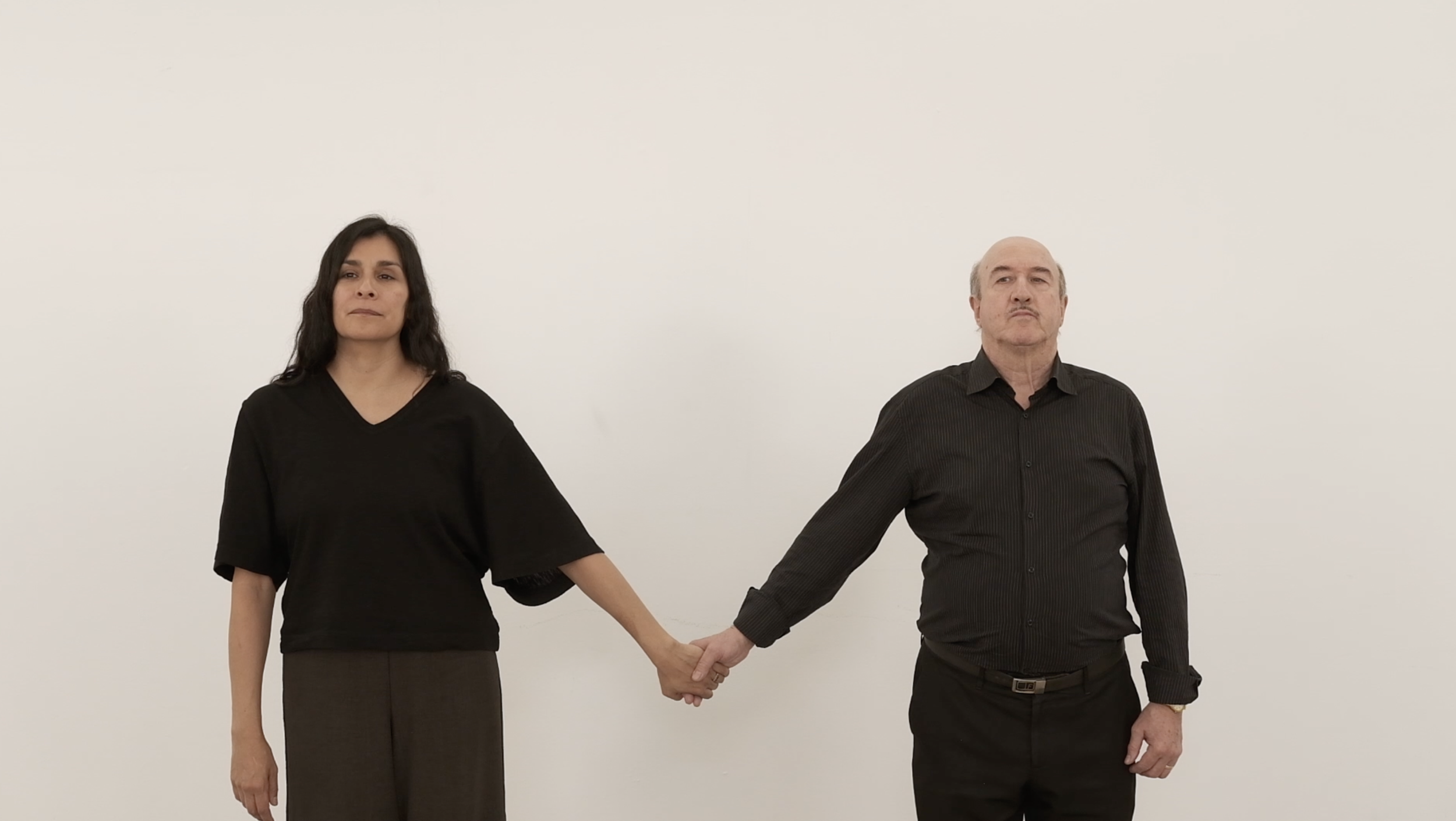
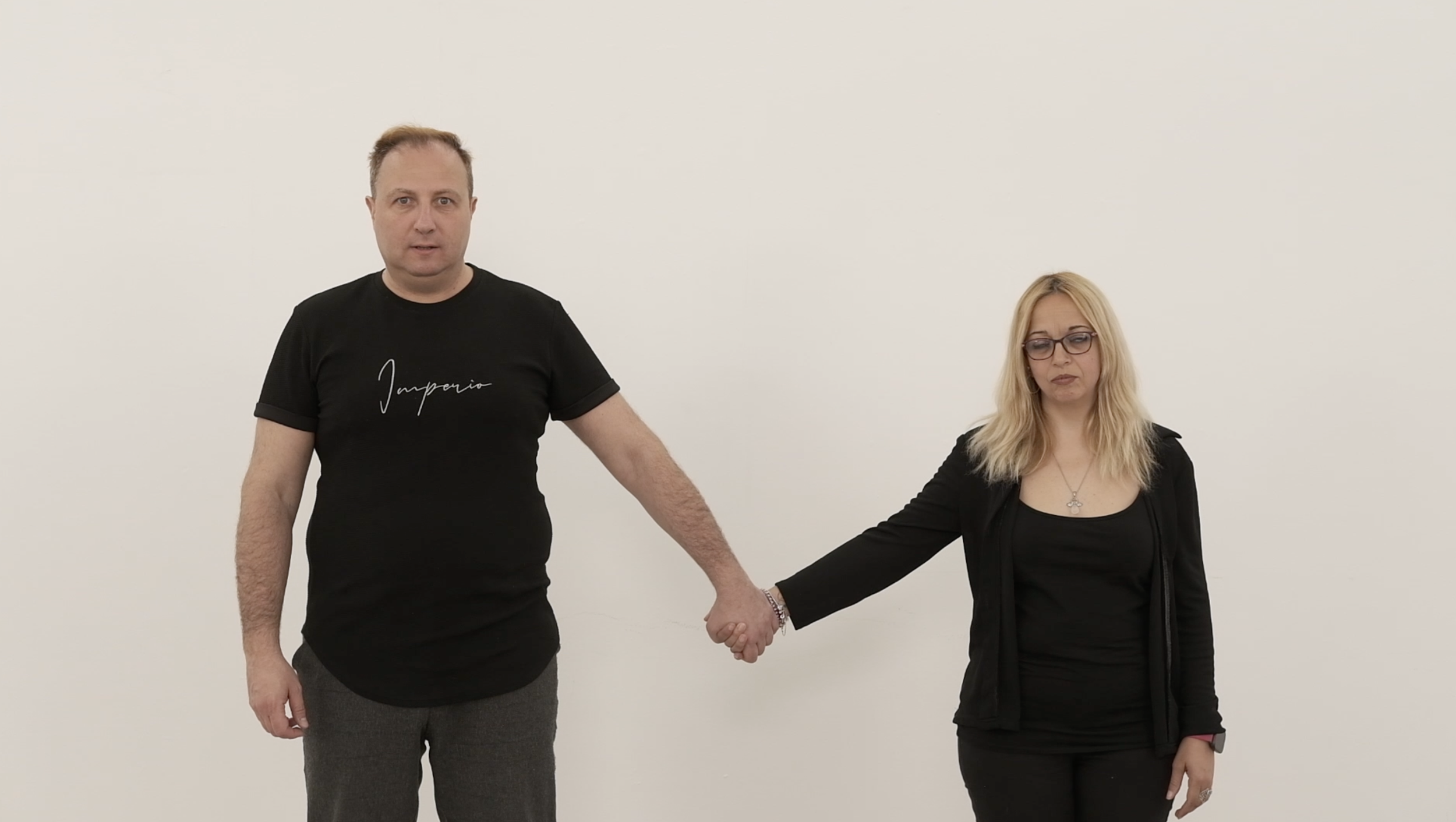
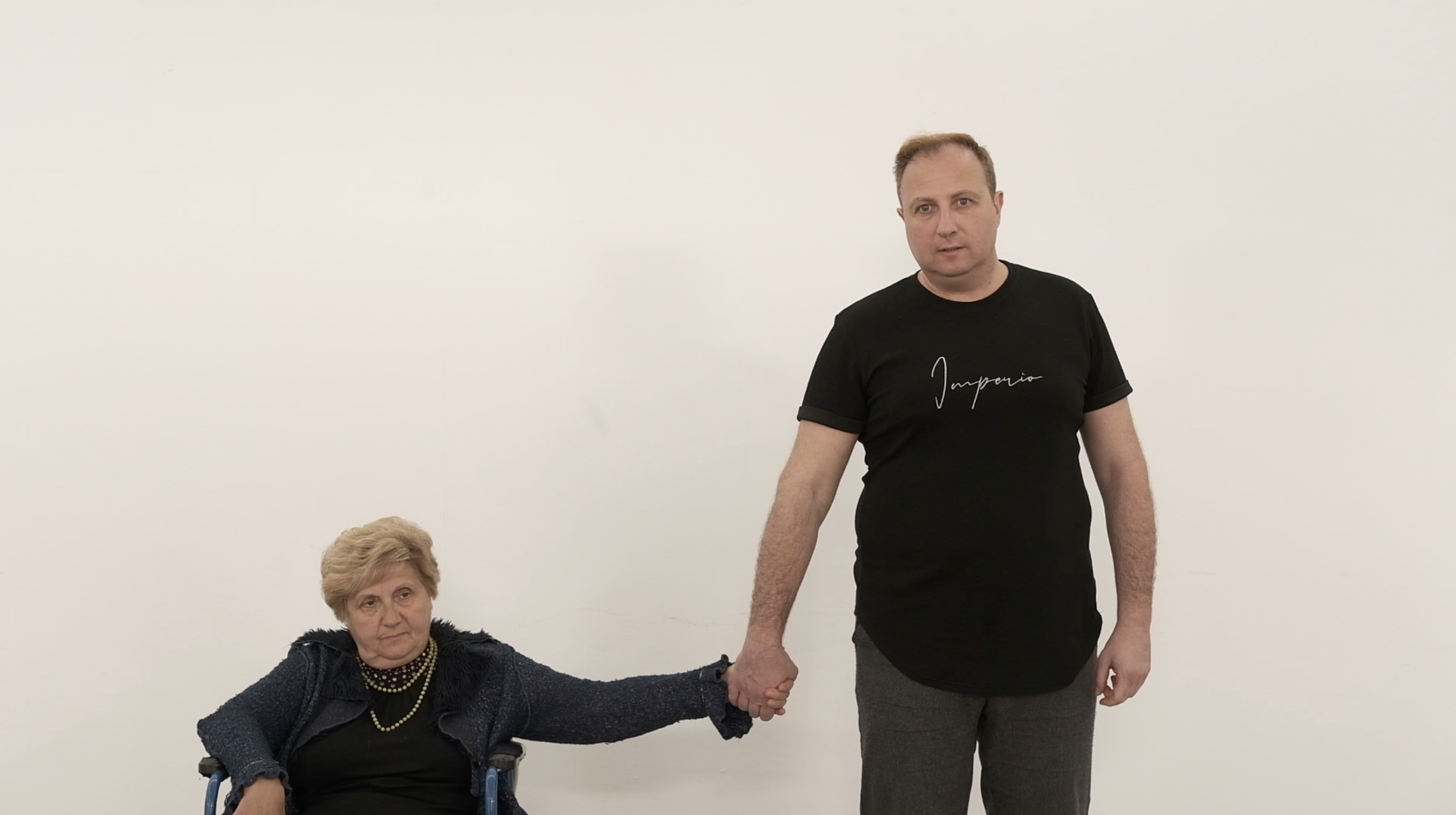
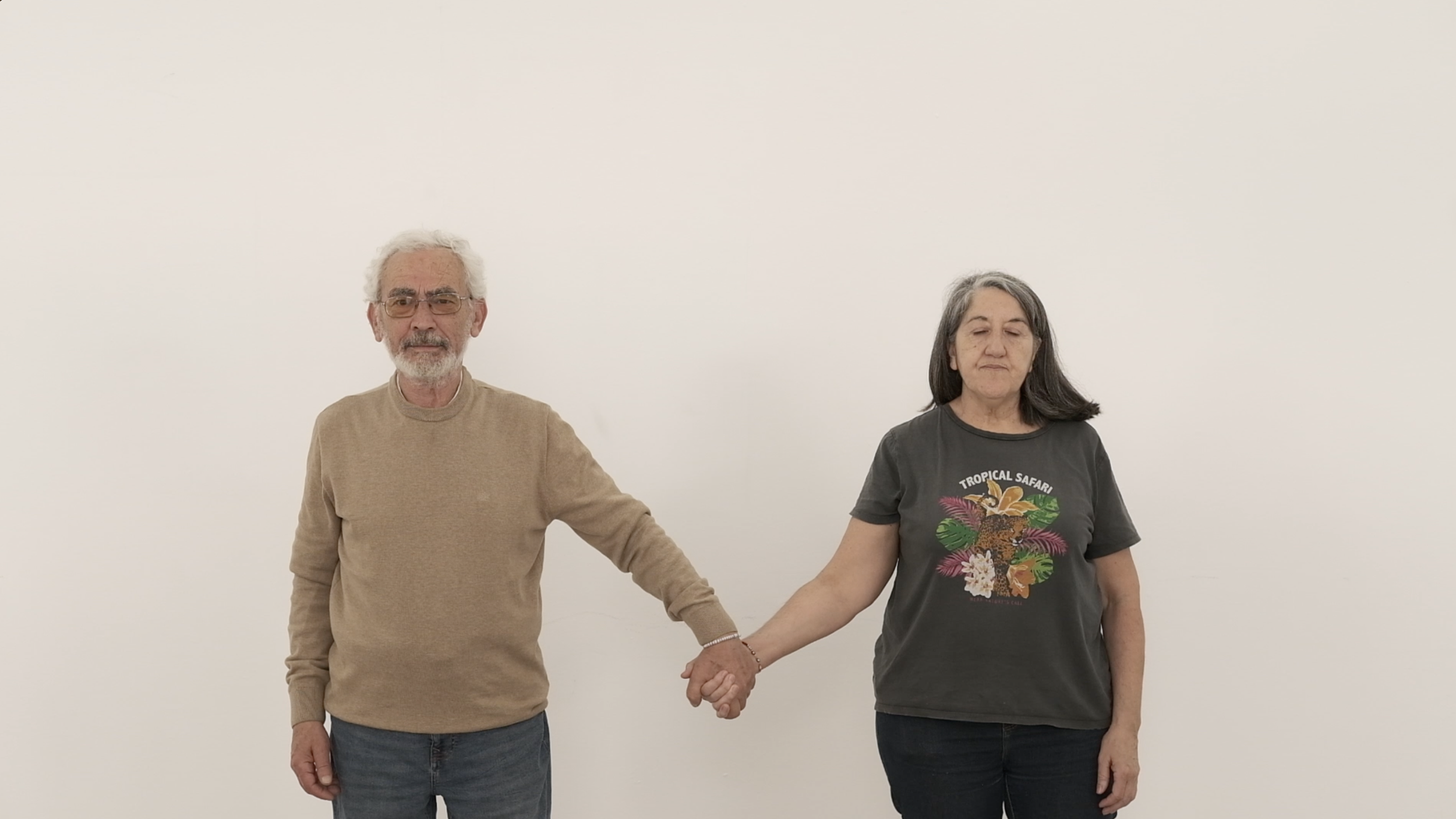
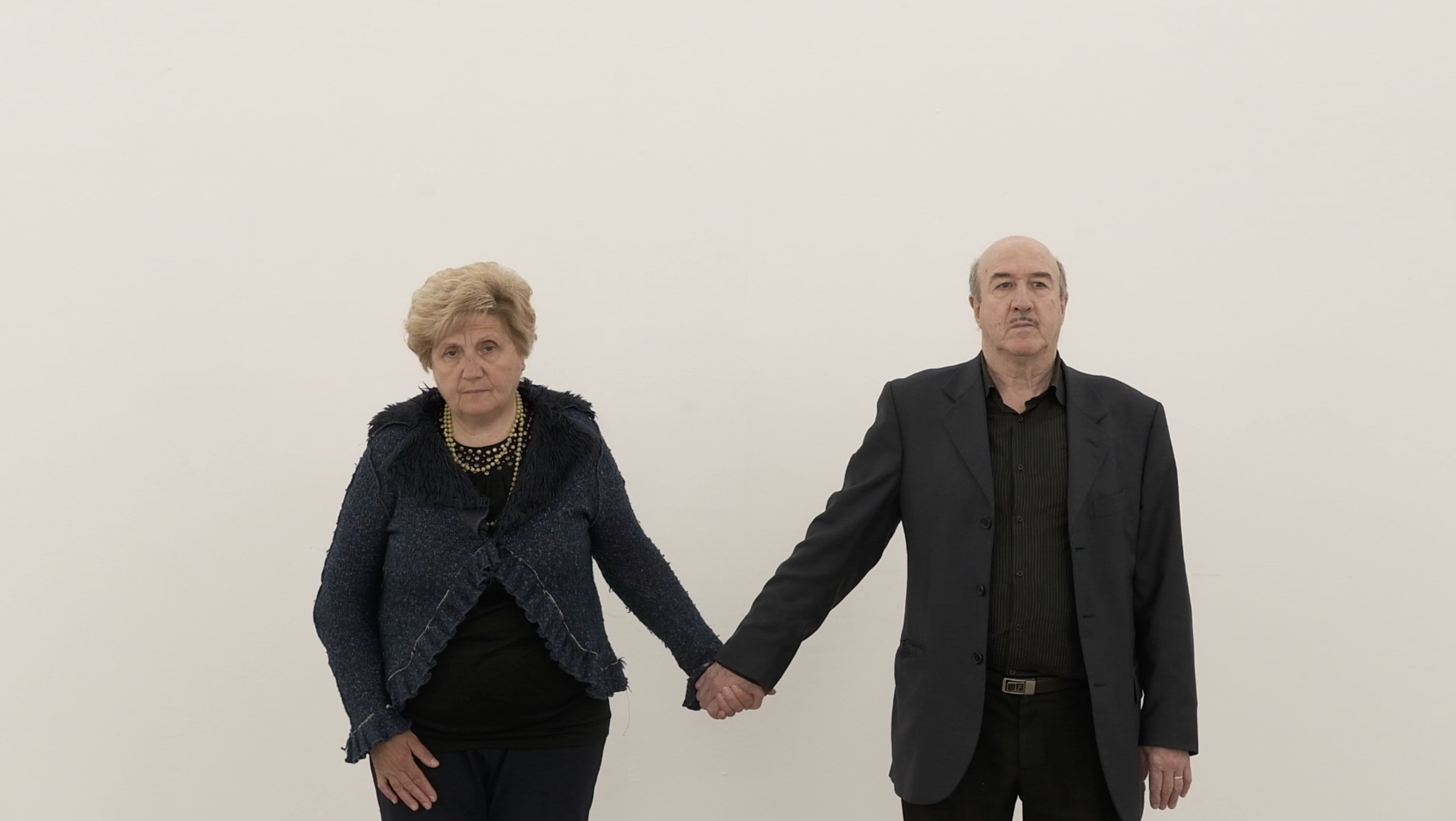
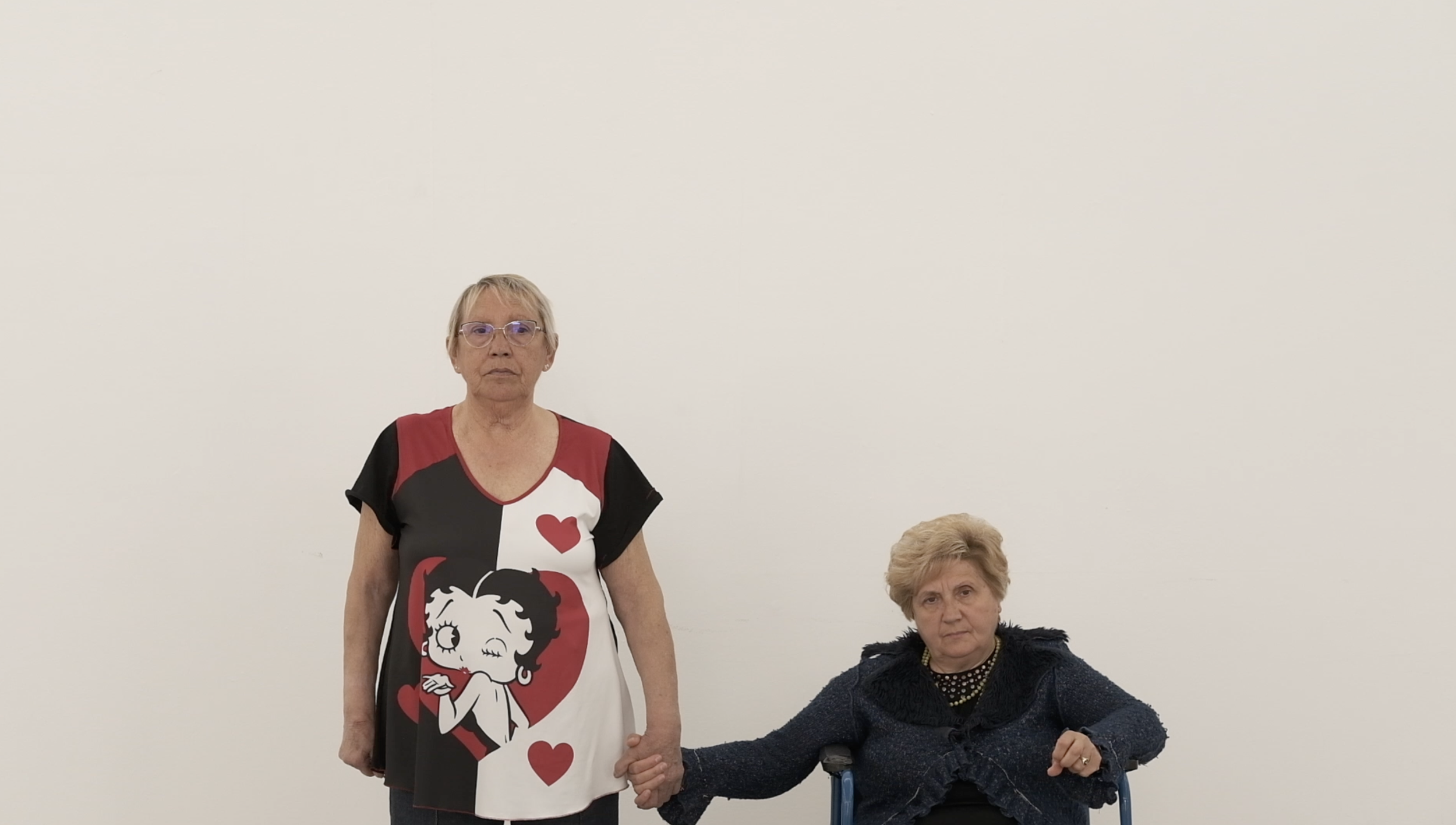
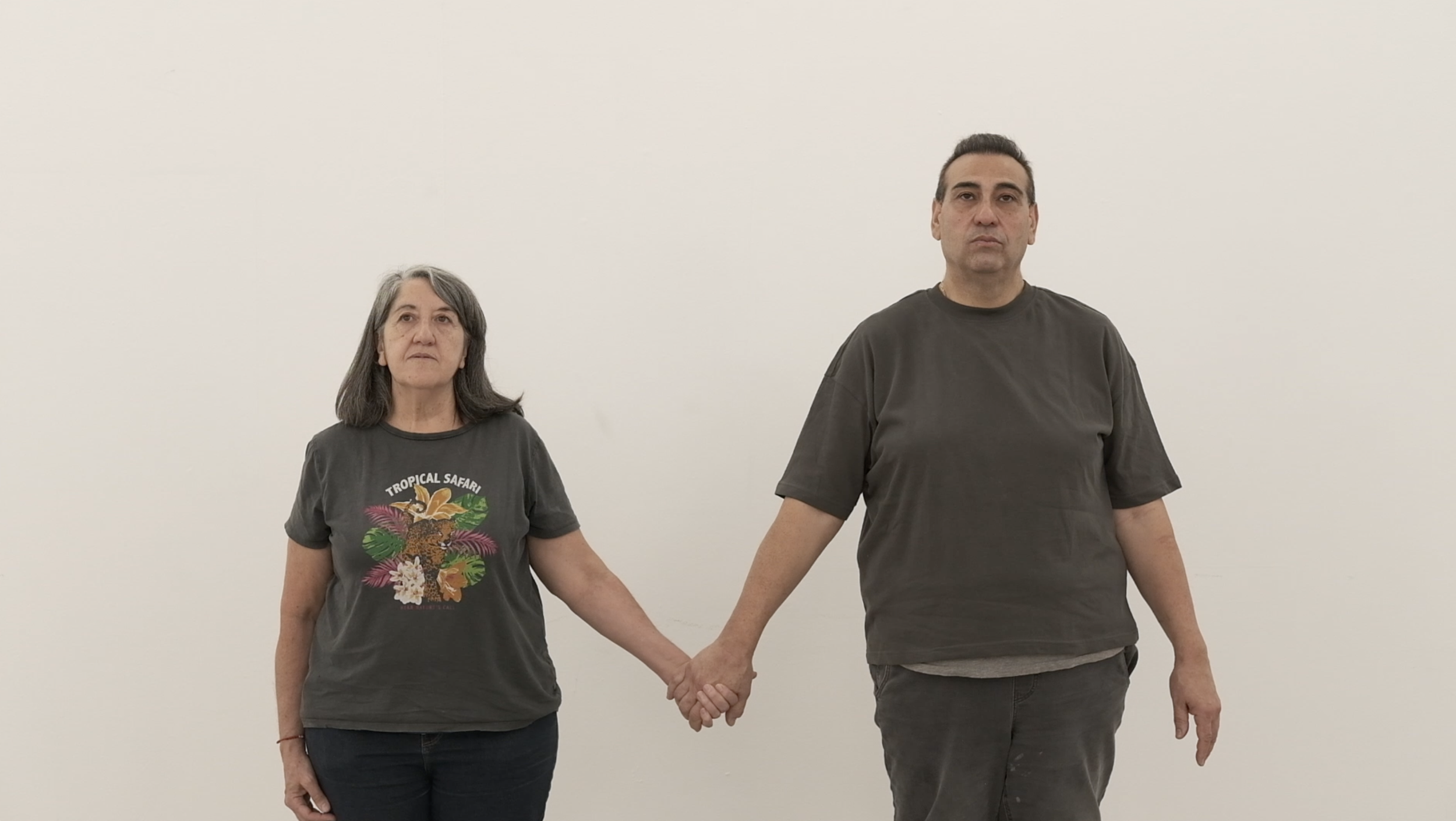
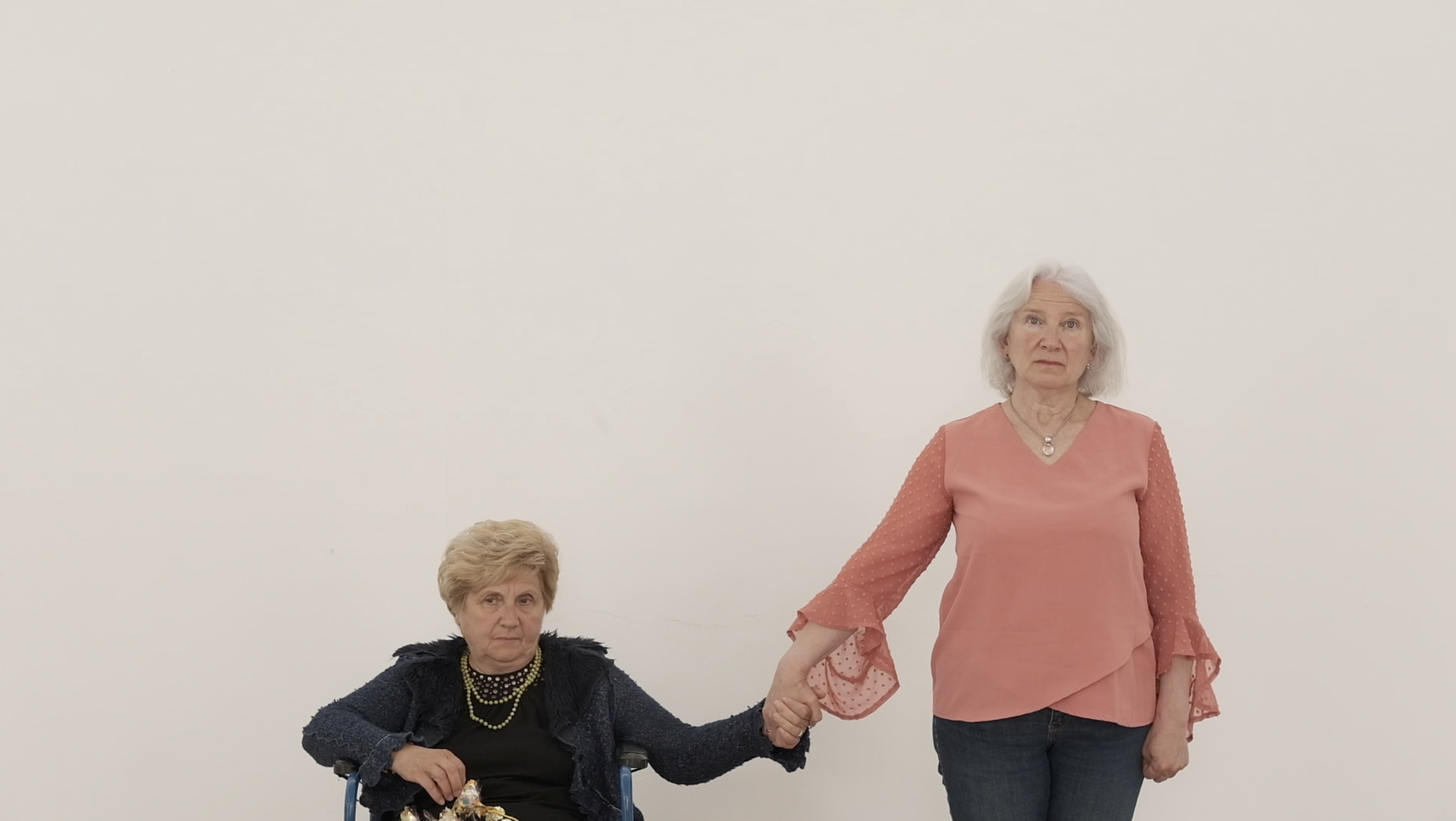
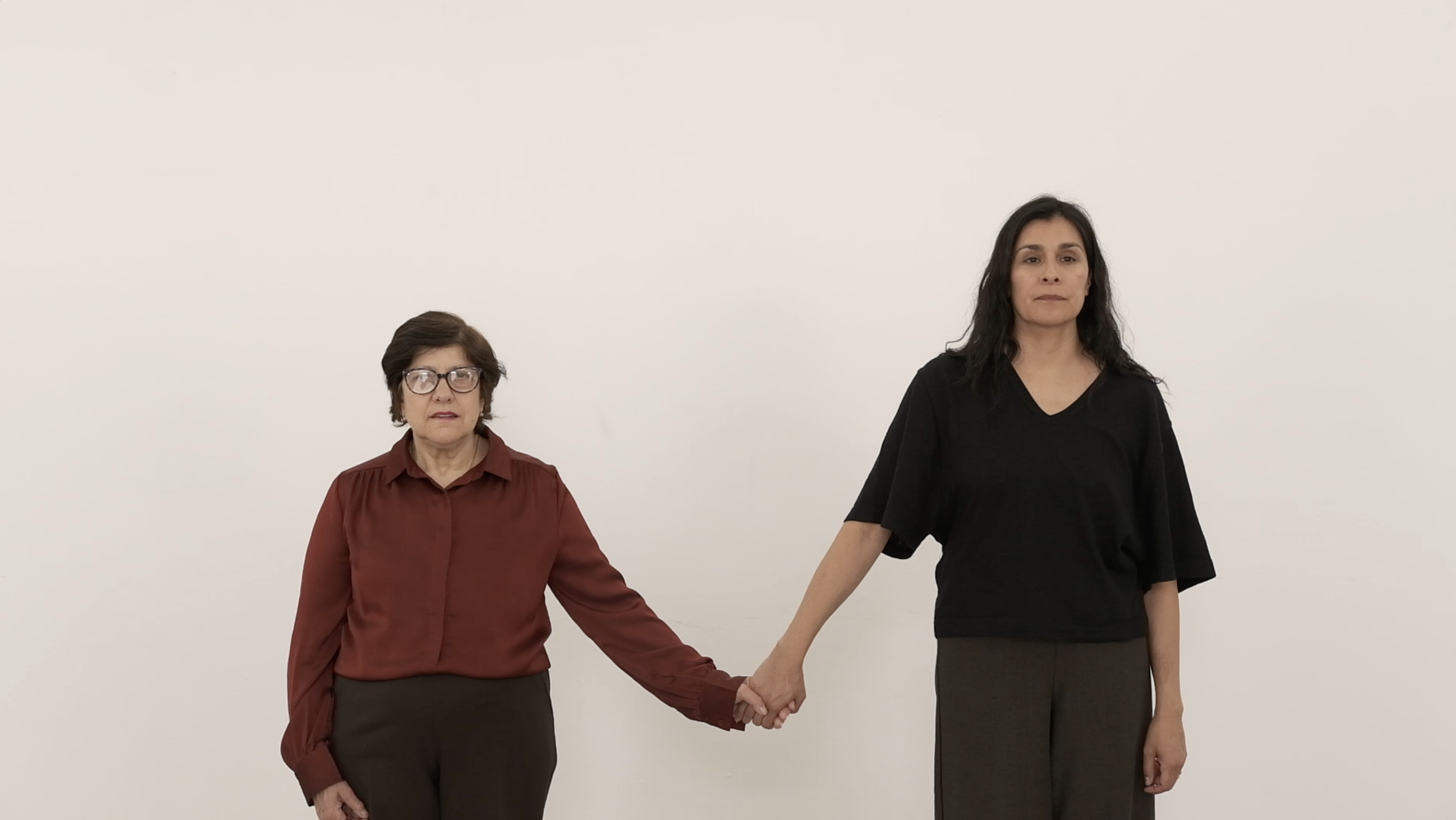
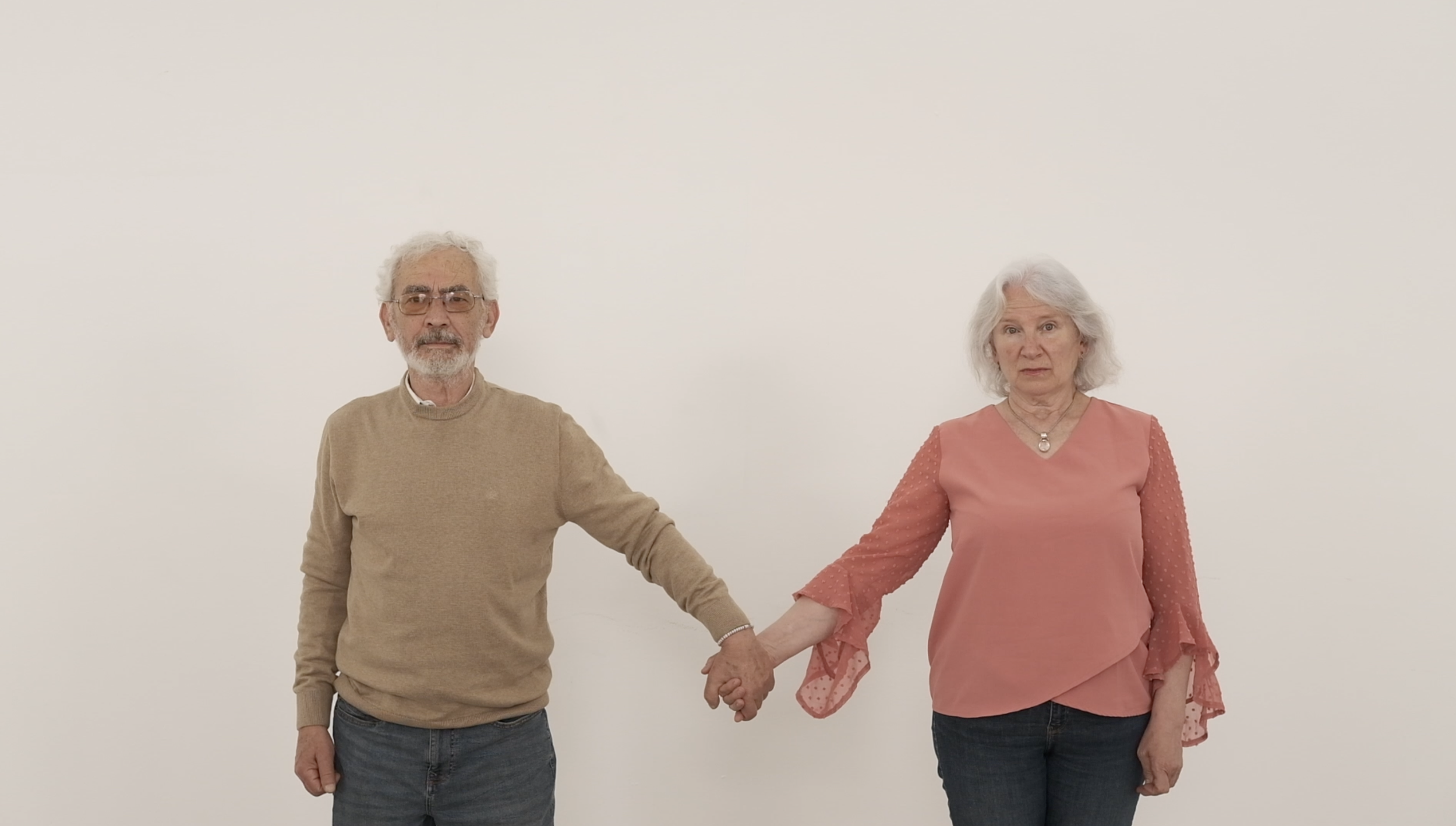
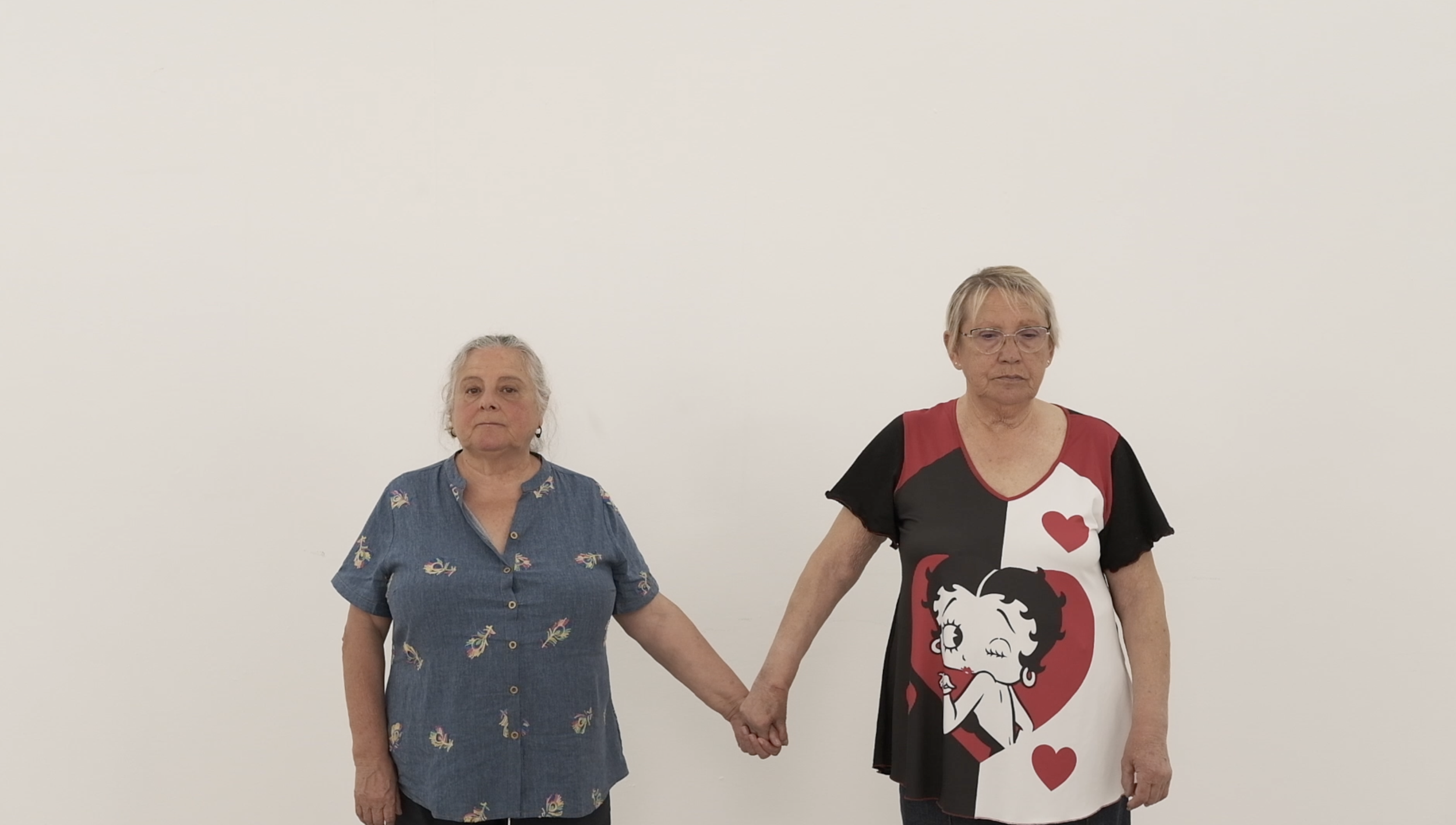
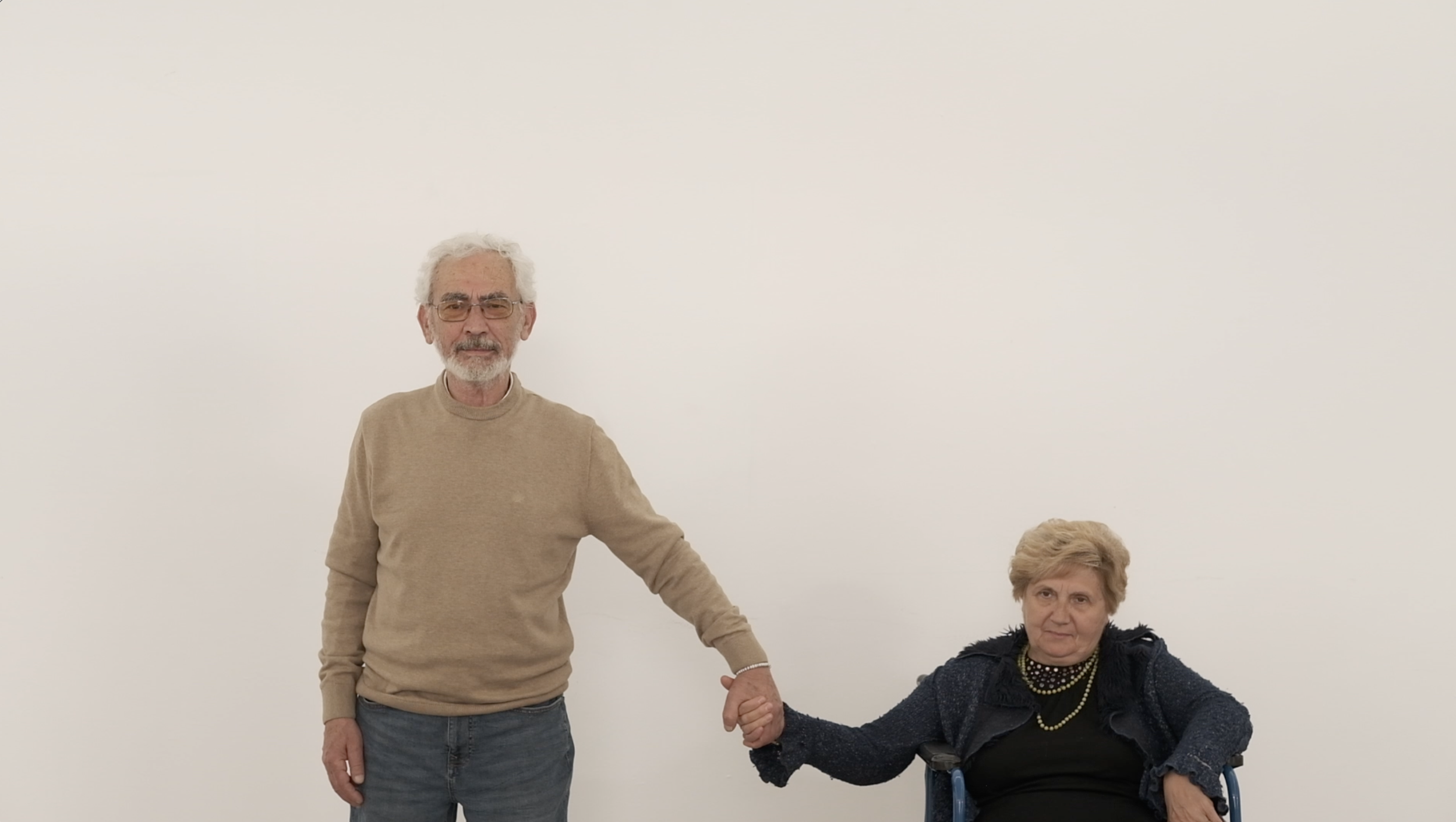
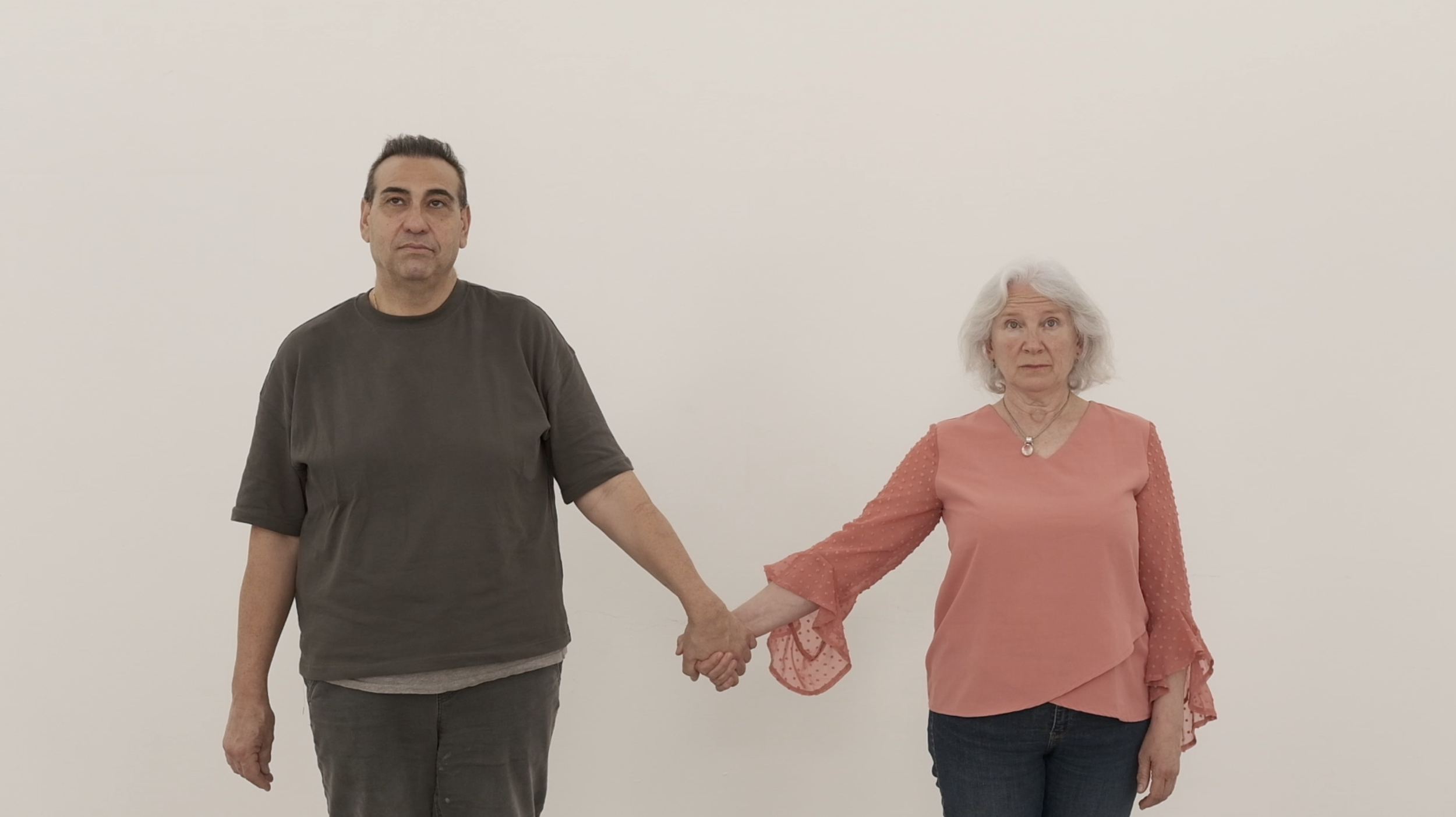
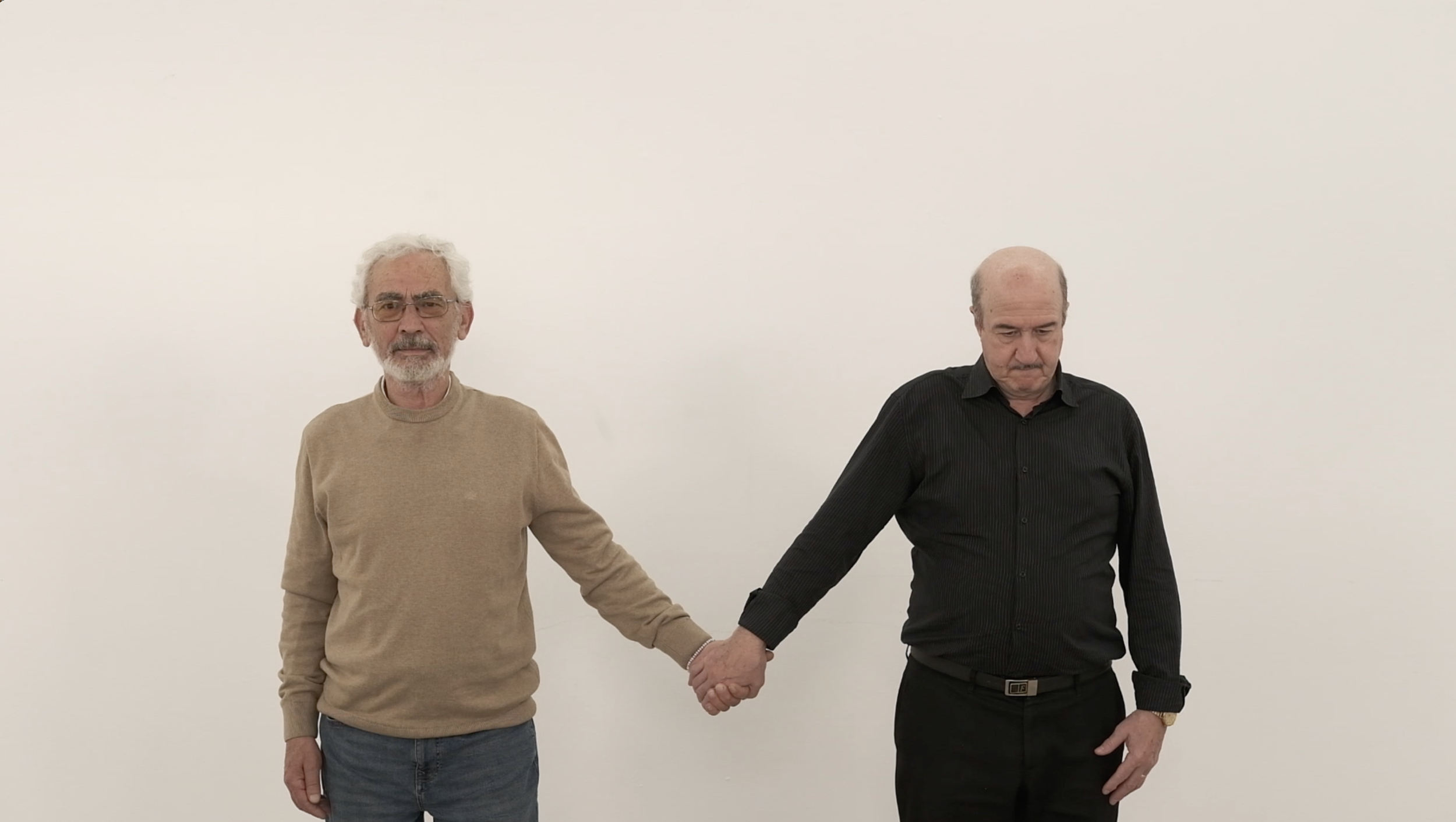
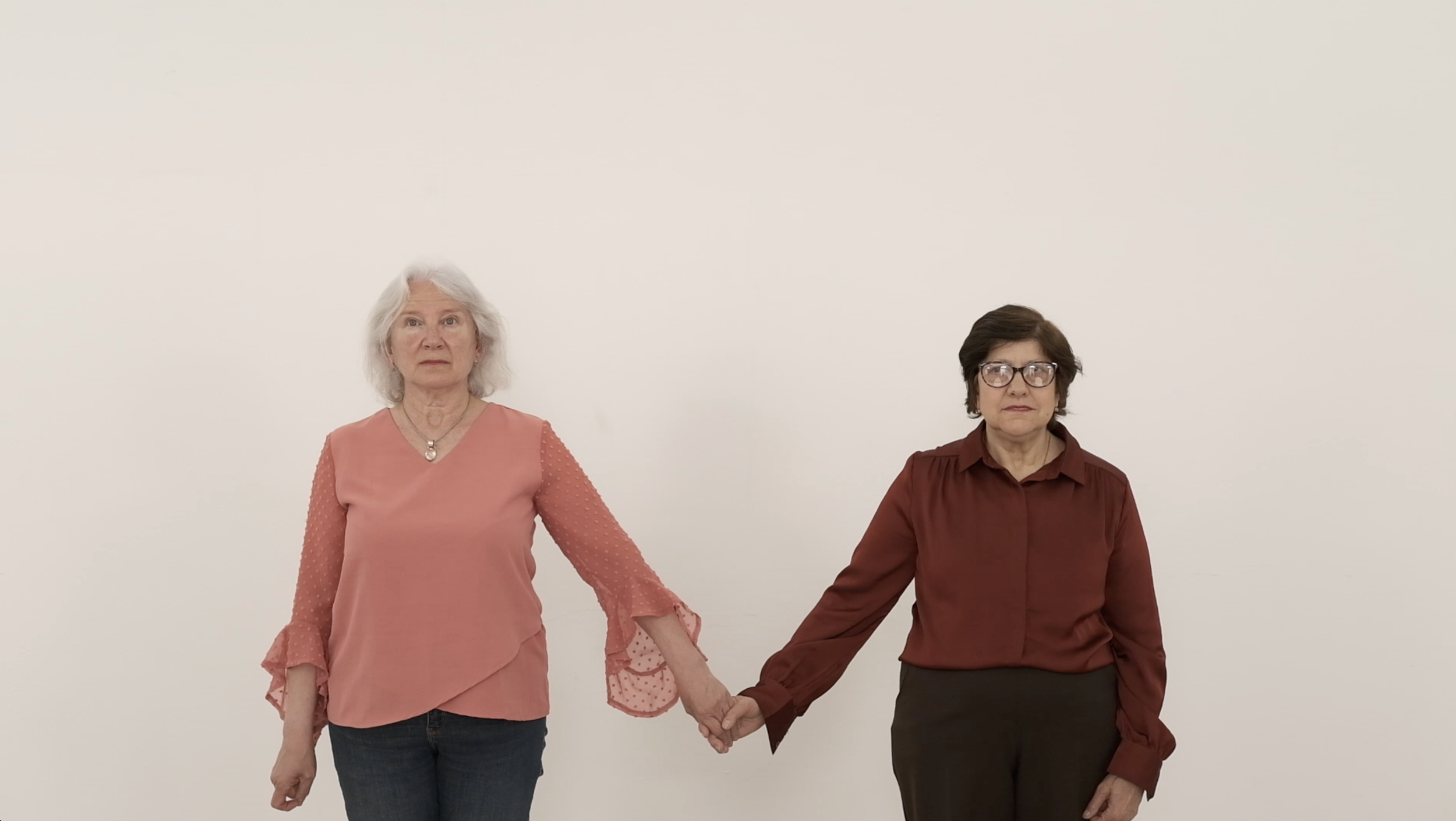
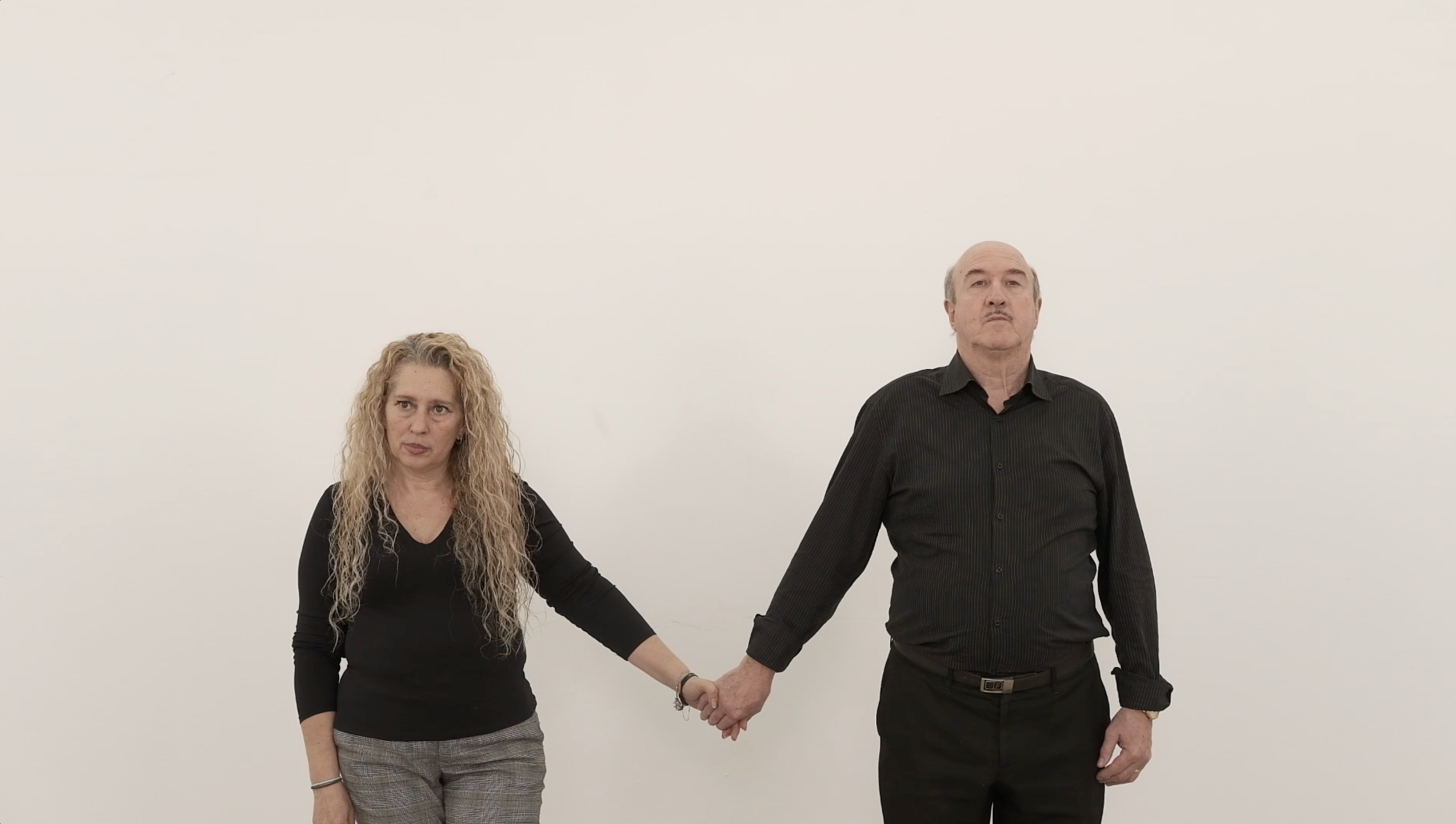
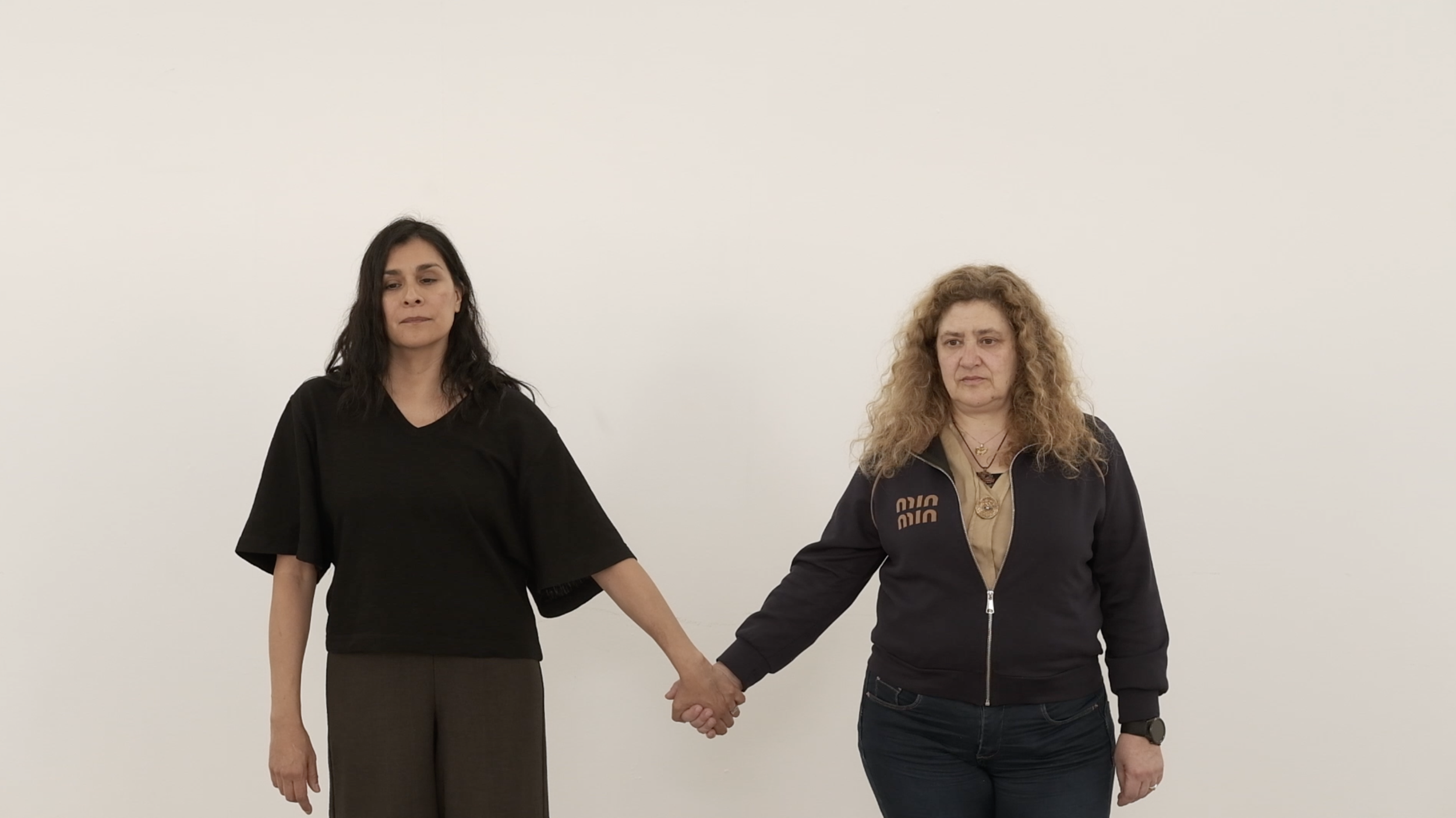
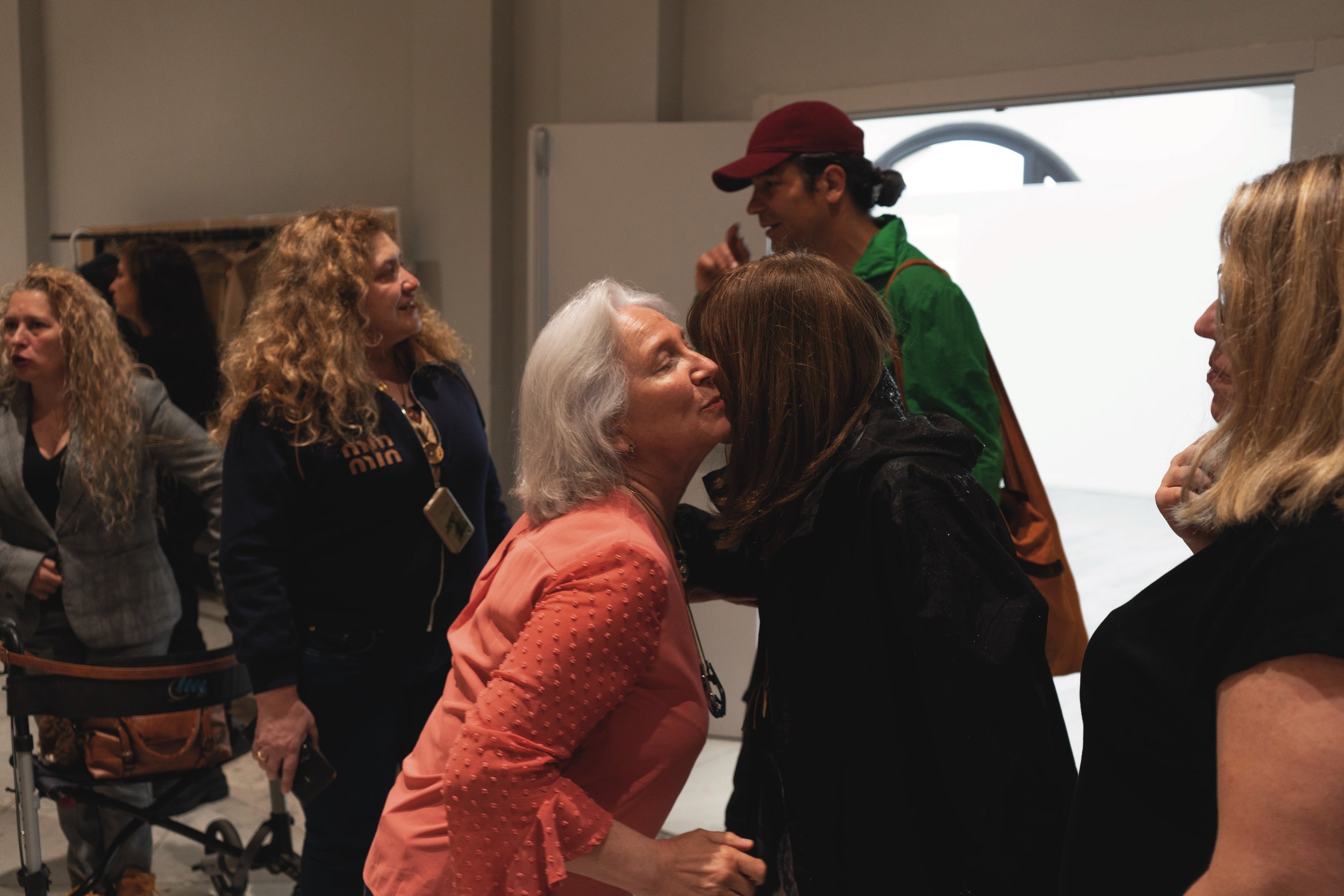
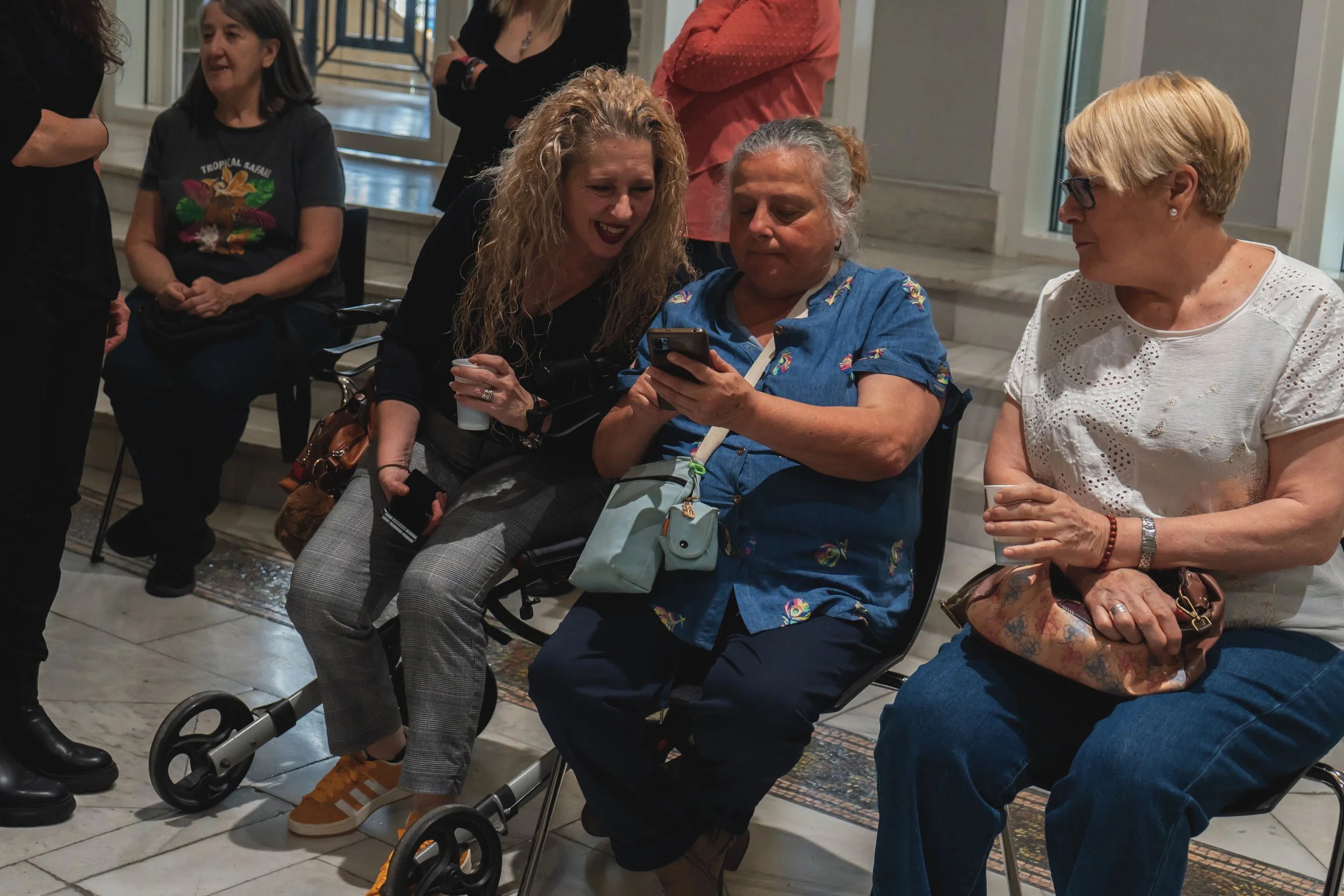
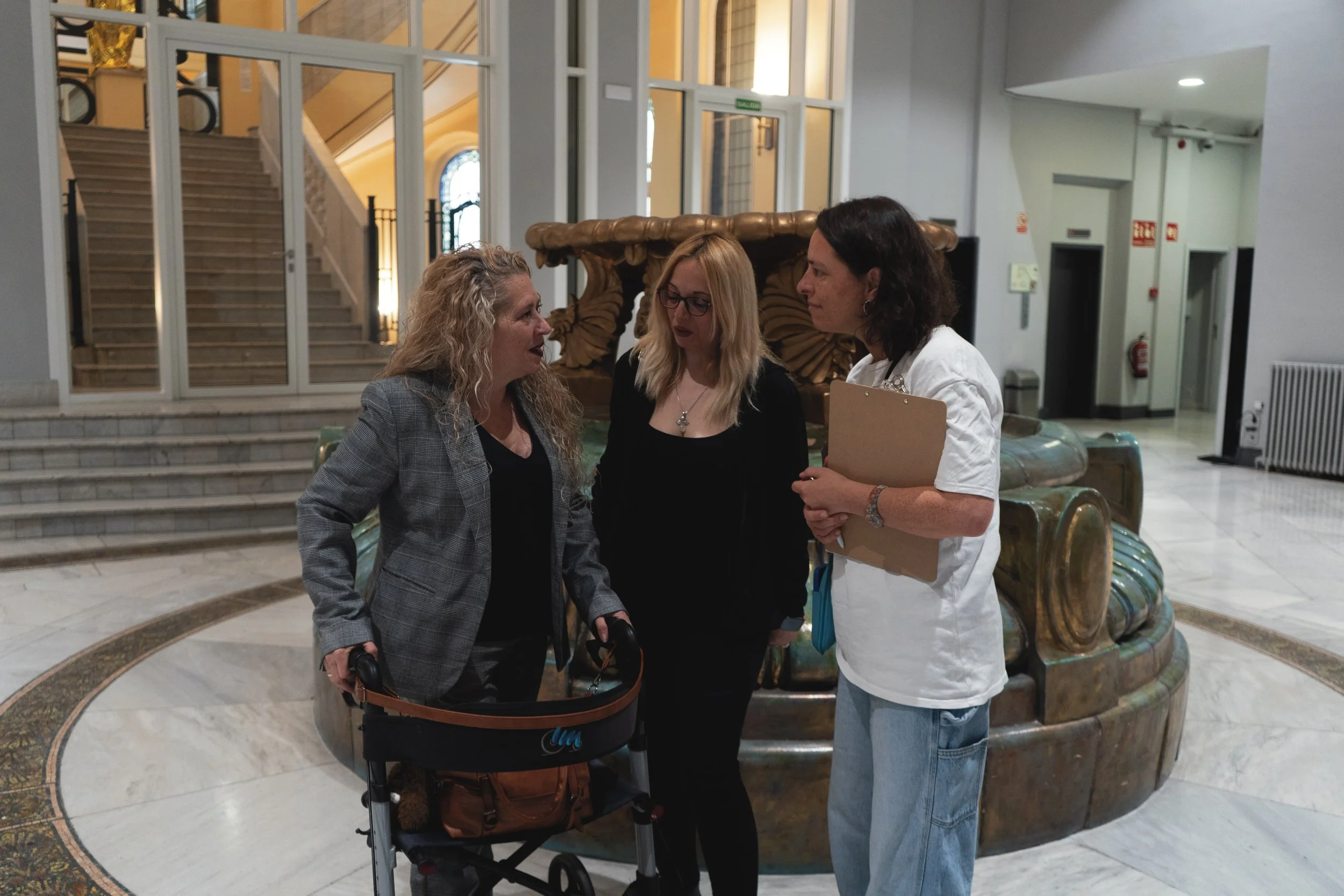
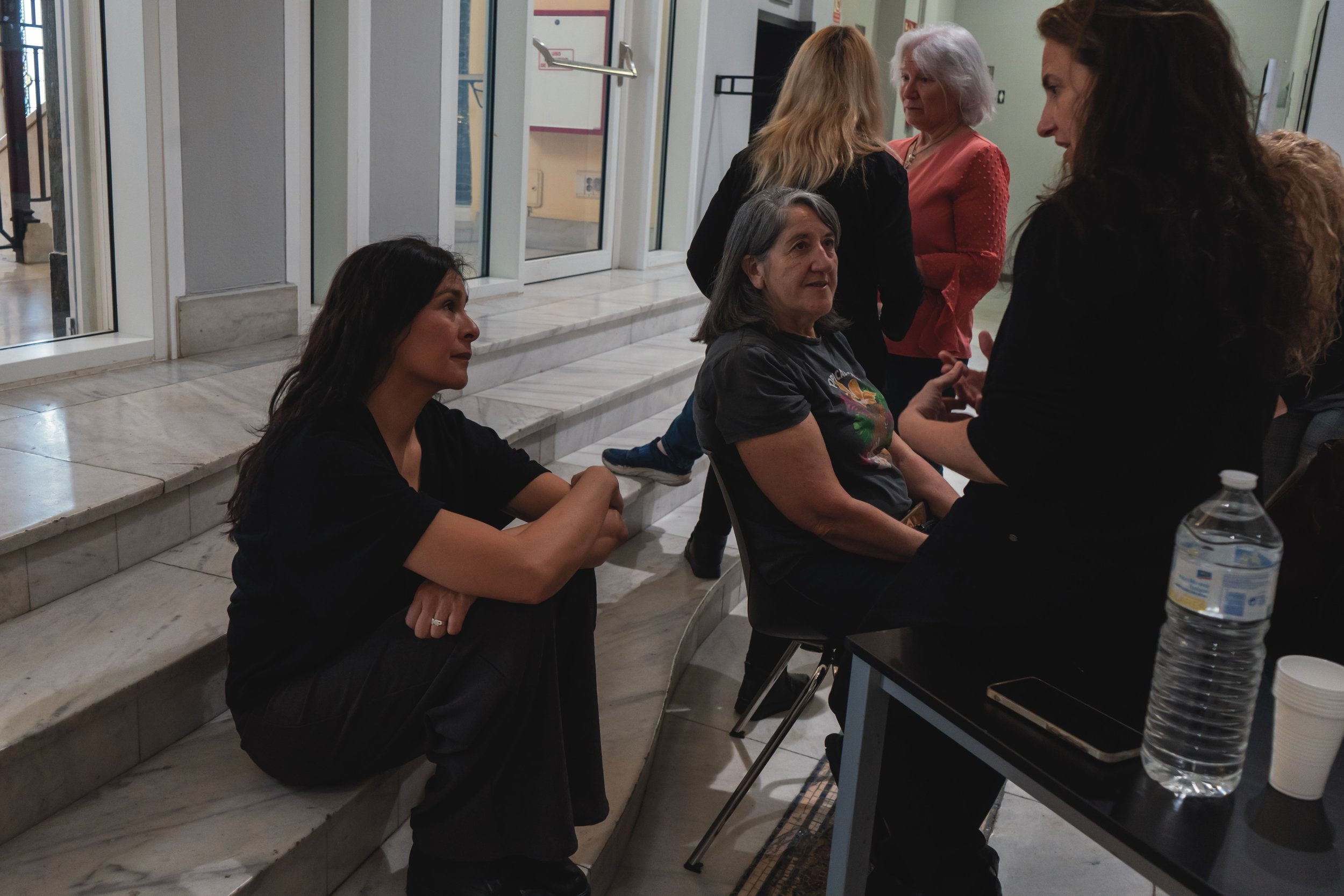
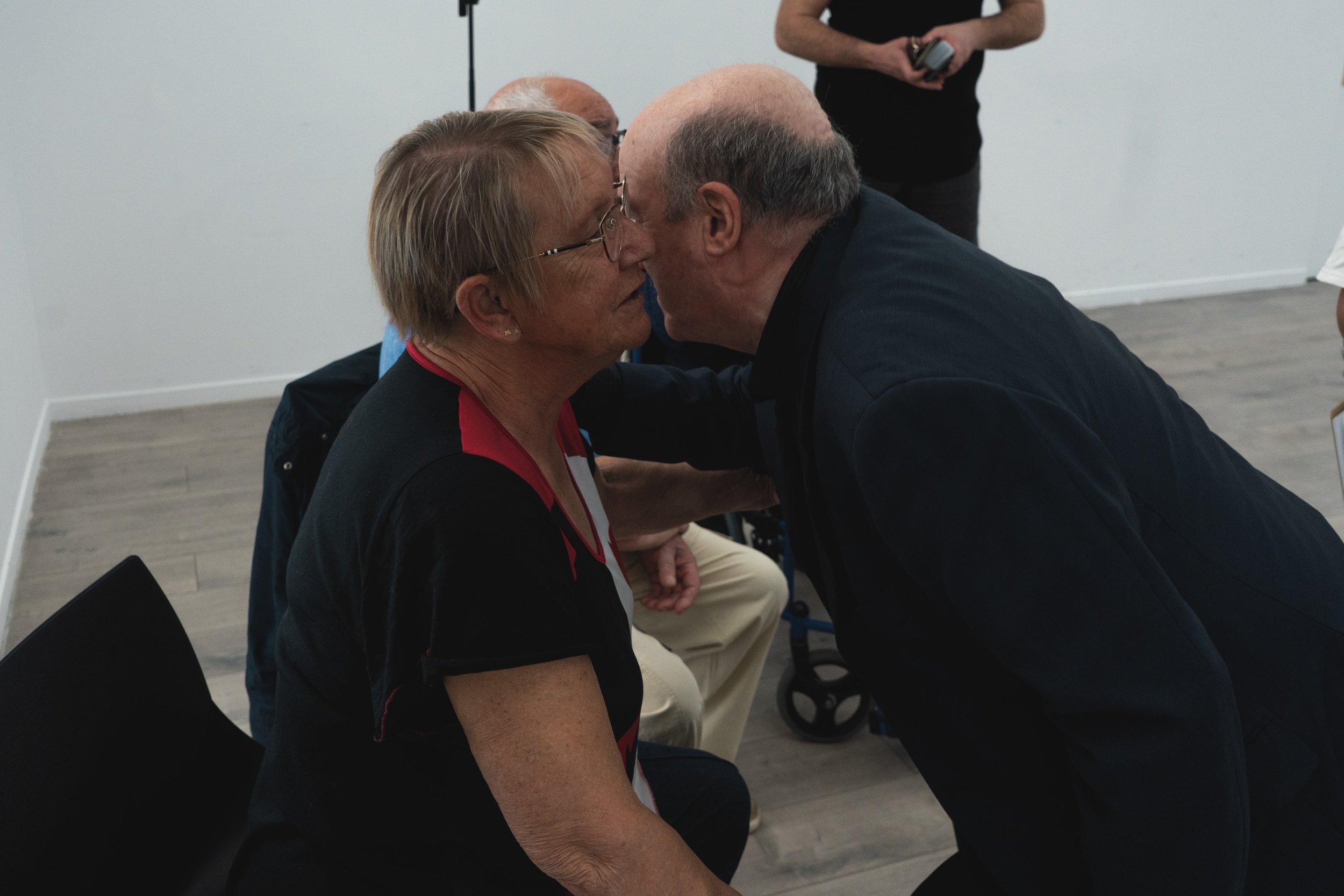
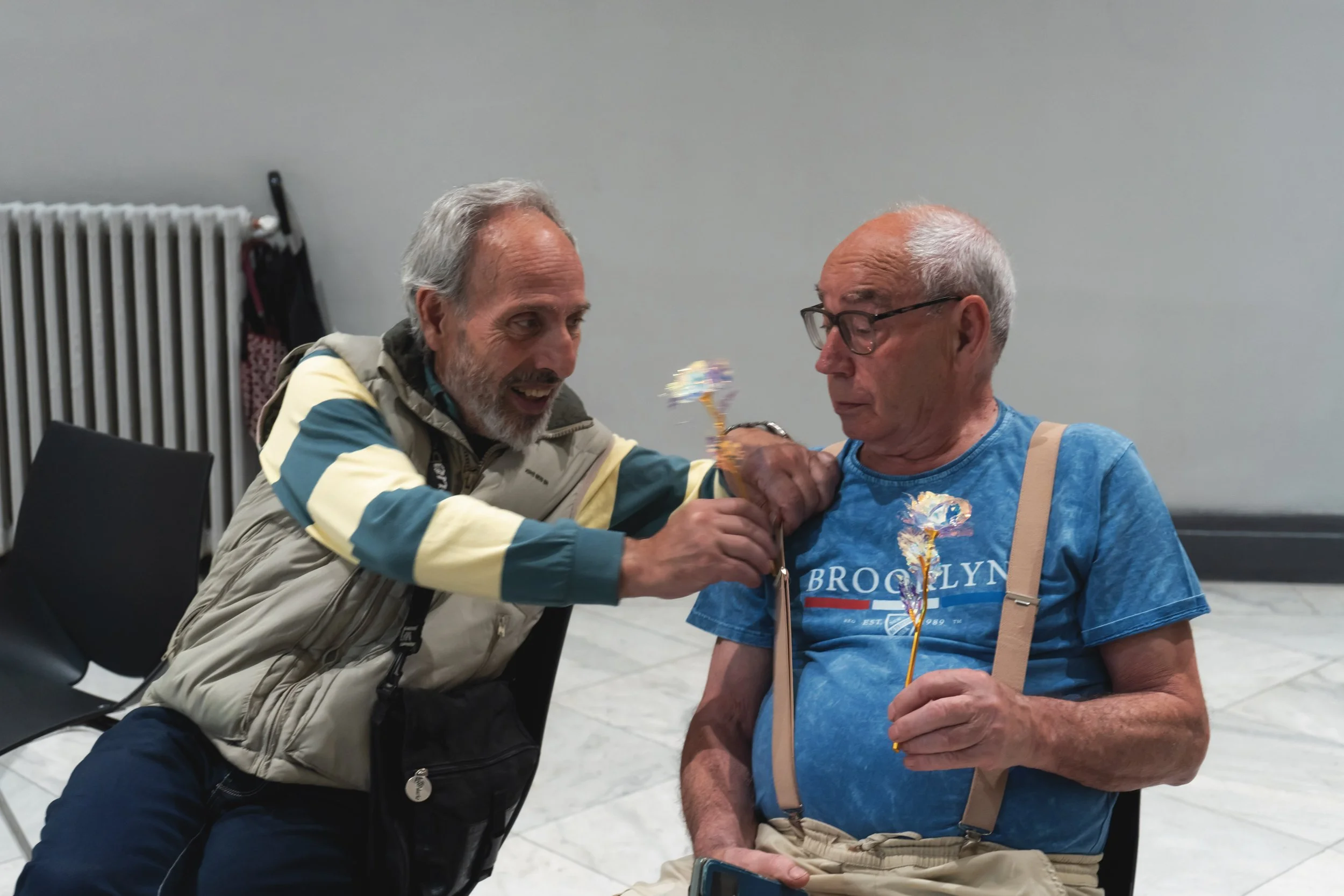
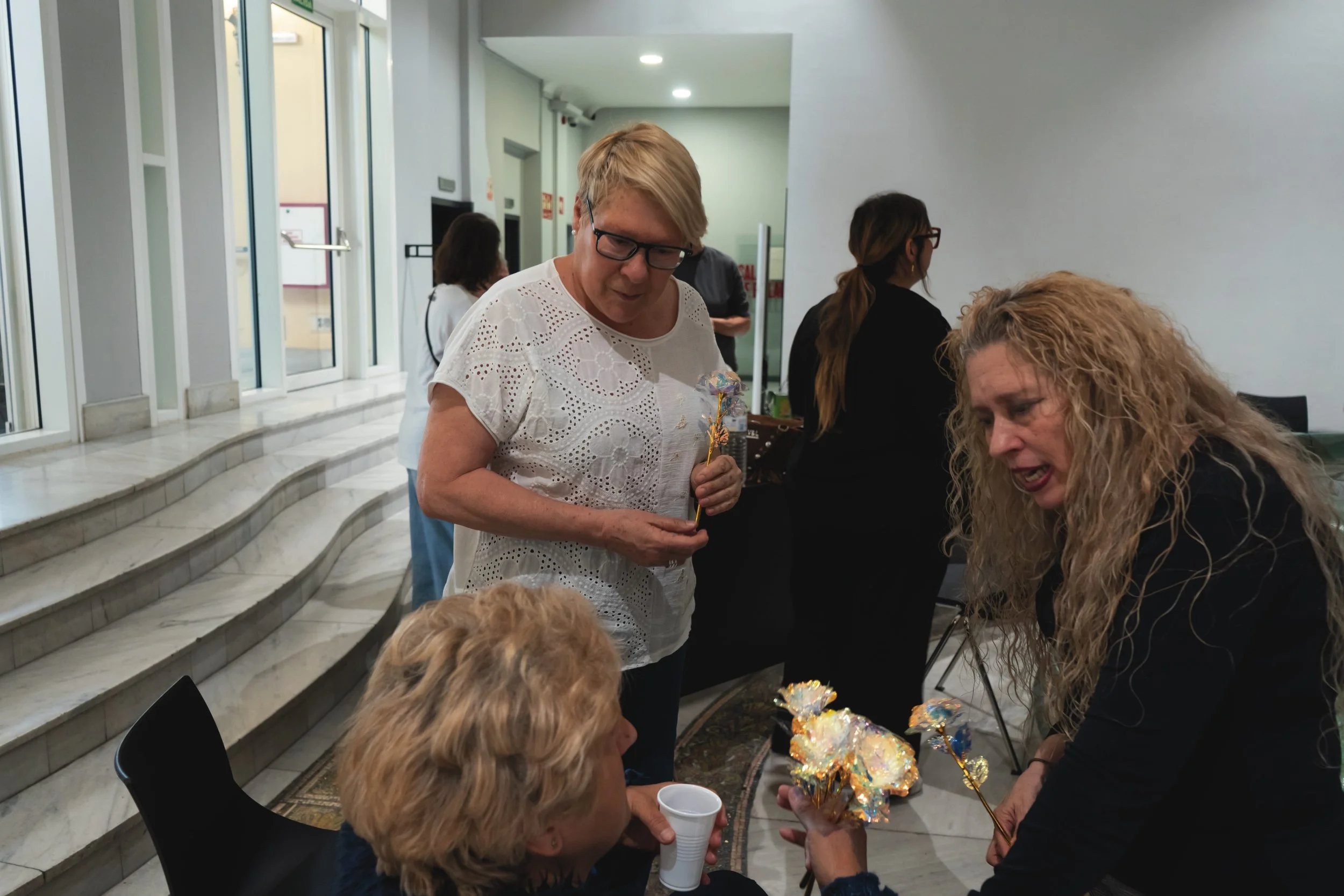
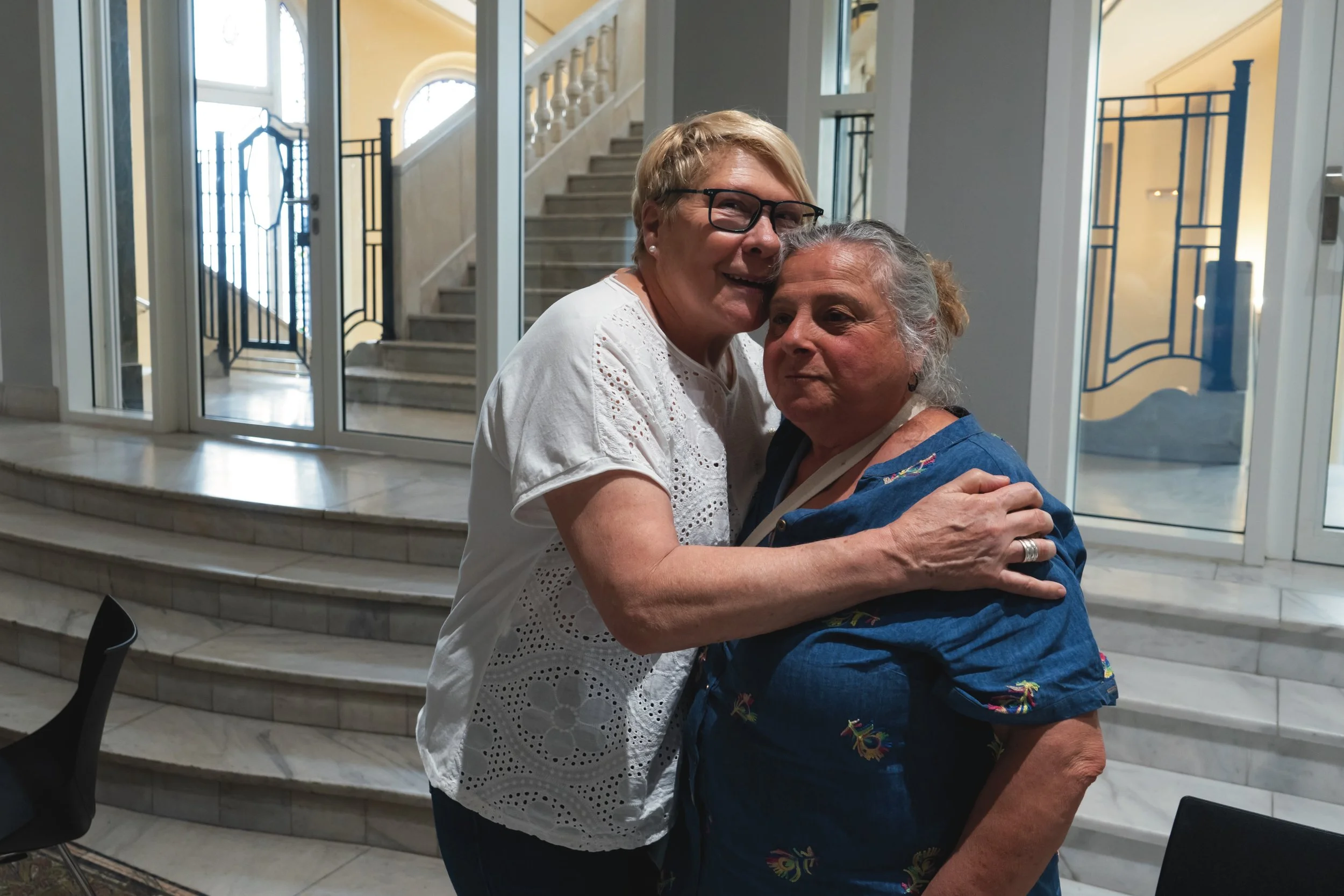
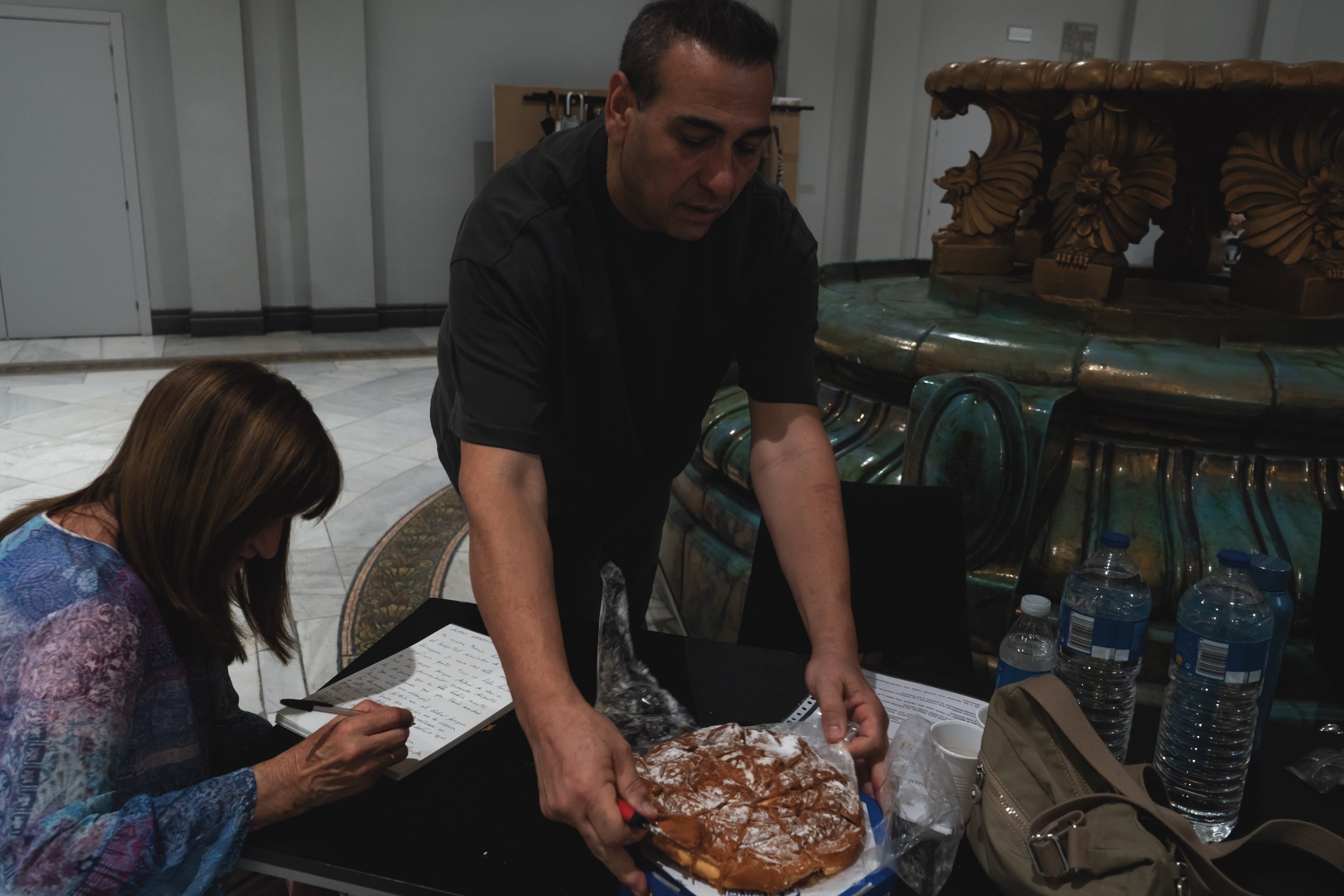
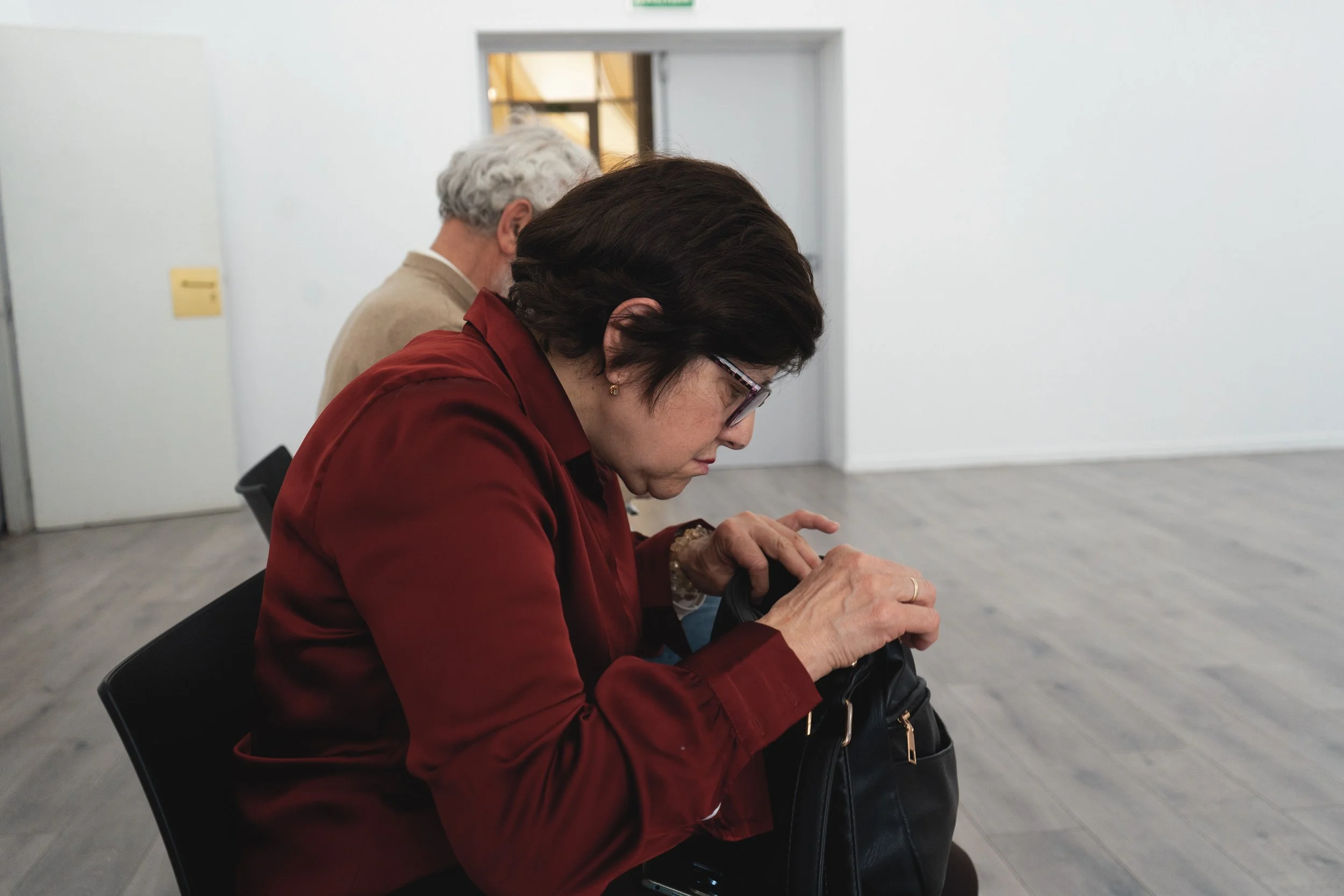
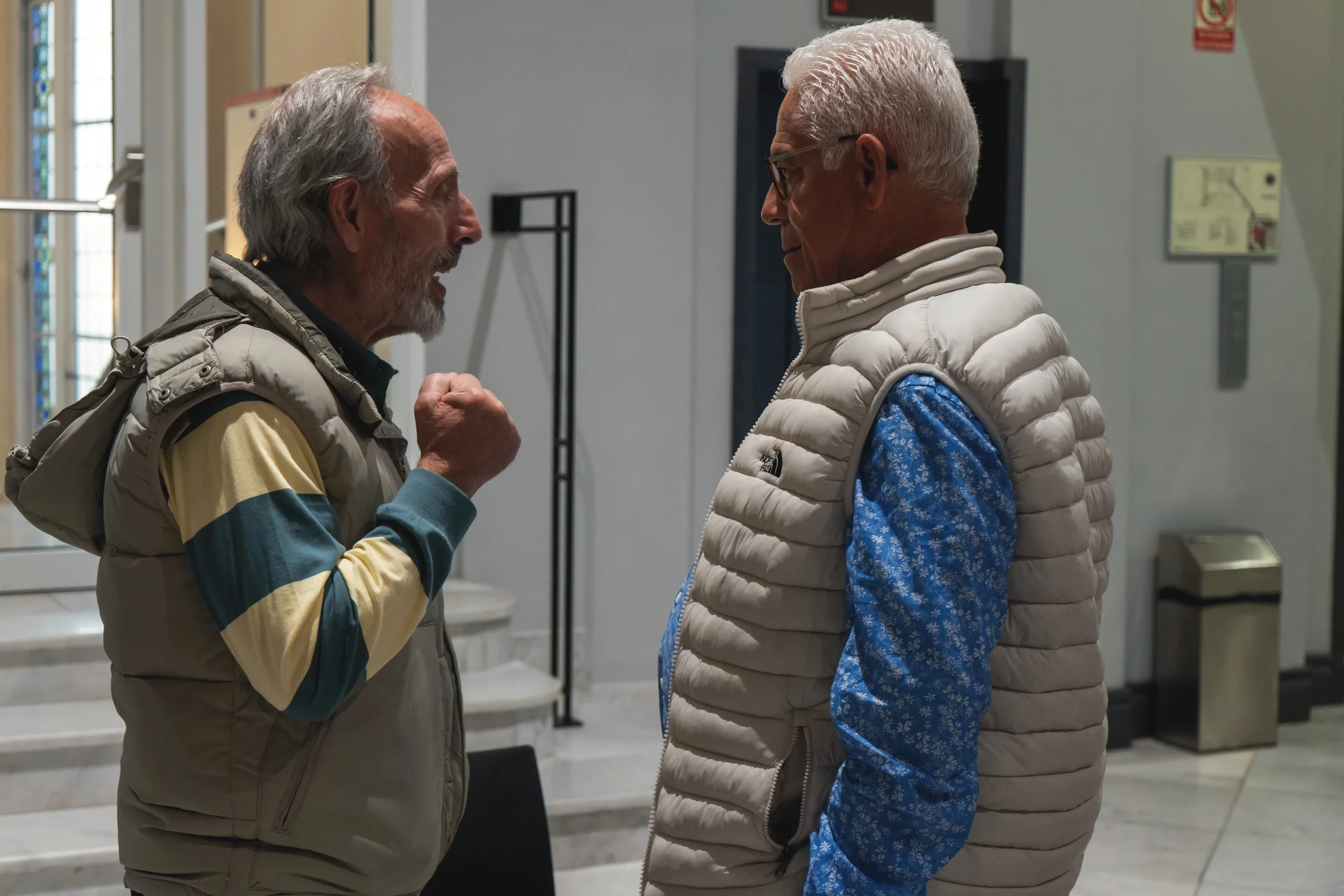
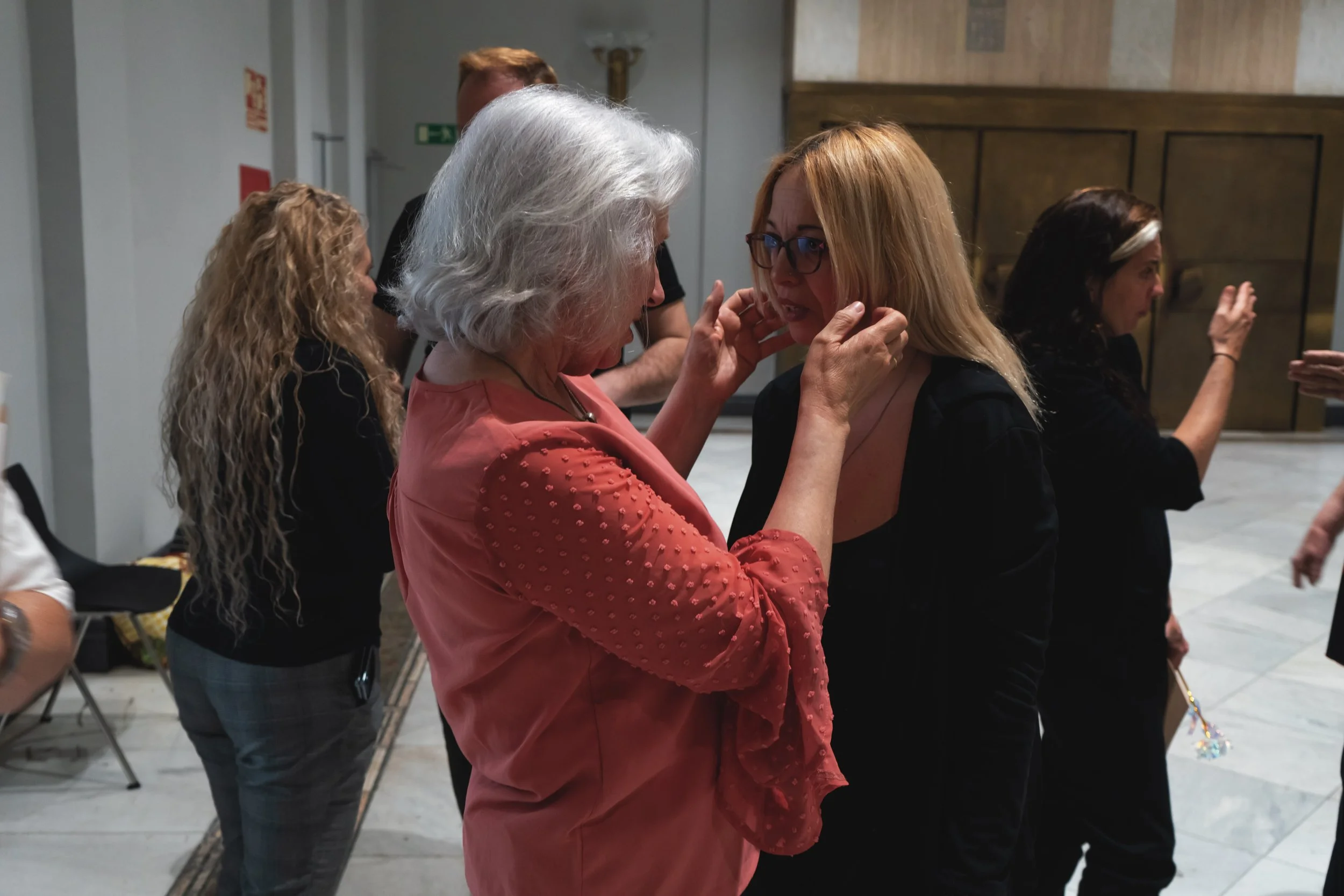
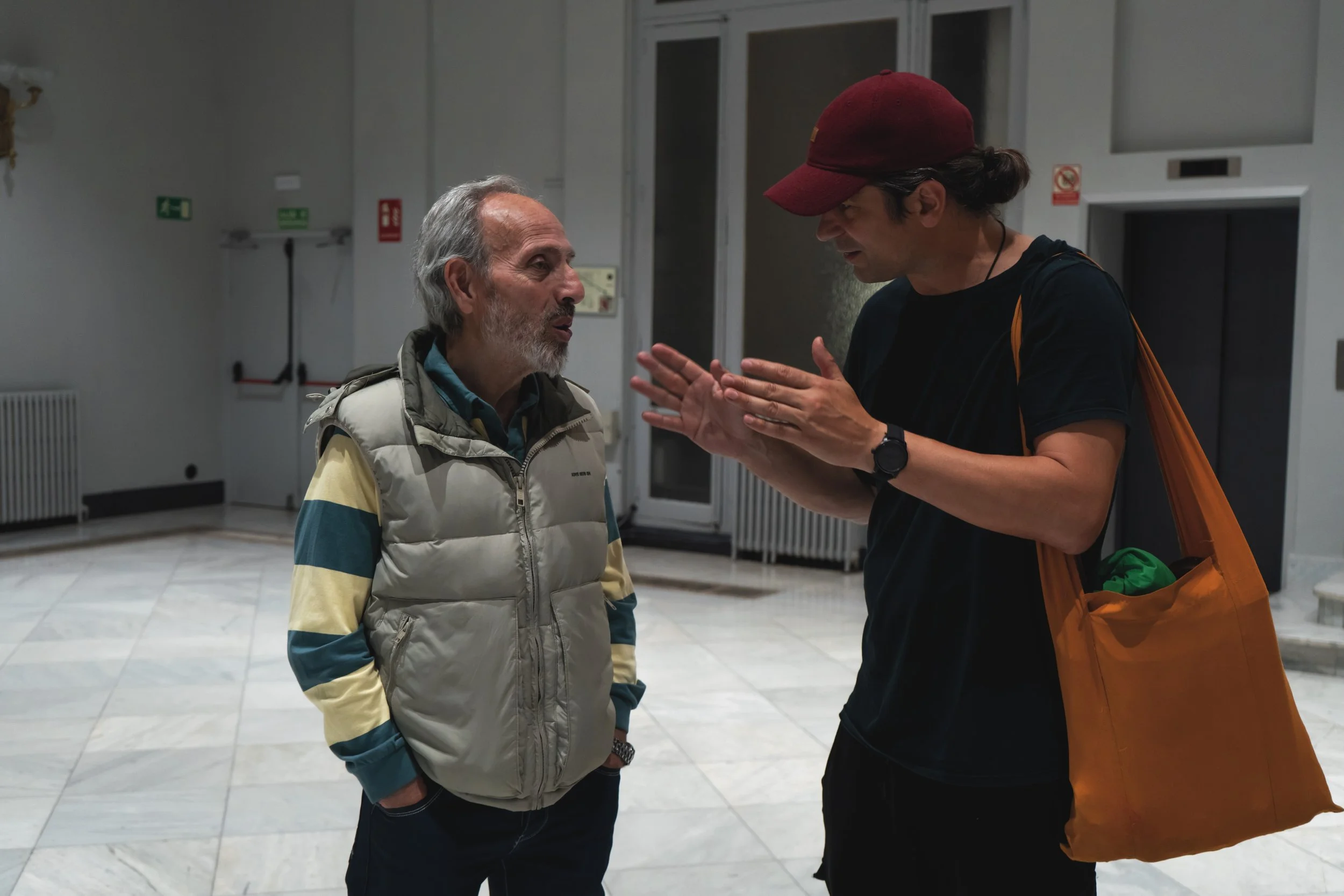
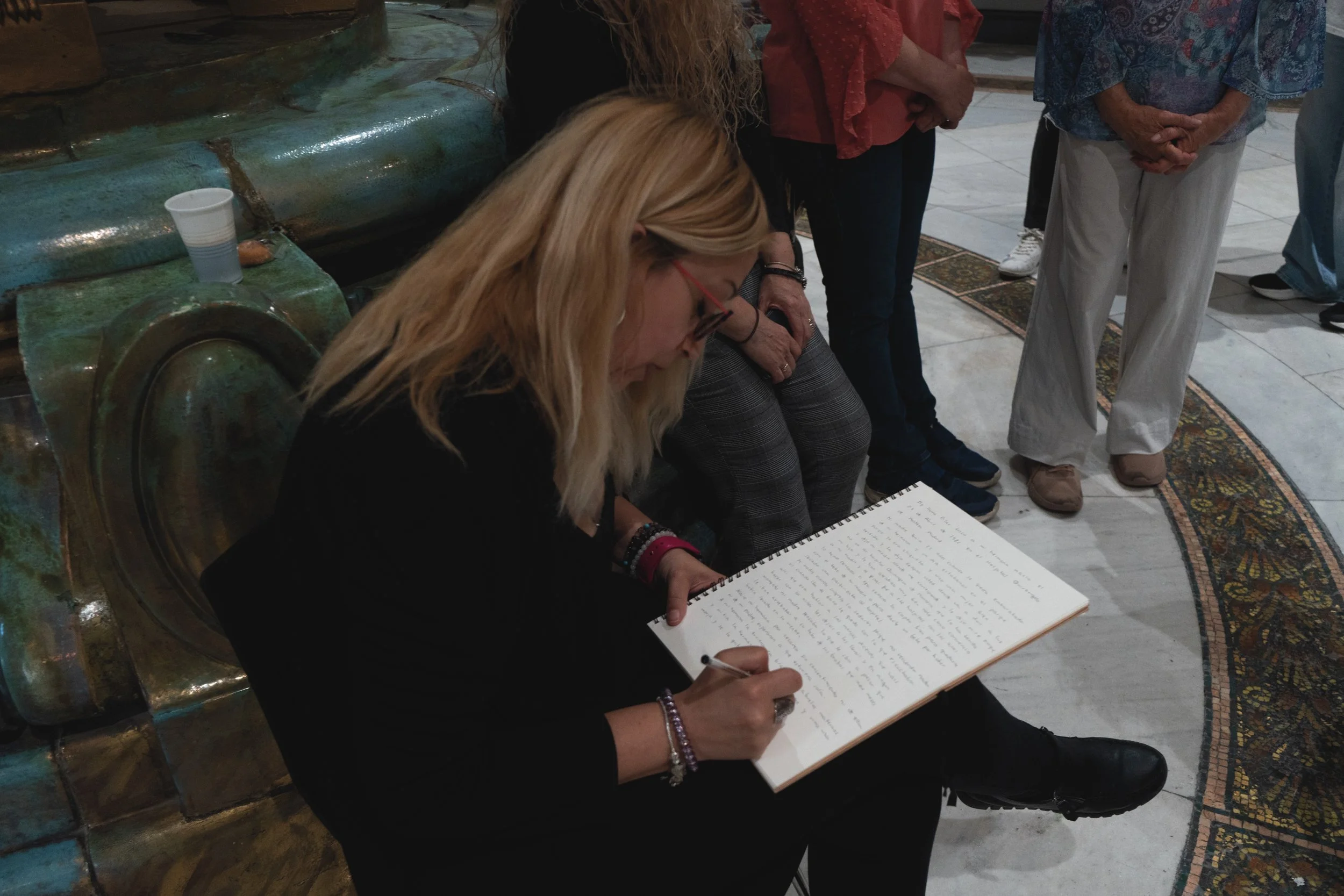
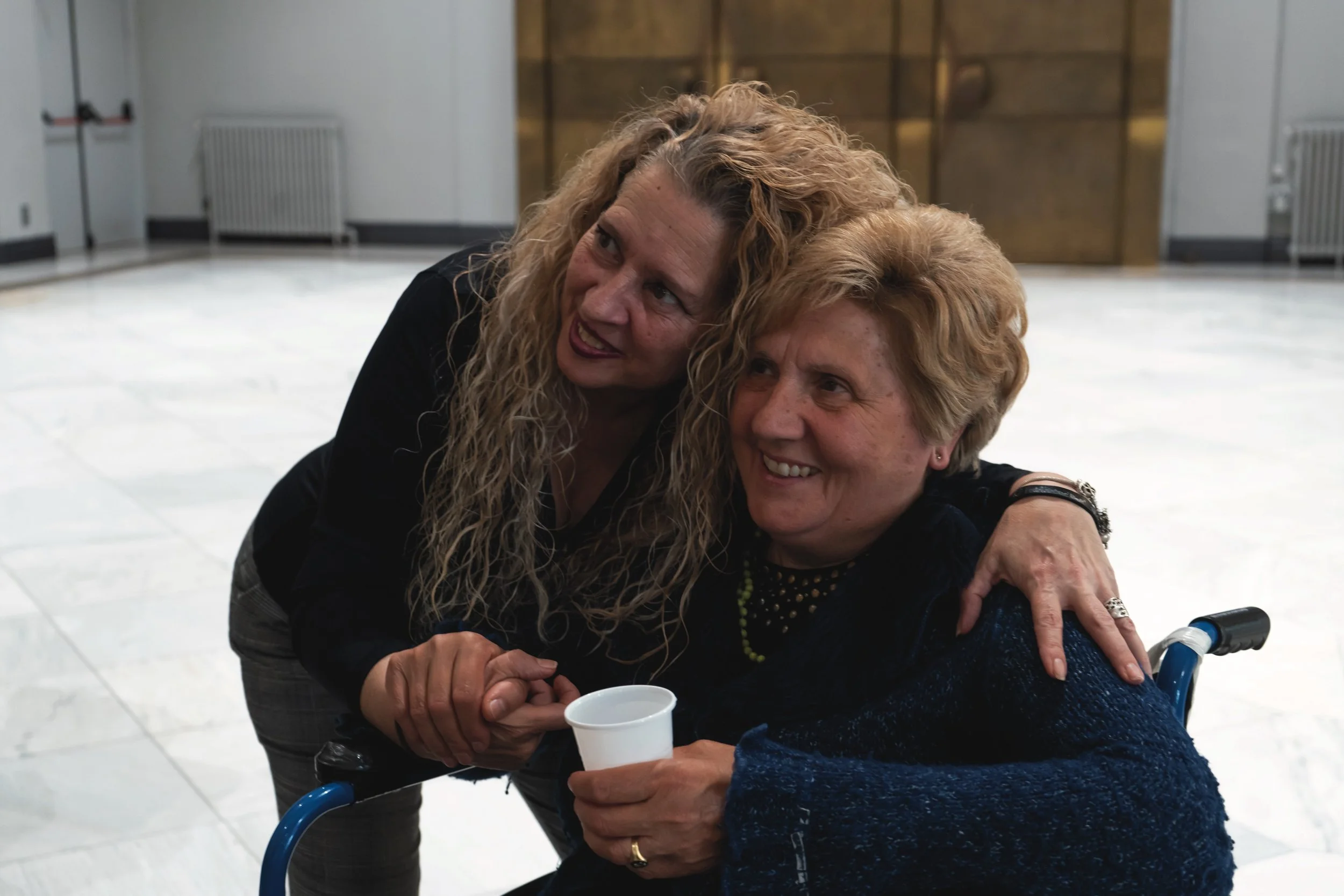
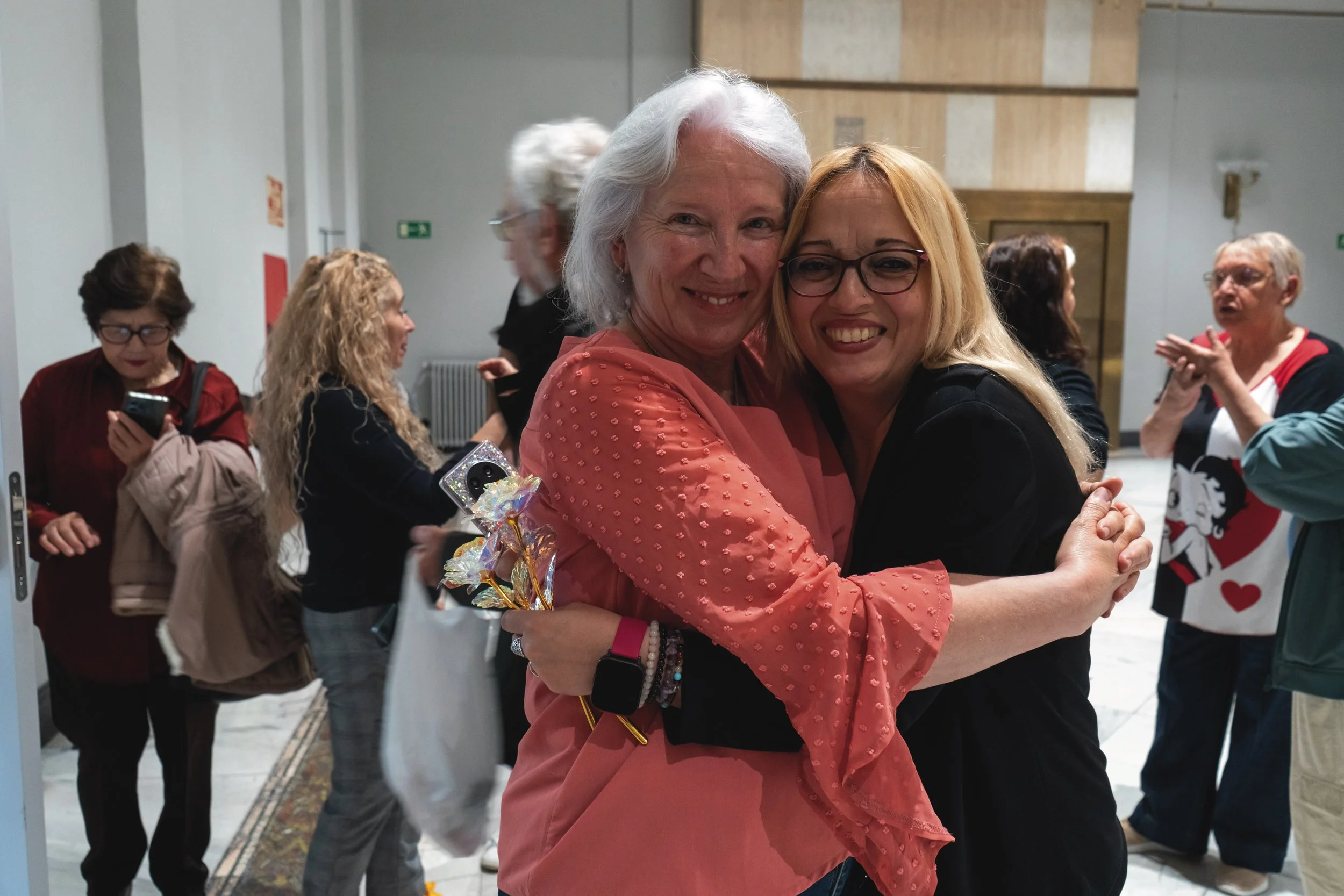
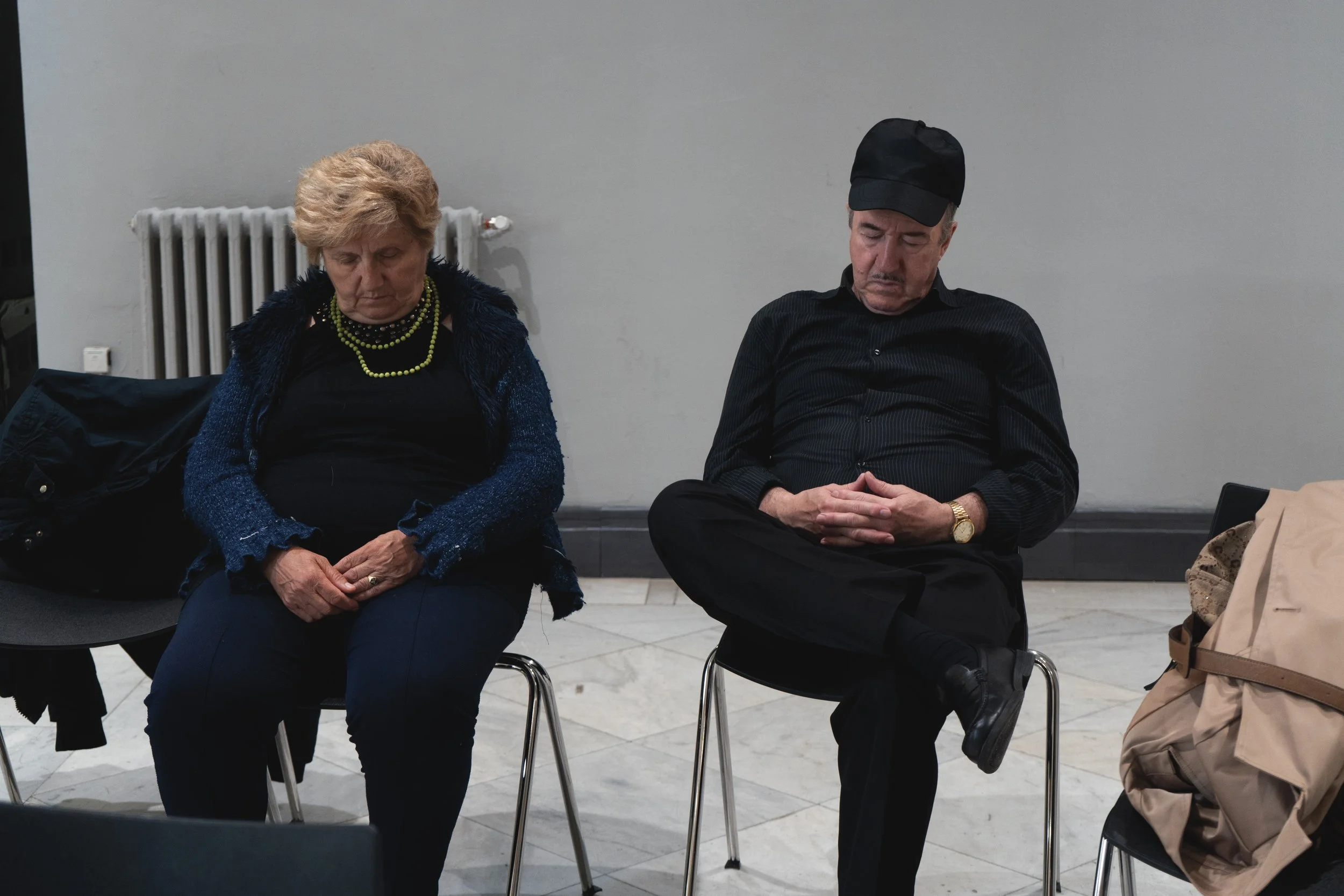
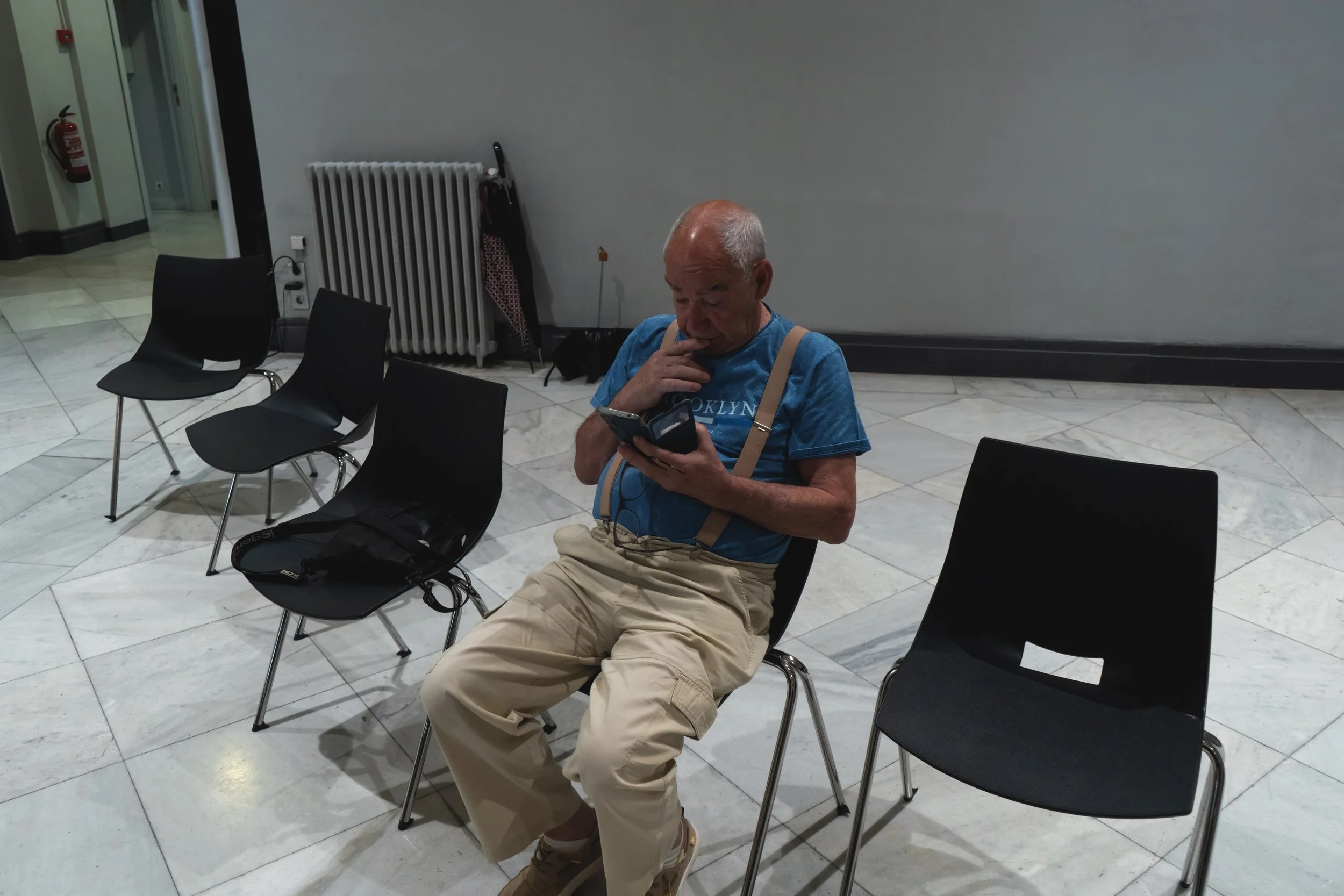
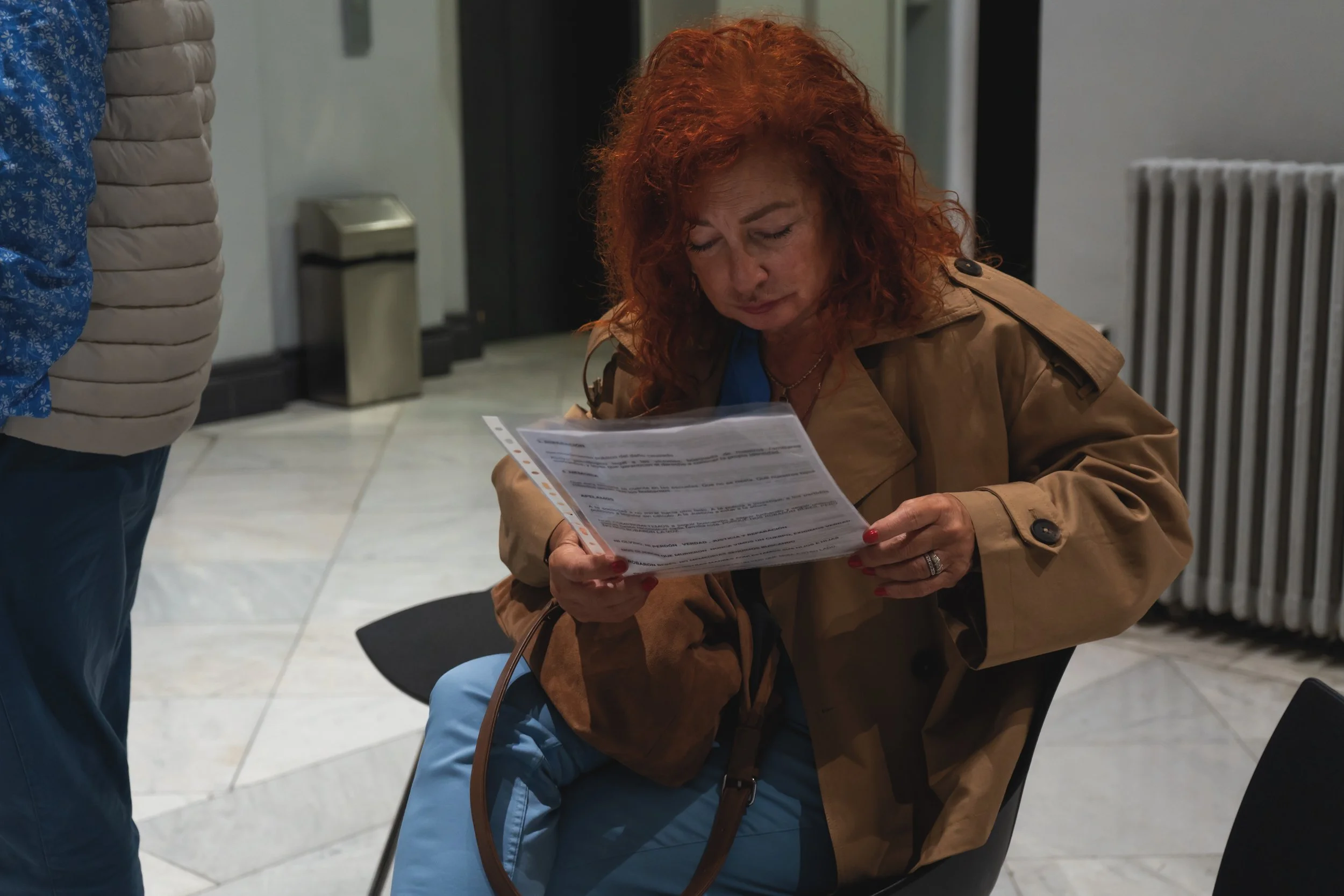
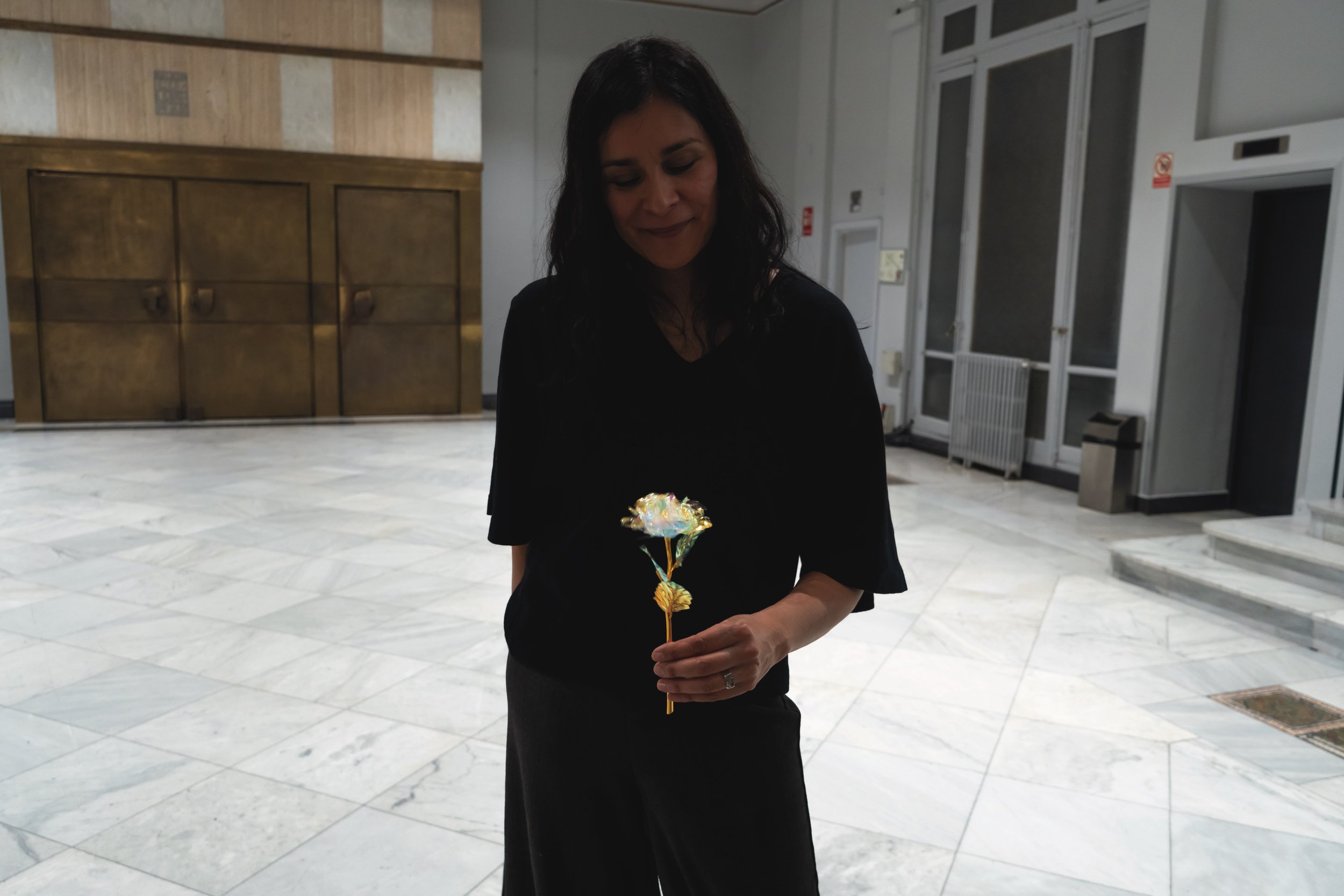
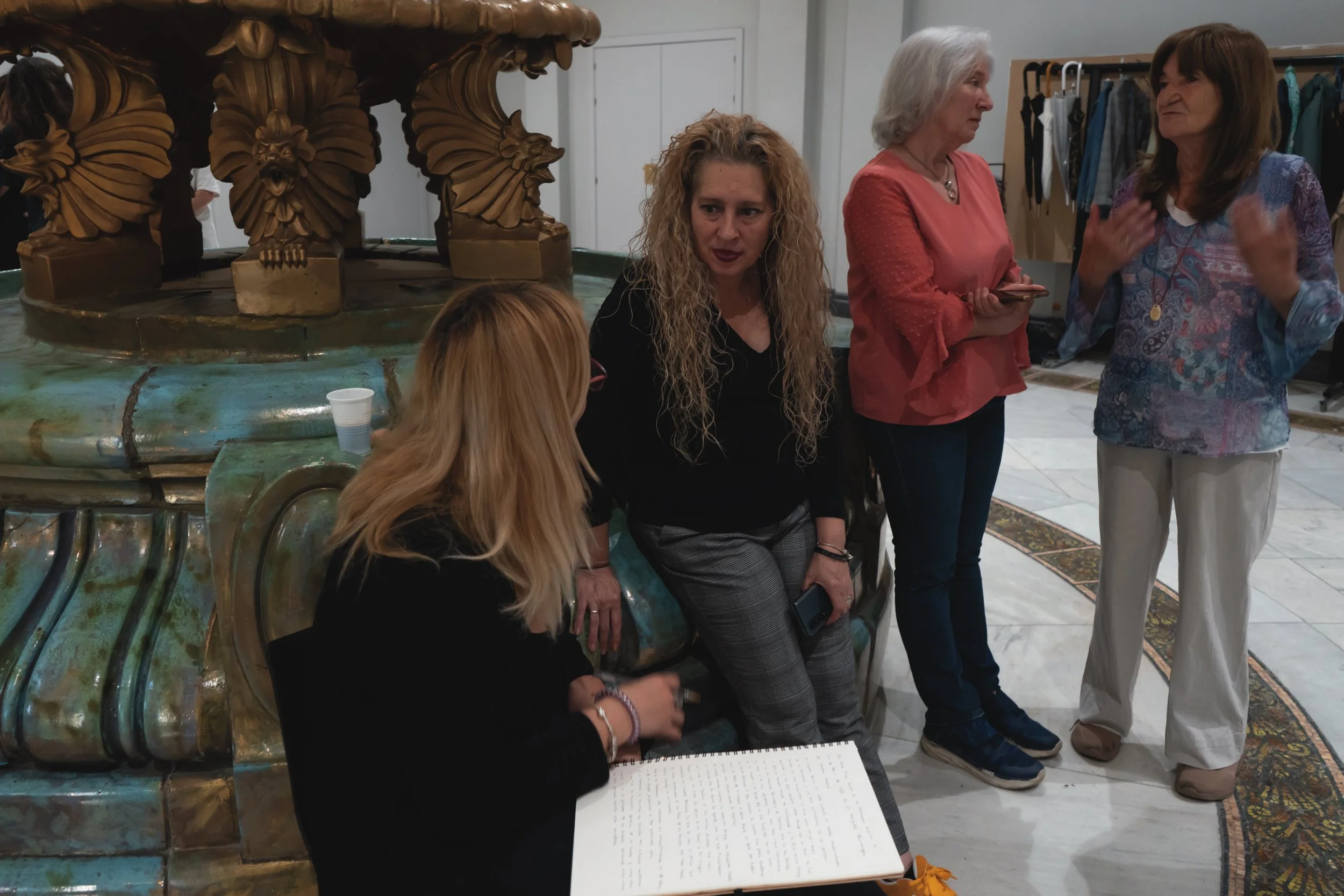
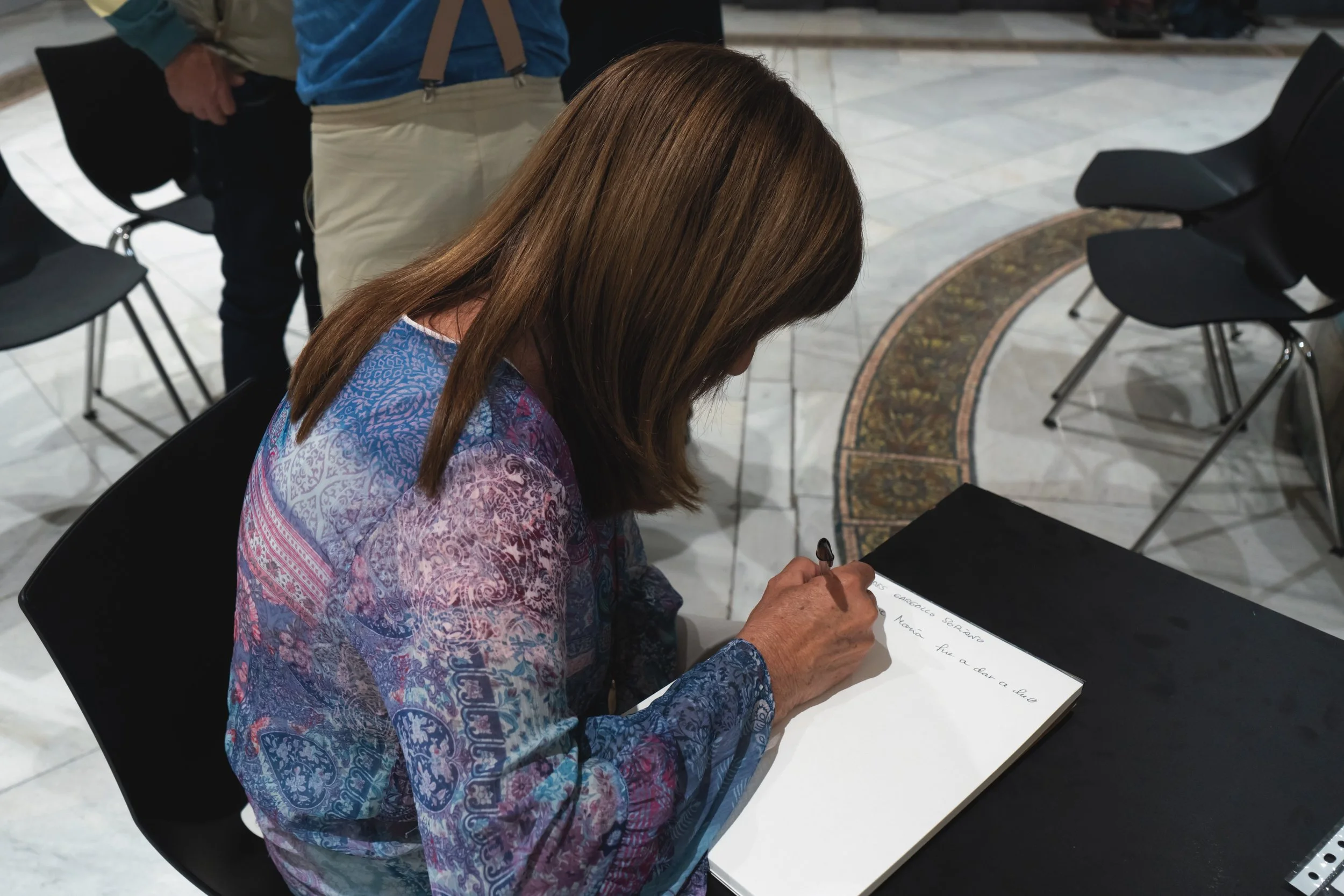
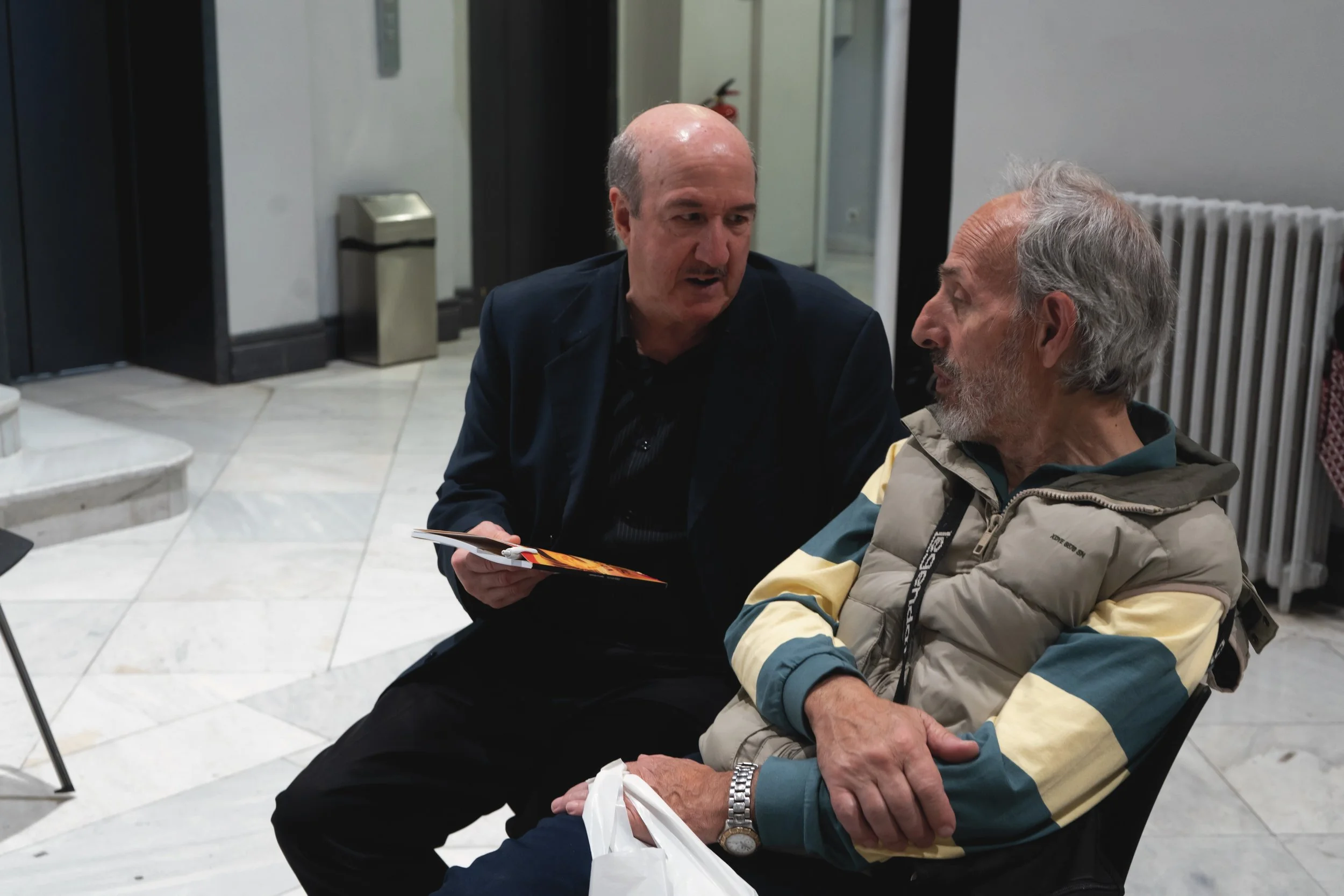
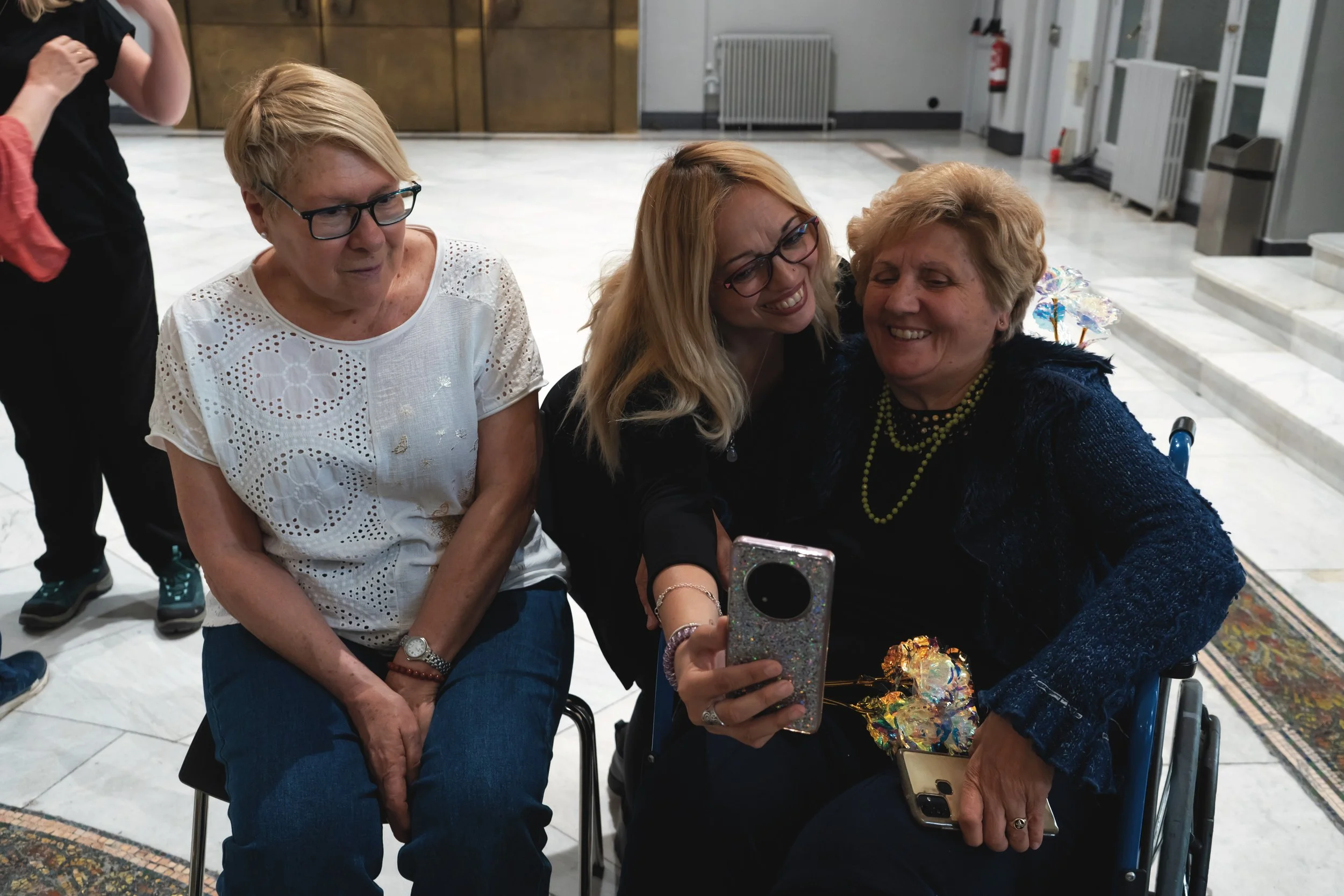
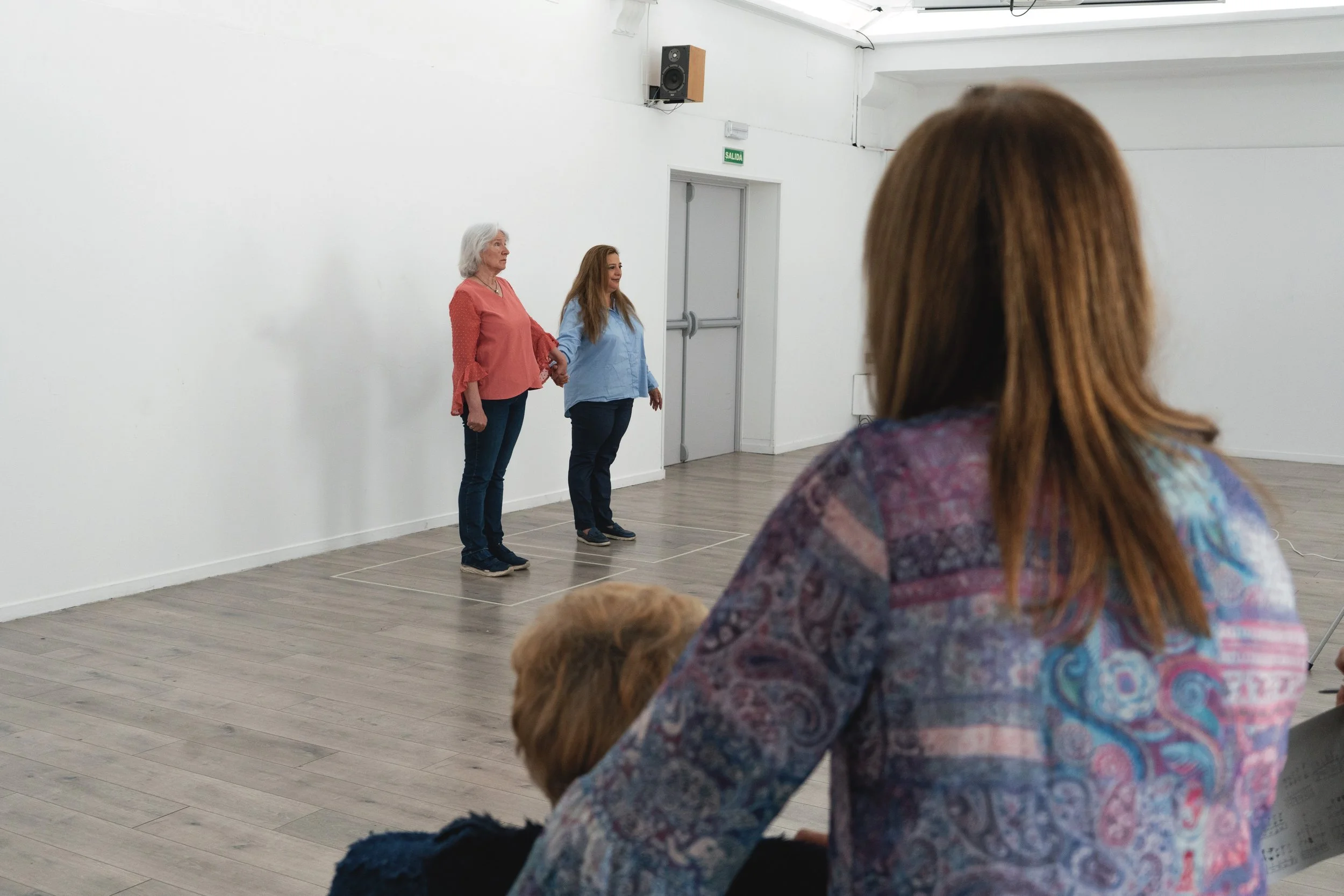
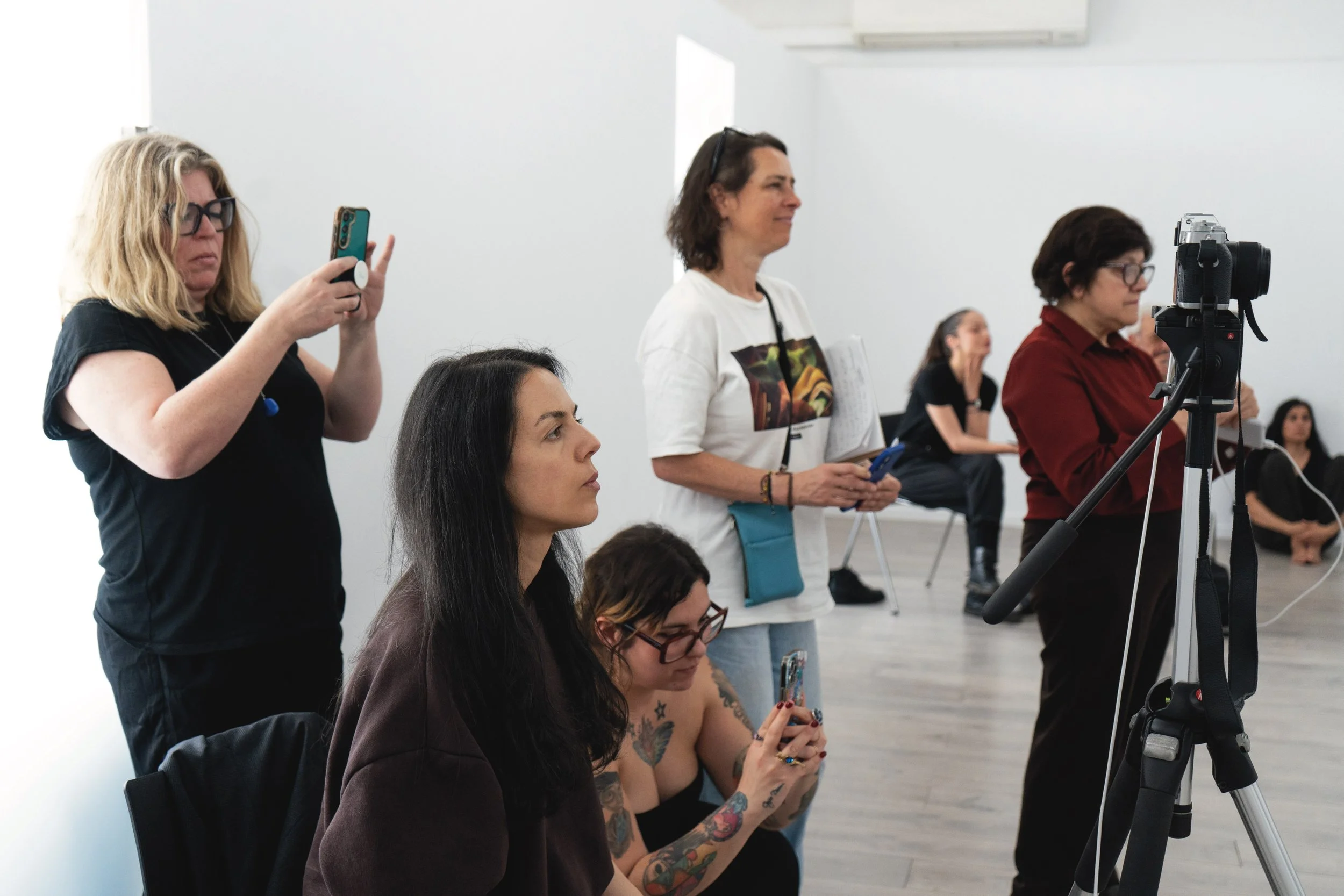
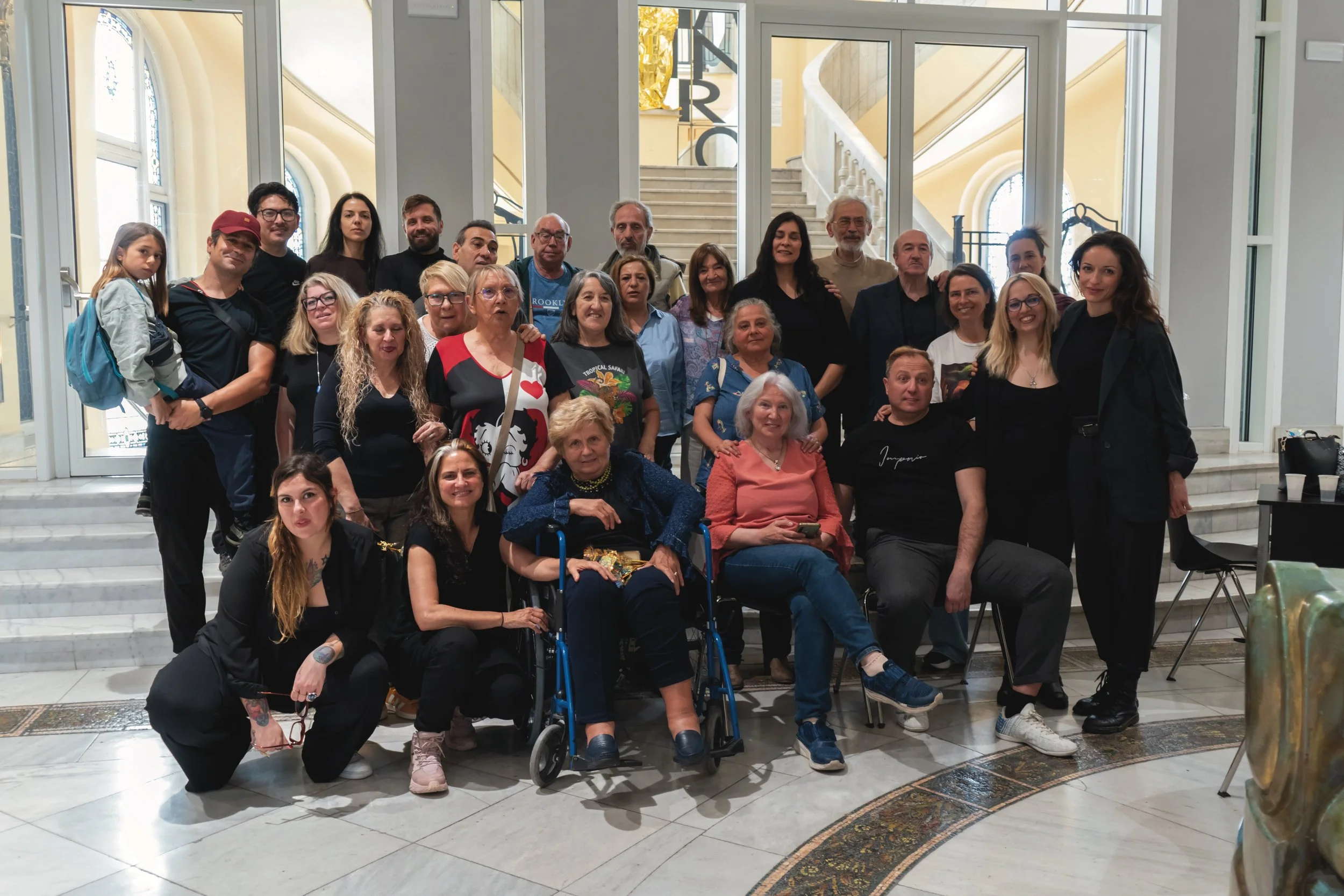
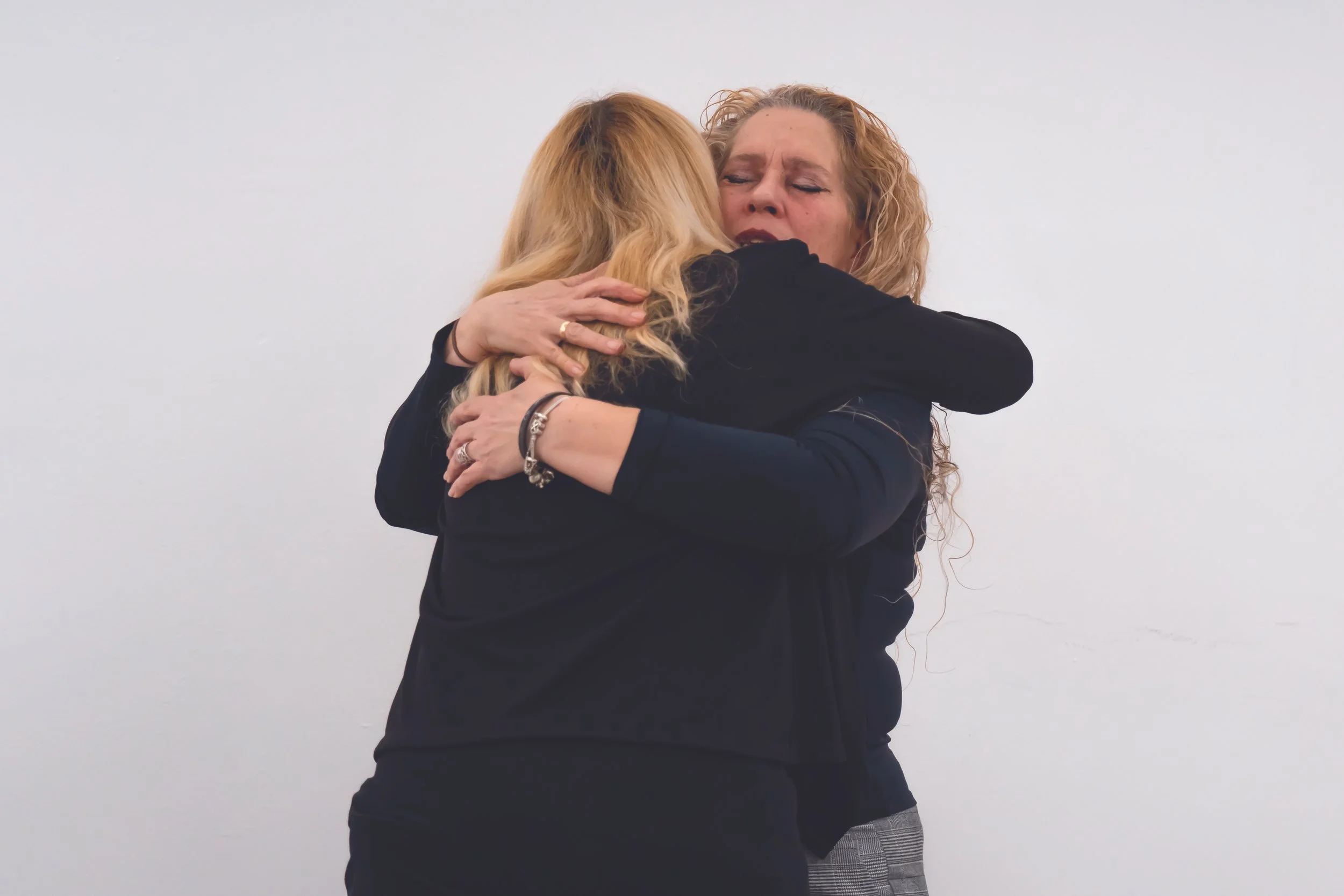
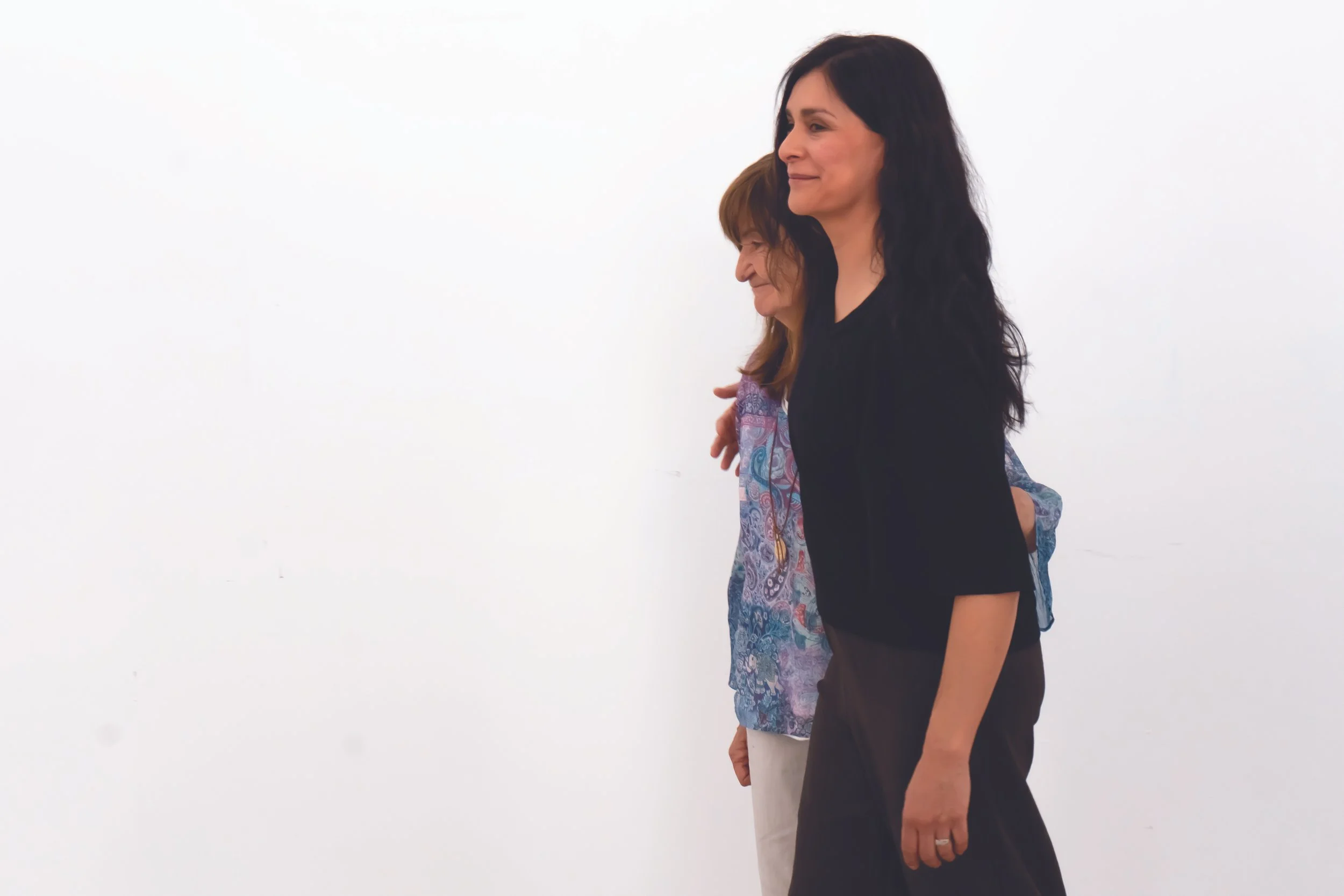
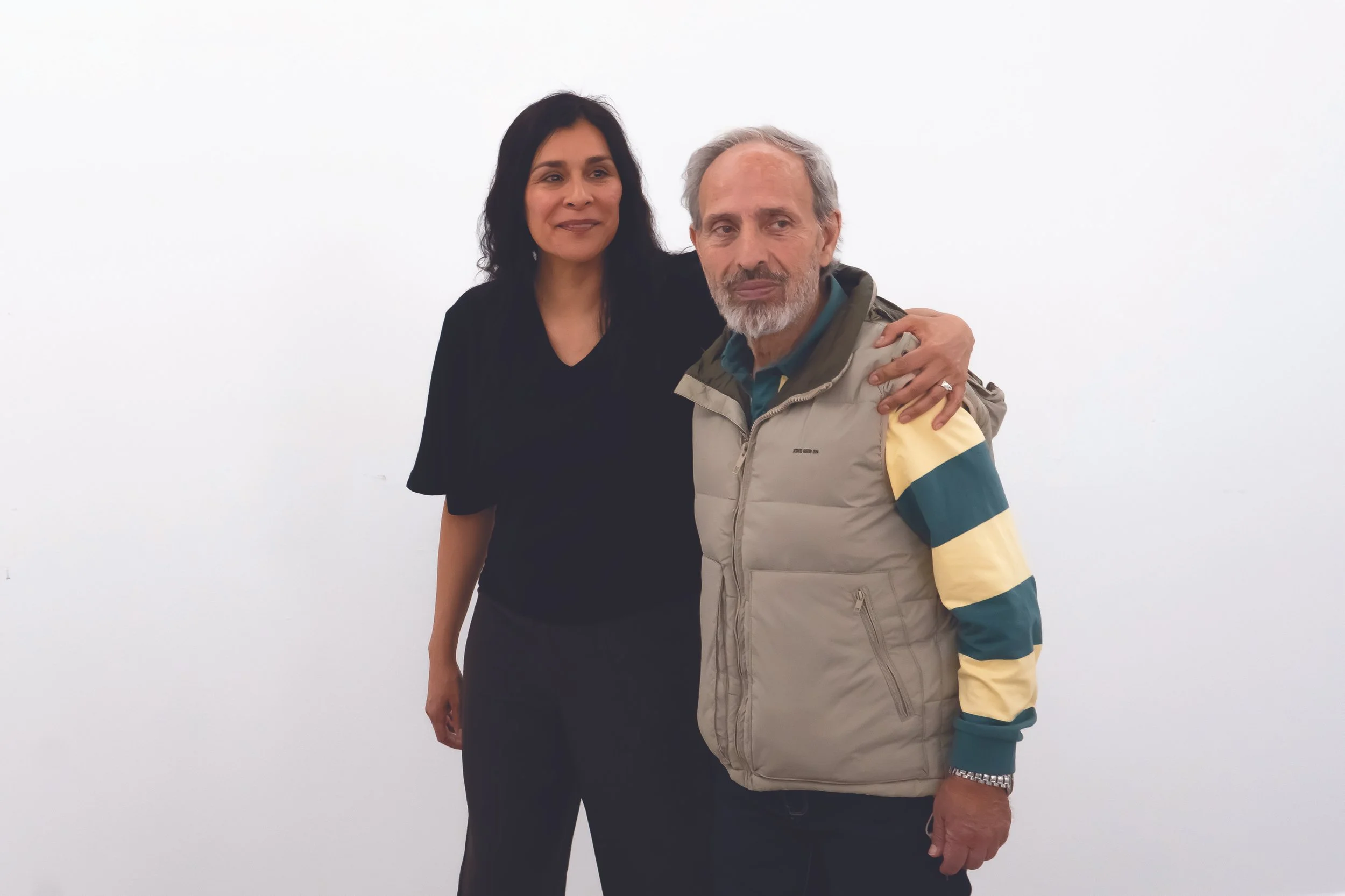
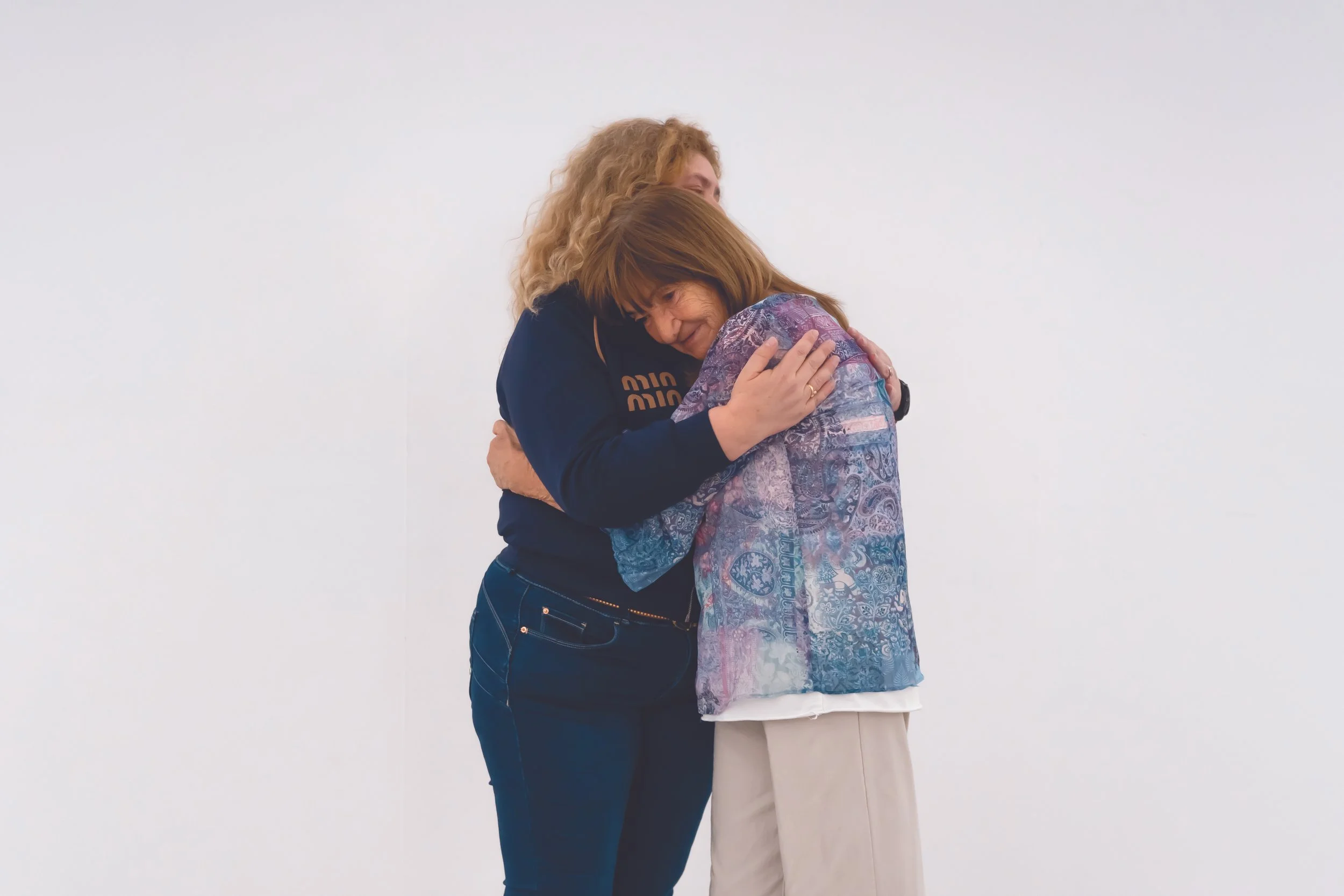
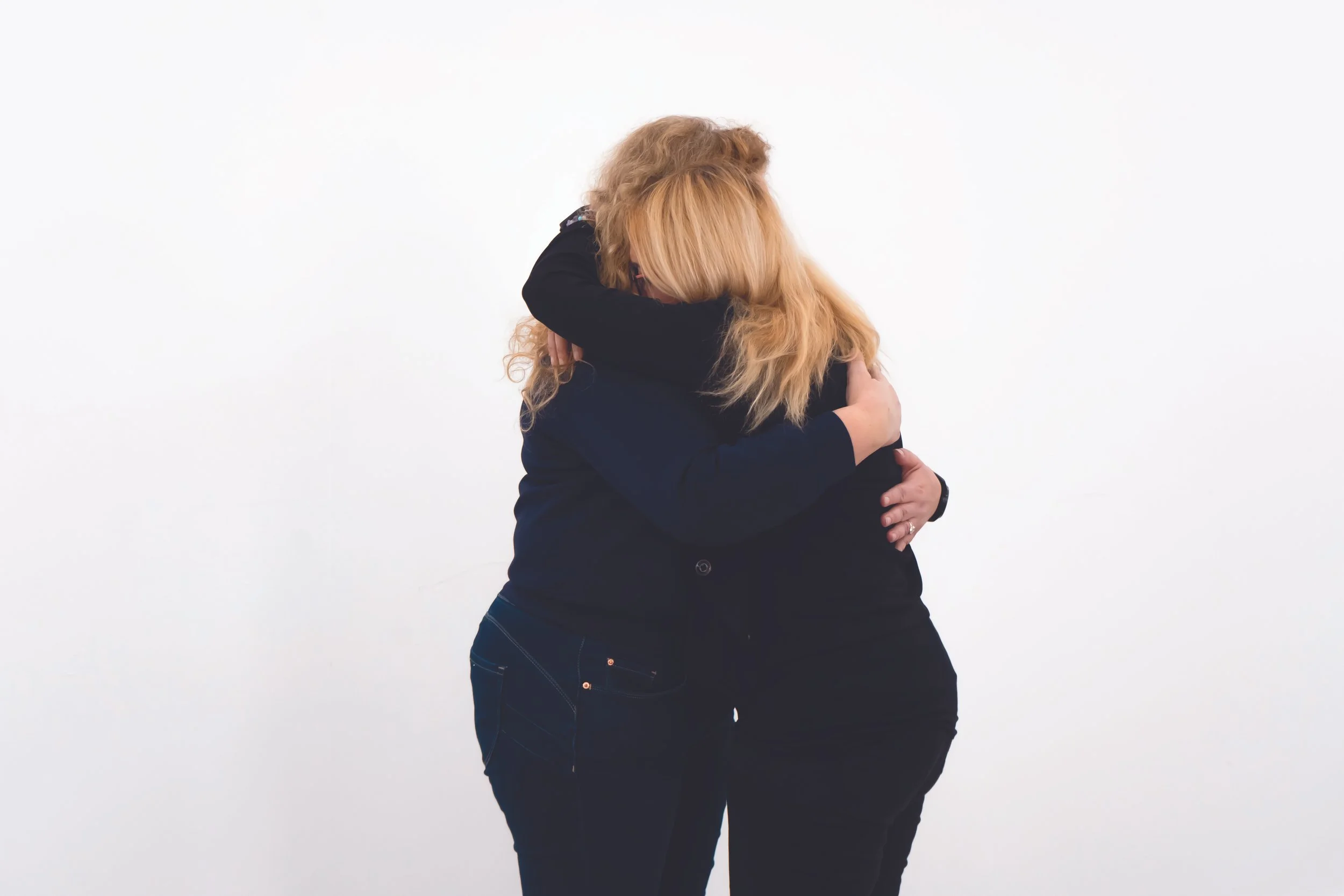
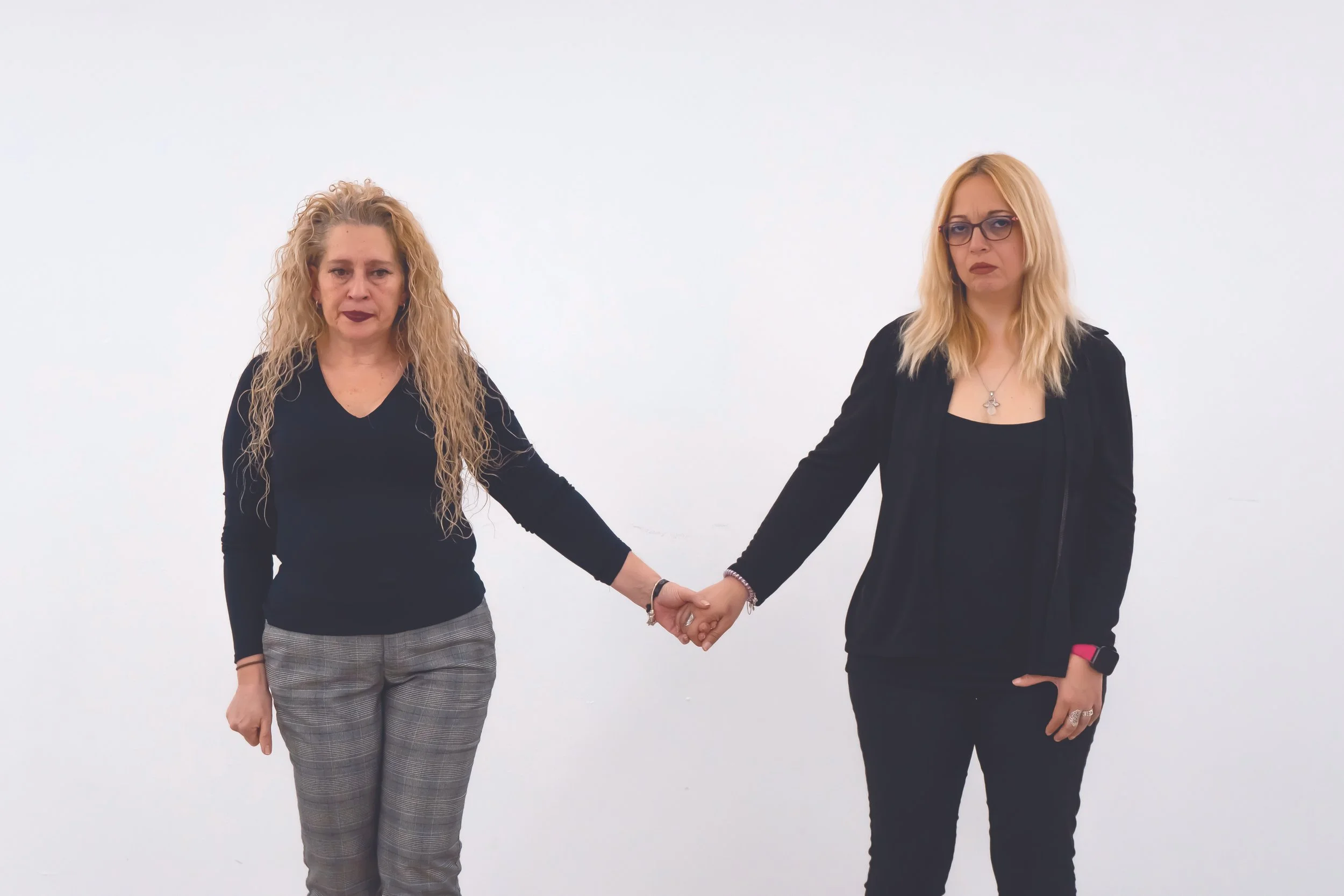
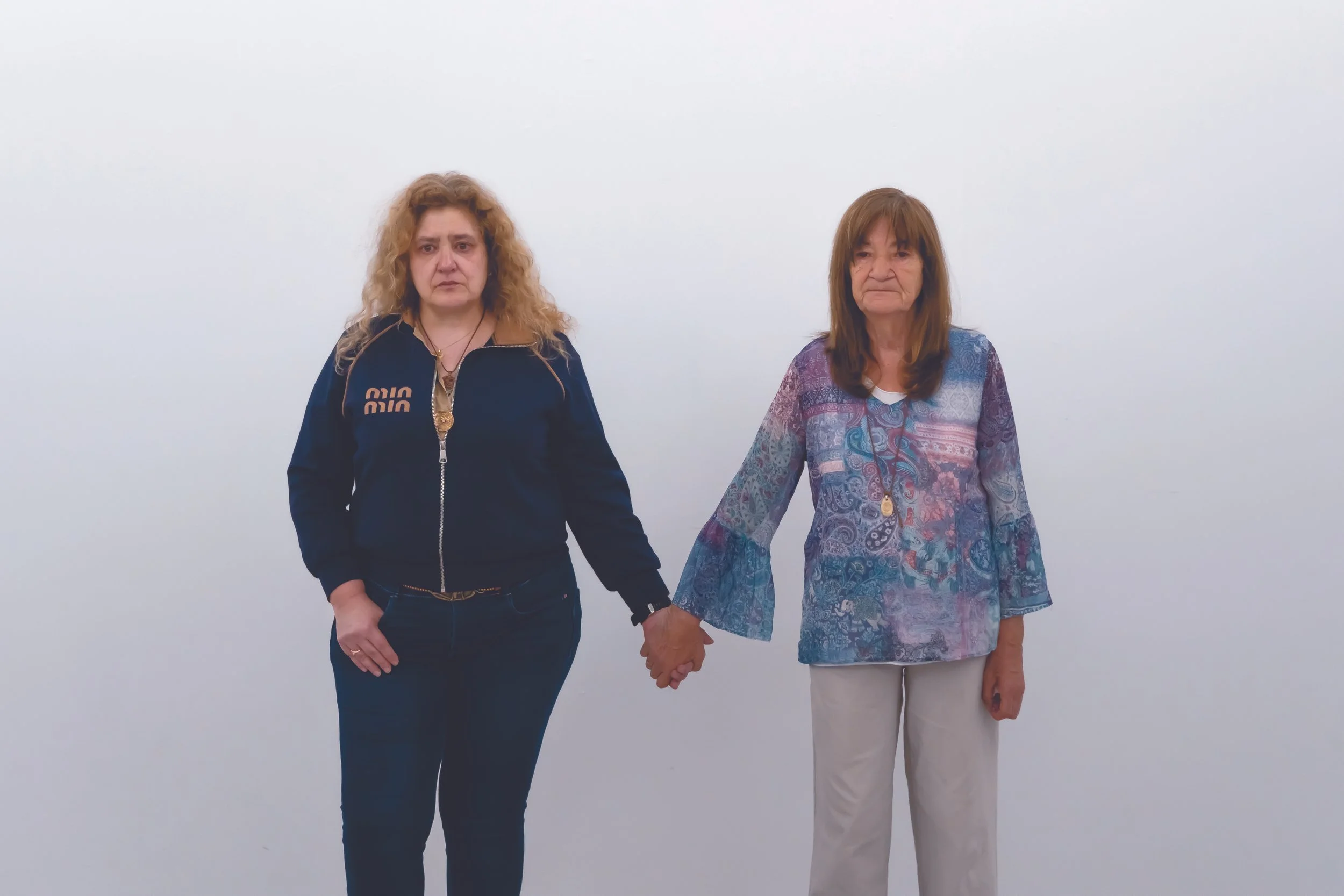
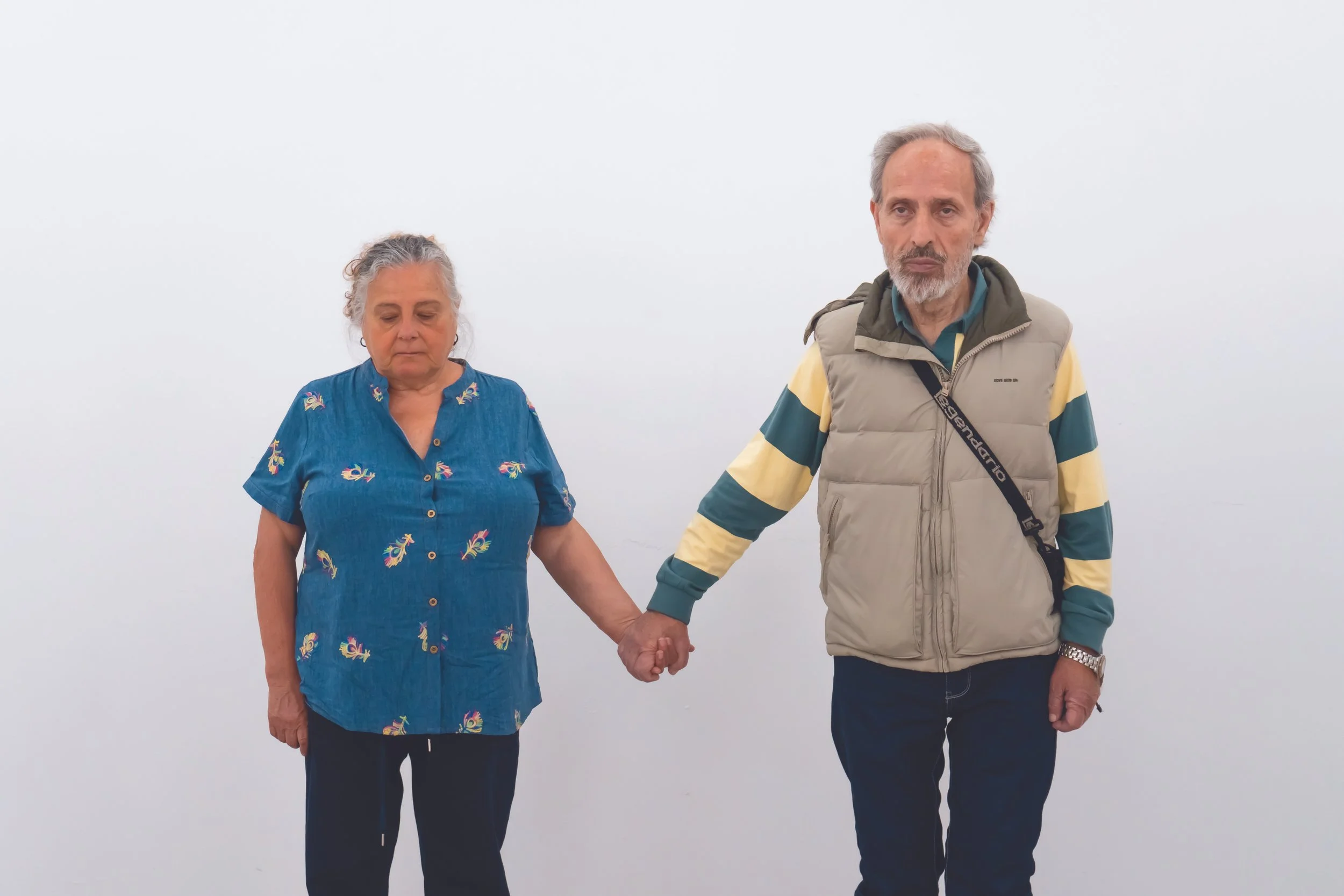
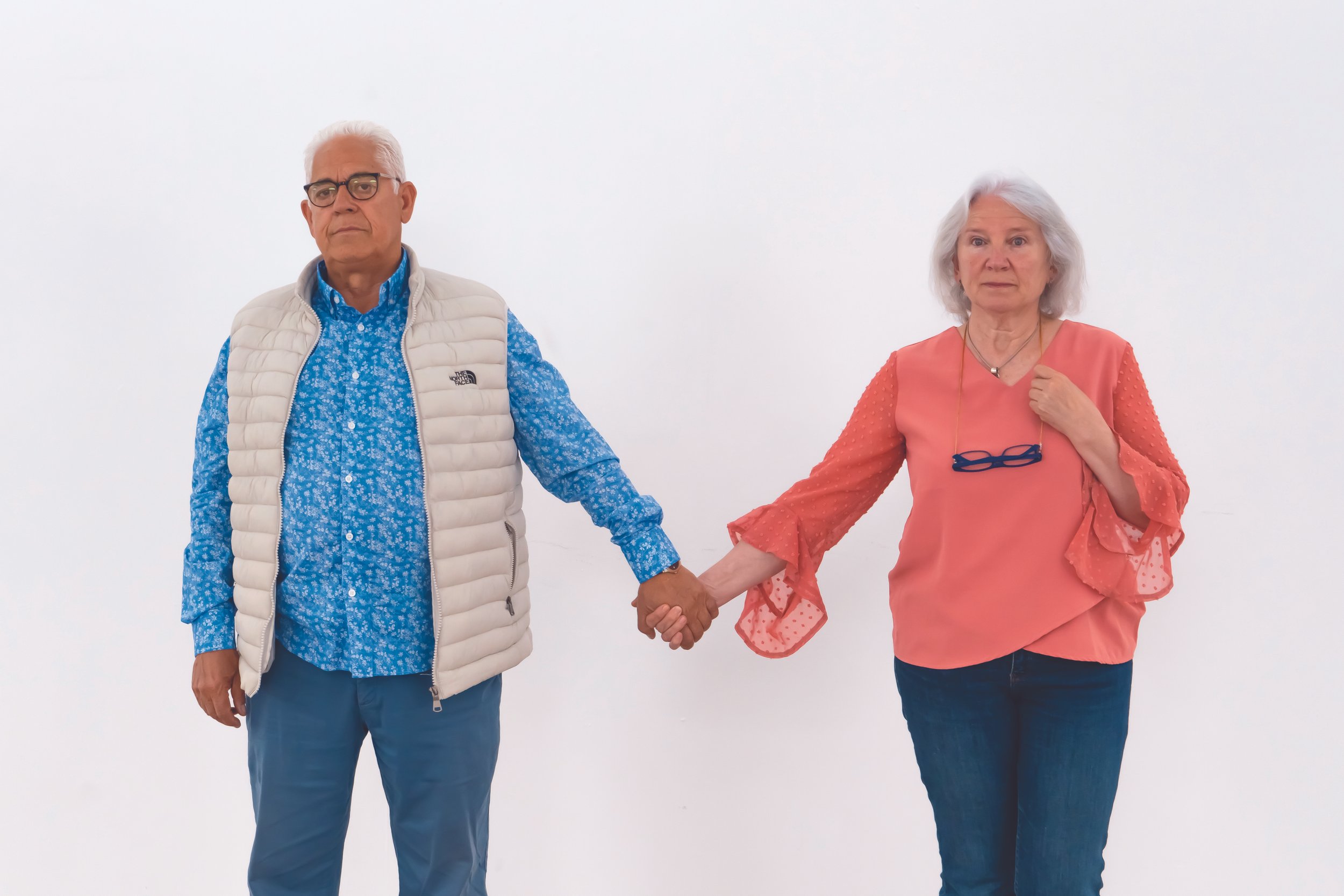
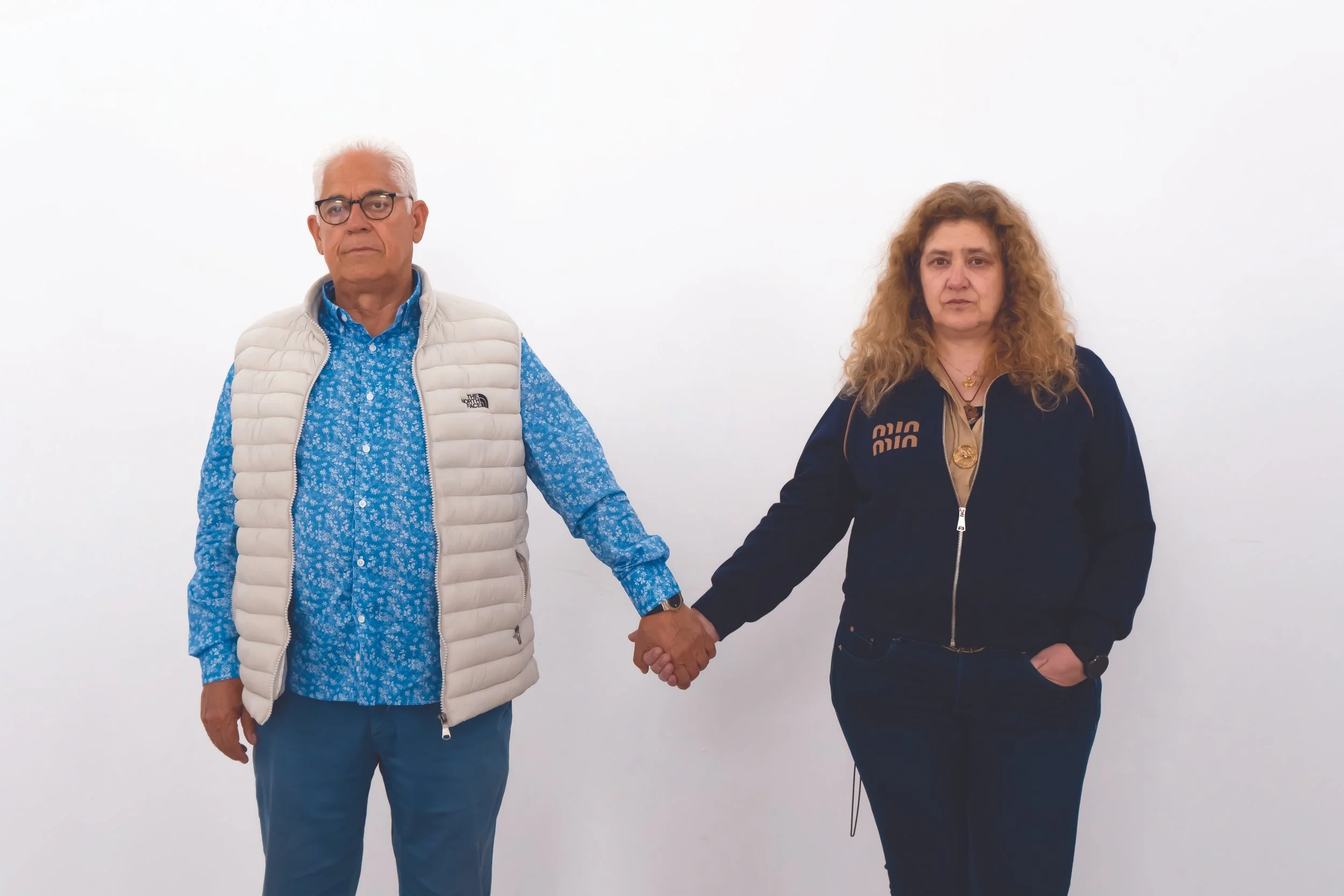
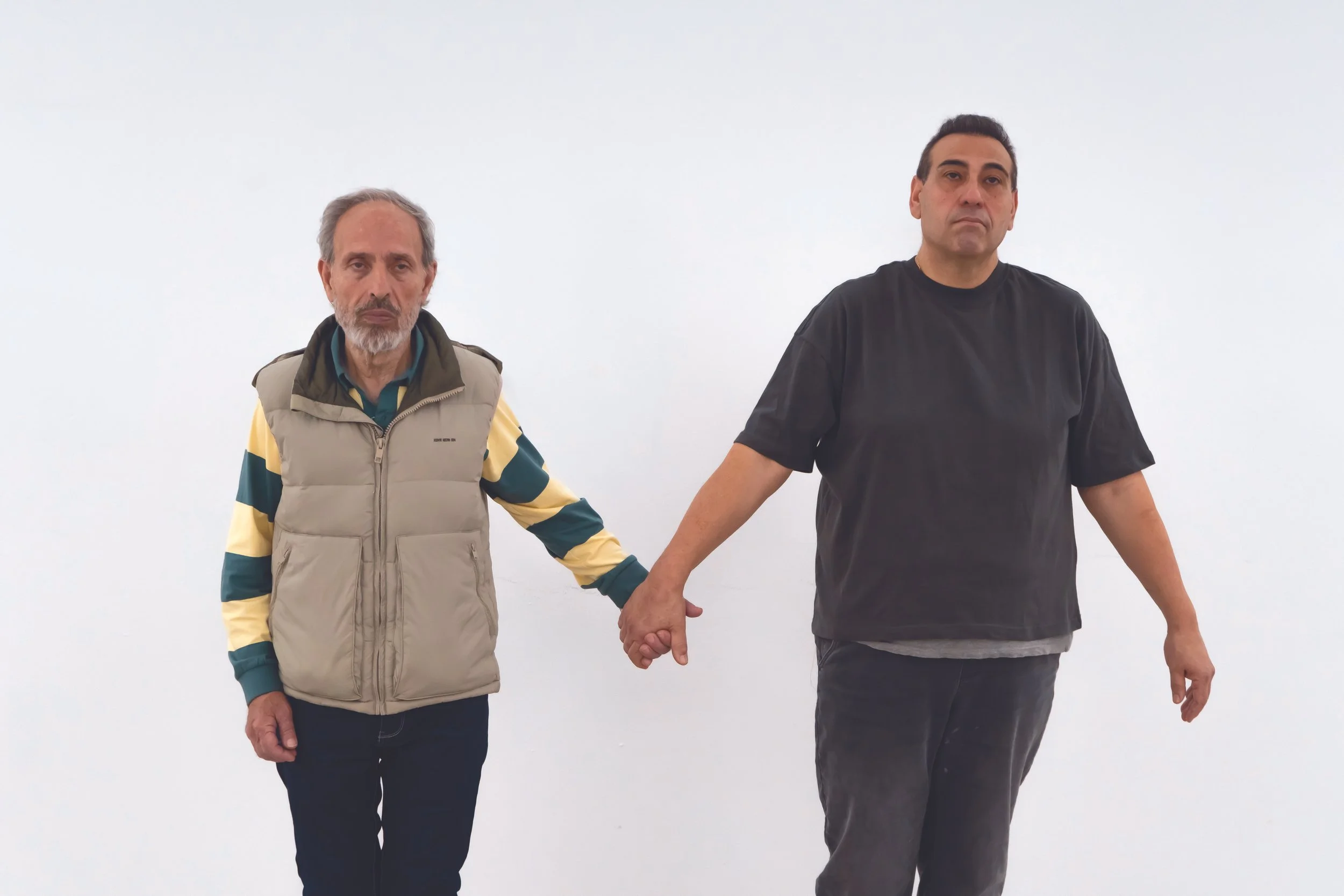
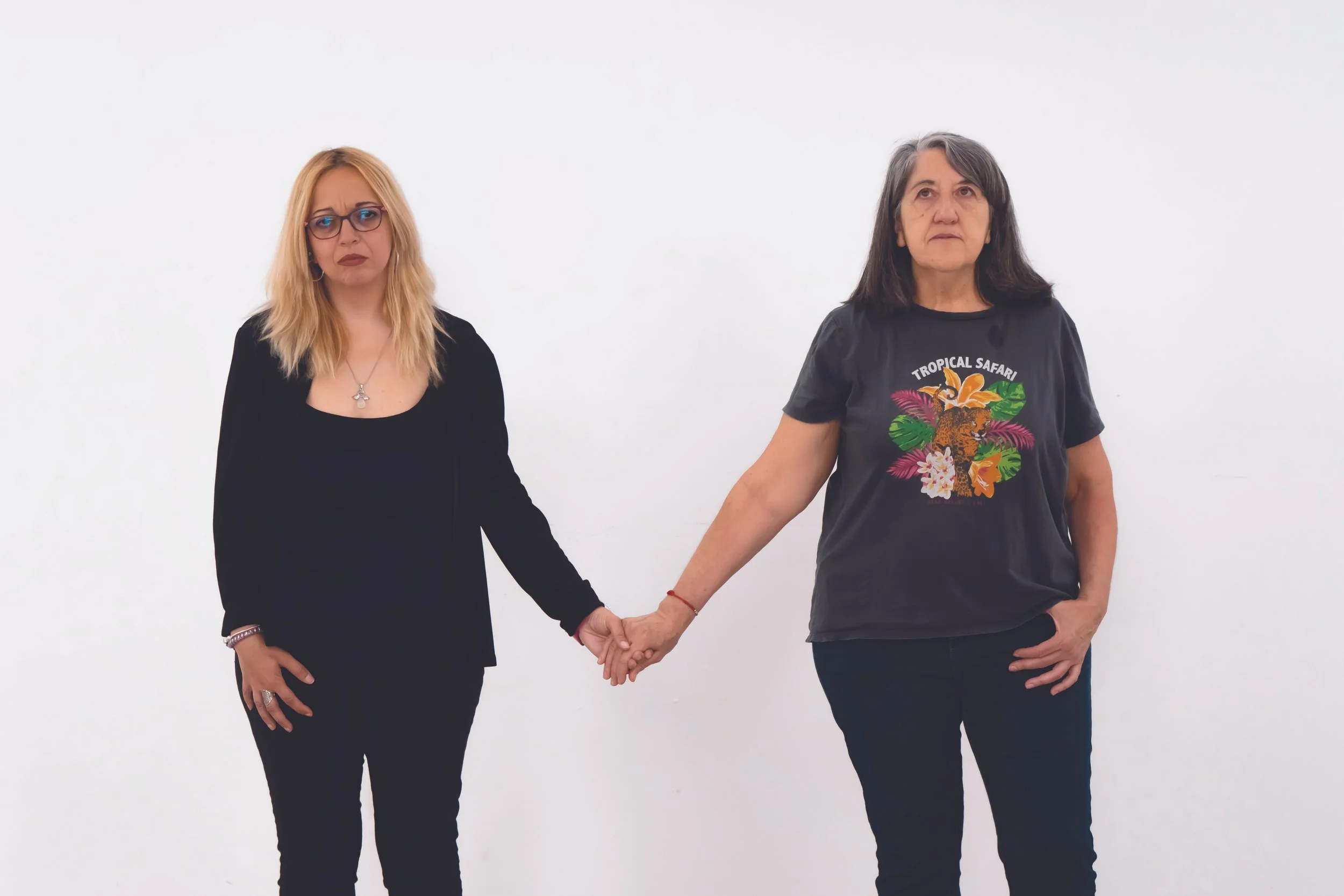
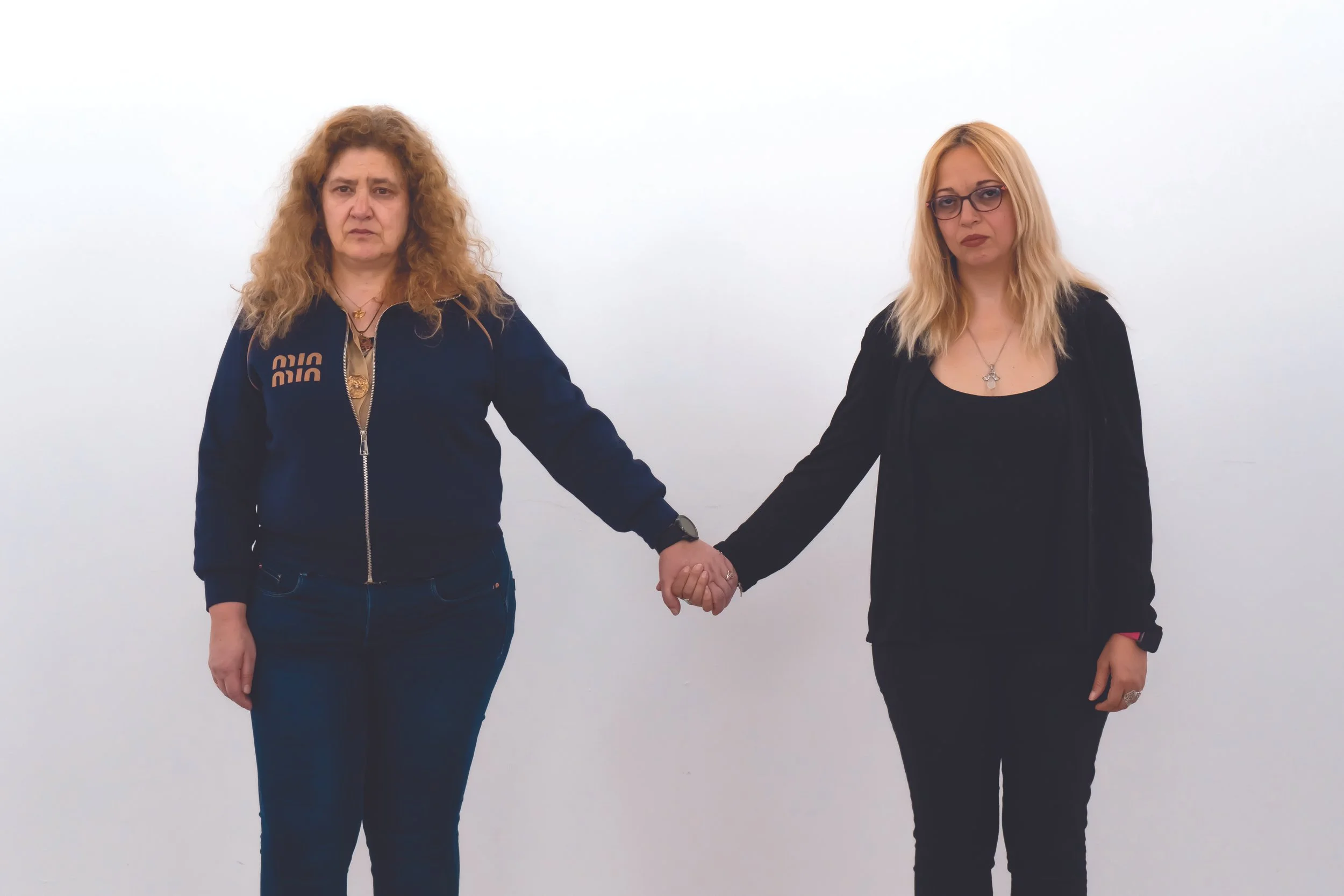
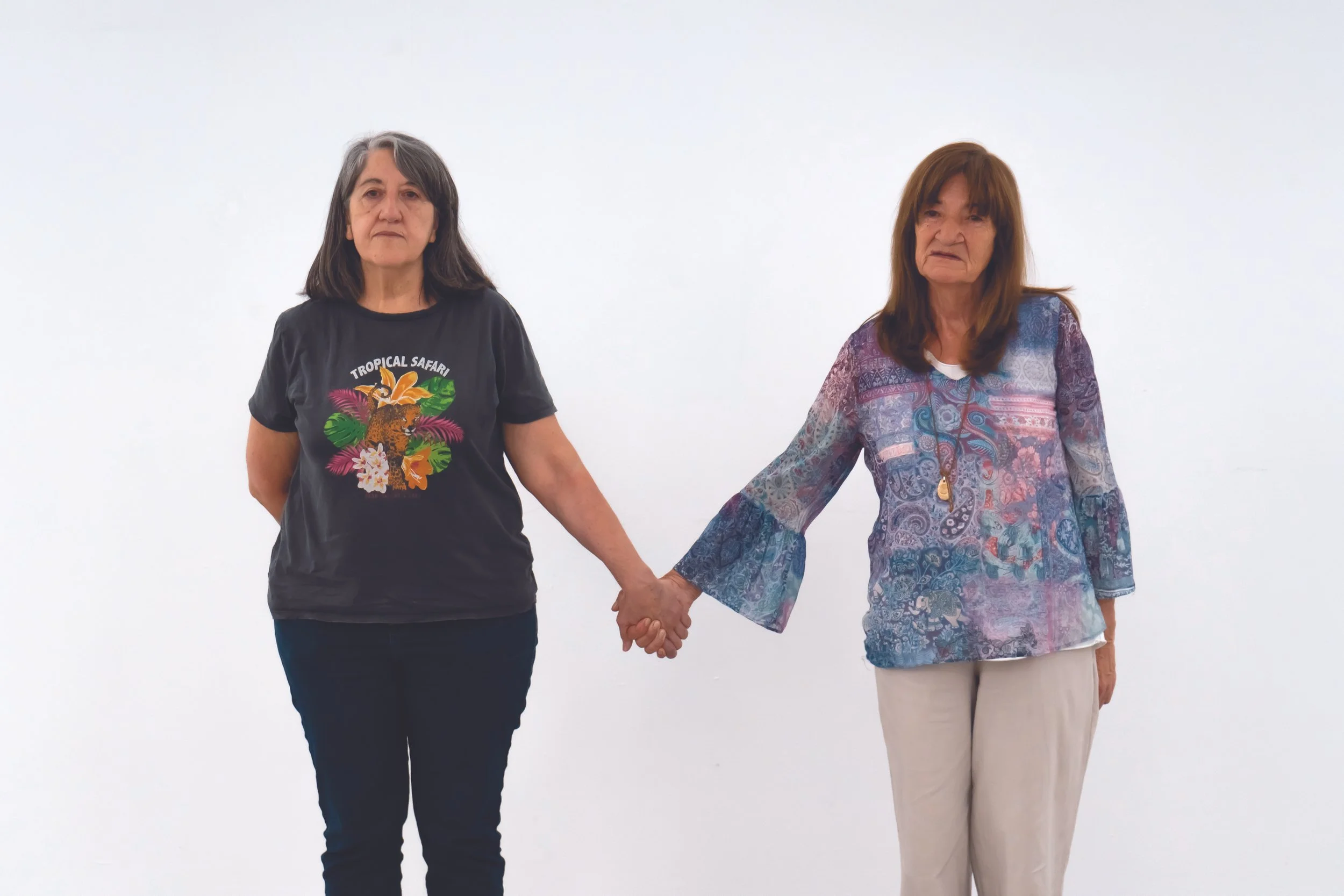
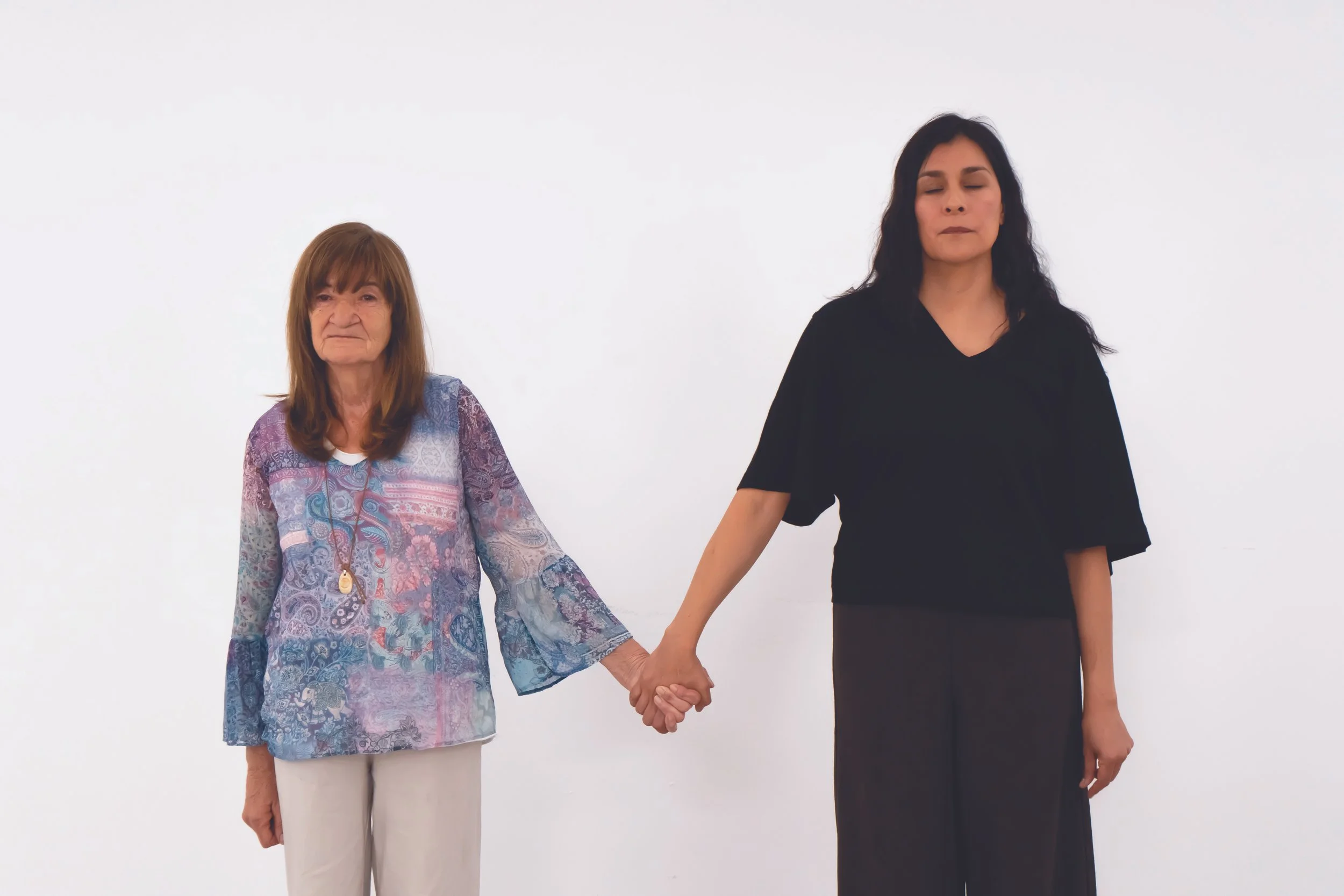
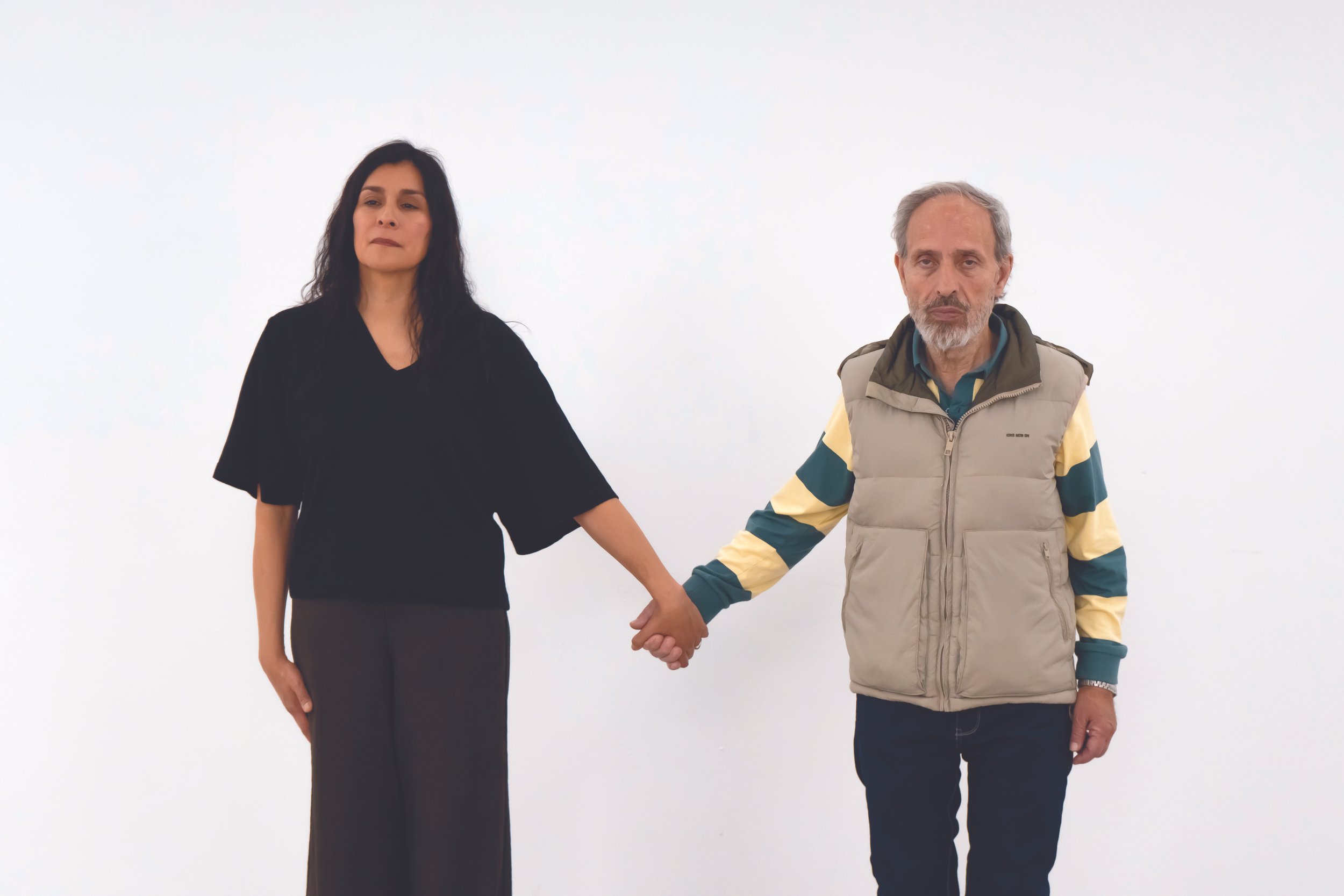
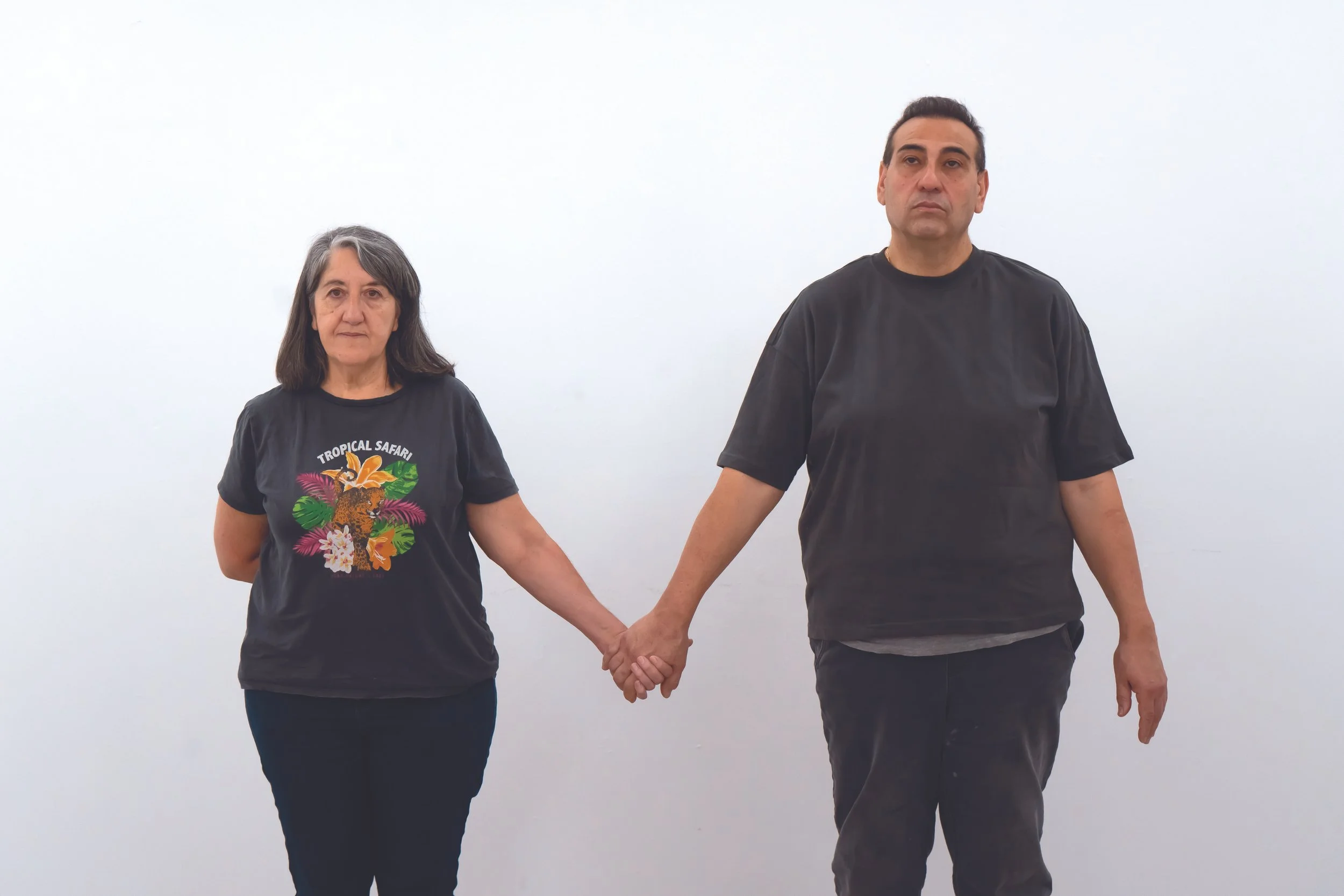
Fifty empty boxes. At the end of 2025, Azcona will present an exhibition featuring twelve large-format works in collaboration with fifty mothers and fifty children separated at birth in different maternity hospitals in Madrid, such as Clínica San Ramón or the Montesa Maternity Hospital, where Azcona himself was born. In September 2025, he began one of the pieces through a performance—an action of construction and protest moving from the individual to the collective, which evolved into an installation. Visitors to the exhibition, some of them children who were stolen at birth, together with Azcona, built fifty white boxes and created the installation collectively.
Cincuenta cajas vacías. A final de 2025 Azcona realizará una muestra con doce obras de gran formato en colaboración con cincuenta madres y cincuenta hijos separados al nacer en diferentes Maternidades de Madrid como la Clínica San Ramón o la Maternidad de Montesadonde nació el propio Azcona. En septiembre de 2025 inició mediante performance una de las piezas en una acción de construcción y denuncia desde lo individual a lo colectivo, derivada en instalación. Los visitantes de la muestra, algunos de ellos niños robados al nacer, junto a Azcona construyeron cincuenta cajas blancas y crearon la instalación de manera colectiva.